The energy and utilities industry is undergoing significant changes as electricity demand increases, renewable energy becomes more widely adopted, and infrastructure faces growing operational pressure. Utilities must manage complex power networks, maintain ageing assets, balance fluctuating demand, and provide reliable services while controlling costs. Artificial intelligence (AI) is helping address these requirements by improving forecasting, automating operational decisions, and extracting useful insights from large volumes of data generated across energy systems. The International Energy Agency’s latest analysis projects that electricity consumption from data centres will nearly double, increasing from 485 TWh in 2025 to 950 TWh by 2030. AI is becoming relevant across the energy value chain, from power generation and transmission to distribution, consumption, and customer service. Machine learning, computer vision, predictive analytics, and generative AI can help energy companies improve asset performance, anticipate equipment failures, integrate renewable sources, and respond more effectively to changing demand. These capabilities also support utilities in modernizing existing infrastructure without necessarily replacing their entire operational environment. How AI Is Transforming the Energy and Utilities Industry Traditional energy operations rely on scheduled maintenance, historical consumption patterns, manual inspections, and established operating rules. While these approaches remain important, they can struggle to respond to rapidly changing conditions and large, interconnected systems. AI adds the ability to analyze operational data continuously and identify patterns that may not be apparent through conventional analysis. For example, machine learning models can detect early signs of equipment deterioration, forecast electricity demand, and identify unusual activity across distribution networks. Computer vision
Read MoreNov 17, 2026 Software Development Comments Off on AI in Energy & Utilities: Applications, Integration, and Enterprise Adoption
Nov 17, 2026 Software Development Comments Off on AI in Energy & Utilities: Applications, Integration, and Enterprise Adoption
AI in Energy & Utilities: Applications, Integration, and Enterprise Adoption
Nov 9, 2026 Software Development Comments Off on How Much Does It Cost to Develop a Custom CRM System?
Nov 9, 2026 Software Development Comments Off on How Much Does It Cost to Develop a Custom CRM System?
How Much Does It Cost to Develop a Custom CRM System?
Quick AnswerCustom CRM development typically costs $30,000 to $300,000 or more. A basic CRM for one sales team costs $30,000 to $60,000 and takes 2 to 4 months. A mid-level CRM with automation, integrations and a mobile app costs $60,000 to $150,000 over 4 to 8 months. Enterprise CRMs with complex workflows, AI and multiple system integrations start at $150,000 and take 8 to 12 months or longer. Most companies start looking at a custom CRM for the same reason: the off-the-shelf tool no longer fits. Sales reps keep data in spreadsheets on the side, licence bills climb every renewal, and the workflows that make your business different are forced into someone else’s template. Building your own CRM fixes those problems, but only if the budget is realistic from day one. Quotes for the same idea can range from a few thousand dollars to several hundred thousand, and it is rarely clear what sits behind each number. This guide breaks down custom CRM development cost the way a software team estimates it: by complexity, by feature, by data migration effort, by team location and by what you keep paying after launch. You will also find a three-year comparison with SaaS CRMs and a short list of red flags to watch for in vendor quotes. Key Takeaways: Custom CRM Development Cost by Complexity The fastest way to estimate the cost to build a CRM is to decide which of these three tiers matches your scope. The figures below are typical estimates
Read MoreNov 4, 2026 Software Development Comments Off on How Much Does it Cost to Build an MVP: Realistic Ranges, AI MVP Budgets and Examples
Nov 4, 2026 Software Development Comments Off on How Much Does it Cost to Build an MVP: Realistic Ranges, AI MVP Budgets and Examples
How Much Does it Cost to Build an MVP: Realistic Ranges, AI MVP Budgets and Examples
Quick AnswerMVP development cost typically ranges from $25,000 for a simple, single-platform product to $250,000 or more for a complex, regulated or AI-heavy one. Most funded SaaS, mobile and AI MVPs land between $40,000 and $150,000 and take three to six months. The three biggest cost drivers are feature scope, platform choice and integrations. An MVP exists to answer one question before you spend serious money: will real users pay for this? Getting the budget wrong in either direction defeats that purpose. Underfund it and you test a product too weak to judge; overfund it and you have built version 2 before learning anything. The challenge is that quotes for the same idea can range from a few thousand dollars to well over $200,000. That spread rarely comes from pricing alone. It comes from different assumptions about features, platforms, integrations, AI components and what happens after launch. Founders who understand those assumptions can compare proposals properly and protect their runway. This guide breaks down MVP development cost with realistic ranges by complexity, platform and product type, a full section on AI MVP budgets, three worked examples with phase-level splits, and the costs that come after launch. It is written for founders, product leaders and enterprise innovation teams planning a first release. PoC, Prototype, MVP or MLP: Know What You Are Paying For A minimum viable product is the smallest version of a product that real users can use, and that produces evidence about whether the idea works. It is not
Read MoreNov 4, 2026 Software Development Comments Off on How Much Does Custom Software Development Cost for Enterprise?
Nov 4, 2026 Software Development Comments Off on How Much Does Custom Software Development Cost for Enterprise?
How Much Does Custom Software Development Cost for Enterprise?
Quick AnswerEnterprise software development cost typically ranges from about $120,000 for a focused internal tool to $5 million or more for a core platform replacement, with most department and mid-sized systems landing between $300,000 and $1.5 million. The three biggest drivers are integration count, compliance scope and data migration. Budget a further 15 to 25 percent of the build cost every year for maintenance and support. Enterprise software rarely goes over budget because a feature took longer than expected. It goes over budget because a legacy integration, a compliance review or a data migration was never priced in the first place. This guide gives technology and finance leaders the ranges, the variables and a working estimation formula to build a number that holds up after the contract is signed. What Makes Software “Enterprise” and Why It Costs More Enterprise software is not simply a larger business application. It is software that has to operate inside an existing estate of systems of record, serve many user roles with different permissions, and satisfy security and audit requirements set by people outside the product team. Four characteristics push the cost of enterprise software development above a standard custom build: Enterprise Software Development Cost by Project Type Asking how much does custom software development cost for enterprise use is really asking what kind of system you are building. System type sets the baseline before any other factor applies. The ranges below cover the full program: discovery, design, engineering, integration, testing and deployment, delivered by
Read MoreOct 29, 2026 Software Development Comments Off on Top SaaS Development Companies: 10 Best Partners Compared
Oct 29, 2026 Software Development Comments Off on Top SaaS Development Companies: 10 Best Partners Compared
Top SaaS Development Companies: 10 Best Partners Compared
Key Takeaways Building a SaaS product is a different job from building an app. One codebase has to serve many customers, keep their data apart, bill them correctly, pass their security reviews and ship updates without breaking anyone’s workflow. Add the AI features buyers now expect, and the partner you choose carries more of the product’s risk than any single hire. That is why shortlisting SaaS development companies deserves more scrutiny than comparing hourly rates. This guide compares ten SaaS software development companies with a real track record of building and running subscription products. Each one is assessed on the fundamentals of running a subscription product and on whether it can build AI into that product with production discipline. You will also find a comparison table, cost benchmarks from vendors that publish their prices, the checks worth running before you sign, and the contract terms that protect your ownership. How We Evaluated These SaaS Development Companies Every SaaS software development company on this list was assessed against the same six criteria. Facts come from each company’s own website or its Clutch profile. Where a figure could not be verified, we left it out rather than estimate it. Xicom publishes this guide and lists itself first. Every company, Xicom included, was assessed against the same criteria and profiled with the same structure, including an honest limit for each. Top SaaS Development Companies at a Glance Company Founded Team Size Best For AI Strength Pricing Signal Xicom 2002 350+ SaaS products with
Read MoreOct 23, 2026 Software Development Comments Off on PHP Vulnerability 2026: PHP2Shell Explained and How to Patch It
Oct 23, 2026 Software Development Comments Off on PHP Vulnerability 2026: PHP2Shell Explained and How to Patch It
PHP Vulnerability 2026: PHP2Shell Explained and How to Patch It
The latest PHP vulnerability is one of the most serious the language has faced. On October 20, 2026, the PHP security team announced an emergency security release for two critical flaws in the PHP runtime, and patches went out the next day. Tracked as CVE-2026-109618 and CVE-2026-109619, the flaws are together known as the PHP2Shell vulnerability. Both are rated 9.2 (Critical) under CVSS v4.0, and both allow unauthenticated remote code execution. An attacker doesn’t need a login, a password or any access to your application to run code on a vulnerable server. If your business runs a website, customer portal, CMS or internal application on PHP, this PHP security vulnerability needs your attention today. This guide explains what PHP2Shell is, who is affected, and how to apply the PHP patch. What Is a PHP Vulnerability? A PHP vulnerability is a security flaw in the PHP runtime, its extensions, or in applications written in PHP that an attacker can exploit. Depending on where it sits, a flaw can let attackers read sensitive data, crash a server, or in the worst cases run their own code on it. PHP vulnerabilities generally fall into two groups: The PHP2Shell vulnerability is a runtime-level flaw, which is why it affects so many businesses at once. Is Your PHP Server at Risk? Our engineers find, patch and verify every vulnerable PHP installation. Talk to Our PHP Expert! PHP Vulnerability October 2026: Timeline What Is the PHP2Shell Vulnerability? PHP2Shell is the name given to two separate flaws
Read MoreOct 15, 2026 Software Development Comments Off on RPA in Manufacturing: Use Cases, Real Examples, Benefits and Challenges
Oct 15, 2026 Software Development Comments Off on RPA in Manufacturing: Use Cases, Real Examples, Benefits and Challenges
RPA in Manufacturing: Use Cases, Real Examples, Benefits and Challenges
RPA in manufacturing is the use of software bots to carry out repetitive, rules-based digital work that people currently do by hand, such as keying orders into an ERP, matching invoices to purchase orders, updating inventory records and compiling quality reports. It delivers the most value where data has to move between systems that don’t talk to each other, like ERP, MES, warehouse software and supplier or dealer portals. Plants get faster cycle times, fewer entry errors and cleaner audit trails without ripping out the systems they already run. This guide covers where robotic process automation fits in a manufacturing business, the use cases that pay off first, real examples from named manufacturers, the benefits and challenges, how to estimate cost, and how to pick the right processes for your first bots. Key Takeaways What Is RPA in Manufacturing? Robotic process automation in the manufacturing industry has nothing to do with the robot arms on your assembly line. An RPA bot is software. It logs into applications, reads screens and files, copies data from one system to another, applies business rules and triggers the next step, much like a careful employee would. The reason it fits manufacturing so well is the typical plant IT landscape. A mid-sized manufacturer might run an ERP for finance and planning, an MES on the shop floor, a warehouse management system, a quality management system, a maintenance system and a handful of supplier, carrier and dealer portals. Few of these were designed to share data
Read MoreAug 19, 2026 Artificial Intelligence, Software Development 0
Aug 19, 2026 Artificial Intelligence, Software Development 0
AI in Software Development: The Complete Guide to Building Faster, Smarter Code
Key Takeaways AI in software now shapes how teams write, test, and ship code every day. Developers complete routine coding tasks up to twice as fast with generative tools, according to McKinsey research. Documentation finishes in half the time. New code appears nearly twice as quickly. Refactoring takes about two-thirds less effort. These gains arrive when teams treat AI as a daily collaborator rather than a one-time experiment. Top-performing organizations report 16 to 30 percent lifts in productivity, time to market, and customer experience. Software quality rises 31 to 45 percent in the same group. Over 90 percent of surveyed teams already use AI for core activities and reclaim an average of six hours each week. The rest of this article maps exactly how AI is used in software development, area by area, stage by stage, so teams can see where the returns show up and how to capture them without disrupting delivery. The 10 Areas Where AI Is Used in Software Development AI touches far more of the development process than the editor window. Below are the ten areas where it shows up most in production engineering teams. 1. Code Generation AI tools read natural-language prompts and produce functions, classes, or full modules inside the editor. Autocompletion predicts the next lines based on context and project patterns, while code synthesis builds boilerplate or complete functions from a plain-language description. Developers spend less time on repetitive syntax and more time on architecture and edge cases. Junior developers gain usable patterns
Read MoreAug 4, 2026 Artificial Intelligence, Software Development 0
Aug 4, 2026 Artificial Intelligence, Software Development 0
AI in Healthcare Compliance: Navigating HIPAA and FDA Regulations for Leaders
Key Takeaways Most healthcare AI projects fail their first compliance review for the same reason: the team building the product assumed HIPAA compliance and FDA AI development compliance were the same conversation. They aren’t. HIPAA governs how patient data moves through your system. The FDA governs whether your software is making a medical decision, and if so, how much evidence you need before it’s allowed to. A model can be fully HIPAA-compliant; encrypted, access-controlled, logged to the letter, and still be an unregistered medical device the moment it recommends a dosage or flags a diagnosis. HIPAA and FDA AI in healthcare regulations are often treated as one conversation. They aren’t, and the gap between them is where most compliance failures start. We’ve watched this catch founders off guard more than once. The engineering team ships a triage assistant, checks the HIPAA box because PHI is encrypted at rest and in transit, and only discovers during a hospital procurement review that the FDA considers their output “clinical decision support” requiring 510(k) clearance. By then, the architecture is already built around assumptions that don’t hold up under FDA scrutiny, no audit trail for individual model versions, no change-control documentation, no way to demonstrate the training data didn’t drift. This piece is meant to close that gap. We’re walking through what HIPAA compliance in AI healthcare development actually requires at the architecture level, where FDA AI development kicks in, and where the two frameworks pull in different directions. HIPAA Compliance in AI Healthcare
Read MoreJul 10, 2026 Software Development 0
Jul 10, 2026 Software Development 0
How to Build GDPR Compliance Software: Features, Tech Stack & Cost
The implementation of General Data Protection Regulation (GDPR) significantly changed the way companies collect, process, and store personal data in Europe. Since May 2018, when it entered into force, organizations incurred penalties of over €4.5 billion. The sum tends to increase. For organizations working with the data of citizens of EU member states, compliance with GDPR is not a matter of choice; it is a legal obligation with serious fines involved. These two reasons explain why the demand for GDPR compliance solutions has increased so much over the last years. However, building such software is far from being easy. You need to have good knowledge of specific requirements, strong technical expertise, and an adequate way of developing a solution. In this article, we have prepared a comprehensive guide to building GDPR compliance software. You will have a chance to learn what such software does, how to choose the right technology stack, as well as get familiar with potential expenses and pitfalls related to the project. What Is GDPR Compliance Software? GDPR compliance software is a digital tool that helps organizations meet the requirements of the General Data Protection Regulation. They make the required tasks required of an organization easy and efficient. Primarily, this type of software lets organizations know what personal data they are collecting as well as where, who, and how they are using it. Moreover, the software can store and use consent records, manage requests and provide audits for regulatory processes. The software can be considered to be
Read MoreJul 3, 2026 Artificial Intelligence, Software Development 1
Jul 3, 2026 Artificial Intelligence, Software Development 1
AI Software Frameworks: A Complete Practical Guide
Key Takeaways AI software frameworks provide the foundation for developing modern AI applications. They offer the libraries, APIs, runtime environments, and development tools needed to build, train, deploy, and manage AI models without requiring developers to implement complex capabilities such as automatic differentiation, distributed computing, hardware acceleration, and model optimization from scratch. By abstracting this complexity, frameworks accelerate development while improving performance, scalability, and reliability. Their role has become increasingly important as enterprise AI adoption continues to grow. According to the McKinsey 2025 State of AI report, 78% of organizations now use AI in at least one business function, reflecting AI’s transition from experimental projects to production systems. As organizations scale their AI initiatives, the framework they choose directly impacts development speed, deployment flexibility, infrastructure costs, integration capabilities, and long-term maintainability. This guide explores the different types of AI software frameworks, their core components, selection criteria, licensing models, and their role in building scalable AI systems. What Is a Software Framework for AI? An AI software framework is a software foundation that provides the libraries, runtime components, APIs, and development abstractions required to build AI applications. Rather than implementing numerical computation, optimization routines, and execution logic for every project, an AI software development company can accelerate delivery by using standardized components maintained by these frameworks, enabling faster, scalable, and more efficient AI solution development. Underlying infrastructure remains largely abstracted from application code. Automatic differentiation engines compute gradients during training, execution runtimes distribute workloads across available hardware, and optimized libraries perform
Read MoreMay 4, 2026 Software Development, Artificial Intelligence 1
May 4, 2026 Software Development, Artificial Intelligence 1
Generative AI in Manufacturing: Integration Approaches, Use Cases, and Future Outlook
Manufacturing doesn’t limit itself to machines and stressful manual processes. It has become extremely intelligent and data-driven. Generative AI in manufacturing is a technology that doesn’t just assess data but builds solutions, strategies, and designs in real time. It encourages product efficiency and optimizes supply chains by assessing a vast set of data to generate new optimized solutions. Some of its key applications include predictive maintenance, quality control, and generative design. The global generative AI in manufacturing market size is expected to reach USD 13,893.51 million by 2034. It is expanding at a CAGR of 41% over the forecast period. As per the trends of KPMG, 78% of industrial manufacturing executives now consider GenAI as their leading emerging technology. Its applications are improving production planning through real-time data analysis. Let us learn more about its influence on the manufacturing industry and how many companies have leveraged its values in recent years. How does Generative AI in manufacturing work? The operation of generative AI revolves around machine learning models. It predicts and optimizes outcomes based on input data. For example, it can give rise to prototypes that meet specific parameters of strength and cost more effectively than traditional techniques. The influential landscape of GenAI in manufacturing Generative AI can transform the manufacturing process by aligning the operations while fostering innovations. This enables you to adopt personalized production. As manufacturers recognize this technology’s great potential, its adoption has been growing efficiently. It has been driving efficiency while giving rise to many newer
Read MoreApr 30, 2026 Software Development 0
Apr 30, 2026 Software Development 0
Top 10 Software Development Outsourcing Companies in India (2026)
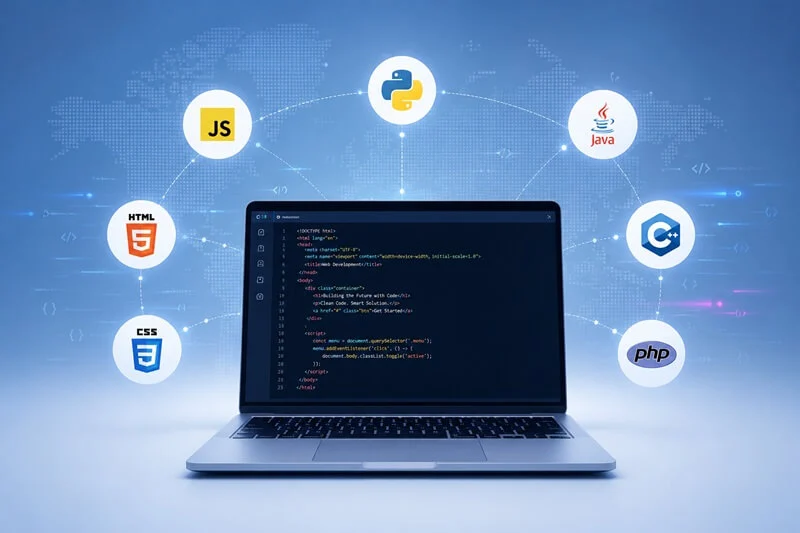
Looking to transform your business journey and trying hard to drive better ROI? The simple way is to outsource a software development company in India that can understand your business challenges and help you evolve in the modern era. Let’s check out the list of top outsourcing software development companies in India.
Read MoreDec 24, 2025 Software Development 0
Dec 24, 2025 Software Development 0
IT Staff Augmentation for Startups in 2026
IT Staff Augmentation for Startups in 2026 is poised to become a significant turning point. Wondering why? As per reports, 90% of startups fail within five years, despite having a strong business idea. Because this is where they started struggling to execute their idea with a limited budget. To get started with the project, startups need skilled developers, a cloud specialist, a QA testing team, and product-focused engineers- all at once. Source: explodingtopics.com Finding the right IT talent is rarely quick, and it’s rarely cheap. A single wrong hire can delay product launches by months, put your funding at risk, and create technical debt that’s too hard to survive with. On the other hand, the right team can move fast, build smarter, and push your startup back on a growth track. Here’s the real problem. Traditional hiring doesn’t work at startup speed. Recruitment cycles stretch for weeks. Salaries keep rising. Competition from well-funded tech companies pulls top talent away. According to recent studies, over 65% of startups report major delays in hiring, which leads to missed product deadlines. On the other hand, 40% admit that one poor technical hire significantly slowed their growth. When your runway is limited, that’s a risk you can’t afford. This is exactly where IT Staff Augmentation for Startups steps in as a practical alternative. Instead of spending months hiring full-time employees, startups can quickly add an experienced IT professional team that aligns with their project needs. Whether you need extra hands for a critical development
Read MoreDec 17, 2025 Software Development 0
Dec 17, 2025 Software Development 0
Benefits of IT Staff Augmentation for Startups & Enterprises in 2026
Benefits of IT Staff Augmentation empower startups and enterprises in 2026 to scale quickly, reduce hiring costs, access global talent, improve flexibility, minimize risk, and accelerate project delivery while maintaining control, quality, and long-term business agility.
Read MoreSep 25, 2025 Software Development 0
Sep 25, 2025 Software Development 0
Chatbots vs Conversational AI: Which One is Right for Your Business?
Chatbots Vs Conversational AI- which one would you prefer to integrate in your business system? Are you still confused about choosing between these options? If yes, then let’s get into the depth of the concept. Have you ever accessed customer support of any brand and find yourself stuck with a chatbot that repeats the same script? If yes, then you are not alone. A survey report revealed that 30% of customers abandon a brand, and 73% cancel ongoing purchases, after a negative chatbot experience. With repeated scripts, customers started feeling that chatbots cannot resolve their issues effectively. And for businesses, this means lost sales, frustrated customers, and a low brand experience. This growing gap has fueled the rise of Conversational AI. This is a next-gen intelligent system powered by NLP, machine learning, and large language models that can understand the intent of the queries, customer’s context and even emotions. Unlike traditional chatbots, AI-Powered conversational bots transform the experience with customers and allow businesses to turn conversations into meaningful conversions. However, the central question that arises here is, do you really need conversational AI? Or you will manage with a chatbot? Well, both are great in their own ways, so the ultimate decision is depending upon your goals, scale, and customer expectations. Let’s get into detail…. Understanding the Basics: Chatbots vs. Conversational AI So finally you made a decision to include AI bots to your ecosystem. But what to integrate under what situation matters the most. Though both AI chatbot and
Read MoreMay 1, 2025 Software Development 0
May 1, 2025 Software Development 0
API Development Best Practices in 2026: A Complete Guide
APIs are the backbone of modern digital ecosystems, enabling seamless integration and communication between systems. Here in this blog, we have mentioned the best practices of API development that enable you to keep your systems evolving, prioritize security, and cover all the design principles.
Read MoreMar 19, 2025 Software Development 0
Mar 19, 2025 Software Development 0
Top 23+ Software Development Trends Soaring in 2026
Looking for the top software development trends in 2026 that help you seamlessly land on evolving user needs? A few technological advancements like AI/ML model, Blockchain app development, Edge Computing, PWAs, and more in mobile app development are turning the game in 2026.
Read MoreMar 5, 2025 Cloud & Devops, Software Development 0
Mar 5, 2025 Cloud & Devops, Software Development 0
Multi-Cloud vs Hybrid-Cloud: Know the Difference
Are multiple cloud options still confusing you? Explore what's best in Multi-Cloud vs Hybrid Cloud with the comprehensive guide below, including the difference between these two.
Read MoreMar 3, 2025 Software Development, App Development 0
Mar 3, 2025 Software Development, App Development 0
HIPAA-Compliant App Development: Cost, Features and Step-by-Step Process
To secure the PHI, following the HIPAA-compliant app development process for your healthcare industry is a must. Here is your assisting guide with the process, costs and steps involved in developing such applications.
Read MoreFeb 14, 2025 Software Development 0
Feb 14, 2025 Software Development 0
Medical Software Development: Cost, Process, Features, etc.
If you are still aligned with manual processes or traditional equipment then it's an alarming time to embrace digital transformation with medical software development services. Here in this blog, we have covered everything from the development process to its costs.
Read MoreFeb 12, 2025 Software Development 0
Feb 12, 2025 Software Development 0
Construction Software Development: A Complete Guide
This blog guide explores the top benefits of construction software development solutions, explaining how they can enhance your business in multiple areas. It also helps you estimate the average cost of creating custom construction software tailored to your business needs.
Read MoreJan 29, 2025 Software Development, Cloud & Devops 0
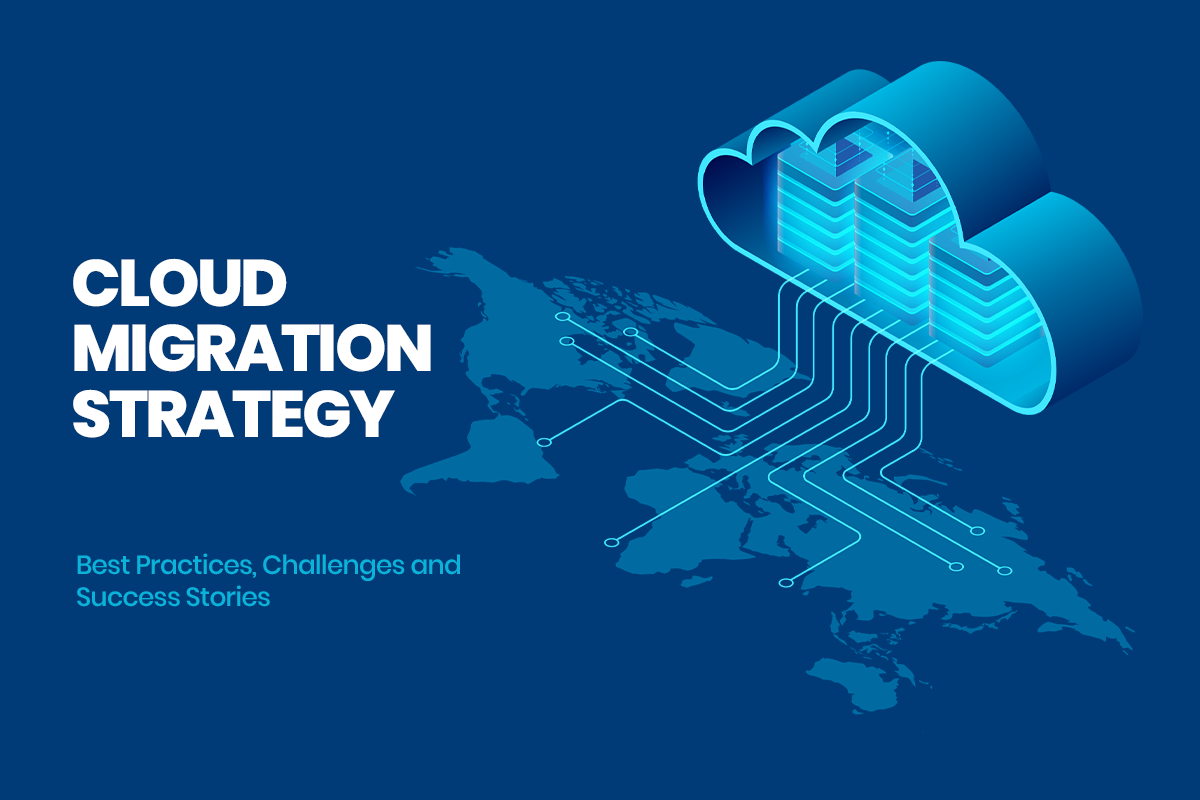
Jan 29, 2025 Software Development, Cloud & Devops 0
Cloud Migration Strategy: Best Practices, Challenges and Success Stories
Explore the 7Rs of a cloud migration strategy—rehosting, redeployment, repackaging, refactoring, repurchasing, retiring, and retaining—to modernize legacy apps. Learn best practices, challenges, and success stories to ensure a seamless transition to the cloud.
Read MoreJan 3, 2025 Software Development 0

Jan 3, 2025 Software Development 0
How ERP ecommerce integration can help scale your business to new heights?
From inventory management to streamlining workflows, ERP ecommerce integration can align every piece of the puzzle smartly so your business can effectively scale up and overcome such disconnected systems and siloed data.
Read MoreDec 19, 2024 Software Development 0
Dec 19, 2024 Software Development 0
Offshoring Vs Outsourcing: A Detailed Comparison and Winning Option in 2026
So, when it comes to Offshoring Vs outsourcing, which one would you prefer? Offshoring involves running a portion of business operations in another country, whereas outsourcing means delegating business processes to another company or vendor. Here, we have a detailed comparison between Offshoring and outsourcing options and evaluate the pros and cons of each option.
Read MoreAug 27, 2024 Software Development 0

Aug 27, 2024 Software Development 0
Future Business Predictions and Trends in Various Industries in 2026
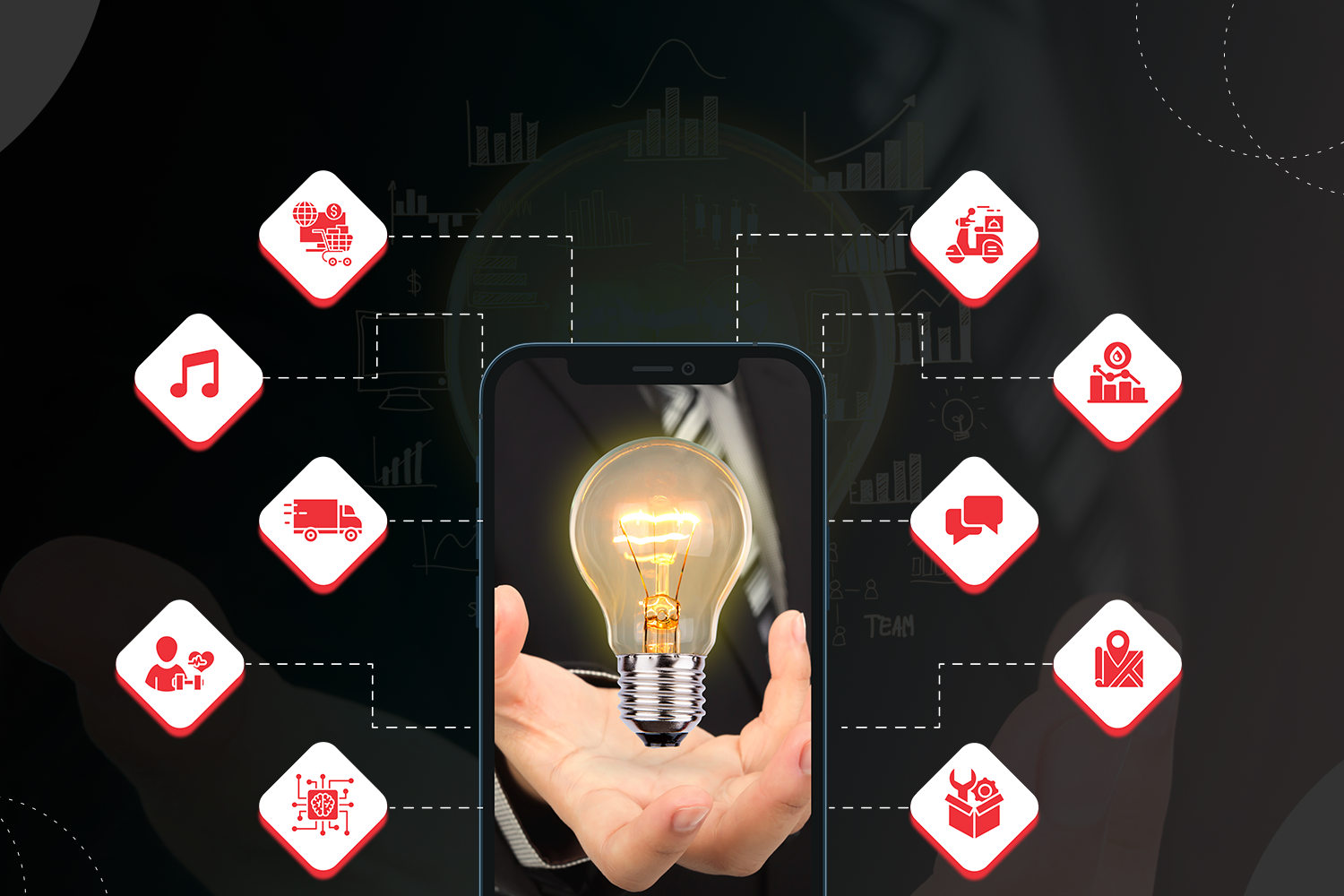
Looking to kickstart your business in 2026 but not sure about future business predictions and trends? From Artificial Intelligence to Machine Learning, Online delivery services to on-demand delivery services in the food industry, healthcare and more are trending in 2026. Here’s a complete blog, that gives you an in-depth idea about how various industries are growing in the future.
Read MoreAug 26, 2024 Software Development 0
Aug 26, 2024 Software Development 0
19+ Fastest-growing technology driven businesses to start in California, NYC, USA in 2026
The tech world is changing at a rapid pace and there are countless opportunities for businesses to kickstart in 2026, but investing in the long-term potential option is quite challenging. Therefore in this blog, we have outlined 17+ top technology-driven businesses to start in California in 2026.
Read MoreJul 30, 2024 Software Development 0
Jul 30, 2024 Software Development 0
9 Ways restaurant technology trends reshaping the industry
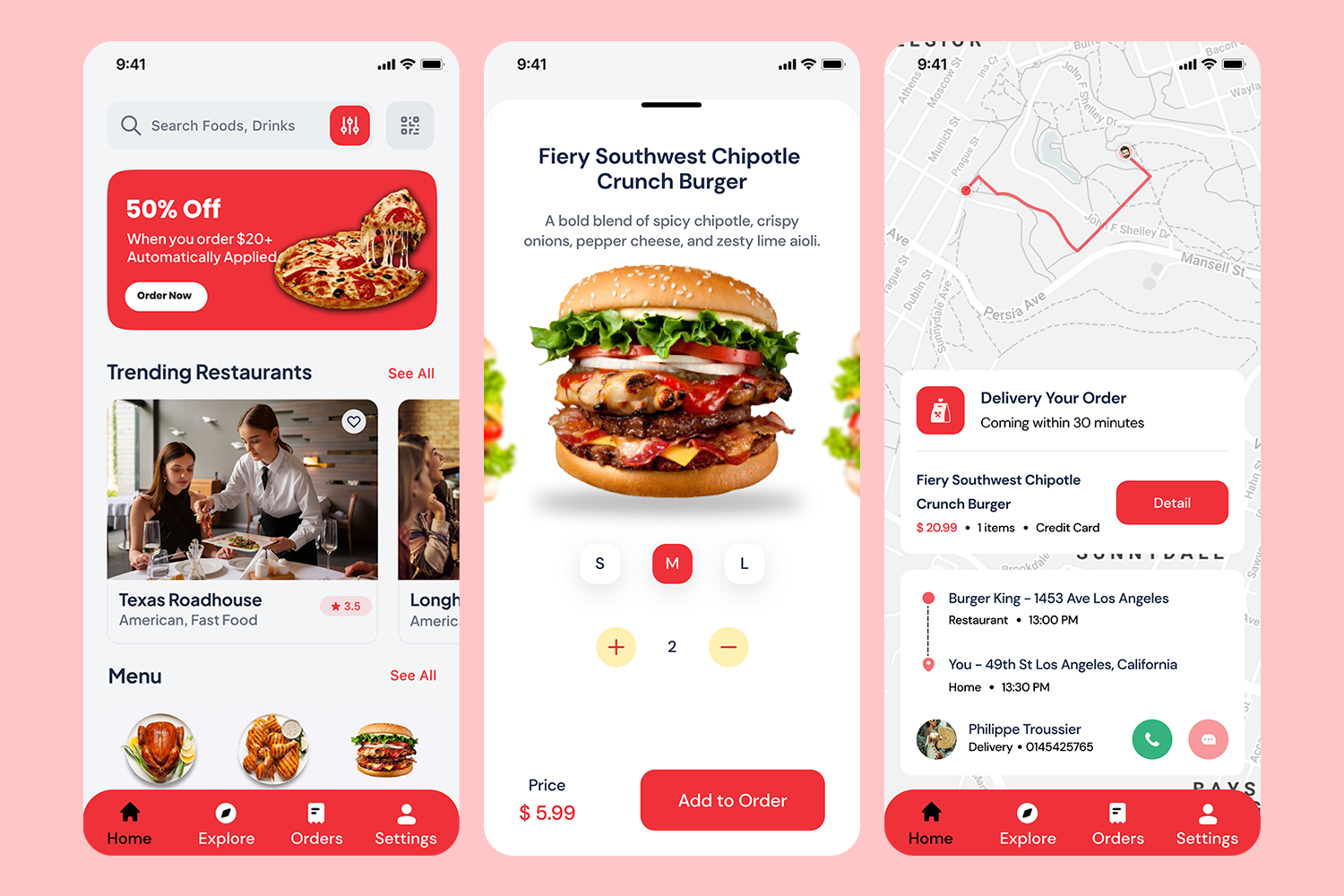
Since the restaurant industry continues to provide convenience through advanced delivery services, new innovative restaurant technology trends are emerging to help the restaurant business stay competitive. But what most significant trend in the restaurant industry is increasing technology integration into various operations? Let's get into the details of this blog to understand top restaurant technology trends and innovations.
Read MoreJul 19, 2024 Software Development 0
Jul 19, 2024 Software Development 0
How to Find the Right Development Partner in San Francisco, USA
Quick Summary: Having a million-dollar app idea in your mind and looking for the software development team to digitally transform it into a robust solution? But wondering where to start your journey? If yes, then consider this blog to know the top tips to find the right development partner in San Francisco, California.
Read MoreMay 3, 2019 Software Development 0
May 3, 2019 Software Development 0
React vs Angular vs Vue.js : Which JavaScript Framework to Choose?
Developers often have to make a choice regarding the JavaScript framework which they can use to develop web applications. The popular frameworks are Angular and React and recently Vue.js has also started to give them a good competition. There are many other frameworks but Angular, React and Vue.js are the leading ones. A lot of developers especially the new ones ask themselves: Which framework should I choose: React or Angular or Vue? Which one is better among these three? Popularity and Market Trends When we see the vital statistics, we find that right now Angular framework is being used in about 4,04,149 websites and React is being used to power over 7,50,775 websites while Vue is being used to build about 1,31,658 websites. This shows that all of these three frameworks have good number of websites built on them although React is leading. In fact, React JS is leading in most countries, including United States, China, Japan, Indonesia and 192 other countries while Angular JS is leading in Taiwan, Russia, Ukraine, Denmark and 15 other countries. According to the 2017 Stackoverflow survey, Angular is loved by 51.7% of developers and React is loved by 66.9% of developers. In the category of popular front-end frameworks React and Angular have an almost the same level of users’ ratio. Vue is still in the beginning but it has the ability to catch up fast. We are still far from the answer of which is best js framework among these three. Angular and React
Read More