×

- 20+ Years in Business
- 350+ IT Experts
- 750+ Enterprise Clients
- CMMi Level 3 Certified
- ISO 9001:2015
- Top 1% on TrustPilot
-
 4.8 on Clutch
Our valued Brands & Agencies
















Our AI voice agent development services for natural, intelligent interactions
Our AI voice agent development services help businesses create intelligent, responsive voice experiences that understand users, maintain context, and respond naturally. We develop solutions designed around your business processes, customer needs, operational goals, and existing technology environment.

Strategy & Use Case Design
We identify where a voice agent actually adds value, whether that's handling inbound support interactions, managing appointment scheduling, or running outbound follow-ups. We define clear success metrics and map out the business case so the project has a defined outcome from day one. This groundwork keeps the build anchored to a specific operational need throughout development.

Conversational Flow Design
We plan out how each conversation should progress, covering the expected paths users take, fallback responses for unclear input, and how the agent handles interruptions mid-sentence. The goal is an exchange that feels natural and easy to follow. We account for tangents, corrections, and repeated questions so the flow holds up under real user behavior across different scenarios.

NLU & Intent Recognition
We build the logic that figures out what a user is actually asking for, pulling out intent and relevant details from spoken language through contextual analysis. This lets the agent handle phrasing variation, incomplete sentences, and indirect requests while accurately responding to what the user meant. This accuracy is what makes an agent genuinely useful in day-to-day interactions across different customer scenarios.

Backend & CRM Integration
Once an interaction moves past conversation, the agent needs access to the same systems your team relies on, whether that is your CRM, scheduling software, or internal databases. This lets it look up account details, check availability, or update records during the interaction, turning a spoken request into an actual system action. The agent completes tasks on the user's behalf, resolving requests without needing a follow-up.

Speech Recognition Integration
We integrate speech-to-text engines that convert spoken input into accurate text as the interaction happens. This includes tuning models for your specific domain vocabulary, regional accents, and background noise conditions common to your use case. Getting recognition accuracy right early prevents downstream errors in intent detection and response, since a misheard word can throw off the entire interaction.

Multi-turn Dialogue Management
Conversations rarely move in a straight line, and a useful agent like ours holds onto what's already been said across the full arc of the interaction. It remembers what the user mentioned earlier, tracking details as the conversation develops. This makes longer interactions manageable, allowing the agent to connect earlier details with later questions, avoid asking for information the user has provided, and respond appropriately.

Voice Synthesis & Persona Development
We build the agent's spoken output, selecting or designing a voice with the right tone, pacing, and personality for your brand. This covers everything from pronunciation of domain-specific terms to natural pauses and inflection, giving responses a genuinely human quality. The persona stays consistent across every interaction, reinforcing how your brand comes across through voice with every customer.

Call Routing & Escalation Logic
Not every interaction belongs entirely to the agent, so we define clear rules for when it handles a conversation on its own versus when it hands off to a human. This includes flagging sensitive situations, frustrated users, or requests outside the agent's scope, and routing them to the right person with context intact. Getting this logic right protects the user experience in situations that call for human judgment.

Testing & Voice Simulation
Before an agent ever handles a live interaction, we put it through realistic voice scenarios, including difficult users, ambiguous requests, and edge cases that don't show up in simple test scripts. This surfaces gaps in understanding or response accuracy while there's still time to fix them. Simulation testing catches the failure points early, well ahead of real users encountering them.

Post-deployment Monitoring & Tuning
Once the agent is live, we track interaction outcomes, transcripts, and points where it struggled or failed. This ongoing review feeds back into tuning the agent's responses and recognition accuracy as real usage surfaces patterns that testing didn't catch. The agent continues to improve throughout its time in production, with ongoing adjustments based on observed interaction patterns, and changes in user expectations.
Industry-specific AI voice agent use cases
We build voice-first solutions that handle spoken customer and employee interactions by phone, automating call handling, appointment booking, status updates, and support conversations for your industry's specific compliance and operational requirements.

Banking & Finance
Account Balance & Statement Calls, Loan EMI Reminder Voice Agents, Fraud Alert Verification Calls, Card Block/Activation Voice Agents, Branch Appointment Booking Calls

Education
Admissions Helpline Voice Agents, Fee Due Reminder Calls, Attendance Alert Voice Agents, Enrollment Support Calls, Parent-Teacher Meeting Scheduling Agents

Healthcare
Appointment Booking Voice Agents, Symptom Intake Calls, Prescription Refill Voice Agents, Discharge Follow-up Calls, Insurance Verification Voice Agents

Retail
Order Status Voice Agents, Store & Stock Inquiry Calls, Return Pickup Voice Agents, Product Availability Calls, Loyalty Program Support Agents

Logistics
Shipment Tracking Voice Agents, Delivery Rescheduling Calls, Driver Check-in Voice Agents, Dispatch Coordination Calls, Freight Booking Voice Agents

Travel & Tourism
Booking Confirmation Calls, Flight Rebooking Voice Agents, Itinerary Change Support Calls, Hotel Reservation Voice Agents, Customer Support Calls

Automotive
Service Appointment Voice Agents, Roadside Assistance Calls, Recall Notification Voice Agents, Test Drive Scheduling Calls, Dealership Inquiry Agents

Real Estate
Property Inquiry Voice Agents, Site Visit Scheduling Calls, Lease Renewal Reminder Voice Agents, Rent Payment Support Calls, Broker Callback Agents

Entertainment
Subscription Support Voice Agents, Event Booking Calls, Ticket Refund Voice Agents, Recommendation Calls, Feedback Collection Voice Agents

Manufacturing
Maintenance Request Voice Agents, Supplier Confirmation Calls, Downtime Reporting Voice Agents, Shift Scheduling Calls, Complaint Intake Voice Agents

Insurance
Claims Filing Voice Agents, Renewal Reminder Calls, Premium Payment Voice Agents, Coverage Inquiry Calls, Claims Status Voice Agents

LET’S BUILD TOGETHER
Deploy AI voice agents built for your customer and business interactions.
At Xicom, we assess your existing processes and design voice agents aligned with your technical environment and business goals, ensuring natural conversations, seamless integration, and sustained growth.
AI Solutions Engineered for Enterprise Scale
150+
AI Engineers & Data Scientists
300+
AI Solutions Delivered
ISO 9001 Certified
NASSCOM & STPI Accreditation
NASSCOM & STPI Accreditation
100+
AI Models in Production
30+
Industries Served
Speech-to-text (STT)
We have expertise in speech-to-text technology that converts spoken language into machine-readable text for real-time processing. We work with recognition architectures built to handle different accents, speaking styles, background noise, and domain-specific terminology, giving the voice agent an accurate representation of what the user actually said.
LLMs & NLU
We have expertise in large language models for interpreting intent, extracting relevant details, and generating contextually appropriate responses. This lets voice agents resolve variations in phrasing, handle incomplete or indirect requests, and manage unpredictable interactions with dynamic reasoning, while keeping business-specific behavior and responses under control.
Text-to-speech (TTS)
We have expertise in text-to-speech technology that converts generated responses into natural-sounding spoken output. We work with voice synthesis capabilities that support appropriate pronunciation, pacing, pauses, emphasis, and intonation, helping voice agents communicate clearly with speech that's easy to follow and consistent.

Audio Signal Processing
We have expertise in audio signal processing technologies that prepare spoken audio for accurate recognition and reliable transmission. This includes reducing unwanted noise, managing audio quality, detecting speech characteristics, and processing incoming signals, helping maintain recognition quality across inconsistent acoustic conditions.

Real-time Streaming Technology
We have expertise in real-time streaming technologies that allow audio and conversational data to move continuously between users and voice agents, minimizing delays and supporting natural turn-taking. We design streaming architectures that process speech progressively rather than waiting for complete exchanges, keeping responses fast for conversational continuity.
Conversational State Management
We have expertise in conversational state management technology for maintaining information across multiple exchanges. It lets voice agents track previous statements, active requests, unresolved details, and shifts in direction, so the agent interprets new inputs in context, avoids repetition, and responds based on what's already been established.

Voice Activity Detection & Turn-taking
We have expertise in voice activity detection technology that determines when a person starts and stops speaking, and manages the timing of when the agent should listen versus respond. This lets agents distinguish speech from silence and background noise while identifying the right moments for natural interruption handling during live voice interactions.
Dialogue Orchestration
We have expertise in dialogue orchestration technology that governs how a conversation moves between stages, tasks, or sub-flows during an interaction. It coordinates when to gather information, when to trigger an action, and when to hand control elsewhere in the system, keeping multi-step conversations structured and coherent.

Telephony Communication Protocols
We have expertise in telephony communication technologies that enable voice agents to communicate through telephone networks and voice infrastructure. This includes the protocols and signaling mechanisms responsible for establishing, maintaining, transferring, and terminating voice sessions, allowing agents to participate reliably in inbound and outbound calls.

API & Event-driven Architecture
We have expertise in API and event-driven architecture technologies that let voice agents communicate with business applications and respond to system events. These technologies enable conversational requests to trigger actions, retrieve information, and update connected systems, turning voice interaction into an operational interface within enterprise workflows.
Case studies showcasing the value delivered to clients through our solutions.
Explore how we partner with clients across industries to deliver tailored AI solutions that improve efficiency, enhance customer experiences, reduce costs, and drive long-term value.
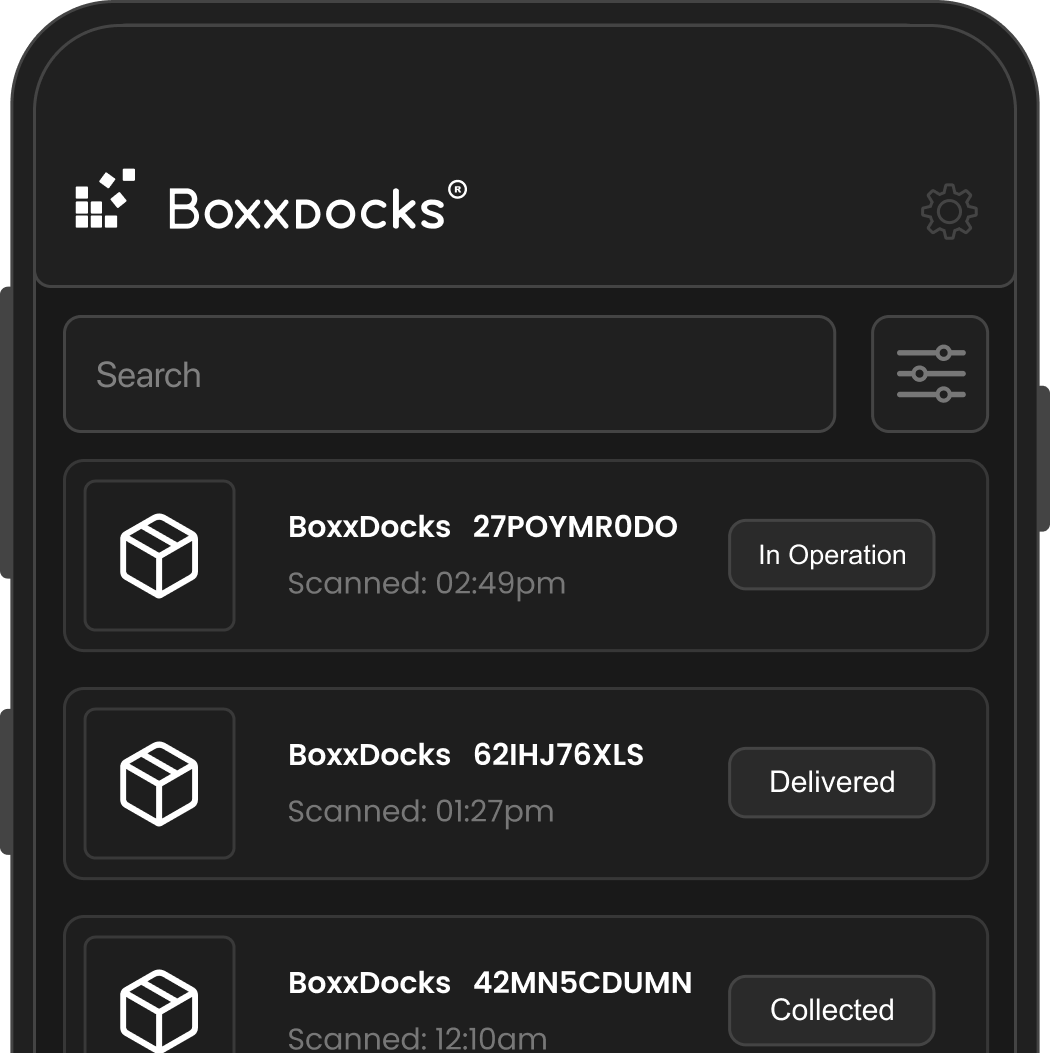
BoxxDocks AI Asset Tracking Platform
The Challenge
Asset tracking was manual, error-prone, and scattered across disconnected systems. The client had no centralized visibility into asset movement, no real-time location data, and no way to generate instant reports across multiple enterprise clients from a single platform.
Our Approach
We built BoxxDocks as an AI-enabled asset lifecycle platform using QR/NFC scanning, real-time dashboards, geolocation tracking, and a RAG-powered conversational engine that lets users query live operational data in plain English instead of navigating dashboards.
The Result
- Real-time inventory tracking across warehouses, transit, and delivery
- AI query engine for natural language insights
- LLM-powered reporting with anomaly detection
- Complete audit trail with location, timestamp, and status
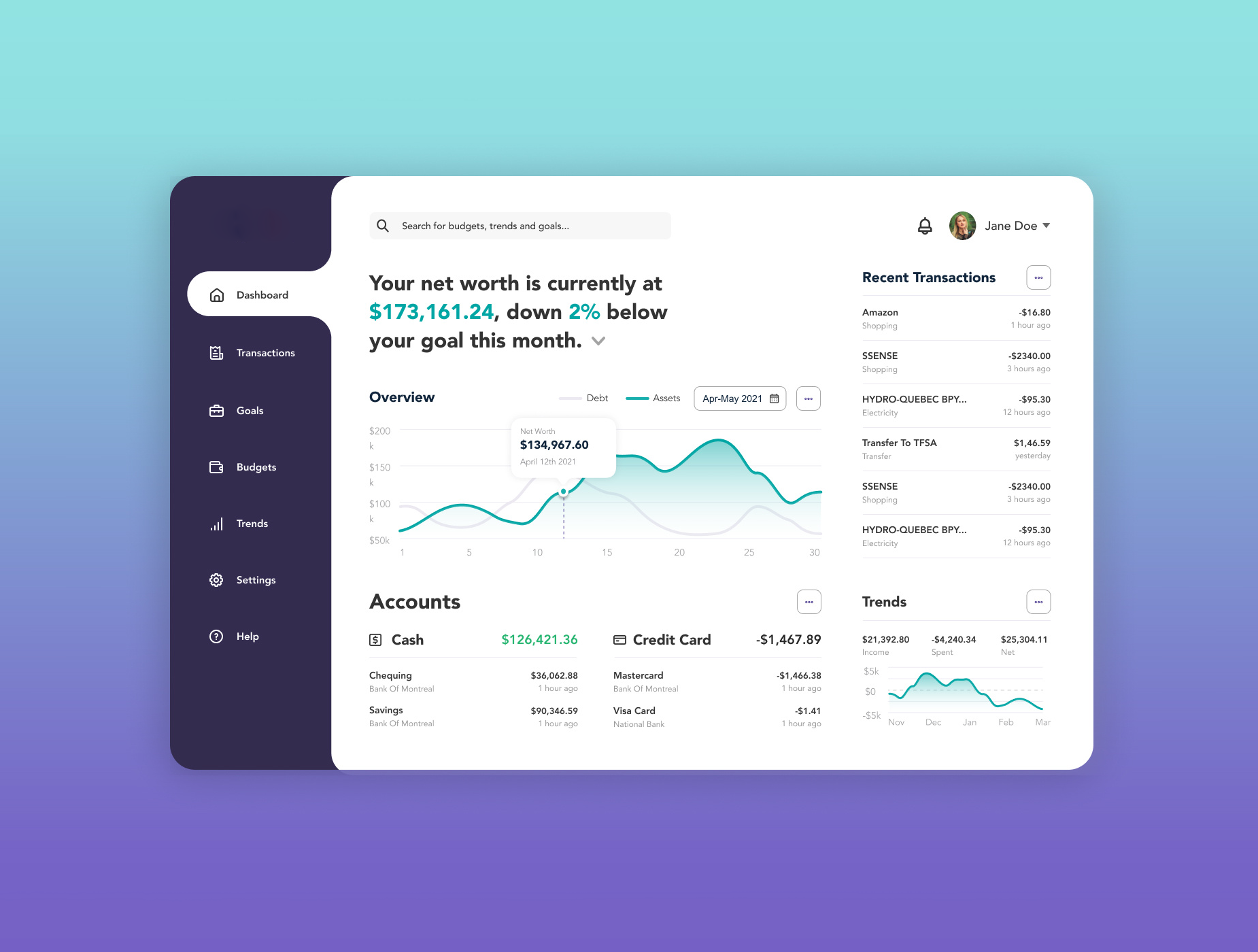
Parity AI AI Finance Platform
The Challenge
Personalized financial advice was expensive and limited to periodic meetings. Users had no way to consolidate banking, investments, debt, and insurance into one platform with real-time, AI-driven guidance.
Our Approach
We built Parity AI as an always-on financial wellness platform powered by AI. It securely pulls data from multiple sources, analyzes user behavior, forecasts outcomes, and delivers personalized recommendations — acting as a digital financial advisor, not a budgeting app.
The Result
- AI-powered financial planning across banking, investments, and debt
- Personalized recommendations based on life events and behavior
- Integrated financial education with actionable insights
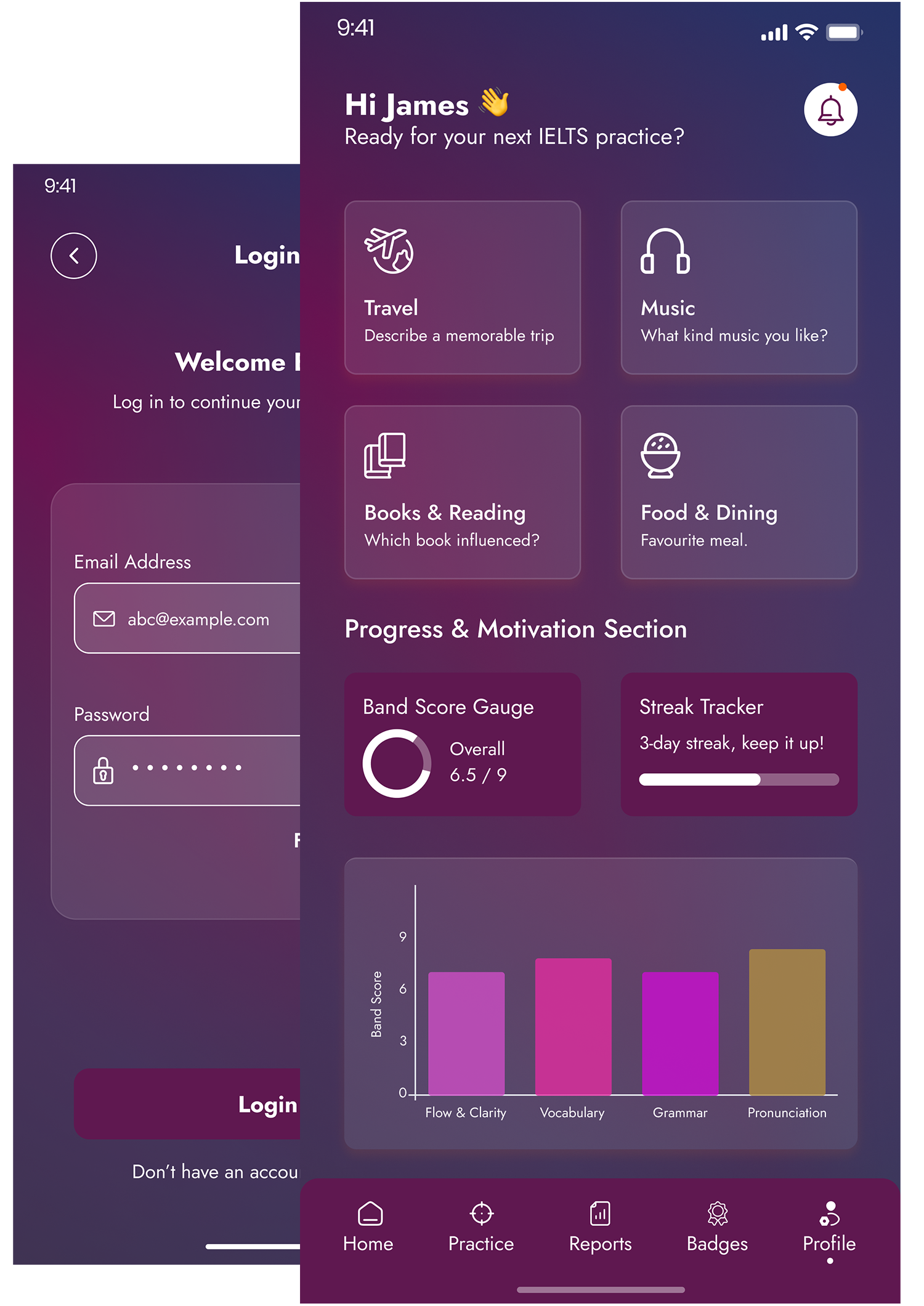
IELTS AI-Powered Speaking Evaluator
The Challenge
Human IELTS tutors cost $30-$80/hour with limited availability. Generic speaking apps lack authentic Part 1/2/3 exam structure, pronunciation feedback, and band-aligned scoring rubrics. Learners had no way to get unlimited, exam-authentic practice at scale.
Our Approach
We built a full-stack AI platform with a lifelike AI Avatar Examiner using LangGraph + Gemini conversation engine, Google Cloud TTS with viseme lip-sync, Faster-Whisper ASR, and a 6-layer IELTS evaluation pipeline scoring all 4 criteria with ±0.5-1.0 band accuracy.
The Result
- 1,000+ concurrent users with 2–3s response latency
- 10x lower cost than human examiners
- 6-service AI microservice with model preloading
- No-code admin panel for rapid content updates
Health E Livin AI Wellness Platform
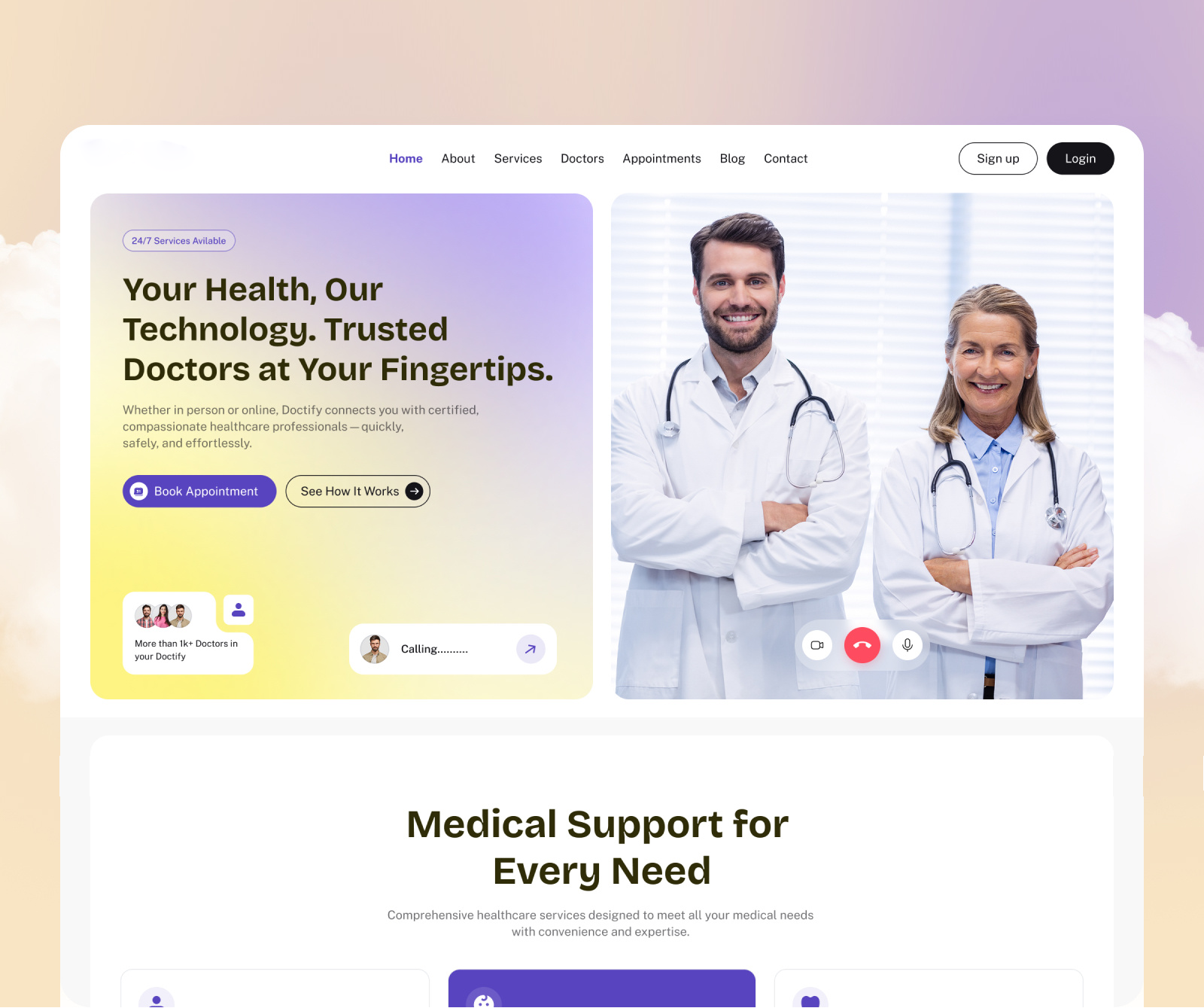
The Challenge
People struggling with mental health had no single platform to access trusted information, take confidential assessments, and find providers — all without stigma or privacy concerns.
Our Approach
We built HealtheLivin as an AI-powered mental wellness app with a conversational AI assistant, anonymous screenings, evidence-based resource library, and geolocation-based provider discovery — all on privacy-first cloud infrastructure.
The Result
- AI knowledgebase for natural language mental health support
- Confidential assessments with personalized wellness insights
- Location-based provider discovery for professional care
- Privacy-first architecture with encrypted data management
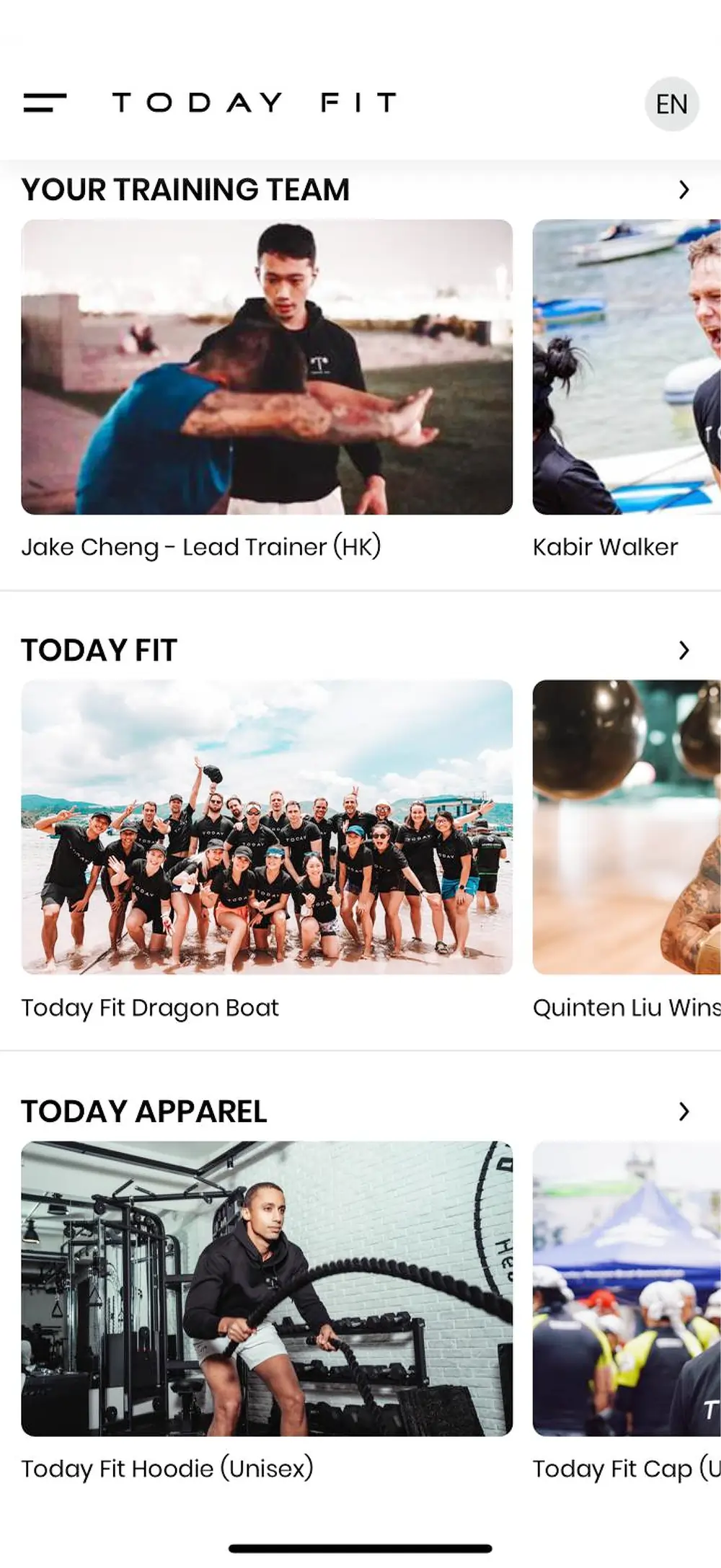
Today Fit Fitness App
The Challenge
Gyms, trainers, and users were stuck with disconnected tools for scheduling, payments, and fitness tracking. There was no single platform that combined personalized fitness with business management.
Our Approach
We developed TodayFit as an AI-driven fitness platform with trainer booking, personalized tracking, community features, and a SaaS layer for gym and trainer business management.
The Result
- 30% increase in user engagement
- 4.7+ average rating on the App Store and Play Store
- 60% growth in trainer bookings
- 45% increase in subscription conversions
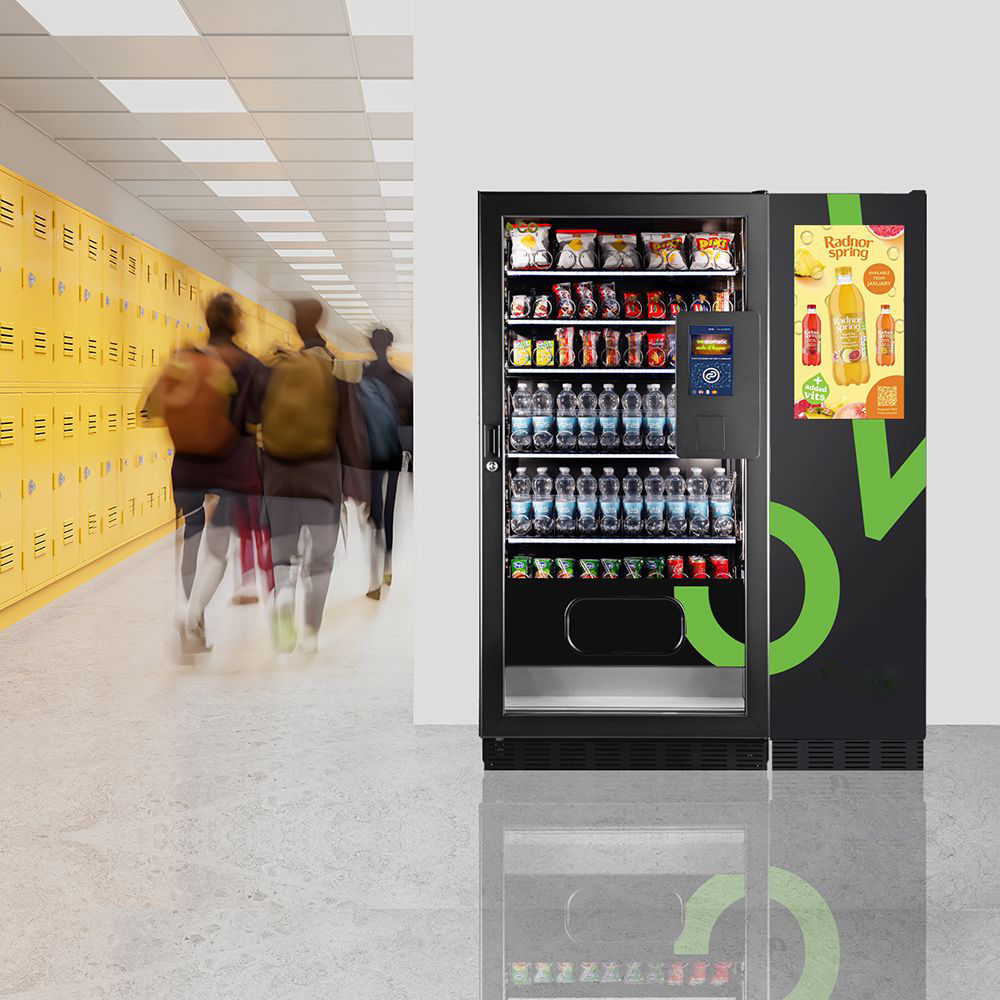
SmartVend AI Smart Vending Platform
The Challenge
Managing a distributed vending machine network meant manual inventory tracking, disconnected payment systems, no remote management capability, and zero real-time visibility into machine health or sales performance across locations.
Our Approach
We built SmartVend as a cloud-connected IoT platform combining an Android kiosk app, centralized web portal, real-time inventory sync, hardware integration for payments and dispensing, and a digital advertising layer — all managed from a single dashboard.
The Result
- Real-time inventory sync with low-stock alerts
- Remote machine management across unlimited locations
- IoT integration for payments, dispensing, and monitoring
- Centralized sales analytics and revenue reporting
Building AI voice agents with proven frameworks and tools
Our AI engineers work across speech recognition engines, voice synthesis platforms, conversational AI frameworks, telephony systems, and cloud platforms, selecting the right stack to build voice agents that sound natural, respond in real time, and scale reliably.
 Python
 Node.js
 Java
Java C++
C++ TypeScript
 Deepgram
 AssemblyAI
 Google Speech-to-Text
 Whisper
 Azure Speech Services
 ElevenLabs
 Amazon Polly
 PlayHT
 Azure Neural TTS
 LangGraph
 Vapi
Vapi Retell AI
 LangChain
 OpenAI Agents SDK
 Twilio
  WebRTC
 Vonage
  Plivo
Plivo AWS (Bedrock)
 Azure
Azure Vertex AI
 Genesys Cloud
 NVIDIA Riva
Business-first Approach
We approach voice agent development from the business problem outward, rather than starting with technology. We understand the interaction you want to improve, the users involved, and the outcomes that matter before shaping the solution. This keeps the voice experience focused on practical value instead of adding automation where it does not belong.

Designed for Real-world Unpredictability
Real conversations are unpredictable, and we build with that reality in mind. Our approach accounts for interruptions, incomplete responses, changes in direction, repeated questions, and unexpected inputs. The result is a voice agent that can adapt as conversations unfold rather than relying on rigid, predefined exchanges that break when users deviate from the expected path.

Works Across Your Technology Environment
We build voice agents with your existing technology landscape in consideration, connecting the conversational layer with the systems and workflows already supporting your business. This allows voice interactions to trigger meaningful actions, retrieve relevant information, and work alongside your current applications without forcing you to rebuild the underlying technology.

Consistent Brand Voice
A voice agent represents your business every time someone interacts with it, so its communication needs to feel aligned with your brand. We shape the agent's conversational behavior, tone, and responses around how you want customers to experience your business, creating interactions that feel consistent rather than like a generic automated system.

Built to Improve After Launch
Voice agents encounter situations in production that cannot all be predicted during development. We use real interaction data, patterns, and observed difficulties to identify where the experience can be refined. This allows the agent to evolve as usage grows, instead of treating deployment as the point where development and improvement come to an end.

Focused on Practical Deployment
We consider the operational realities surrounding a voice agent, including how it fits into existing workflows, when it should act independently, and when human involvement is necessary. This helps create a solution that is not simply capable of holding conversations, but can function reliably within the processes your teams and customers already depend on.

Reduce Interaction Friction
AI voice agents give customers and employees a direct way to complete tasks without navigating menus, forms, or multiple screens. They can handle requests such as checking information, scheduling appointments, or retrieving records through natural conversation, making everyday interactions quicker while reducing the overall effort required.

Extend Service Availability
Enterprises can use voice agents to provide assistance outside standard operating hours without requiring teams to remain continuously available. They can respond to common requests, capture information, guide users through processes, and initiate follow-up actions at any time. This allows human teams to focus on interactions requiring judgment.

Handle High Interaction Volumes
When demand rises suddenly, enterprises often face a difficult choice between longer wait times and rapidly increasing staffing requirements. Voice agents can absorb repetitive interactions and manage multiple conversations without adding equivalent operational capacity. This gives organizations greater flexibility during seasonal peaks, campaigns, and service disruptions.

Simplify System Access
Voice agents can act as a conversational layer over existing enterprise systems, allowing users to retrieve information or initiate actions without learning how those systems work. Instead of navigating several applications, employees or customers can simply state what they need. The agent interprets the request, and returns information through a natural interaction.

Capture Data Automatically
Voice interactions can generate useful operational data without requiring users or employees to document every detail separately. Agents can capture relevant information, identify intent, record outcomes, and pass structured data into connected systems. This reduces manual entry and creates a more consistent flow of information between conversations and processes.

Support Employees Better
Voice agents are increasingly useful beyond customer-facing scenarios, particularly where employees spend significant time answering repetitive questions or performing simple system actions. They can provide information, retrieve records, initiate routine workflows, or assist teams during active work, giving employees a conversational interface for common tasks.
Our end-to-end AI voice agent development process
We follow a comprehensive development process that covers every stage from initial planning and conversation design to development, testing, deployment, and ongoing refinement, ensuring each voice agent is aligned with business requirements, user expectations, technical environments, and long-term operational goals.
1
Discovery
We identify business goals, user needs, interaction scenarios, technical requirements, and measurable outcomes to establish the agent’s direction.
2
Design
Conversation paths, responses, interruptions, fallback scenarios, and user journeys are mapped to create natural, flexible interactions.
3
Development
The voice agent is built and connected with enterprise systems, databases, APIs, workflows, and relevant business processes.
4
Testing
We test realistic interactions to uncover weaknesses and refine recognition, responses, context handling, interruptions, accuracy, and overall performance.
5
Deployment
Following launch, real-world interactions are monitored to identify performance patterns, address emerging issues, and continuously improve the agent’s capabilities.
Our engagement models for AI voice agent development services
We offer flexible engagement models for building voice agents, fixed-price for one scoped deployment, or pay-as-you-go while you figure out how many use cases you actually need, matched to your actual need, not a generic package.

Fixed Price Model
Best for well-defined voice agent projects, this model ensures clear scope, budget predictability, and timely delivery without surprises.
- Upfront agreed cost and project scope
- Milestone-based progress tracking
- No hidden charges or overheads
- Reliable delivery timelines and outcomes
Most Popular

Dedicated Teams Model
Ideal for businesses seeking long-term voice agent development, this model provides a dedicated team of AI engineers working exclusively on your voice agent systems.
- Full control over team structure and workflows
- Highly scalable and cost-effective
- Direct communication with developers
- Increased focus and faster turnaround

Time & Material Model
Perfect for voice agent projects with dynamic requirements, this model offers agility, cost control, and adaptability to continuous innovation.
- Flexible billing based on actual efforts
- Adjust resources and scope anytime
- Ideal for iterative and evolving projects
- Faster implementation and continuous optimization
Client testimonials and reviews showcasing the value we consistently deliver
Explore how our clients describe their journey with us, reflecting strong collaboration, effective execution, and consistent outcomes delivered across engagements. See how our delivery framework ensures consistency from initiation through to successful completion.
❝
Parity AI
We came to Xicom with an ambitious goal: make institutional-grade financial planning accessible to everyone through AI. Xicom went beyond the brief, blending conversational AI and predictive analytics into an effortless platform. Parity AI is exactly what we envisioned.

❝
RadioFX
Xicom took the time to understand what our stations and listeners actually need, building something tailored rather than generic. Live chat and polls are now core to how we connect with our audience — the app has become a true extension of our on-air presence.


❝
StudyBuddy
Xicom built exactly what our students needed: a secure space to connect, collaborate, and find tutoring support in one place. Their understanding of student behavior shows in how naturally everything fits together — StudyBuddy is something students genuinely rely on.

❝
BoxxDocks
Xicom helped us bring BoxxDocks to life exactly as we envisioned it. Their team understood the complexity of AI powered real-time asset tracking and delivered a platform that's both powerful and genuinely easy to use.


❝
TodayFit
We are very happy with their services. I cannot recommend them highly enough. The value, ability, and delivery that we have seen has been superb, and we look forward to continuing this relationship.


❝
SmartVend AI
Their team built SmartVend from the ground up, combining hardware integration, real-time inventory sync, and a centralized dashboard that completely changed how we operate. We couldn't have asked for a more capable technical partner.

❝
Tap Retail
Partnering with Xicom to develop our Tap Retail app and website was one of the best decisions we made. Their team demonstrated exceptional professionalism, technical expertise, and a deep understanding of our business goals.


❝
GoGmGo
Partnering with Xicom was a game-changer for us. They didn't just build software, they helped us redefine how we run our business. Their proactive support and deep domain knowledge gave us the confidence to innovate faster.

❝
DENVEN
Working with Xicom has been a transformative experience. Their team quickly understood our challenges and delivered a scalable, intuitive solution. I highly recommend Xicom to any organization seeking future-ready, high-performance digital products.

Top tech insights of our blog
Explore latest tech stories & News
✦ AI-First Company
Deep Insights into Emerging Technology and Innovation!
Stay ahead in the digital world with our latest insights covering AI trends, industry developments, and expert advice on building smarter businesses.
1800+
Projects
20+
Years Experience
Frequently asked questions
What is an AI voice agent?
An AI voice agent is a software system that understands spoken language, processes intent using natural language understanding, and responds through synthesized speech in real time. It can hold multi-turn conversations, access business systems, and complete tasks like scheduling, order tracking, or support resolution without human intervention.
How is an AI voice agent different from a chatbot or IVR system?
Traditional IVR systems rely on fixed menus and keypad inputs, while chatbots handle text-based conversations. AI voice agents process natural spoken language, understand context and intent even with incomplete or indirect phrasing, and respond conversationally, making interactions faster and less rigid than menu-driven systems.
How long does it take to build an AI voice agent?
Development timelines depend on the complexity of use cases, the number of system integrations required, and the depth of conversational flows. A single, well-scoped use case typically moves faster than a voice agent that needs to handle multiple departments or complex backend workflows. For a breakdown of the actual build stages, see our guide on how to build an AI voice agent.
Can an AI voice agent integrate with our CRM and existing systems?
Yes. AI voice agents can connect with CRM platforms, scheduling software, ticketing systems, and internal databases through APIs, allowing the agent to look up records, update information, and trigger actions during a live conversation instead of just holding a conversation.
Which languages and accents can an AI voice agent support?
Support depends on the speech recognition and text-to-speech models used during development. Voice agents can be tuned for specific accents, regional dialects, and domain vocabulary relevant to your industry and customer base, improving recognition accuracy for your actual users.
What happens when a voice agent cannot resolve a customer request?
Voice agents are built with escalation logic that detects when a conversation falls outside its scope, involves a frustrated user, or requires human judgment. In these cases, the agent hands off the interaction to a live agent with conversation context intact, so the customer does not need to repeat themselves.
Is an AI voice agent secure for handling sensitive information like banking or healthcare data?
Voice agents can be built with compliance requirements in mind, including data encryption, access controls, and industry-specific regulations relevant to sectors like banking, healthcare, and insurance. Security measures depend on how the agent is architected and which systems it connects to.
How much does it cost to develop an AI voice agent?
Cost varies based on the number of use cases, integration complexity, conversational design depth, and ongoing tuning requirements. Fixed-price, dedicated team, and time-and-material engagement models are available depending on project scope and timeline.
Can an AI voice agent handle outbound calls, not just inbound support?
Yes. Voice agents can be built for outbound use cases such as appointment reminders, payment follow-ups, delivery updates, and proactive customer outreach, in addition to handling inbound support and service requests.
How do you ensure a voice agent sounds natural and not robotic?
Natural-sounding output depends on voice synthesis quality, pacing, pronunciation tuning for domain-specific terms, and conversational flow design that accounts for interruptions, pauses, and how people actually speak rather than scripted exchanges.
Every award marks a milestone in our journey of excellence
As AI-first digital engineering company, Xicom has earned global recognition for delivering innovative, scalable, and high-performing technology solutions. Our awards reflect the trust of clients and industry leaders alike.