×

- 20+ Years in Business
- 350+ IT Experts
- 750+ Enterprise Clients
- CMMi Level 3 Certified
- ISO 9001:2015
- Top 1% on TrustPilot
-
 4.8 on Clutch
Our valued Brands & Agencies
















Build your AI team with our specialists across every core discipline
Our AI staff augmentation services give you skilled technology professionals who integrate directly into your existing team, scaling capacity up or down as projects demand. You keep full control while we handle sourcing, vetting, and ongoing support.
Hire AI/ML Engineers
Our machine learning engineers integrate into your team and own a model end to end. They cover feature engineering, model training, validation on held-out data, and deployment into your cloud environment, with each model documented for handover. Models are optimized around the metric your use case depends on and monitored once they are live. Every experiment is tracked and versioned, so any result can be reproduced and explained to stakeholders later.
WHAT’S INCLUDED
- Model development and training
- Feature engineering and dataset prep
- Hyperparameter tuning and cross-validation
- Deployment to cloud or on-prem GPUs
- Accuracy monitoring and retraining
Hire Generative AI & LLM Engineers
Our LLM engineers work across leading proprietary and open-weight language models. They build retrieval-augmented assistants, internal copilots grounded in your documents, and agents that act across your systems. Fine-tuning is applied where a base model falls short, a vector database handles retrieval over your own content, and guardrails cover prompt injection and data leakage. Quality is judged on retrieval accuracy, response latency, and token cost.
WHAT’S INCLUDED
- Fine-tuning and parameter-efficient adaptation
- Retrieval-augmented generation (RAG)
- Copilot and assistant development
- Prompt-injection and data-leakage guardrails
- Token-cost and latency optimization
Hire Data Scientists
Our data scientists translate business problems into models that hold up in production. They run exploratory analysis, choose the right statistical method for the question, and build forecasting, classification, and recommendation systems. Each model is validated on data it has never seen, so reported accuracy reflects real-world performance. Findings reach stakeholders as a clear decision they can act on, backed by the evidence behind every figure.
WHAT’S INCLUDED
- Exploratory analysis and hypothesis testing
- Predictive and forecasting models
- Recommendation and ranking systems
- Experiment design and A/B testing
- Reporting and data visualization
Hire Data Engineers
Our data engineers build and own the pipelines that supply every downstream system. They move data from ingestion and transformation into the warehouse or lakehouse your analysts and models depend on. Orchestration, transformation, and quality checks run on a modern stack, with schema contracts enforced and malformed records caught before they reach a report. Streaming and batch are both available; the choice follows how fresh the data must be downstream.
WHAT’S INCLUDED
- Ingestion and ETL/ELT pipelines
- Warehouse and lakehouse design
- Real-time streaming pipelines
- Schema enforcement and data-quality checks
- Access control and pipeline observability
Hire MLOps Engineers
Our MLOps engineers take models from the notebook to a dependable, observable production service. Deployment, monitoring, and retraining run through automated CI/CD pipelines with full version control. Drift detection surfaces degradation early, rollback paths cover a faulty release, and every deployment is logged and traceable end to end. The result is fewer outages, faster recovery, and data scientists who stay focused on the models themselves.
WHAT’S INCLUDED
- CI/CD pipelines for models
- Containerized deployment and scaling
- Model and data drift detection
- Automated retraining and rollback
- Cost and GPU optimization
Hire Computer Vision Experts
Our computer vision engineers build production systems for visual data. They handle object detection, image classification, OCR, and real-time defect inspection on production lines. Models are trained on annotated datasets, then tuned detection and segmentation networks among them to your specific cameras and lighting. Because a model rarely transfers cleanly between sites, each deployment is calibrated to the cameras and conditions where it runs.
WHAT’S INCLUDED
- Object detection and image classification
- Optical character recognition
- Real-time video analytics
- Defect detection and visual inspection
- Segmentation and visual search
Hire NLP Engineers
Our NLP engineers convert unstructured text contracts, support tickets, transcripts into structured, queryable data. They build classification, named-entity recognition, sentiment analysis, and summarization on transformer-based architectures. Where general models miss your domain language, they fine-tune on your own corpus. Every system is benchmarked against a labeled set before release, so its accuracy is a measured figure you can rely on.
WHAT’S INCLUDED
- Text classification and topic modeling
- Entity and relation extraction
- Sentiment and intent analysis
- Summarization and semantic search
- Domain-specific fine-tuning
Hire AI Solution Architects
Our solution architects design the systems that turn an AI concept into something deployable. They translate business goals into technical specifications, weigh managed services against self-hosted infrastructure, and resolve security, latency, and cost before production code is written. The architecture is built to scale with the company as it grows over time. Every trade-off is recorded, so later teams inherit the reasoning behind each decision.
WHAT’S INCLUDED
- System architecture and design review
- Build-versus-buy and service selection
- Security and compliance planning
- Scalability, latency, and cost modeling
- Integration strategy and delivery oversight
Hire Prompt Engineers
Our prompt engineers make generative features behave reliably under real use. They version prompts, build evaluation sets, and run controlled comparisons that reduce hallucination and hold outputs to your brand voice and policy constraints. Agent workflows are broken into discrete steps that can be tested in isolation, and each change is scored against the set before release. Only a version that outperforms the previous one reaches your end users.
WHAT’S INCLUDED
- Prompt design, versioning, and testing
- Evaluation-set construction and scoring
- Multi-step agent and tool-use workflows
- Hallucination reduction and guardrails
- Brand-voice and policy alignment
Hire AI Product Managers
Our AI product managers connect technical capability to measurable product outcomes. They define the roadmap, weigh each feature against its build cost, and keep data scientists, engineers, and stakeholders aligned on a shared set of priorities. Scope is controlled deliberately, and difficult trade-offs are resolved early, before a launch forces them. Every release is measured against a success metric defined with stakeholders before work begins.
WHAT’S INCLUDED
- Roadmap and feature prioritization
- Requirement gathering and scoping
- Cross-functional coordination
- Risk assessment and stakeholder alignment
- Release planning and success metrics
What AI development services can our AI experts deliver?
Our AI staff augmentation services give you access to experienced AI specialists with expertise across a broad range of AI development areas, enabling faster delivery and seamless integration with your existing team.

AI/ML Strategy Consulting
We help businesses identify AI opportunities, assess process inefficiencies, and build implementation roadmaps, guiding clients through model selection, data readiness, and regulatory compliance for sustainable adoption.

PoC and MVP Development
We build AI prototypes and MVPs that validate technical feasibility and model performance early, helping teams make informed decisions while reducing investment risk before scaling.
Custom AI Solution Development
We build custom AI systems trained on your proprietary data, tailored to your operations and governance standards, delivering higher accuracy and a sustained efficiency advantage.
AI Integration
We integrate AI directly into ERPs, CRMs, and enterprise systems without disrupting operations, aligning with your data landscape, compliance requirements, and security policies throughout.

AI Agent and Multi-agent Development
We build autonomous AI agents capable of reasoning, planning, and executing tasks using external tools, including multi-agent systems where specialized agents collaborate toward shared goals.
Enterprise AI Development
We build adaptable, secure enterprise AI systems that modernize legacy workflows, strengthen operational intelligence, and integrate seamlessly with existing infrastructure while scaling alongside your business.
Generative AI Solution Development
We build generative AI solutions using leading large language models, grounded in RAG, advanced prompting, and knowledge bases for contextual accuracy across document and knowledge use cases.
AIoT Solution Development
We build AIoT solutions connecting AI with IoT systems, enabling intelligent edge processing, real-time sensor data collection, and automated decision-making across secure, scalable architectures.

AI App/Software Development
We build intelligent, production-ready AI applications using scalable architectures and proven engineering practices, embedding intelligence into core business functions including interaction and decision support.
AI Chatbot Development
We build conversational AI chatbots using NLP and machine learning for websites, apps, and platforms, supporting lead qualification, sales assistance, and customer support functions.
Data Engineering
We build robust data foundations through pipelines, vector databases, and semantic layers, covering ingestion, cleansing, transformation, and governance to ground AI solutions in reliable data.
Our AI staff augmentation services strengthen teams across industries
From healthcare to finance, our AI experts understand the data, regulations, and pressures unique to each sector. They integrate into your team and build solutions shaped around how your industry actually works.







Legal
Contract Analysis, Legal Research Automation, Clause Extraction, Document Review, Compliance Intelligence

LET’S BUILD TOGETHER
Strengthen your AI team with our staff augmentation expertise.
At Xicom, we integrate vetted AI specialists into your existing team, aligned with your project requirements and technical goals, ensuring faster delivery and sustained growth.
AI Solutions Engineered for Enterprise Scale
150+
AI Engineers & Data Scientists
300+
AI Solutions Delivered
ISO 9001 Certified
NASSCOM & STPI Accreditation
NASSCOM & STPI Accreditation
100+
AI Models in Production
30+
Industries Served
Machine Learning
Our machine learning experts use proven algorithms and frameworks to solve real business problems. They apply machine learning to your data for prediction, classification, and segmentation, handling the work from data preparation through to a deployed, working solution. Each result is tuned to the metric your use case depends on and monitored once live.
Deep Learning
Deep learning powers the hardest problems in modern AI, from vision to language to audio. Our experts put it to work in your products, using established models and frameworks to deliver capabilities that simpler methods cannot reach. The outcome is dependable performance on complex tasks, delivered by people who work with these techniques every day.

Generative AI
Generative AI produces text, images, and code from a simple prompt. Our experts use today's leading models to build solutions for your use case, grounding them in your own content and adding guardrails for safety and accuracy. The result is assistants and tools that give your teams and customers useful, on-brand output they rely on every single day.
Natural Language Processing
Our natural language processing experts build solutions that read, interpret, and respond to human language. Using established models, they deliver classification, entity extraction, sentiment analysis, and summarization that turn unstructured text into usable data. Where your domain language is specialized, the system is adapted to your own material.

Computer Vision
Computer vision lets software interpret images and video. Our experts use it to build solutions for object detection, classification, and inspection, adapted to your visual data so they perform in your real conditions. These run in real time on the factory floor or in the field, calibrated to the cameras and lighting already in place on site today.
Reinforcement Learning
Reinforcement learning suits problems where decisions play out in sequence and depend on a changing environment. Our experts apply it to scheduling, routing, and resource allocation, shaping the reward signals that steer a solution toward the outcomes you care about. They bring sound judgment on where the approach fits and how to make it dependable.
Speech & Audio AI
Our speech and audio AI experts build voice and audio features that recognize, transcribe, and generate human speech. Using established models, they deliver transcription, voice interfaces, and audio classification that hold up across accents and noisy conditions, tuned to your vocabulary. The result is spoken interaction that feels natural and dependable.
Neural Networks
Neural networks are the engine behind most modern AI. Our experts put them to work in your solutions, using proven architectures and frameworks to deliver capabilities across images, sequences, and structured data. Every implementation is engineered to balance accuracy, speed, and running cost, and tested thoroughly before it goes live in production.

Transformers
Transformers are the architecture behind today's most capable language and multimodal models. Our experts use them to build solutions across text, vision, and audio, adapting and serving leading models for your specific tasks. They know how to get strong, reliable performance from these models and keep it stable under real production load over time.

Knowledge Graphs
Knowledge graphs connect your data into a web of entities and relationships that software can reason over. Our experts design and build them to power search, recommendations, and question answering that stays grounded in your facts. The result is a structured, connected view of your domain that people and AI systems can query with speed and confidence.

Edge AI
Edge AI runs models directly on devices, close to where data is created. Our experts use it to deliver solutions that operate within tight limits on power, memory, and latency, from cameras and sensors to mobile and embedded hardware. Intelligence reaches the field even without a constant connection, keeping responses fast and sensitive data on site.
MLOps
Our MLOps experts turn working AI into dependable production systems. They automate deployment, monitoring, and retraining, with full version control and traceability built into every step. Drift and degradation are caught early, releases roll back cleanly when needed, and your solution stays accurate and reliable long after it first reaches production.
Case studies showcasing the value delivered to clients through our solutions.
Explore how we partner with clients across industries to deliver tailored AI solutions that improve efficiency, enhance customer experiences, reduce costs, and drive long-term value.
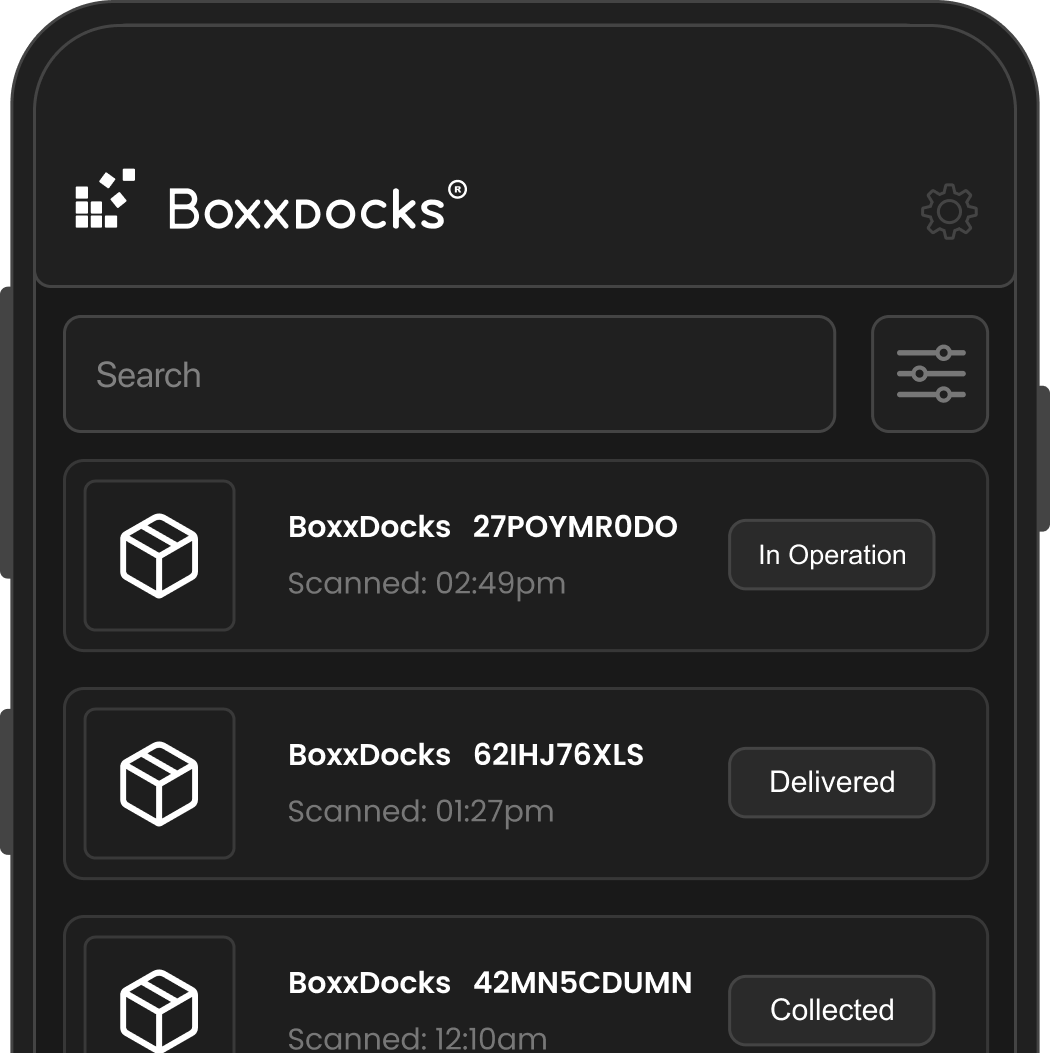
BoxxDocks AI Asset Tracking Platform
The Challenge
Asset tracking was manual, error-prone, and scattered across disconnected systems. The client had no centralized visibility into asset movement, no real-time location data, and no way to generate instant reports across multiple enterprise clients from a single platform.
Our Approach
We built BoxxDocks as an AI-enabled asset lifecycle platform using QR/NFC scanning, real-time dashboards, geolocation tracking, and a RAG-powered conversational engine that lets users query live operational data in plain English instead of navigating dashboards.
The Result
- Real-time inventory tracking across warehouses, transit, and delivery
- AI query engine for natural language insights
- LLM-powered reporting with anomaly detection
- Complete audit trail with location, timestamp, and status
Parity AI AI Finance Platform
The Challenge
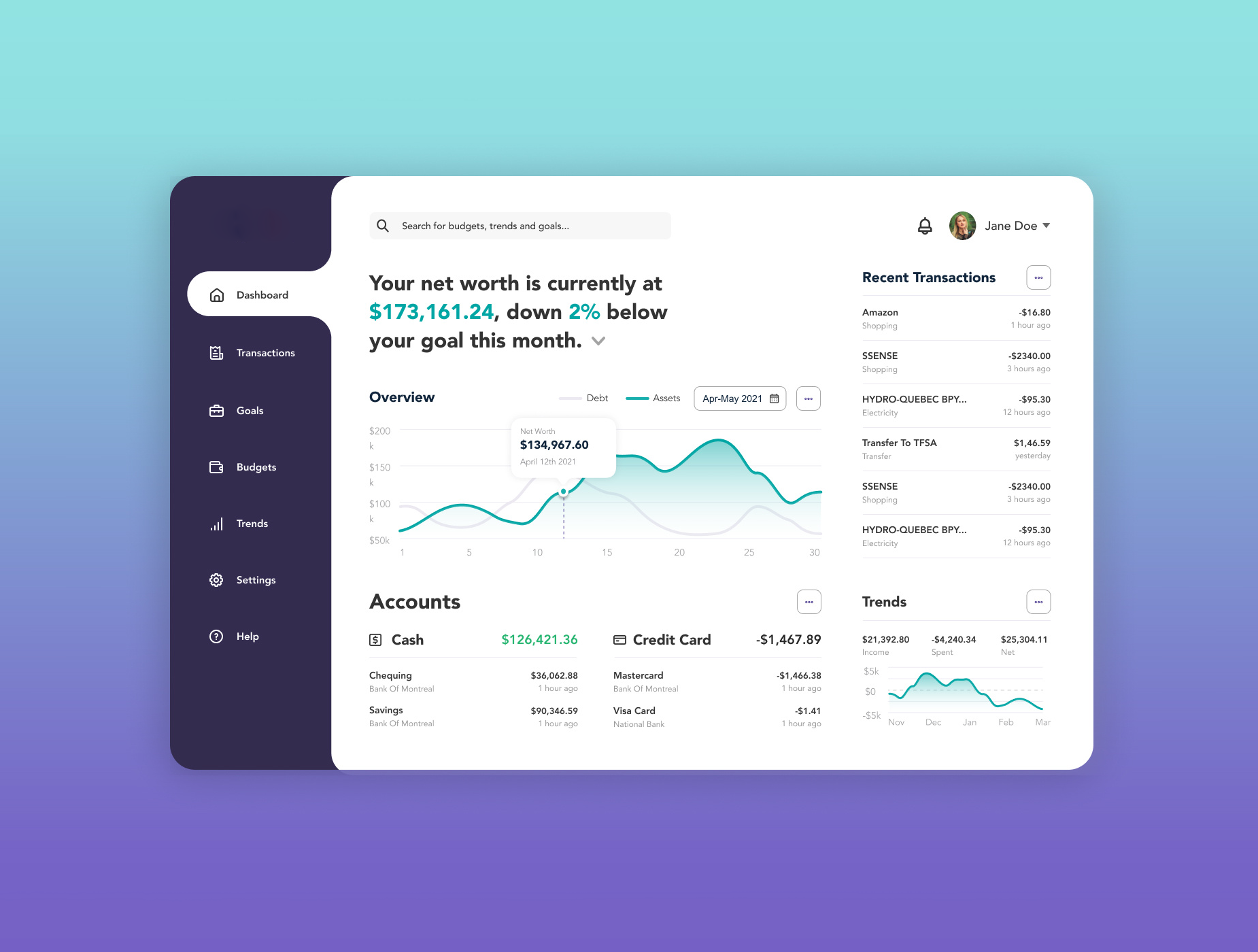
Personalized financial advice was expensive and limited to periodic meetings. Users had no way to consolidate banking, investments, debt, and insurance into one platform with real-time, AI-driven guidance.
Our Approach
We built Parity AI as an always-on financial wellness platform powered by AI. It securely pulls data from multiple sources, analyzes user behavior, forecasts outcomes, and delivers personalized recommendations — acting as a digital financial advisor, not a budgeting app.
The Result
- AI-powered financial planning across banking, investments, and debt
- Personalized recommendations based on life events and behavior
- Integrated financial education with actionable insights
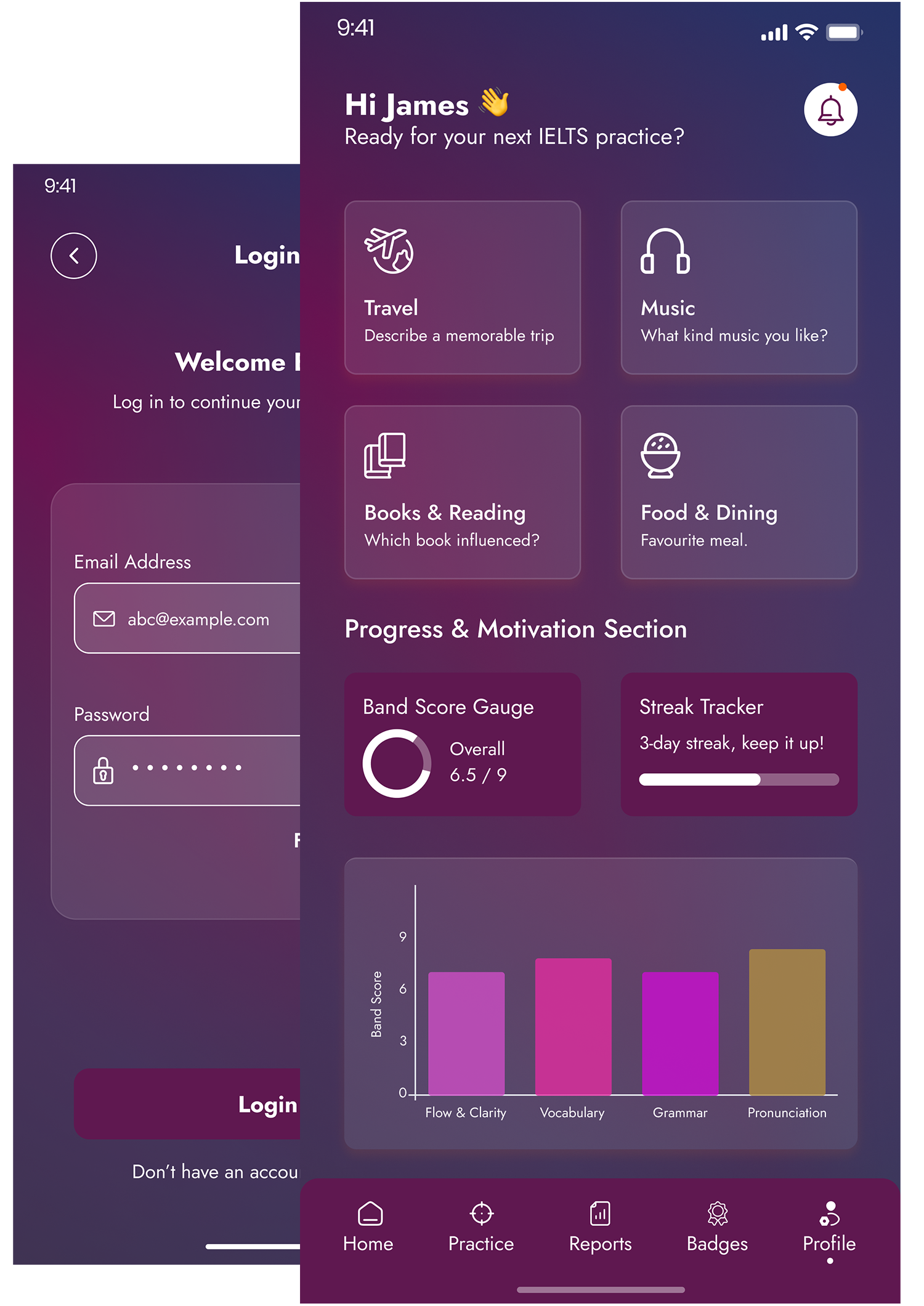
IELTS AI-Powered Speaking Evaluator
The Challenge
Human IELTS tutors cost $30-$80/hour with limited availability. Generic speaking apps lack authentic Part 1/2/3 exam structure, pronunciation feedback, and band-aligned scoring rubrics. Learners had no way to get unlimited, exam-authentic practice at scale.
Our Approach
We built a full-stack AI platform with a lifelike AI Avatar Examiner using LangGraph + Gemini conversation engine, Google Cloud TTS with viseme lip-sync, Faster-Whisper ASR, and a 6-layer IELTS evaluation pipeline scoring all 4 criteria with ±0.5-1.0 band accuracy.
The Result
- 1,000+ concurrent users with 2–3s response latency
- 10x lower cost than human examiners
- 6-service AI microservice with model preloading
- No-code admin panel for rapid content updates
Health E Livin AI Wellness Platform
The Challenge
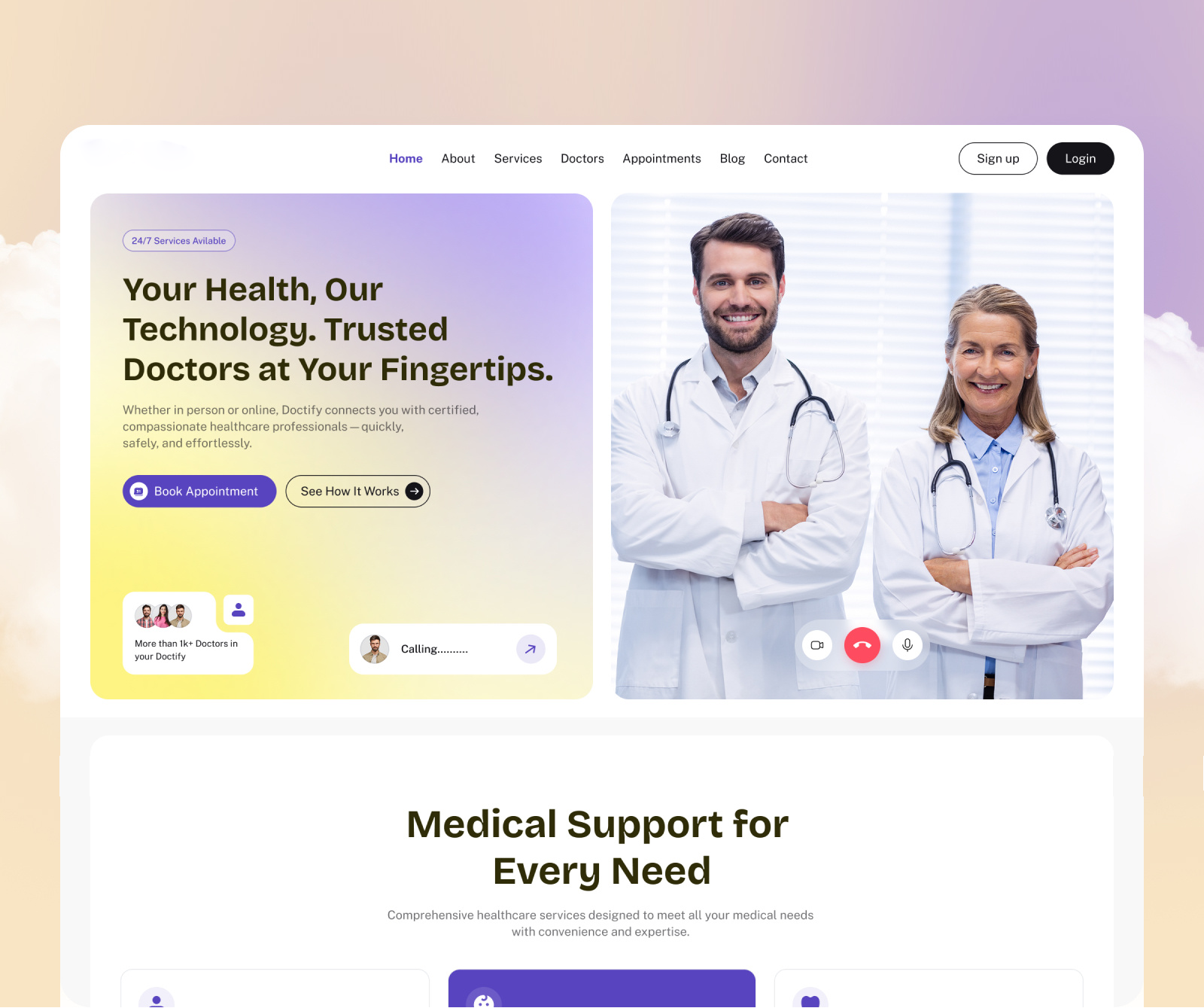
People struggling with mental health had no single platform to access trusted information, take confidential assessments, and find providers — all without stigma or privacy concerns.
Our Approach
We built HealtheLivin as an AI-powered mental wellness app with a conversational AI assistant, anonymous screenings, evidence-based resource library, and geolocation-based provider discovery — all on privacy-first cloud infrastructure.
The Result
- AI knowledgebase for natural language mental health support
- Confidential assessments with personalized wellness insights
- Location-based provider discovery for professional care
- Privacy-first architecture with encrypted data management
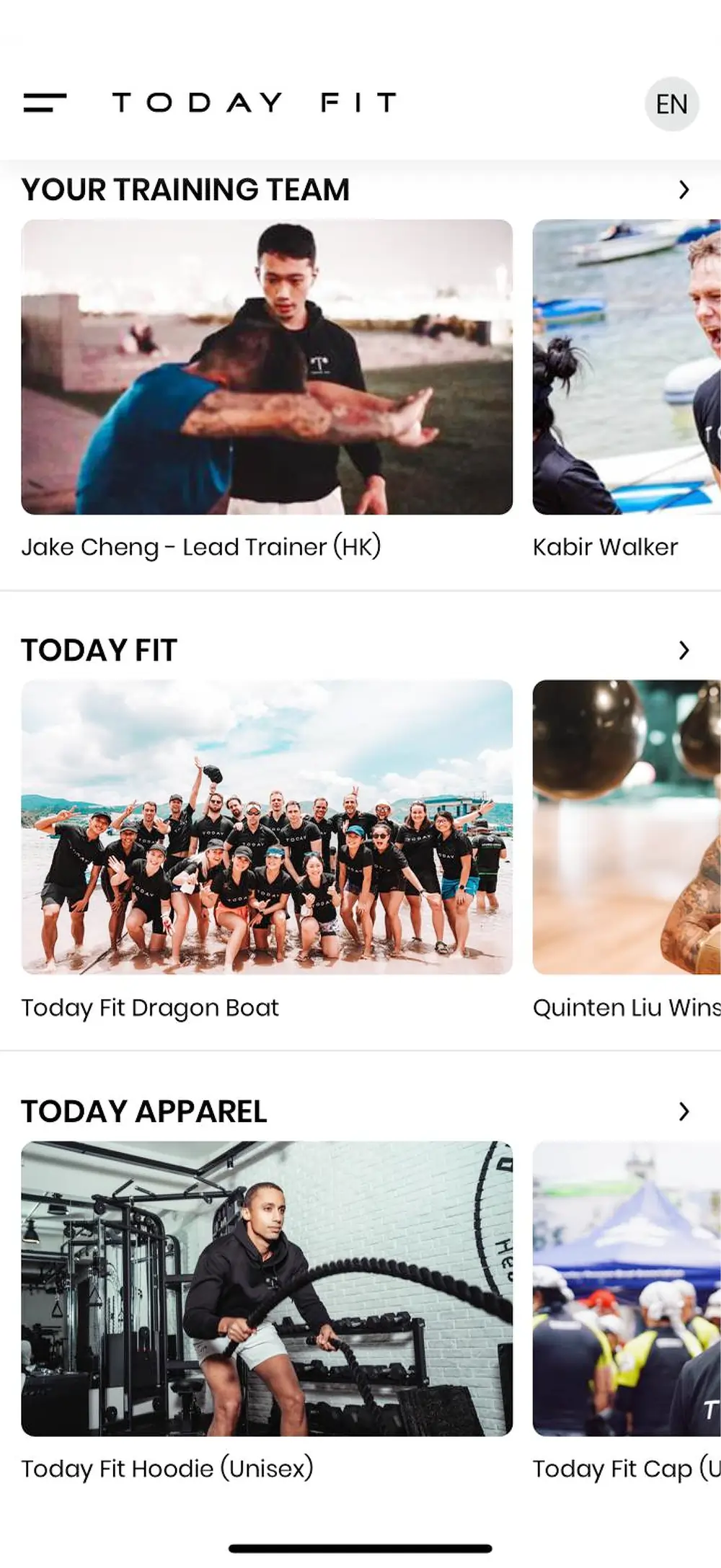
Today Fit Fitness App
The Challenge
Gyms, trainers, and users were stuck with disconnected tools for scheduling, payments, and fitness tracking. There was no single platform that combined personalized fitness with business management.
Our Approach
We developed TodayFit as an AI-driven fitness platform with trainer booking, personalized tracking, community features, and a SaaS layer for gym and trainer business management.
The Result
- 30% increase in user engagement
- 4.7+ average rating on the App Store and Play Store
- 60% growth in trainer bookings
- 45% increase in subscription conversions

SmartVend AI Smart Vending Platform
The Challenge
Managing a distributed vending machine network meant manual inventory tracking, disconnected payment systems, no remote management capability, and zero real-time visibility into machine health or sales performance across locations.
Our Approach
We built SmartVend as a cloud-connected IoT platform combining an Android kiosk app, centralized web portal, real-time inventory sync, hardware integration for payments and dispensing, and a digital advertising layer — all managed from a single dashboard.
The Result
- Real-time inventory sync with low-stock alerts
- Remote machine management across unlimited locations
- IoT integration for payments, dispensing, and monitoring
- Centralized sales analytics and revenue reporting
Ready to scale your team with AI talent that fits your project.
As an AI staff augmentation company, we place engineers who work inside your existing team and codebase, not a separate outsourced unit. You get the specific AI skills you need, without the overhead of a full-time hire.
Powering AI solutions with modern frameworks and tools
Our AI experts work across modern machine learning, data engineering, cloud, automation, and deployment technologies, selecting the right tools and frameworks to build scalable, secure, and production-ready AI solutions tailored to your project requirements.
 Python
 R Programming
 Java
Java C++
C++ TypeScript
 Claude
 GPT-5.6
 Gemini
 Llama
Llama Mistral
 LangGraph
 CrewAI
 AutoGen
 PydanticAI
 PyTorch
 TensorFlow
 Hugging Face
 Scikit-learn
 JAX
JAX LangChain
  LlamaIndex
  Pinecone
 Weaviate
  pgvector
 AWS (Bedrock)
 Azure
Azure Vertex AI
 Databricks
 Snowflake
What makes Xicom a trusted partner for your next AI development project
Every AI engagement at Xicom is backed by structured processes, strict data security, and flexible models designed to give you full control over your project from kickoff to deployment.

Team control
Direct access to your team for discussions anytime.

Data security
Strict adherence to data protection and confidentiality.
Flexible hiring
Hourly, part-time, or full-time models.
Strict NDA
Your business data stays fully protected.
24/7 support
Dedicated teams monitor performance round the clock.
Quality delivery
97% first-time-right code submission, every sprint.

Agile process
Faster, predictable delivery via iterative sprints.
Transparency
Real-time updates and full project visibility.




From strategy to scale our end-to-end AI development process
As a trusted AI development company, we follow a structured and well-defined process to ensure timely delivery and consistent quality. Our approach is organized across distinct stages, enabling the development of AI solutions through clear strategy and disciplined execution.
-
Strategic Planning
We analyze clients’ business goals and enterprise context to identify high-impact AI opportunities.
-
Design Phase
We create robust solution architecture designs to ensure seamless implementation and scalability.
-
Development Stage
We build robust, scalable AI solutions using cutting-edge technologies and frameworks.
-
Quality Assurance
We conduct rigorous automated and manual testing to ensure consistent quality standards.
-
Deployment and Support
We deploy AI solutions with continuous support for long-term success post-launch stability.
Our end-to-end AI staff augmentation process
Build your AI team through a structured engagement process designed to identify the right expertise, accelerate onboarding, and help specialists contribute quickly within your existing engineering environment.
-
Requirements
Share your project goals, AI use cases, preferred technologies, team structure, and engagement expectations. This helps identify the expertise needed for your project.
-
Shortlisting
Based on your requirements, we curate a shortlist of AI professionals whose technical skills, industry experience, and project backgrounds closely match your objectives.
-
Evaluation
Review profiles, conduct technical interviews, or run practical assessments to validate each candidate's capabilities and ensure they align with your engineering standards.
-
Selection
Select the professionals who best fit your requirements. We handle the engagement formalities, allowing your team to move forward without unnecessary delays.
-
Onboarding
Your AI specialists integrate with your existing workflows, tools, and communication channels, collaborating as an extension of your in-house team from the very first sprint.
Our engagement models for our AI staff augmentation
We offer flexible engagement models for AI development teams for automating multiple workflows, fixed-price for one scoped process, or pay-as-you-go while you figure out what's worth automating, matched to your actual need, not a generic package.

Fixed Price Model
Best for well-defined AI projects, this model ensures clear scope, budget predictability, and timely delivery without surprises.
- Upfront agreed cost and project scope
- Milestone-based progress tracking
- No hidden charges or overheads
- Reliable delivery timelines and outcomes
Most Popular

Dedicated Teams Model
Ideal for businesses seeking a long-term AI development, this model provides a dedicated team of AI engineers working exclusively on your project.
- Full control over team structure and workflows
- Highly scalable and cost-effective
- Direct communication with developers
- Increased focus and faster turnaround

Time & Material Model
Perfect for AI projects with dynamic requirements, this model offers agility, cost control, and adaptability to continuous innovation.
- Flexible billing based on actual efforts
- Adjust resources and scope anytime
- Ideal for iterative and evolving projects
- Faster implementation and continuous optimization
Client testimonials and reviews showcasing the value we consistently deliver
Explore how our clients describe their journey with us, reflecting strong collaboration, effective execution, and consistent outcomes delivered across engagements. See how our delivery framework ensures consistency from initiation through to successful completion.
❝
Parity AI
We came to Xicom with an ambitious goal: make institutional-grade financial planning accessible to everyone through AI. Xicom went beyond the brief, blending conversational AI and predictive analytics into an effortless platform. Parity AI is exactly what we envisioned.

❝
RadioFX
Xicom took the time to understand what our stations and listeners actually need, building something tailored rather than generic. Live chat and polls are now core to how we connect with our audience — the app has become a true extension of our on-air presence.


❝
StudyBuddy
Xicom built exactly what our students needed: a secure space to connect, collaborate, and find tutoring support in one place. Their understanding of student behavior shows in how naturally everything fits together — StudyBuddy is something students genuinely rely on.

❝
BoxxDocks
Xicom helped us bring BoxxDocks to life exactly as we envisioned it. Their team understood the complexity of AI powered real-time asset tracking and delivered a platform that's both powerful and genuinely easy to use.


❝
TodayFit
We are very happy with their services. I cannot recommend them highly enough. The value, ability, and delivery that we have seen has been superb, and we look forward to continuing this relationship.


❝
SmartVend AI
Their team built SmartVend from the ground up, combining hardware integration, real-time inventory sync, and a centralized dashboard that completely changed how we operate. We couldn't have asked for a more capable technical partner.

❝
Tap Retail
Partnering with Xicom to develop our Tap Retail app and website was one of the best decisions we made. Their team demonstrated exceptional professionalism, technical expertise, and a deep understanding of our business goals.


❝
GoGmGo
Partnering with Xicom was a game-changer for us. They didn't just build software, they helped us redefine how we run our business. Their proactive support and deep domain knowledge gave us the confidence to innovate faster.

❝
DENVEN
Working with Xicom has been a transformative experience. Their team quickly understood our challenges and delivered a scalable, intuitive solution. I highly recommend Xicom to any organization seeking future-ready, high-performance digital products.

Top tech insights of our blog
Explore latest tech stories & News
✦ AI-First Company
Deep Insights into Emerging Technology and Innovation!
Stay ahead in the digital world with our latest insights covering AI trends, industry developments, and expert advice on building smarter businesses.
1800+
Projects
20+
Years Experience
Frequently asked questions
What is AI staff augmentation?
AI staff augmentation is a hiring model where you add specialized AI and machine learning professionals directly into your in-house team, without going through the overhead of a full outsourced project. You get the skill set (LLM engineers, ML researchers, NLP specialists, MLOps experts) while retaining full control over priorities, workflows, and delivery.
When should a company use AI staff augmentation instead of hiring full-time?
It works best when you have a defined AI initiative but not enough in-house specialists to execute it, when hiring full-time would take too long, or when the need is project-based rather than permanent. Companies also use it to test AI capability before committing to a permanent hire.
How much does AI staff augmentation cost?
Cost depends on role seniority, engagement type (part-time, full-time, dedicated team), and project duration. Xicom offers flexible, transparent pricing models built around your specific requirement rather than a flat rate. [Book a free consultation for a tailored quote.]
What is the difference between AI staff augmentation and AI outsourcing?
Outsourcing hands the entire AI project to an external team with limited day-to-day involvement from you. Staff augmentation adds vetted AI talent to your existing team, so you keep managing the process, the roadmap, and the technical decisions.
Is AI staff augmentation suitable for short-term or pilot projects?
Yes. It's built for flexibility, you can bring in an AI specialist for a 3-month proof of concept or a 12-month product build, and scale the team up or down as the project evolves.
How fast can Xicom onboard an AI specialist to my team?
Depending on the role and stack, most AI specialists can be onboarded within 1 to 2 weeks. For urgent requirements, Xicom maintains a bench of pre-vetted AI and ML professionals ready to join active projects.
How does Xicom handle time zone and communication gaps for offshore AI teams?
Xicom structures overlapping working hours for real-time collaboration and uses async updates for non-urgent items. Teams follow agile sprints with regular standups and sprint reviews, and use tools like Slack, Jira, and Zoom to keep everything transparent.
Will the augmented AI team work exclusively on my project?
Yes, professionals assigned to your team work solely on your AI initiatives for the duration of the engagement, not split across multiple client projects.
Can I interview and approve AI specialists before they join my team?
Yes. Xicom shares pre-vetted candidate profiles and encourages clients to run their own technical interviews before finalizing the hire, which reduces mismatch risk.
What AI skill sets are typically covered under staff augmentation?
Common roles include AI engineers, LLM and generative AI developers, NLP specialists, data engineers, MLOps engineers, and AI solution architects, matched to your specific tech stack and use case.
How do I hire an AI developer for my team fast?
The quickest route is AI staff augmentation. Instead of running a full hiring cycle, you tap into a bench of pre-vetted AI developers who can join your team within 1 to 2 weeks, or immediately if you need someone right away. You still get to interview and approve the candidate, you just skip the sourcing and screening time.
Every award marks a milestone in our journey of excellence
As AI-first digital engineering company, Xicom has earned global recognition for delivering innovative, scalable, and high-performing technology solutions. Our awards reflect the trust of clients and industry leaders alike.