×
Our valued Brands & Agencies

















Retrieval
The system searches your connected knowledge base, documents, databases, or other sources, to find the pieces of information most relevant to the user's query.

Augmented
The retrieved information is added to the model's prompt as context, giving it accurate, up-to-date, and business-specific facts to work with before generating a response.

Generation
The language model produces a response grounded in the retrieved context, resulting in answers that are more accurate, traceable, and relevant to your data.
Enhancing AI performance with Retrieval-Augmented Generation development services
Our custom RAG development services help enterprises uncover insights, speed up decision-making, and power everything from internal Q&A to automated document workflows. By integrating enterprise data with large language models, we engineer RAG solutions that deliver accurate, relevant, and domain-aware responses, going beyond the limits of generic AI models.

RAG Consulting
Our experts steer you through the complexities of modern RAG implementation services by guiding you through effective architecture approaches, strategic roadmaps, and ongoing R&D efforts. Our next-gen consulting provides tailored guidance to enhance knowledge access, optimize retrieval pipelines, and achieve measurable business outcomes.

RAG App Development
As a RAG development company, we support you every step of the way from discovery to final deployment, ensuring seamless integration, scalable performance, and long-term success. We transform your enterprise data into intelligent solutions that keep your AI product accurate, compliant, and aligned with real business needs.

Custom RAG Model Development
Every business handles unique data and workflows. So, our custom RAG solutions team initiates model development to match knowledge bases and operational goals. We handle fine-tuning for LLMs and retrieval pipelines, building models to fit industry terminology, compliance, and adapt to preferred languages.

RAG Deployment and Optimization
After we go live, our team monitors accuracy, latency, and costs in real time. Automated feedback loops, which rely on retrained embeddings, along with A/B testing, grant you flexibility to deploy new prompts with no delays. This is how our retrieval-augmented generation system development becomes intelligent and cost-efficient every month.

RAG System Evaluation
We conduct both automated and manual evaluations to ensure your retrieval-augmented generation AI development solution is accurate, secure, and performance-ready. We use precision-based retrieval testing, answer grounding verification, and hallucination prevention mechanisms to confirm every response is source-backed and trustworthy.

RAG-Powered Virtual Assistants
We are specialized in building voice and chat assistants using retrieval-augmented generation to provide accurate and contextually relevant replies. These assistants help users with product manuals, ticketing systems, and FAQs. It provides instant responses with hyperlinks, which reduces help requests.

Multimodal RAG Implementation
Harness Retrieval Augmented Generation development for diverse data types with our multimodal RAG systems, integrating text, images, audio, and structured data for richer AI-driven insights. The RAG solutions designed by Xicom retrieve and process multiple data types to meet enterprise demands.

RAG Integration
Our company delivers real value because the solutions connect with the systems you already use. We integrates enterprise RAG development with your critical business platforms, CRMs, ERPs, and internal applications. This enables agents to leverage authentic data and automate tasks efficiently while ensuring seamless workflow continuity.

RAG Fine-Tuning
To provide a tailored Generative AI RAG development experience, we fine-tune LLM models based on your business workflows, terminologies, and communication styles. Our team enhances retrieval precision through advanced ranking techniques and embedding optimizations, reducing irrelevant or outdated responses at every interaction.

Governance & Content Drift Control
We add PII redaction, citation injection, and factuality scoring so your compliance teams can operate with greater confidence and control. All requests & responses are securely logged for full auditability & continuous improvement, ensuring your RAG solutions remain reliable as your data evolves over time.
RAG Solutions Engineered for Enterprise Scale
150+
AI Engineers & Data Scientists
300+
AI Solutions Delivered
ISO 9001 Certified
NASSCOM & STPI Accreditation
NASSCOM & STPI Accreditation
100+
AI Models in Production
30+
Industries Served
Industries where RAG-powered AI delivers the most value
Retrieval-Augmented Generation drives the greatest impact where accuracy, compliance, and access to large, fast-changing knowledge bases matter most, because that's where generic LLMs fall short and grounded, data-backed responses make the difference.

Banking & Finance
- Policy & compliance document Q&A
- Real-time credit risk lookups
- Regulatory knowledge retrieval
- Customer query grounding on account data

Healthcare
- Clinical guideline retrieval
- Patient records Q&A grounding
- Medical literature search assistants
- Compliance-aligned response generation

Retail
- Product catalog Q&A retrieval
- Order & policy document grounding
- Customer support knowledge assistants

Logistics
- Route & fleet documentation retrieval
- Warehouse SOP Q&A assistants
- Shipment status grounding on live data

Automotive
- Technical manual retrieval assistants
- Service history Q&A grounding
- Parts & warranty knowledge search

Real Estate
- Listing & document Q&A retrieval
- Contract knowledge grounding
- Virtual assistant response accuracy

Manufacturing
- Technical documentation retrieval
- Quality-standard Q&A grounding
- Maintenance knowledge search assistants

Insurance
- Policy document Q&A retrieval
- Claims knowledge grounding
- Compliance-aligned response accuracy

Enterprise Knowledge Assistants
- Internal Q&A systems grounded in company documents
- Cross-department knowledge base search
- Policy and SOP retrieval for employee queries
- Faster onboarding through instant knowledge access

AI-Driven Customer Support Systems
- Support chatbots grounded in product and policy data
- Reduced hallucinations in customer-facing responses
- Ticket deflection through accurate self-service answers
- Seamless escalation to human agents when needed

Automated Document Workflows
- Contract and compliance document Q&A
- Automated extraction and summarization of large document sets
- Retrieval-backed report generation
- Audit-ready traceability of source documents
Retrieval-Augmented Generation (RAG)
We provide hybrid RAG solutions to help your AI become accurate, private, and fully contextually aligned to your business. We have tools built for large companies that need AI to grow. Our technology is secure, reliable, & follows all the compliance rules.
Large Language Models (LLMs)
We configure and adapt LLM Development to work with enterprise data and RAG AI development systems. This includes tuning models for domain knowledge, improving prompt behavior, and optimizing performance for accuracy and cost control to ensure reliable, context-aware responses.
Vector Databases
Our RAG development team structures enterprise knowledge repositories, designs chunking strategies, and implements secure vector databases to enable efficient and accurate retrieval. Scalable vector infrastructure ensures optimized document indexing and fast query responses under real-world load.

Embeddings & Semantic Search
We prepare, tag, and segment every document in SharePoint and Salesforce, every PDF, and every file in your data lake. This generates high-precision embeddings for simple retrieval. This process builds an up-to-date knowledge base that you can ask questions to in normal, everyday language.
RAG Frameworks
Our team configures semantic search parameters, implements hybrid search approaches, and designs re-ranking mechanisms to ensure your RAG application development delivers accurate, contextually relevant results. We combine dense and sparse retrieval with metadata filtering for maximum precision.
Prompt Engineering
We develop prompt orchestration layers that enhance the intelligence and accuracy of your AI solutions. Using advanced prompt engineering, we ensure LLM responses stay grounded in your verified enterprise content and reduce hallucinations across every use case and workflow.

Cloud & AI Infrastructure
Our Cloud architects design cost-aware, future-ready infrastructure with latency and throughput optimization to keep response times low under real-world load. We balance quality, performance, and cloud spend so your teams stay within budget as data volumes grow.
Case studies showcasing the value delivered to clients through our AI solutions
Discover how our expertly tailored RAG development solutions assist businesses in optimizing operational processes and outperforming competitors. Our team commits to going the long distance in fulfilling our clients’ goals.
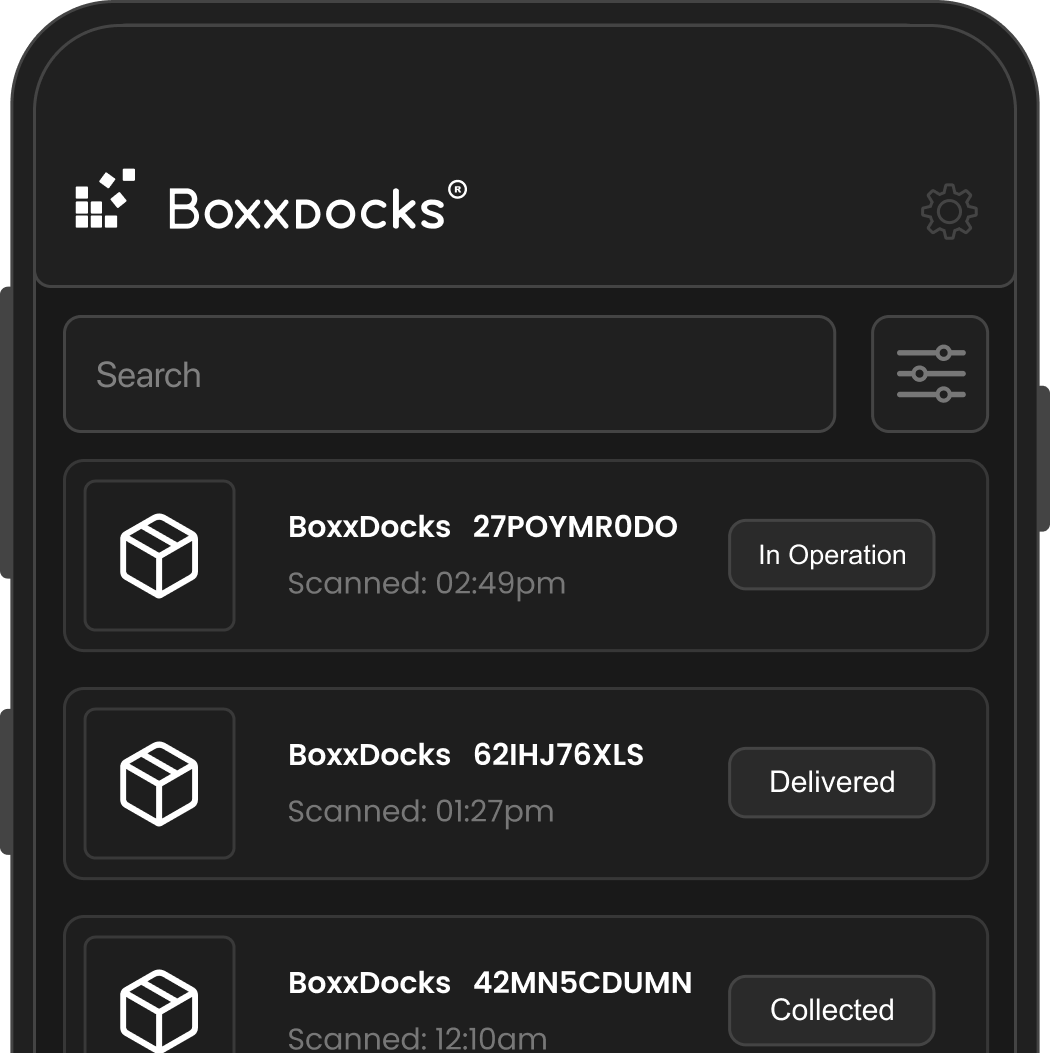
BoxxDocks AI Asset Tracking Platform
The Challenge
Asset tracking was manual, error-prone, and scattered across disconnected systems. The client had no centralized visibility into asset movement, no real-time location data, and no way to generate instant reports across multiple enterprise clients from a single platform.
Our Approach
We built BoxxDocks as an AI-enabled asset lifecycle platform using QR/NFC scanning, real-time dashboards, geolocation tracking, and a RAG-powered conversational engine that lets users query live operational data in plain English instead of navigating dashboards.
The Result
- Real-time inventory tracking across warehouses, transit, and delivery
- AI query engine for natural language insights
- LLM-powered reporting with anomaly detection
- Complete audit trail with location, timestamp, and status
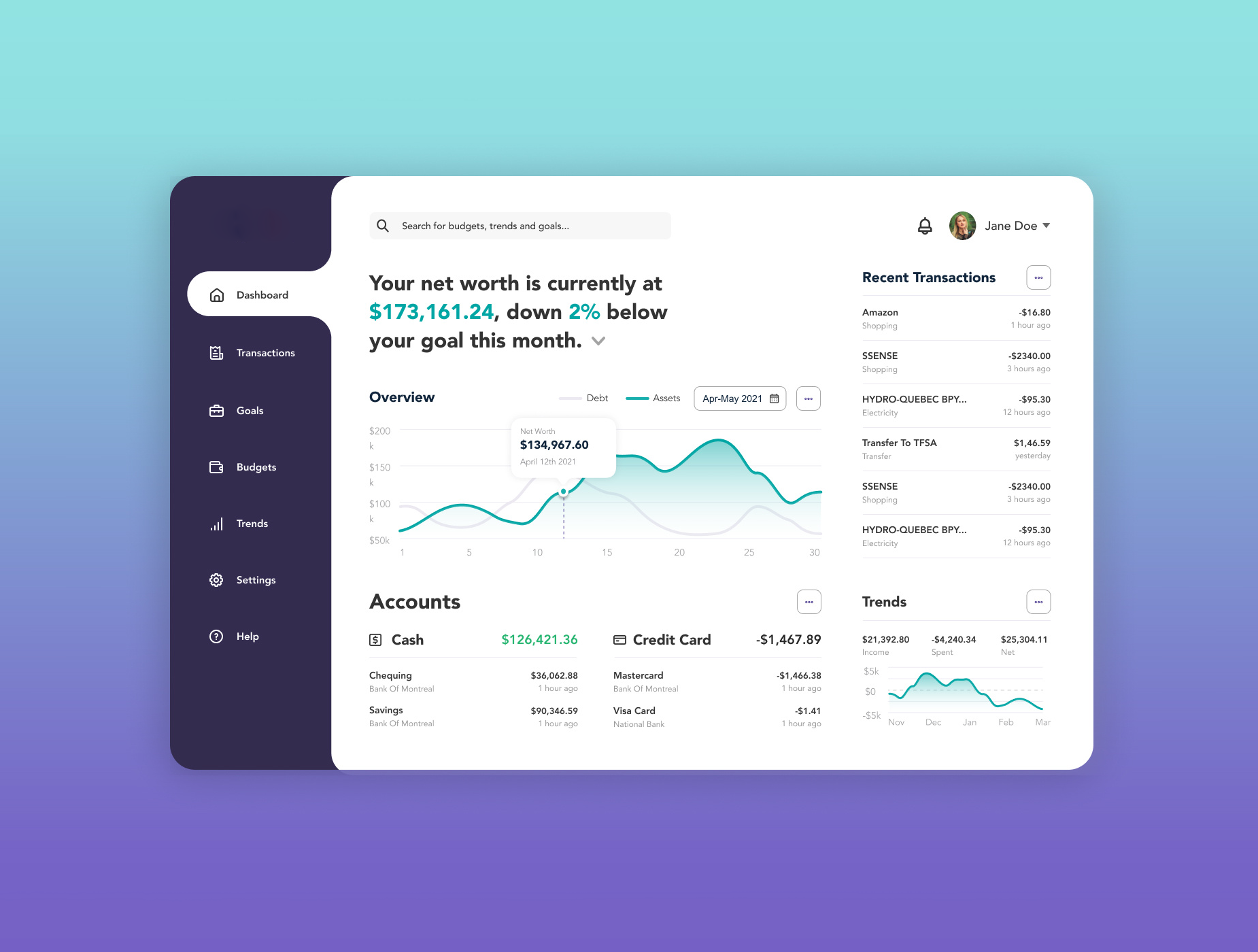
Parity AI AI Finance Platform
The Challenge
Personalized financial advice was expensive and limited to periodic meetings. Users had no way to consolidate banking, investments, debt, and insurance into one platform with real-time, AI-driven guidance.
Our Approach
We built Parity AI as an always-on financial wellness platform powered by AI. It securely pulls data from multiple sources, analyzes user behavior, forecasts outcomes, and delivers personalized recommendations — acting as a digital financial advisor, not a budgeting app.
The Result
- AI-powered financial planning across banking, investments, and debt
- Personalized recommendations based on life events and behavior
- Integrated financial education with actionable insights
IELTS AI-Powered Speaking Evaluator
The Challenge
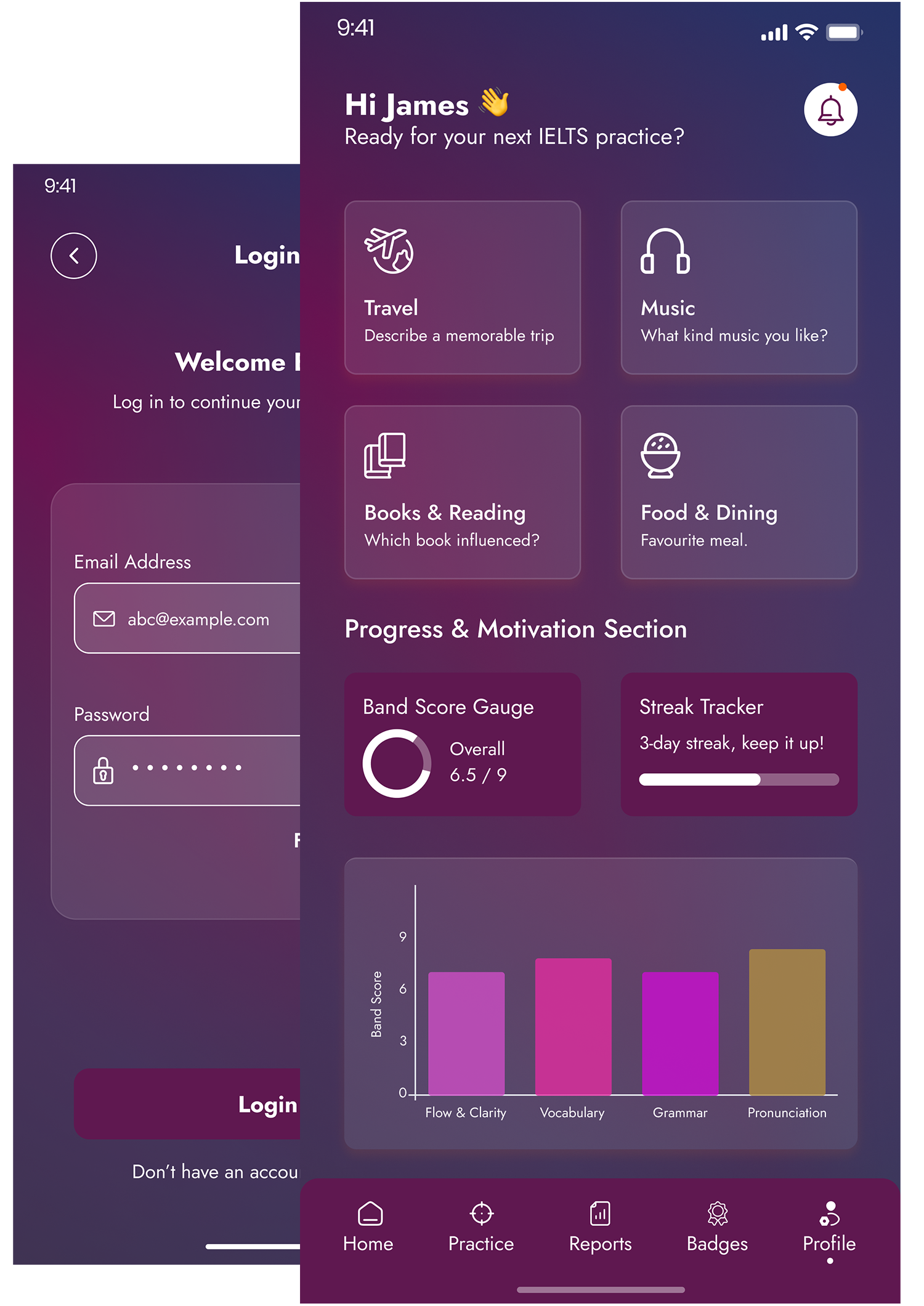
Human IELTS tutors cost $30-$80/hour with limited availability. Generic speaking apps lack authentic Part 1/2/3 exam structure, pronunciation feedback, and band-aligned scoring rubrics. Learners had no way to get unlimited, exam-authentic practice at scale.
Our Approach
We built a full-stack AI platform with a lifelike AI Avatar Examiner using LangGraph + Gemini conversation engine, Google Cloud TTS with viseme lip-sync, Faster-Whisper ASR, and a 6-layer IELTS evaluation pipeline scoring all 4 criteria with ±0.5-1.0 band accuracy.
The Result
- 1,000+ concurrent users with 2–3s response latency
- 10x lower cost than human examiners
- 6-service AI microservice with model preloading
- No-code admin panel for rapid content updates
Health E Livin AI Wellness Platform
The Challenge
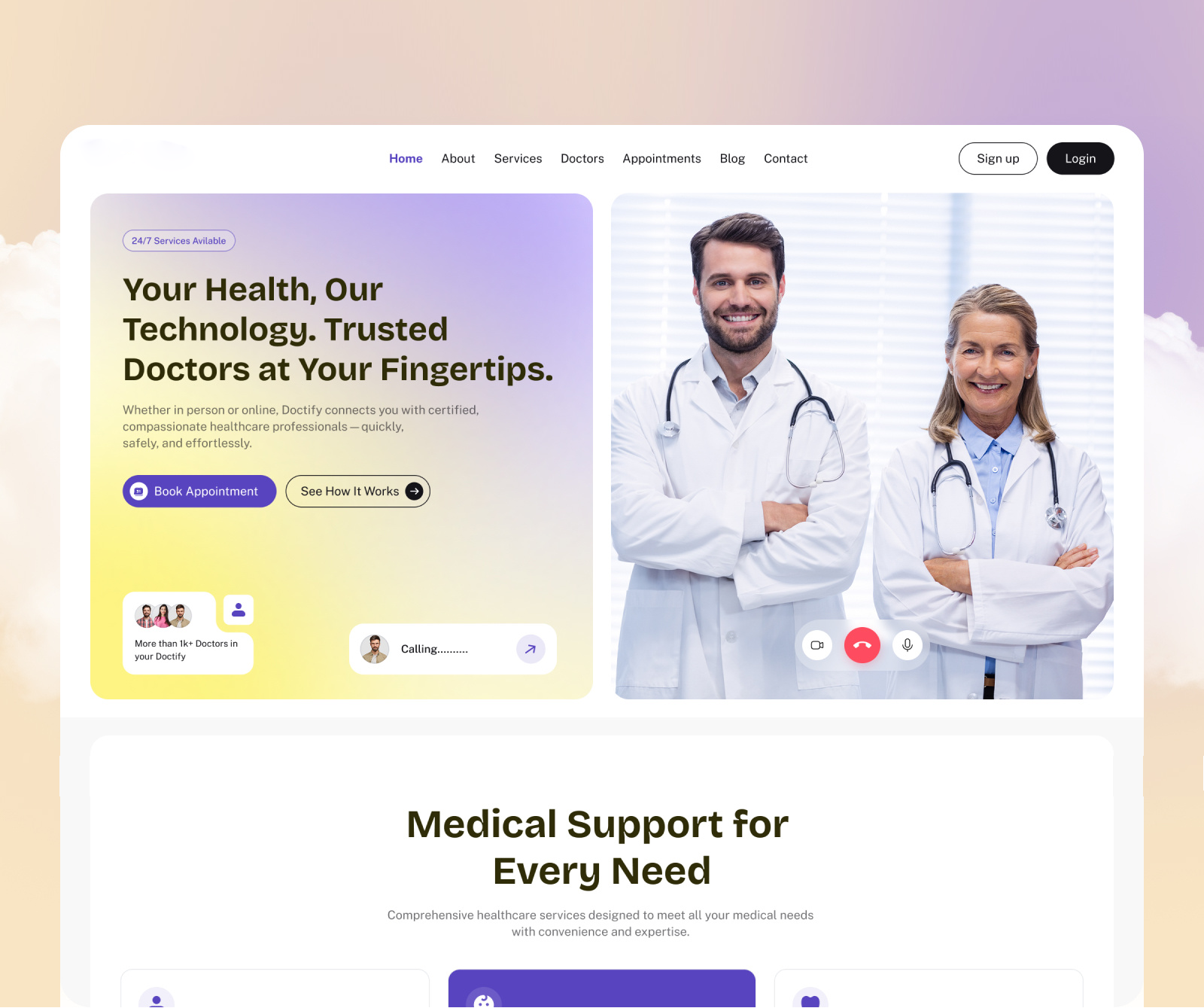
People struggling with mental health had no single platform to access trusted information, take confidential assessments, and find providers — all without stigma or privacy concerns.
Our Approach
We built HealtheLivin as an AI-powered mental wellness app with a conversational AI assistant, anonymous screenings, evidence-based resource library, and geolocation-based provider discovery — all on privacy-first cloud infrastructure.
The Result
- AI knowledgebase for natural language mental health support
- Confidential assessments with personalized wellness insights
- Location-based provider discovery for professional care
- Privacy-first architecture with encrypted data management
Today Fit Fitness App
The Challenge
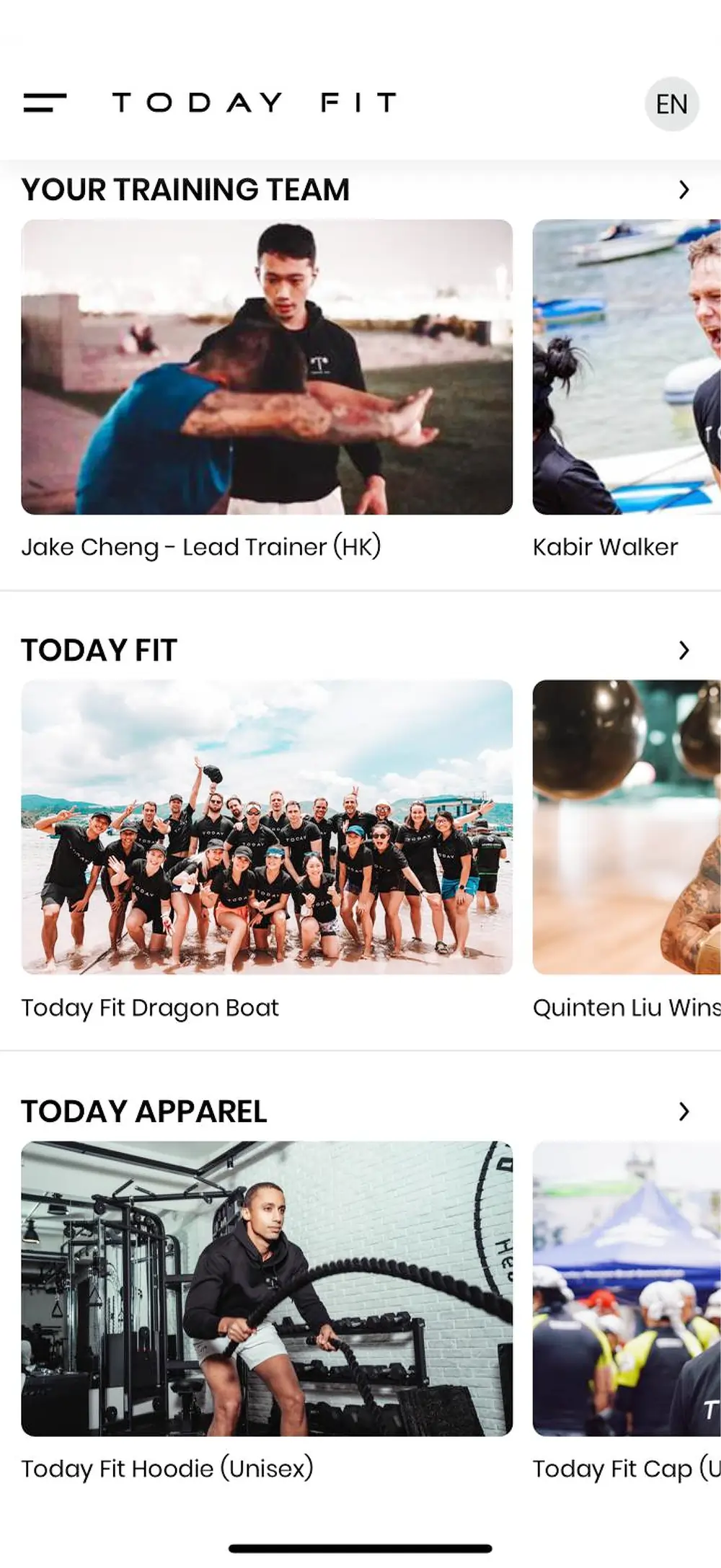
Gyms, trainers, and users were stuck with disconnected tools for scheduling, payments, and fitness tracking. There was no single platform that combined personalized fitness with business management.
Our Approach
We developed TodayFit as an AI-driven fitness platform with trainer booking, personalized tracking, community features, and a SaaS layer for gym and trainer business management.
The Result
- 30% increase in user engagement
- 4.7+ average rating on the App Store and Play Store
- 60% growth in trainer bookings
- 45% increase in subscription conversions
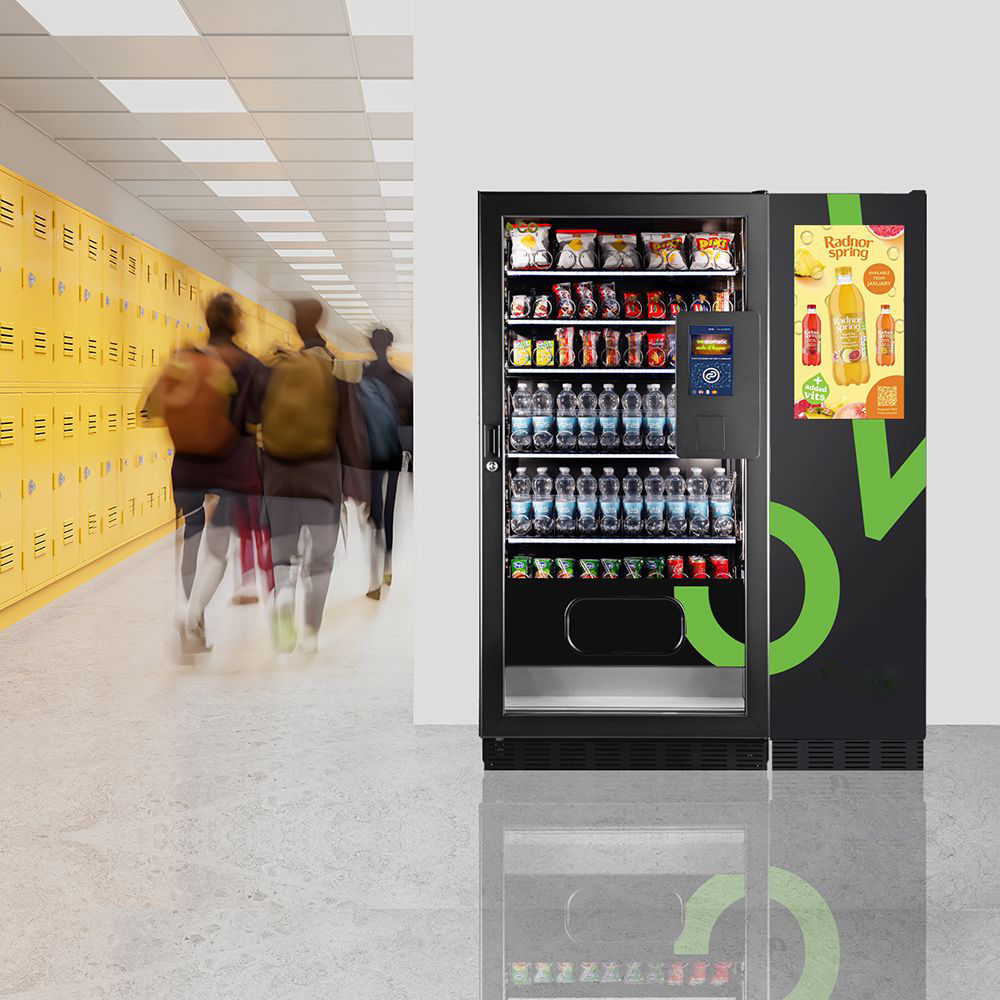
SmartVend AI Smart Vending Platform
The Challenge
Managing a distributed vending machine network meant manual inventory tracking, disconnected payment systems, no remote management capability, and zero real-time visibility into machine health or sales performance across locations.
Our Approach
We built SmartVend as a cloud-connected IoT platform combining an Android kiosk app, centralized web portal, real-time inventory sync, hardware integration for payments and dispensing, and a digital advertising layer — all managed from a single dashboard.
The Result
- Real-time inventory sync with low-stock alerts
- Remote machine management across unlimited locations
- IoT integration for payments, dispensing, and monitoring
- Centralized sales analytics and revenue reporting
Ready to transform your business with RAG solutions tailored to your needs.
As a custom RAG development company, we build retrieval-augmented AI systems that align with your business goals, making your applications smarter, more accurate, and grounded in real business data.
Tools and frameworks driving our RAG development services
As a RAG development company, we builds RAG pipelines using a proven stack of vector databases, embedding models, and orchestration frameworks, connecting enterprise data with large language models for fast, accurate, and context-aware retrieval.
 Python
 Fast API
 Java
Java Node.js
 Go
Go Express.js
 Spring Boot
 .NET Core
 React
React Next.js
 Vue.js
 Angular
 Typescript
 Material UI
 Tailwind Css
 Apache Airflow
 Apache Nifi
 Pandas
 spaCy
spaCy Langchain
 Pinecone
 FAISS
FAISS Weaviate
 MIlvus
 Qdrant
 Elasticsearch
 OpenAI Embeddings
 SentenceTransformers
 Cohere Embeddings
 Hugging Face Transformers
 LlamaIndex
 PromptLayer
 Custom Middleware
 Ray
Ray MLflow
 Triton Inference Server
 TorchServe
 AWS (S3, EC2, Lambda)
 Azure ML
 Docker
 Kubernetes
 Terraform
 Google Cloud (Vertext AI, Cloud Functions)
 OAuth 2.0
 SSL/TLS
 AES-256 Encryption
 VPC Isolation
 SOC 2
SOC 2 GDPR
GDPR HIPAA
HIPAA Role Based Access Control
 Prometheus
 Grafana
 ELK Stack
 Datadog
 CloudWatch
Why Choose Us
Why choose Xicom as your RAG development company?
Most RAG implementations fail not because of the LLM, but because of poor retrieval design, weak data pipelines, or architectures that don't scale past a proof of concept. Xicom's approach is grounded in solid retrieval engineering at every stage, and because we also deliver full implementation and maintenance, our recommendations stay accountable to what can realistically be built and run in production.
Schedule a Consultation
01
Vendor-neutral by design

We're not tied to any single vector database, embedding provider, or LLM vendor, so our tool recommendations reflect what the use case needs, not a licensing relationship. When a process genuinely doesn't need RAG, we say so instead of building a business case around whatever's trending.
02
Grounded in what's buildable
Because Xicom also delivers RAG application implementation, our RAG consultants know which retrieval architectures are realistic to build and maintain versus which ones look good in a demo and stall once real data volumes hit.
03
Governance built in from day one
A retrieval pipeline without data access controls or version tracking is a liability waiting to surface. We define access permissions, source validation, and update workflows as part of the architecture itself, not as an afterthought once something breaks in production.
04
Architectures that hand off cleanly
Whether you build with Xicom, your own team, or another vendor, our retrieval pipeline and data documentation are written to be usable by any implementation team, not locked to a specific engagement.
05
Accuracy validated, not assumed
We test retrieval quality and response accuracy against real queries before launch, not after users start noticing hallucinations. Evaluation benchmarks are built into the delivery process, not treated as a nice-to-have.
06
Built to scale with your data
Enterprise data grows and changes constantly. We design indexing and retrieval pipelines that keep pace with new documents, updated records, and expanding knowledge bases without requiring a rebuild every few months.
Our agile RAG implementation process
As a trusted RAG development company, we follow a structured and well-defined process to design, build, and deploy retrieval-augmented AI solutions. Our approach is organized across distinct stages, ensuring disciplined engineering.
-
Discovery Workshops
Structured sessions to understand your data sources, use cases, and where retrieval can improve response accuracy.
-
Data & Source Audit
Mapping documents, databases, and knowledge sources, including the messy, unstructured data that never shows up in a clean schema.
-
LLM Orchestration Layer
Connecting retrieval pipelines to your chosen LLM, with prompt design and context handling tuned for accurate, grounded responses.
-
Compliance-Ready Deployment
Rolling out with access controls, data governance, and audit trails built in, so the system holds up to enterprise compliance requirements from day one.
-
Monitoring & Optimization
Ongoing tracking of retrieval accuracy, latency, and data freshness, with continuous tuning as your knowledge base grows.
Why custom RAG development is important?
Generic AI models often fall short when it comes to accuracy, security, and cost control at scale. A custom RAG solution is built around your data, your compliance needs, and your budget, giving you an AI system that actually holds up in production.

Custom RAG development reduces reliance on expensive model retraining and lets you scale AI capabilities without ballooning compute costs.
- Lower costs vs. fine-tuning large models
- Pay only for retrieval and inference you actually use
- Reusable knowledge base across multiple applications
- Reduced long-term maintenance overhead
Custom RAG systems keep your proprietary data within controlled environments instead of exposing it to third-party model training.
- Data stays within your own infrastructure or private cloud
- Role-based access controls on sensitive information
- No exposure of proprietary data to external model providers
- Encryption and audit trails built into the pipeline
By grounding responses in retrieved, verified data instead of relying purely on model memory, RAG significantly cuts down on fabricated or inaccurate answers.
- Responses backed by real, retrievable sources
- Fewer factual errors in critical business use cases
- Traceable outputs that can be cross-checked
- Higher user trust in AI-generated answers
Custom RAG development lets you build in the governance and auditability that regulated industries require, rather than retrofitting compliance later.
- Aligns with industry-specific regulatory requirements
- Full audit trail of retrieved sources and generated responses
- Version control over knowledge base updates
- Builds long-term trust with customers and stakeholders
Client testimonials and reviews showcasing the value we consistently deliver
Explore how our clients describe their journey with us, reflecting strong collaboration, effective execution, and consistent outcomes delivered across engagements. See how our delivery framework ensures consistency from initiation through to successful completion.
❝
Parity AI
We came to Xicom with an ambitious goal: make institutional-grade financial planning accessible to everyone through AI. Xicom went beyond the brief, blending conversational AI and predictive analytics into an effortless platform. Parity AI is exactly what we envisioned.

❝
RadioFX
Xicom took the time to understand what our stations and listeners actually need, building something tailored rather than generic. Live chat and polls are now core to how we connect with our audience — the app has become a true extension of our on-air presence.


❝
StudyBuddy
Xicom built exactly what our students needed: a secure space to connect, collaborate, and find tutoring support in one place. Their understanding of student behavior shows in how naturally everything fits together — StudyBuddy is something students genuinely rely on.

❝
BoxxDocks
Xicom helped us bring BoxxDocks to life exactly as we envisioned it. Their team understood the complexity of AI powered real-time asset tracking and delivered a platform that's both powerful and genuinely easy to use.


❝
TodayFit
We are very happy with their services. I cannot recommend them highly enough. The value, ability, and delivery that we have seen has been superb, and we look forward to continuing this relationship.


❝
SmartVend AI
Their team built SmartVend from the ground up, combining hardware integration, real-time inventory sync, and a centralized dashboard that completely changed how we operate. We couldn't have asked for a more capable technical partner.

❝
Tap Retail
Partnering with Xicom to develop our Tap Retail app and website was one of the best decisions we made. Their team demonstrated exceptional professionalism, technical expertise, and a deep understanding of our business goals.


❝
GoGmGo
Partnering with Xicom was a game-changer for us. They didn't just build software, they helped us redefine how we run our business. Their proactive support and deep domain knowledge gave us the confidence to innovate faster.

❝
DENVEN
Working with Xicom has been a transformative experience. Their team quickly understood our challenges and delivered a scalable, intuitive solution. I highly recommend Xicom to any organization seeking future-ready, high-performance digital products.

Top tech insights of our blog
Explore latest tech stories & News
✦ AI-First Company
Deep Insights into Emerging Technology and Innovation!
Stay ahead in the digital world with our latest insights covering AI trends, industry developments, and expert advice on building smarter businesses.
1800+
Projects
20+
Years Experience
Frequently asked questions
1. What is RAG in development?
RAG, or Retrieval-Augmented Generation, is an AI architecture that connects a large language model to an external knowledge source, retrieving relevant information at query time and feeding it into the model before a response is generated. This lets the AI answer using your actual data instead of relying only on what it learned during training.
2. What is the difference between RAG and fine-tuning?
Fine-tuning retrains a model on your data, which is costly to update and can go stale. RAG keeps the model unchanged and instead retrieves current information from your knowledge base at query time, making it easier to update and generally more cost-effective for data that changes often.
3. What kind of data can be integrated into a RAG pipeline?
RAG pipelines can pull from PDFs, internal wikis, CRM records, databases, support tickets, product catalogs, and other structured or unstructured sources. The data is chunked, embedded, and indexed so the system can retrieve the most relevant pieces for a given query.
4. How does RAG prevent AI hallucinations?
By grounding each response in retrieved, verifiable data rather than relying solely on what the model memorized during training, RAG reduces the chances of fabricated or inaccurate answers and makes outputs easier to trace back to a source.
5. How much do custom RAG development services cost?
Cost depends on data volume, the number of sources to integrate, retrieval complexity, and whether the system needs enterprise-grade security or compliance controls. We scope cost after an initial discovery conversation rather than quoting a flat rate upfront.
6. How long does it take to build and deploy a RAG solution?
A focused, single-use-case RAG implementation typically takes a few weeks. Enterprise deployments spanning multiple data sources, compliance requirements, or integrations with existing systems take longer, depending on data readiness and infrastructure complexity.
7. What does "RAG" mean in project management?
In project management, RAG (Red-Amber-Green) is a status-reporting system unrelated to Retrieval-Augmented Generation. On this page, "RAG" refers exclusively to the AI architecture, not the project-tracking convention.
8. Can you integrate RAG with my existing enterprise AI systems?
Yes. RAG pipelines are typically built to sit alongside your existing AI stack, connecting to your current LLM, CRM, document repositories, or internal tools rather than replacing them. This is the integration work our RAG development services handle directly.
Every award marks a milestone in our journey of excellence
As AI-first digital engineering company, Xicom has earned global recognition for delivering innovative, scalable, and high-performing technology solutions. Our awards reflect the trust of clients and industry leaders alike.