×

- 20+ Years in Business
- 350+ IT Experts
- 750+ Enterprise Clients
- CMMi Level 3 Certified
- ISO 9001:2015
- Top 1% on TrustPilot
-
 4.8 on Clutch
Our valued Brands & Agencies
















Comprehensive multi-agent development services for intelligent enterprise workflows
Design and develop collaborative AI agent systems that divide complex tasks, coordinate decisions, exchange context, and execute workflows autonomously. Our services help enterprises build reliable multi-agent solutions that integrate seamlessly with existing business processes and systems.

Multi-agent Architecture Design
Before any agent gets built, we figure out the shape of the system itself: how many agents make sense, what each one is responsible for, and how decisions flow between them. Some setups need one agent directing others; some work better with agents operating independently and checking in only when needed. We map that out based on your actual process, not a standard template.

Agent Orchestration & Workflow Design
Multiple agents working on the same problem can easily step on each other if nobody's coordinating the handoffs. We build the logic that decides which agent acts when, how tasks move between them, and what happens if one agent's output changes what another needs to do next. The goal is agents that function as a team, not five separate scripts running in parallel without any shared context or coordination.

Custom Agent Development
Building one agent that tries to do everything limits its capabilities; we build several agents with narrow, clearly defined jobs: one handles retrieval, another handles planning, another executes actions. Each agent gets built and tested around its specific task. This keeps the system easier to debug when something goes wrong, since you know exactly which agent is responsible for which part of the output at every stage of execution.
Communication Protocol Setup
Agents need a reliable way to pass information to each other without losing context or duplicating work. We set up the messaging structure that lets one agent hand a task to another, request clarification, or escalate a decision it can't resolve on its own. Without this layer built properly, agents either talk past each other or stall waiting on information they never actually receive at the right time and context.

Tool & API Integration for Agents
An agent that can only talk isn't especially useful; it needs to actually do things inside your systems. We connect agents to the databases, internal tools, and external APIs required to complete real tasks, whether that's pulling a record, updating a status, or triggering a downstream process. This is what turns an agent from a chatbot into something that gets work done across your core business processes.

Memory & Context Management
Without memory, every agent interaction starts from scratch, which gets expensive and inconsistent fast. We build memory into the system at two levels: short-term memory for the current task, so an agent doesn't lose track mid-process, and longer-term memory for information that should carry over across sessions, like prior decisions or user preferences relevant to future tasks.

Agent Supervision & Guardrails
Autonomous agents can go wrong in ways that are hard to predict, especially once several are interacting. We build monitoring into the system that flags unexpected behavior, validates outputs before they are acted on, and routes high-stakes decisions to a human for approval to prevent letting an agent act unchecked. This keeps autonomy from turning into unmanaged risk across critical business operations and workflows.
Multi-agent Testing & Simulation
Before anything goes live, we run the system through scenarios designed to break it: edge cases, conflicting instructions, missing information to see how agents individually and collectively respond. This surfaces coordination failures, such as two agents duplicating the same task, working against each other's outputs, or contradicting one another mid-process, while those issues are still cheap and straightforward to fix.

Deployment & Scaling
Getting a multi-agent system to work reliably in controlled testing is one thing; keeping it stable, responsive, and consistent under real-world traffic, and continuously changing workloads is another. We deploy the system into infrastructure built to handle concurrent agent activity, with the ability to scale specific agents up or down depending on demand, so a spike in one part of the workflow doesn't slow down the rest of the system.
Ongoing Monitoring & Optimization
Once the system is live, we continuously monitor how agents perform against real-world requests and evolving operational conditions, instead of relying solely on the test scenarios used before launch. Decision quality, response time, and coordination between agents all get tracked over time, and the system gets adjusted as usage patterns shift or new requirements come up, so performance doesn't degrade.
Multi-agent AI systems for enterprise transformation
We design and deploy coordinated multi-agent systems that work together across departments and workflows, automating complex decision-making, connecting disparate tools, and handling multi-step processes end-to-end, tailored to your industry's operational needs and compliance requirements.

Banking & Finance
Fraud Detection Agent Networks, Loan Underwriting Multi-Agent Systems, Compliance Monitoring Agents, Customer Query Resolution Agents, Financial Risk Assessment Agents, AI Agent for Fraud Detection AI Agent for Fraud Detection

Education
Personalized Tutoring Agent Systems, Curriculum Planning Agents, Student Progress Tracking Agents, Virtual Classroom Coordination Agents, Assessment and Grading Agents, AI in Education

Healthcare
Clinical Workflow Coordination Agents, Diagnostic Support Agent Networks, Patient Engagement Agents, Care Scheduling Multi-Agent Systems, Medical Records Analysis Agents, AI Agent for Healthcare, Generative AI in Healthcare

Retail
Personalized Shopping Agent Systems, Inventory Coordination Agents, Customer Behavior Analysis Agents, Pricing and Promotion Agents, Demand Forecasting Multi-Agent Systems, AI Agent for Customer Service

Logistics
Fleet Coordination Agent Networks, Route Optimization Multi-Agent Systems, Warehouse Automation Agents, Shipment Tracking Agents, Last-Mile Delivery Coordination Agents, AI in Supply Chain and Logistics

Travel & Tourism
Trip Planning Agent Systems, Booking Coordination Agents, Itinerary Management Agents, Customer Support Agent Networks, Dynamic Pricing Agents

Automotive
Connected Vehicle Agent Networks, Predictive Maintenance Multi-Agent Systems, Fleet Coordination Agents, Driver Assistance Agents, Supply Chain Monitoring Agents, AI in Automotive Industry

Real Estate
Property Matching Agent Systems, Valuation Analysis Agents, Lease Management Multi-Agent Systems, Virtual Tour Coordination Agents, Market Intelligence Agents, AI in Real Estate

Entertainment
Content Recommendation Agent Networks, Audience Engagement Agents, Content Moderation Agents, Distribution Coordination Agents, Monetization Optimization Agents

Manufacturing
Smart Factory Agent Networks, Predictive Maintenance Multi-Agent Systems, Quality Inspection Agents, Supply Chain Coordination Agents, Digital Twin Monitoring Agents, AI in Manufacturing

Insurance
Claims Processing Agent Networks, Underwriting Multi-Agent Systems, Policy Administration Agents, Risk Assessment Agents, Policyholder Engagement Agents, AI in Insurance

LET’S BUILD TOGETHER
Deploy multi-agent AI systems built for your enterprise workflows.
At Xicom, we assess your existing processes and architect coordinated multi-agent systems aligned with your technical goals and business requirements, ensuring seamless integration and sustained growth.
AI Solutions Engineered for Enterprise Scale
150+
AI Engineers & Data Scientists
300+
AI Solutions Delivered
ISO 9001 Certified
NASSCOM & STPI Accreditation
NASSCOM & STPI Accreditation
100+
AI Models in Production
30+
Industries Served
AI & ML
Our team designs the core intelligence layer that lets agents move beyond fixed rules. We build and train models that interpret information, weigh options, and decide on actions based on real data patterns, giving your agents reasoning ability a rule-based script could never replicate on its own, no matter how many conditions you add to it across complex business scenarios.

Generative AI
We work with GenAI to give agents the ability to understand natural language, hold context across conversations, and generate responses that make sense to humans and other agents. Our team fine-tunes and prompts these models specifically for your domain and use cases, as opposed to relying on generic, off-the-shelf configurations that miss important context.

Natural Language Processing
We build the NLP layer that lets agents actually understand what's being asked, whether it's a typed message, an email, or an unstructured document buried in a legacy archive. Our team has implemented this across use cases where accurate interpretation directly determines whether an agent takes the right action or misreads the request entirely.
Knowledge Representation
We structure your business's entities, relationships, and context into forms agents can reliably query and reason over during real tasks. Our team builds knowledge layers that ground agent decisions in accurate, organized information, preventing agents from guessing based on incomplete data or contradictory sources scattered across systems.

Reinforcement Learning
We train agents using reinforcement learning for situations where the right decision isn't predefined but improves through feedback and outcomes over time. Our team designs the reward structures and training loops that let agents genuinely get better at their task with continued use, instead of staying static after initial deployment.
Vector Search & Semantic Retrieval
We implement vector search so agents retrieve information based on meaning, not just keyword matches that miss the actual intent behind a question. Our team has built retrieval systems for agents working across large knowledge bases and document sets, where finding the truly relevant answer matters more than matching exact phrasing.

Distributed Computing
We architect multi-agent systems to run across distributed infrastructure, keeping performance stable as agent activity scales up during peak demand. Our team designs for fault tolerance from the start, so a single failure doesn't take down coordination across the whole system or leave critical tasks stuck mid-process during high-volume business operations.

Cloud Computing
Our team builds and deploys multi-agent systems on cloud infrastructure designed to scale with unpredictable agent workloads throughout the day. We've worked across major cloud platforms to give agent systems the flexibility to expand or shrink resources on demand, without depending on fixed hardware that can't keep pace with real usage.
Identity & Access Management
We implement IAM controls that define exactly what each agent can access and execute within your systems, down to specific data and actions. Our team treats this as a core part of agent design from day one, not an afterthought, so autonomy never comes at the cost of security or operational control across complex enterprise environments and workflows.

Predictive Analytics
We build predictive capabilities into agents so they anticipate outcomes instead of only reacting to them after the fact. Our team has designed agents that flag issues before they escalate, using historical and real-time data to support proactive, not just responsive, decision-making across day-to-day operations and evolving business conditions over time.
Case studies showcasing the value delivered to clients through our solutions.
Explore how we partner with clients across industries to deliver tailored AI solutions that improve efficiency, enhance customer experiences, reduce costs, and drive long-term value.
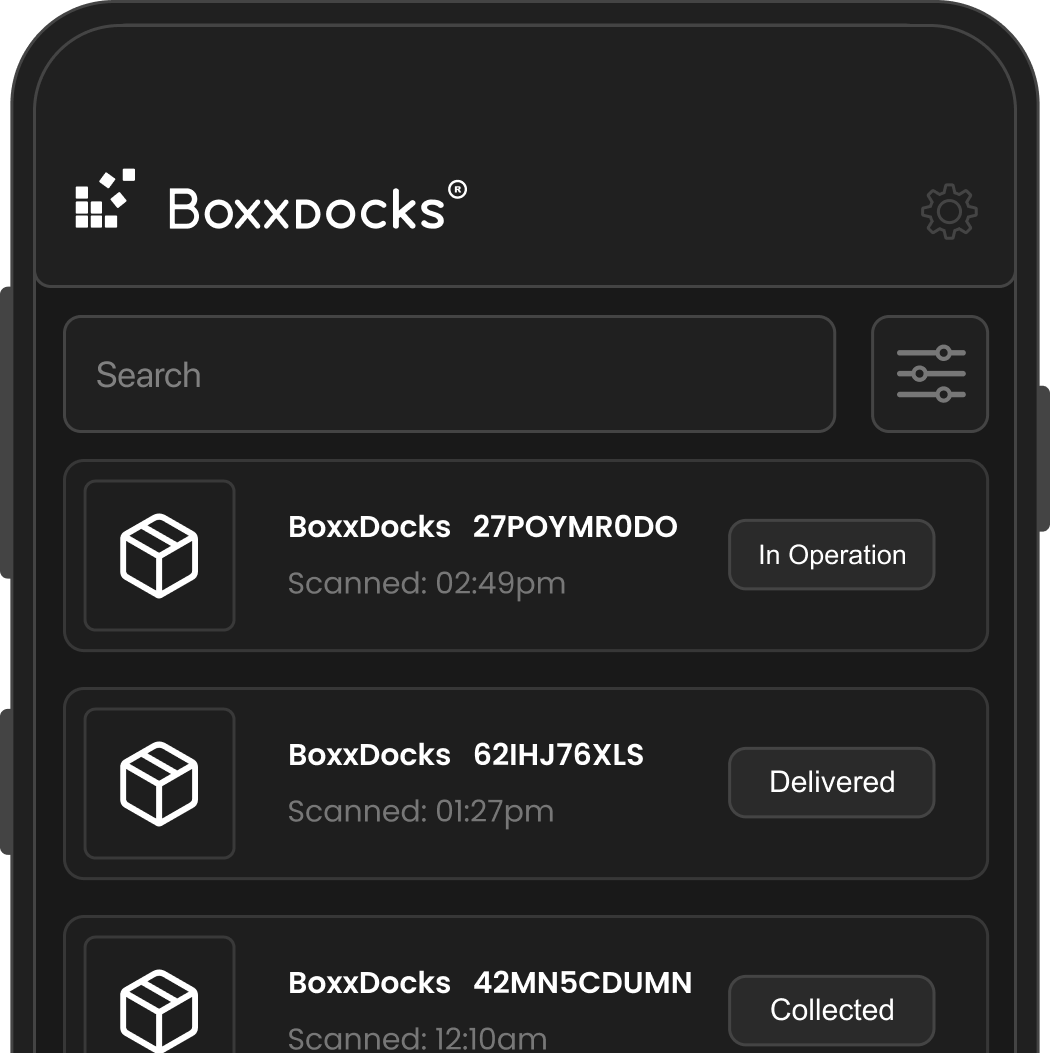
BoxxDocks AI Asset Tracking Platform
The Challenge
Asset tracking was manual, error-prone, and scattered across disconnected systems. The client had no centralized visibility into asset movement, no real-time location data, and no way to generate instant reports across multiple enterprise clients from a single platform.
Our Approach
We built BoxxDocks as an AI-enabled asset lifecycle platform using QR/NFC scanning, real-time dashboards, geolocation tracking, and a RAG-powered conversational engine that lets users query live operational data in plain English instead of navigating dashboards.
The Result
- Real-time inventory tracking across warehouses, transit, and delivery
- AI query engine for natural language insights
- LLM-powered reporting with anomaly detection
- Complete audit trail with location, timestamp, and status
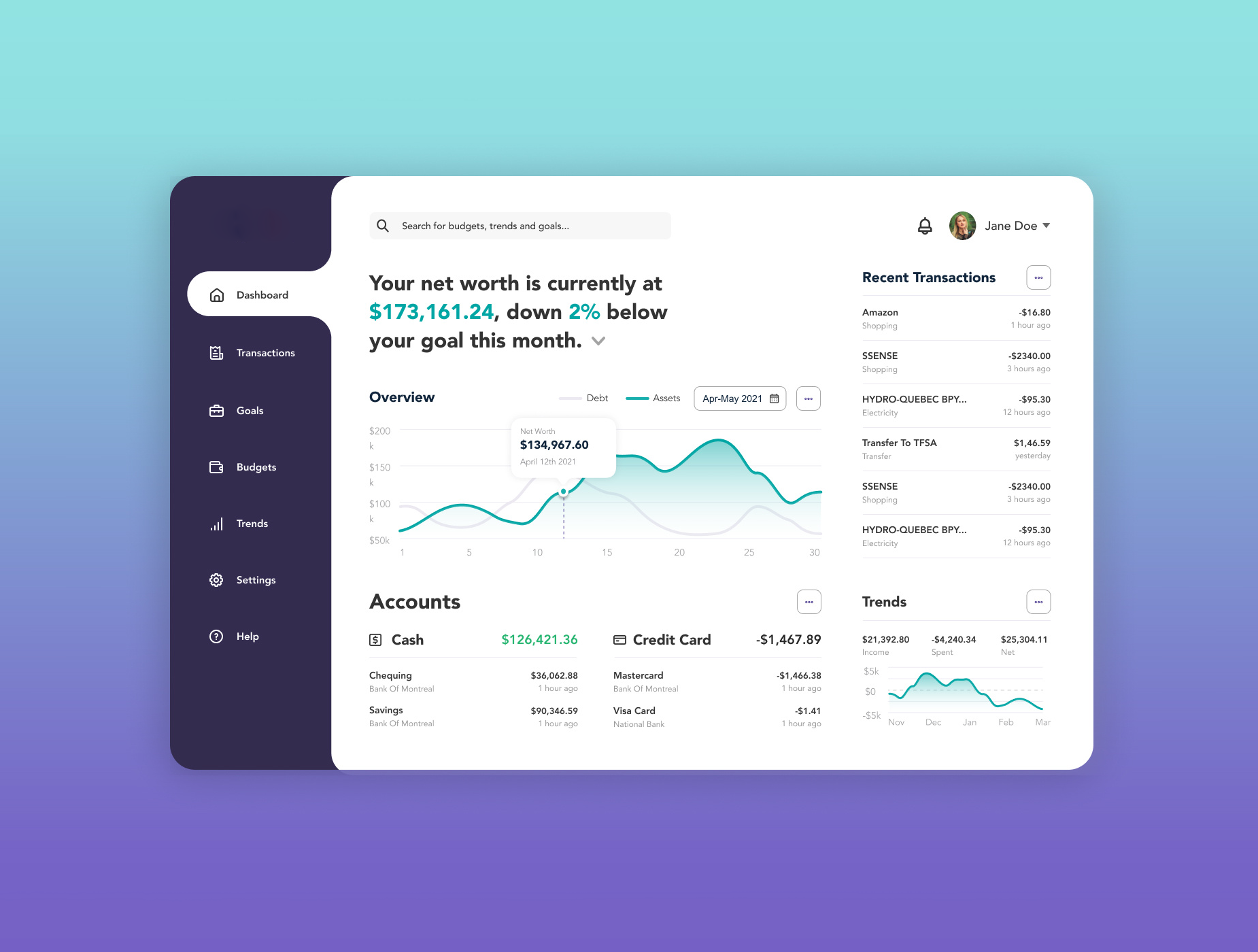
Parity AI AI Finance Platform
The Challenge
Personalized financial advice was expensive and limited to periodic meetings. Users had no way to consolidate banking, investments, debt, and insurance into one platform with real-time, AI-driven guidance.
Our Approach
We built Parity AI as an always-on financial wellness platform powered by AI. It securely pulls data from multiple sources, analyzes user behavior, forecasts outcomes, and delivers personalized recommendations — acting as a digital financial advisor, not a budgeting app.
The Result
- AI-powered financial planning across banking, investments, and debt
- Personalized recommendations based on life events and behavior
- Integrated financial education with actionable insights
IELTS AI-Powered Speaking Evaluator
The Challenge
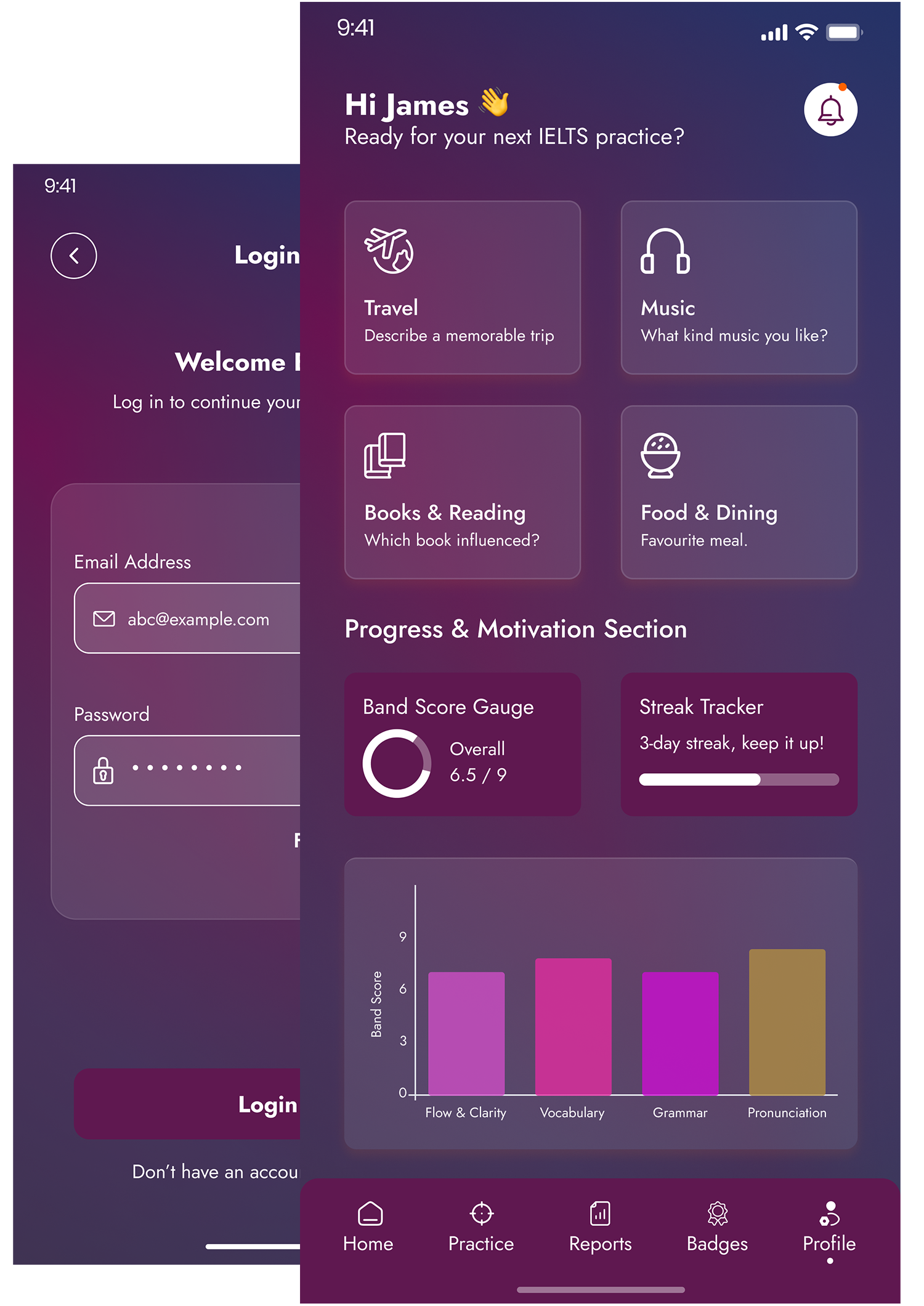
Human IELTS tutors cost $30-$80/hour with limited availability. Generic speaking apps lack authentic Part 1/2/3 exam structure, pronunciation feedback, and band-aligned scoring rubrics. Learners had no way to get unlimited, exam-authentic practice at scale.
Our Approach
We built a full-stack AI platform with a lifelike AI Avatar Examiner using LangGraph + Gemini conversation engine, Google Cloud TTS with viseme lip-sync, Faster-Whisper ASR, and a 6-layer IELTS evaluation pipeline scoring all 4 criteria with ±0.5-1.0 band accuracy.
The Result
- 1,000+ concurrent users with 2–3s response latency
- 10x lower cost than human examiners
- 6-service AI microservice with model preloading
- No-code admin panel for rapid content updates
Health E Livin AI Wellness Platform
The Challenge
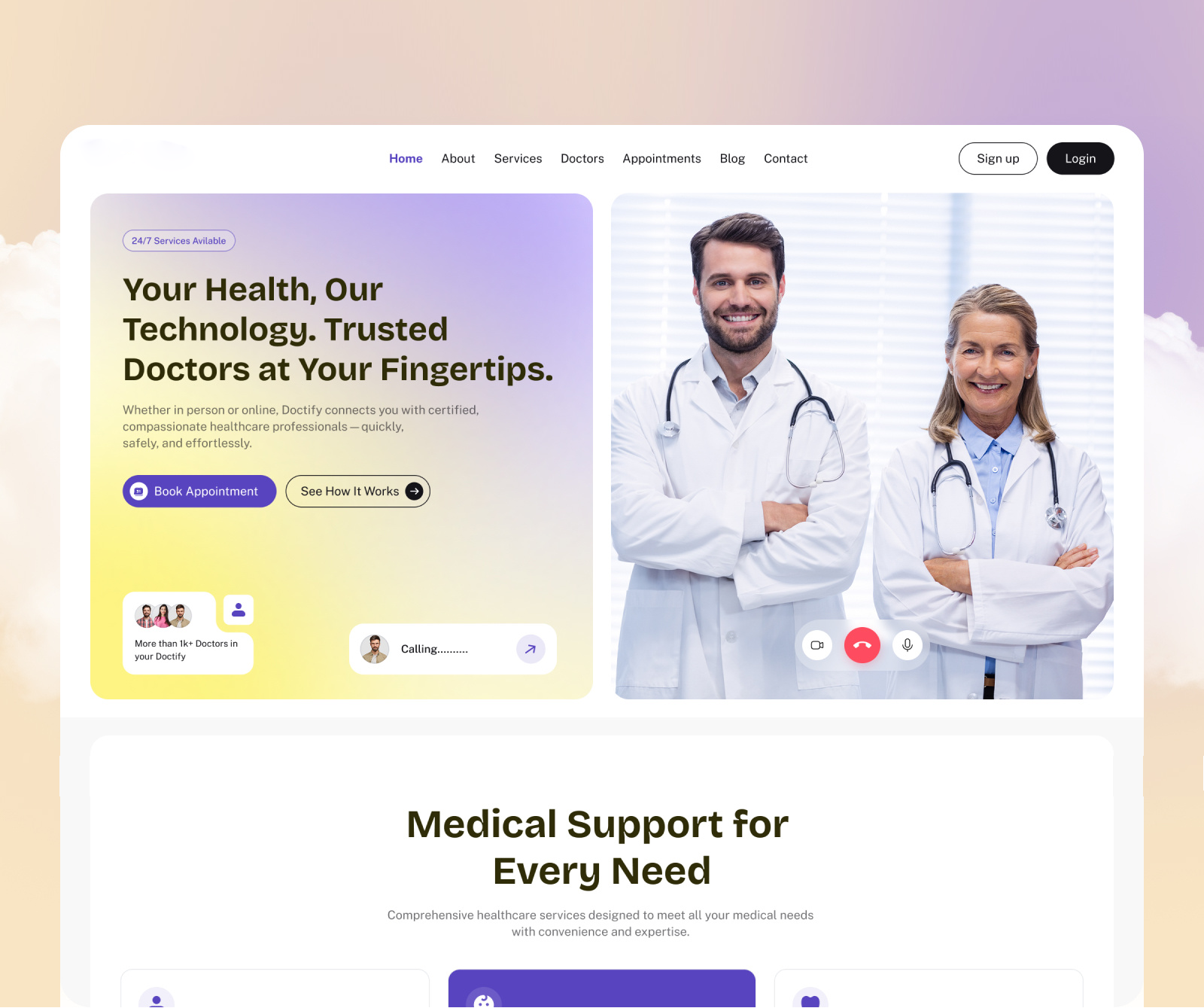
People struggling with mental health had no single platform to access trusted information, take confidential assessments, and find providers — all without stigma or privacy concerns.
Our Approach
We built HealtheLivin as an AI-powered mental wellness app with a conversational AI assistant, anonymous screenings, evidence-based resource library, and geolocation-based provider discovery — all on privacy-first cloud infrastructure.
The Result
- AI knowledgebase for natural language mental health support
- Confidential assessments with personalized wellness insights
- Location-based provider discovery for professional care
- Privacy-first architecture with encrypted data management
Today Fit Fitness App
The Challenge
Gyms, trainers, and users were stuck with disconnected tools for scheduling, payments, and fitness tracking. There was no single platform that combined personalized fitness with business management.
Our Approach
We developed TodayFit as an AI-driven fitness platform with trainer booking, personalized tracking, community features, and a SaaS layer for gym and trainer business management.
The Result
- 30% increase in user engagement
- 4.7+ average rating on the App Store and Play Store
- 60% growth in trainer bookings
- 45% increase in subscription conversions

SmartVend AI Smart Vending Platform
The Challenge
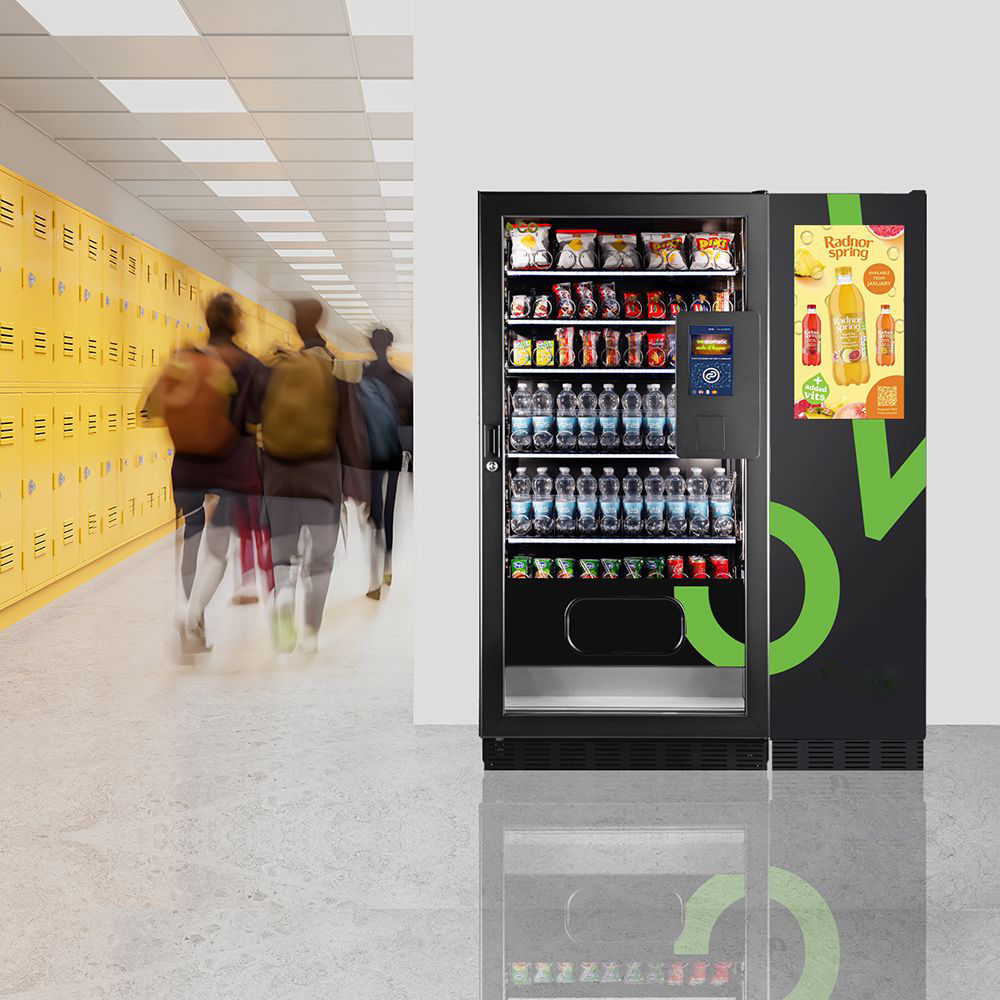
Managing a distributed vending machine network meant manual inventory tracking, disconnected payment systems, no remote management capability, and zero real-time visibility into machine health or sales performance across locations.
Our Approach
We built SmartVend as a cloud-connected IoT platform combining an Android kiosk app, centralized web portal, real-time inventory sync, hardware integration for payments and dispensing, and a digital advertising layer — all managed from a single dashboard.
The Result
- Real-time inventory sync with low-stock alerts
- Remote machine management across unlimited locations
- IoT integration for payments, dispensing, and monitoring
- Centralized sales analytics and revenue reporting
Building multi-agent systems with proven frameworks and tools
Our AI engineers work across modern agentic frameworks, foundation models, orchestration tools, vector databases, and cloud platforms, selecting the right stack to build multi-agent systems that are scalable, secure, and production-ready.
 Python
 R Programming
 Java
Java C++
C++ TypeScript
 Claude
 GPT-5.6
 Gemini
 Llama
Llama Mistral
 LangGraph
 CrewAI
 AutoGen
 PydanticAI
 PyTorch
 TensorFlow
 Hugging Face
 Scikit-learn
 JAX
JAX LangChain
  LlamaIndex
  Pinecone
 Weaviate
  pgvector
 AWS (Bedrock)
 Azure
Azure Vertex AI
 Databricks
 Snowflake
Deep Expertise in Agentic Systems
We bring strong expertise in AI engineering, enterprise application development, system integration, and distributed architectures to build multi-agent solutions that address complex challenges. Our teams understand how agents need to interact with enterprise systems, data, workflows, and users to deliver practical outcomes beyond isolated AI experiments.
Business-focused Agent Architecture
We design multi-agent systems around specific business objectives, not by simply adding more agents to a workflow. Each agent is assigned a clear role, while the overall architecture defines how agents communicate, coordinate, exchange context, and make decisions. This creates systems that are purposeful, manageable, and aligned with operational needs.
Enterprise Integration Capabilities
Multi-agent systems deliver greater value when they can work with the applications and data enterprises already depend on. We integrate agents with enterprise applications, APIs, databases, workflows, and other business systems, enabling them to retrieve information, trigger actions, and contribute directly to existing operational processes.
Focus on Reliability and Control
Autonomous systems require more than functional agents; they need mechanisms that keep behavior predictable and controlled. We incorporate validation, monitoring, human oversight, error handling, and defined decision boundaries into multi-agent solutions, helping enterprises maintain visibility and control while allowing agents to operate with greater autonomy.
Scalable System Design
As multi-agent workloads grow, architectures designed only for initial use cases can quickly become difficult to manage. We build systems with scalability in mind, allowing enterprises to introduce additional agents, workflows, integrations, and capabilities without requiring fundamental changes to the entire architecture or disrupting existing operations.
Continuous Optimization
Multi-agent systems evolve as they encounter real-world requests, and new business requirements. We support ongoing monitoring and optimization to identify coordination issues, improve agent performance, refine workflows, and strengthen system reliability, helping enterprises maintain effective operations as usage and complexity increase over time.
Handle Complex Workflows
Multi-agent systems can divide complex business processes into smaller, specialized tasks and assign them to agents with relevant capabilities. Instead of forcing one AI system to manage every part of a workflow, multiple agents can work on different stages simultaneously while coordinating their outputs to complete more sophisticated processes.
Improve Task Specialization
Different tasks require different capabilities, context, and decision logic. Multi-agent systems allow each agent to focus on a defined responsibility, such as research, planning, validation, or execution. This specialization can improve task accuracy and make individual agents easier to develop, test, monitor, troubleshoot, and optimize over time.
Enable Collaborative Decision-making
Multiple autonomous agents can independently evaluate different aspects of a problem, synthesize complex data points, and contribute their findings before a final decision is made. This creates opportunities for cross-checking, reasoning, validation, and consensus, making multi-agent architectures particularly useful for complex decision making.
Increase Operational Autonomy
Multi-agent systems can coordinate tasks across workflows with limited human intervention. Agents can interpret incoming information, determine the next action, delegate work, execute defined tasks, and respond to changing conditions. This enables enterprises to automate more sophisticated processes while retaining human involvement where judgment or approval remains necessary.
Adapt to Changing Requirements
Enterprise workflows rarely remain static. New systems, rules, data sources, and business requirements can change how processes operate. Multi-agent architectures make it possible to modify, replace, or introduce specialized agents without redesigning the entire system, providing greater flexibility as operational needs and business environments evolve.
Connect Disparate Enterprise Capabilities
Multi-agent systems can act as an intelligent coordination layer across applications, data sources, APIs, and business functions. Different agents can interact with different enterprise capabilities while collaborating toward a shared outcome, helping organizations connect fragmented processes and create more cohesive workflows without requiring every system to be rebuilt.
How we build and deploy multi-agent systems for enterprise workflows
We follow a structured process to design, develop, test, and deploy multi-agent systems, ensuring agents collaborate effectively, integrate with enterprise environments, and deliver reliable performance across complex workflows and evolving business requirements while maintaining security, scalability, and operational control.
1
Define Scope
We identify business objectives, workflows, expected outcomes, and autonomy requirements to establish a clear direction for the multi-agent system.
2
Design Architecture
We define agent roles, responsibilities, communication patterns, decision flows, shared context, and boundaries to create a coordinated system architecture.
3
Build Agents
We develop specialized multi-agent systems with the intelligence, knowledge, capabilities, and access required to perform their assigned responsibilities effectively.
4
Test Integration
We connect agents with relevant systems and validate collaboration, handoffs, decision-making, error handling, and performance across different scenarios.
5
Deploy & Optimize
We deploy the system, monitor real-world performance, and continuously improve agent behavior, coordination, reliability, and overall business outcomes.
Our engagement models for multi-agent development services
We offer flexible engagement models for building multi-agent systems, fixed-price for one scoped deployment, or pay-as-you-go while you figure out how many agents you actually need, matched to your actual need, not a generic package.

Fixed Price Model
Best for well-defined multi-agent projects, this model ensures clear scope, budget predictability, and timely delivery without surprises.
- Upfront agreed cost and project scope
- Milestone-based progress tracking
- No hidden charges or overheads
- Reliable delivery timelines and outcomes
Most Popular

Dedicated Teams Model
Ideal for businesses seeking long-term multi-agent development, this model provides a dedicated team of AI engineers working exclusively on your agent systems.
- Full control over team structure and workflows
- Highly scalable and cost-effective
- Direct communication with developers
- Increased focus and faster turnaround

Time & Material Model
Perfect for multi-agent projects with dynamic requirements, this model offers agility, cost control, and adaptability to continuous innovation.
- Flexible billing based on actual efforts
- Adjust resources and scope anytime
- Ideal for iterative and evolving projects
- Faster implementation and continuous optimization
Client testimonials and reviews showcasing the value we consistently deliver
Explore how our clients describe their journey with us, reflecting strong collaboration, effective execution, and consistent outcomes delivered across engagements. See how our delivery framework ensures consistency from initiation through to successful completion.
❝
Parity AI
We came to Xicom with an ambitious goal: make institutional-grade financial planning accessible to everyone through AI. Xicom went beyond the brief, blending conversational AI and predictive analytics into an effortless platform. Parity AI is exactly what we envisioned.

❝
RadioFX
Xicom took the time to understand what our stations and listeners actually need, building something tailored rather than generic. Live chat and polls are now core to how we connect with our audience — the app has become a true extension of our on-air presence.


❝
StudyBuddy
Xicom built exactly what our students needed: a secure space to connect, collaborate, and find tutoring support in one place. Their understanding of student behavior shows in how naturally everything fits together — StudyBuddy is something students genuinely rely on.

❝
BoxxDocks
Xicom helped us bring BoxxDocks to life exactly as we envisioned it. Their team understood the complexity of AI powered real-time asset tracking and delivered a platform that's both powerful and genuinely easy to use.


❝
TodayFit
We are very happy with their services. I cannot recommend them highly enough. The value, ability, and delivery that we have seen has been superb, and we look forward to continuing this relationship.


❝
SmartVend AI
Their team built SmartVend from the ground up, combining hardware integration, real-time inventory sync, and a centralized dashboard that completely changed how we operate. We couldn't have asked for a more capable technical partner.

❝
Tap Retail
Partnering with Xicom to develop our Tap Retail app and website was one of the best decisions we made. Their team demonstrated exceptional professionalism, technical expertise, and a deep understanding of our business goals.


❝
GoGmGo
Partnering with Xicom was a game-changer for us. They didn't just build software, they helped us redefine how we run our business. Their proactive support and deep domain knowledge gave us the confidence to innovate faster.

❝
DENVEN
Working with Xicom has been a transformative experience. Their team quickly understood our challenges and delivered a scalable, intuitive solution. I highly recommend Xicom to any organization seeking future-ready, high-performance digital products.

Top tech insights of our blog
Explore latest tech stories & News
✦ AI-First Company
Deep Insights into Emerging Technology and Innovation!
Stay ahead in the digital world with our latest insights covering AI trends, industry developments, and expert advice on building smarter businesses.
1800+
Projects
20+
Years Experience
Frequently asked questions
What is multi-agent AI development?
Multi-agent AI development involves building systems where multiple autonomous AI agents work together, each handling a specific task or role, to complete complex workflows that a single AI agent cannot manage alone. These agents communicate, share context, and coordinate actions to achieve a shared business outcome.
How is a multi-agent system different from a single AI agent?
A single AI agent handles one task or function in isolation. A multi-agent system uses several specialized agents that collaborate, each responsible for a distinct part of a process, such as data retrieval, decision-making, or execution, and hands off tasks between agents automatically.
What business processes can multi-agent systems automate?
Multi-agent systems can automate end-to-end workflows such as fraud detection and compliance checks, customer query resolution, claims processing, supply chain coordination, inventory management, and multi-step approval chains that span different departments or tools.
How long does it take to build a multi-agent AI system?
Timelines depend on the number of agents, integration complexity, and existing infrastructure. A scoped multi-agent deployment typically takes a few weeks to a few months. Xicom provides a project timeline after assessing your specific workflows and requirements.
Can multi-agent systems integrate with our existing software and tools?
Yes. Multi-agent systems can be built to integrate with existing CRMs, ERPs, databases, APIs, and internal tools, allowing agents to pull and act on data from your current infrastructure without requiring a full system overhaul.
What frameworks does Xicom use for multi-agent development?
Xicom's engineering team works with modern AI agent orchestration frameworks and large language models to design multi-agent architectures suited to your workflow, scalability, and compliance requirements.
Is multi-agent AI secure for industries like banking and healthcare?
Multi-agent systems can be built with role-based access controls, audit trails, and compliance safeguards to meet industry-specific regulatory requirements. Security architecture is designed around each client's data sensitivity and compliance standards.
What engagement models does Xicom offer for multi-agent development?
Xicom offers Fixed Price, Dedicated Teams, and Time & Material engagement models, so businesses can choose an approach based on project scope, timeline flexibility, and long-term development needs.
Do we need an in-house AI team to maintain a multi-agent system after deployment?
No. Xicom provides ongoing support and maintenance options, and can also train your internal team to manage and scale the system independently, depending on the engagement model chosen.
How do I get started with multi-agent development services from Xicom?
You can get started by sharing your current workflow and modernization goals with Xicom's team, who will assess your requirements and recommend a suited engagement model and project scope.
Every award marks a milestone in our journey of excellence
As AI-first digital engineering company, Xicom has earned global recognition for delivering innovative, scalable, and high-performing technology solutions. Our awards reflect the trust of clients and industry leaders alike.