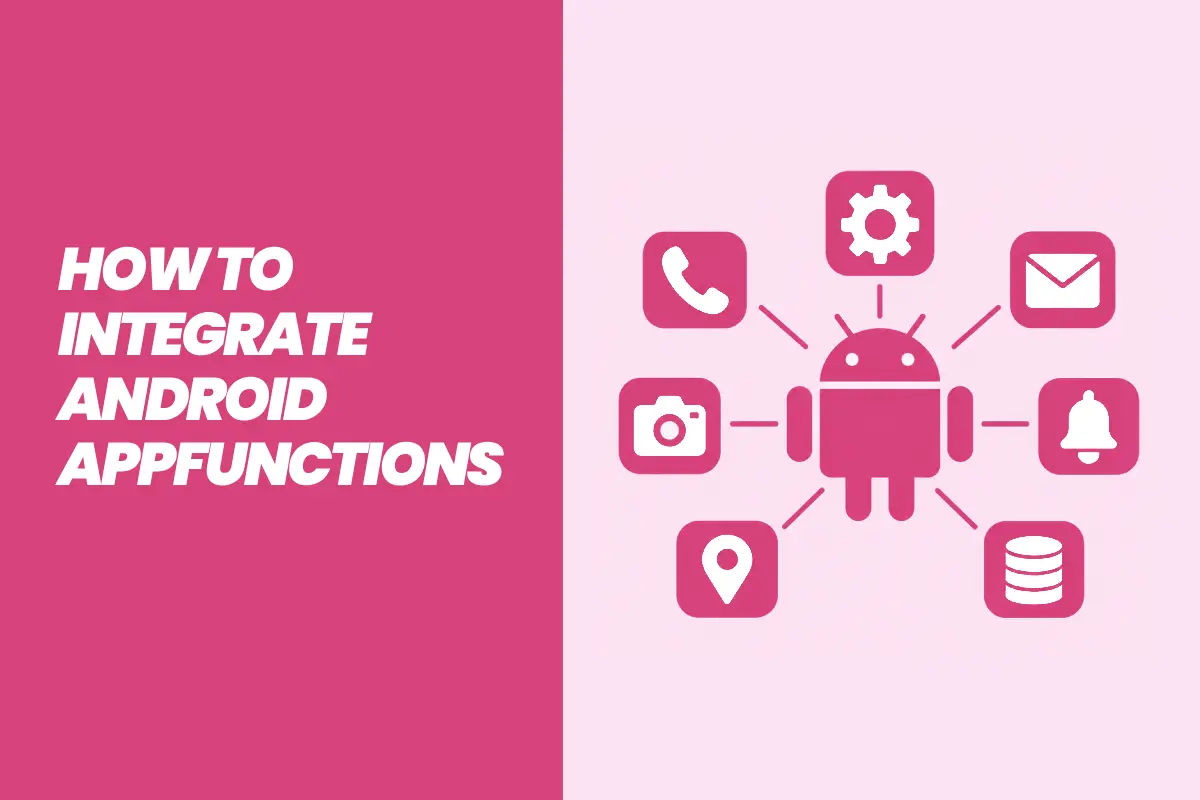
Quick AnswerTo integrate Android AppFunctions, pick a few high-value, low-risk actions in your app, wrap each one as a narrow function with the AppFunctions Jetpack library, describe it clearly in KDoc so agents know when to use it, add confirmation for sensitive actions, and test both the function itself and how well an agent selects it. AppFunctions run on Android 16 and above and are still an experimental preview, so design for API changes. For most of the smartphone era, getting something done meant opening an app and tapping through its screens. Android AppFunctions change that model. They let an Android app publish a small set of its own actions, such as creating a task, finding an order or logging an expense, so that an authorized AI agent like Gemini can find and run them when a user simply says what they want. For product owners, this raises a practical question: which parts of the app should agents be able to use, and how do you expose them without opening up the whole product? This guide walks through how to integrate Android AppFunctions into an AI-powered mobile app, from picking the first functions to testing them with real agent prompts. What Are Android AppFunctions? Android AppFunctions are an Android platform API with an accompanying Jetpack library that let an app expose specific capabilities as tools. Google describes them as the mobile equivalent of tools in the Model Context Protocol (MCP): where MCP connects agents to server-side tools, AppFunctions give agents
Read MoreNov 19, 2026 App Development Comments Off on How to Integrate Android AppFunctions Into an AI-Powered Mobile App
Nov 19, 2026 App Development Comments Off on How to Integrate Android AppFunctions Into an AI-Powered Mobile App
How to Integrate Android AppFunctions Into an AI-Powered Mobile App
Nov 18, 2026 App Development Comments Off on How Long Does It Take to Develop an App? Timeline by Complexity, Platform and Phase
Nov 18, 2026 App Development Comments Off on How Long Does It Take to Develop an App? Timeline by Complexity, Platform and Phase
How Long Does It Take to Develop an App? Timeline by Complexity, Platform and Phase
Quick AnswerHow long does it take to develop an app? A simple app usually takes 2-4 months to develop, a medium-complexity app 4-7 months and a complex app 7-12 months or longer. Development itself takes about half of that time. Discovery, design, testing and app store release make up the rest. A launch date set before the scope is clear is the most common reason app projects run late. So before asking how long does it take to develop an app, it helps to know what actually drives the number: the features you need, the platforms you target, the integrations behind the screens and the team doing the work. This guide breaks the timeline down with one consistent set of ranges, so every phase adds up to the total. Key Takeaways How Long Does It Take To Develop An App By Complexity? Complexity is the single best predictor of your timeline. It is less about the number of screens and more about what happens behind them: user roles, data flows, integrations and the rules the app must follow. Complexity Typical features Example apps Typical timeline Simple Login, profile, a few core screens, basic data storage, push notifications Event app, calculator or utility app, simple booking form 2-4 months (8-16 weeks) Medium Multiple user roles, payments, maps, chat, admin panel, third-party APIs Ecommerce app, fitness app, appointment booking platform 4-7 months (16-28 weeks) Complex Real-time features, multiple connected apps, AI features, compliance, legacy integrations, high security Fintech, telemedicine, on-demand delivery, enterprise
Read MoreNov 17, 2026 App Development Comments Off on Swift vs Objective-C: Key Differences & Which to Choose?
Nov 17, 2026 App Development Comments Off on Swift vs Objective-C: Key Differences & Which to Choose?
Swift vs Objective-C: Key Differences & Which to Choose?
Quick AnswerBuild new iOS apps in Swift. Keep Objective-C only where you maintain an existing codebase, depend on Objective-C-heavy SDKs or wrap large C and C++ libraries, and move that code to Swift in phases rather than through one big rewrite. Swift vs Objective-C is no longer a question of old versus new. Swift has been Apple’s primary language since 2014, while Objective-C still runs inside many long-lived production apps, third-party SDKs and Apple’s older frameworks. For CTOs and engineering leads, the real decision is narrower: which language should carry your next feature, and what should happen to the code you already have? Most comparisons still lean on talking points from Swift’s launch year. This guide looks at both languages as they stand today, including Swift 6’s compile-time data-race safety and the latest interoperability changes, then sets out a practical path for moving legacy code forward without pausing product work. Where Swift And Objective-C Stand Today The two languages sit at very different points in their life cycles, and that gap matters more than any syntax comparison. Swift: A Maturing, Cross-Platform Language Swift is open source, compiled and type-safe, and it has moved well beyond its 2014 launch. The Swift 6 language mode made data-race safety a compiler guarantee: the Swift concurrency migration guide explains that it prevents data races at compile time through data isolation, rather than leaving them to runtime locks and careful reviews. The releases since then have focused on making that model easier to adopt. Swift
Read MoreNov 17, 2026 App Development, Artificial Intelligence Comments Off on On-Device AI For Mobile Apps: Frameworks, Use Cases And How To Build
Nov 17, 2026 App Development, Artificial Intelligence Comments Off on On-Device AI For Mobile Apps: Frameworks, Use Cases And How To Build
On-Device AI For Mobile Apps: Frameworks, Use Cases And How To Build
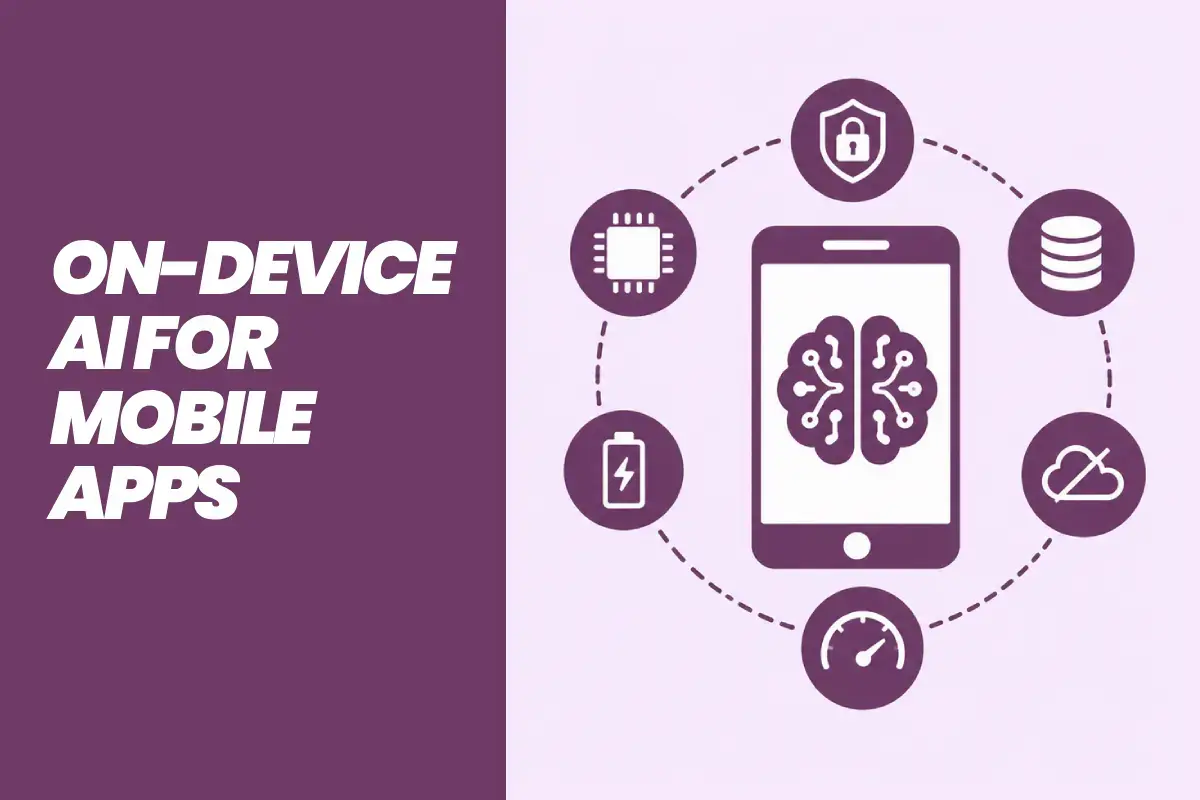
Key Takeaways Most AI features in mobile apps still depend on a server. Every summary, reply suggestion or image check travels to the cloud and back, adding cost, latency and privacy questions to each request. On-device AI changes that model, and both Android and iOS now give app teams the tools to build it into production apps. On-device AI means the AI model runs directly on the user’s phone, using the device’s own processor and neural hardware. The data stays on the device, the feature works offline, and there is no per-request cloud bill. Phones have run small machine learning tasks locally since 2017, but running full language models on a phone has only recently become practical for everyday apps. This guide covers the on-device AI frameworks available on Android, iOS and cross-platform stacks, the features you can build with them, real industry use cases, and a step-by-step process to build on-device AI into your mobile app. Why On-Device AI Matters For Mobile Apps Now The biggest shift is that the model now ships with the operating system. Google runs Gemini Nano inside Android’s AICore system service, and Apple gives developers direct access to the model behind Apple Intelligence. App teams no longer need to bundle, host or license a language model to add generative features. That change brings four practical benefits for businesses building on-device AI for mobile apps. Lower Running Costs Cloud AI is billed per request or per token, so costs grow with every active user. When
Read MoreNov 16, 2026 App Development Comments Off on Jetpack Compose in 2027: A Complete Guide for Android
Nov 16, 2026 App Development Comments Off on Jetpack Compose in 2027: A Complete Guide for Android
Jetpack Compose in 2027: A Complete Guide for Android
Android UI development has reached a turning point. For years, apps were built with XML layouts and the View system. In 2027, Jetpack Compose is no longer just the modern option. It is the foundation Google is building Android around. With Android 17, Google has made Android Compose-first. New APIs, libraries and tools are designed for Compose, while older View-based libraries now receive only critical fixes. For any business planning a new Android app or maintaining an older one, that changes the math on cost, timelines and long-term support. This jetpack compose guide explains what Compose is, why it matters now, how it compares with XML, what it means for AI features and large screens, and how to plan a migration. If you are planning a build, our team works as a custom Android app development company for businesses in the US and worldwide. Key Takeaways What Is Jetpack Compose? Jetpack Compose is Android’s modern toolkit for building user interfaces. Instead of designing screens in XML files and then updating them from code, developers describe what the UI should look like for a given state, written entirely in Kotlin. When the data changes, Compose updates the screen automatically. With XML layouts, the interface and the logic live in separate places, and developers must find views and update them by hand. With Compose, the UI is just Kotlin functions, called composables, that take data and return UI. That usually means less code, fewer sync bugs between screen and data, and faster
Read MoreNov 16, 2026 App Development Comments Off on SwiftUI vs UIKit in 2027: Which Should You Choose for Your iOS App?
Nov 16, 2026 App Development Comments Off on SwiftUI vs UIKit in 2027: Which Should You Choose for Your iOS App?
SwiftUI vs UIKit in 2027: Which Should You Choose for Your iOS App?
If you are planning a new iPhone app or modernizing an existing one in 2027, the SwiftUI vs UIKit question will come up early. It shapes how fast your team ships, how much the app costs to maintain, and how easily you can add the features users now expect. The stakes are higher this year. iOS 27 brings deeper Apple Intelligence features, foldable and larger-screen iPhones demand layouts that adapt to any window size, and on-device AI is becoming a standard part of good apps rather than an extra. This guide explains the real differences between SwiftUI and UIKit from a business point of view: cost, timeline, team, AI readiness and long-term upkeep. Key Takeaways The Short Answer In the SwiftUI vs UIKit choice for 2027, SwiftUI is the right default for most new iOS apps. It is faster to build with, adapts more easily to new screen sizes, and fits naturally with Apple’s newest AI frameworks. UIKit is still the better choice for large legacy apps, highly custom interfaces and apps that must support older iOS versions. Many serious apps use both. Choose SwiftUI if: Choose UIKit if: Swift, SwiftUI and UIKit Explained in Plain Terms A lot of confusion in the swift vs swiftui debate comes from comparing things that are not the same kind of tool. Here is the simple version. Swift is the programming language. Apple introduced it in 2014 to replace Objective-C, and it is now the standard language for iOS development. The Swift project
Read MoreNov 16, 2026 App Development Comments Off on Kotlin vs Java for Android App Development: Which Should You Choose in 2027?
Nov 16, 2026 App Development Comments Off on Kotlin vs Java for Android App Development: Which Should You Choose in 2027?
Kotlin vs Java for Android App Development: Which Should You Choose in 2027?
Choosing a language is one of the first decisions in any Android project, and in 2027 the Kotlin vs Java question has a clearer answer than ever. It still deserves a careful look, because the right choice depends on whether you are starting fresh or maintaining an app that already runs on Java. Three changes make the decision more important this year. Android 17 is built around Jetpack Compose, apps must now adapt to tablets, foldables and large screens, and on-device AI is becoming part of everyday app features. This guide compares Kotlin and Java from a business point of view: what each means for your budget, timeline, team and roadmap. If you are planning a new build or a modernization. Key Takeaways The Short Answer When it comes to Kotlin vs Java for Android, the answer for new apps in 2027 is Kotlin. Google has made Compose the center of Android development, and its newest tools, samples and AI features assume Kotlin. Java remains a reliable language, and it still makes sense when you already have a large, stable Java codebase or share code with Java backend systems. Choose Kotlin if: Stick with Java if: What Is the Difference Between Kotlin and Java? Java has been around since the mid-1990s and was the original language of Android. It runs on the JVM, powers a huge share of enterprise and backend software, and keeps improving through OpenJDK releases. Modern Java includes records, the var keyword and, on the server side,
Read MoreNov 12, 2026 App Development Comments Off on How Much Does it Cost to Develop a Fintech App?
Nov 12, 2026 App Development Comments Off on How Much Does it Cost to Develop a Fintech App?
How Much Does it Cost to Develop a Fintech App?
Quick AnswerBuilding a fintech app typically costs $35,000 to $450,000+. A data-only budgeting MVP falls between $35,000 and $80,000, a payments, lending or wallet app between $80,000 and $200,000, and a multi-product investment or trading platform between $200,000 and $450,000 or more. Whether the app handles customer money is the factor that moves the number most. Founders who request quotes for a fintech product often receive figures that differ by a factor of five or more. The gap rarely reflects one vendor overcharging. More often, each firm has made different assumptions about what the product must do, which markets it will serve and how much risk it must handle. This guide explains fintech app development cost the way delivery teams actually estimate it. It covers price ranges by complexity, product type and individual feature, the budget impact of AI, regional compliance and labor rates, and the running costs that appear after launch. Every range here is an estimate meant to support planning, not a fixed quote. How Much Does It Cost to Develop a Fintech App? The most reliable way to place your product in a price band is to answer one question first: will the app only show financial information, or will it hold, transfer or lend money? Data-only apps connect to accounts a user already holds elsewhere. They import transactions, categorize spending, track goals and present insights. Because they never take custody of funds, they avoid settlement logic, chargebacks and most money transmission obligations. Money-handling apps are a
Read MoreNov 11, 2026 App Development 0
Nov 11, 2026 App Development 0
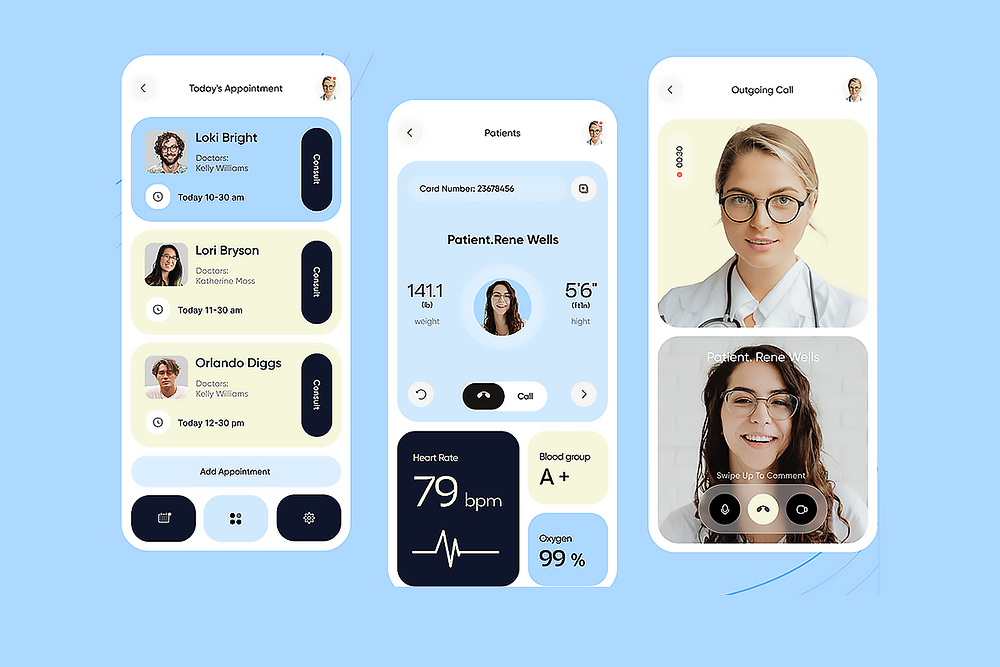
17 Healthcare Business Ideas for 2027: AI, Startup and Small Business Ideas
The healthcare industry continues to grow and evolve at a rapid pace. So what are the top healthcare business ideas for startups and enterprises that help you unlock new business opportunities in 2025? From AI diagnostics to AR-based wellness retreats, here we have compiled top healthcare business ideas to refer to.
Read MoreNov 9, 2026 Artificial Intelligence, App Development 1
Nov 9, 2026 Artificial Intelligence, App Development 1
How Much Does It Cost to Develop an AI App? Full Breakdown, Factors & Estimations
So, how much does AI app development cost in 2026? This guide breaks down pricing models, cost-influencing factors, and estimated budgets to help you plan your next business app in a strategic way. Consider this guide to make an informed decision about successful AI app development.
Read MoreNov 6, 2026 App Development Comments Off on How Much Does It Cost to Build a Hotel Booking App? Full Cost Breakdown

Nov 6, 2026 App Development Comments Off on How Much Does It Cost to Build a Hotel Booking App? Full Cost Breakdown
How Much Does It Cost to Build a Hotel Booking App? Full Cost Breakdown
Quick AnswerHotel booking app development cost runs about $21,000 to $44,000 for a single-property direct booking app, $48,000 to $104,000 for a hotel chain app with loyalty and PMS integration, and $96,000 to $200,000+ for an OTA or marketplace with an offshore team. A US-based agency charges roughly 3 to 4 times more for the same hours. Store fees, payment fees, PMS or channel manager subscriptions and yearly maintenance are separate. How much does it cost to build a hotel booking app? Online answers range from $20,000 to $500,000, often on the same page. The real number depends on how many properties the app serves, which property management system (PMS) it connects to, whether it handles payments, loyalty or mobile keys, and who builds it. This guide is for US hotel owners, hotel groups and travel startups who want a budget they can defend. Every figure comes from one model: estimated hours × hourly rate + fixed costs. You will see cost by tier, phase and app type, three hotel apps priced end to end, running costs, and the direct booking maths against OTA commissions. All prices are in US dollars and exclude sales tax, and our methodology explains how they were built. Key Takeaways How Much Does It Cost to Develop a Hotel Booking App? The cost to develop a hotel booking app depends on how many properties it covers, how deeply it connects to your PMS and distribution systems, and how many user roles it supports. The table
Read MoreNov 6, 2026 App Development 0
Nov 6, 2026 App Development 0
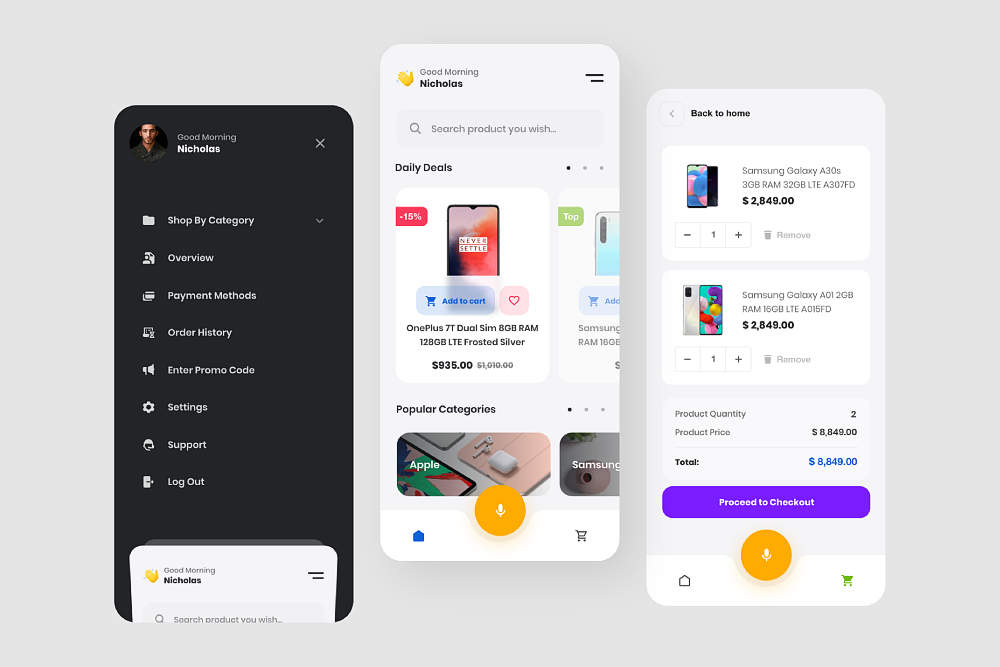
How Much Does It Cost to Develop a Marketplace App Like Amazon?
Amazon-like Multi-vendor marketplace apps have taken a central stage and hold over $1 trillion in sales. This makes businesses venture into developing marketplace apps that replicate Amazon. But how much does it cost to create a marketplace app like Amazon? Here we have a detailed blog to refer to.
Read MoreNov 5, 2026 App Development 0
Nov 5, 2026 App Development 0
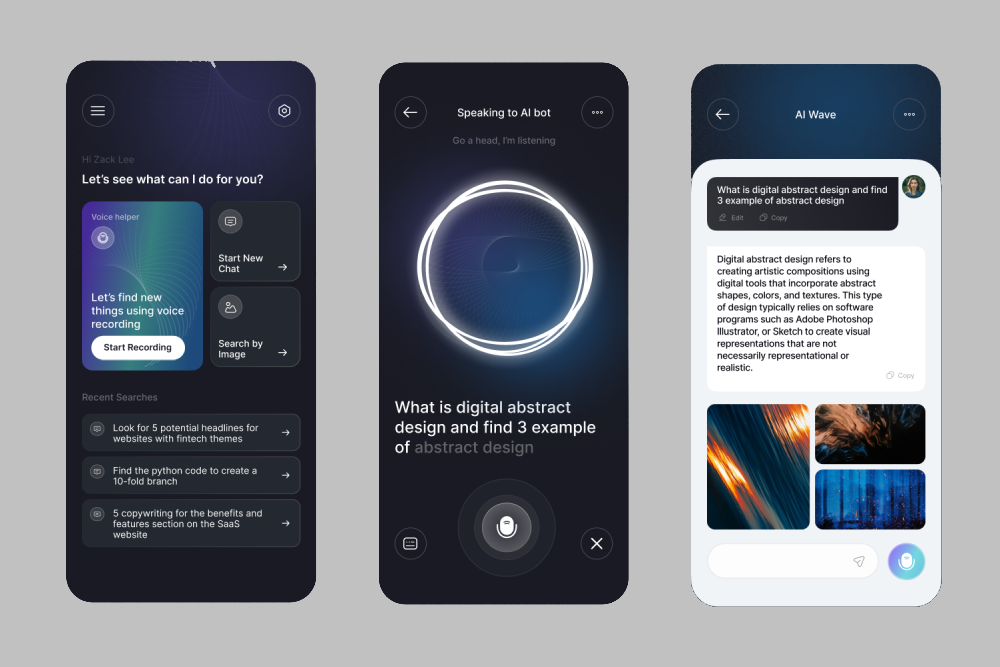
Top Mobile App Development Trends in 2027 and Beyond
Looking to create a mobile app in 2026? But the simple way to make your app stand apart in the competitive market is to adopt top mobile app development trends in 2026, including AI/ML algorithms, customized apps for foldable devices, On-demand apps, and more.
Read MoreNov 3, 2026 App Development 0
Nov 3, 2026 App Development 0
100+ Mobile App Development Ideas for Businesses and Startups
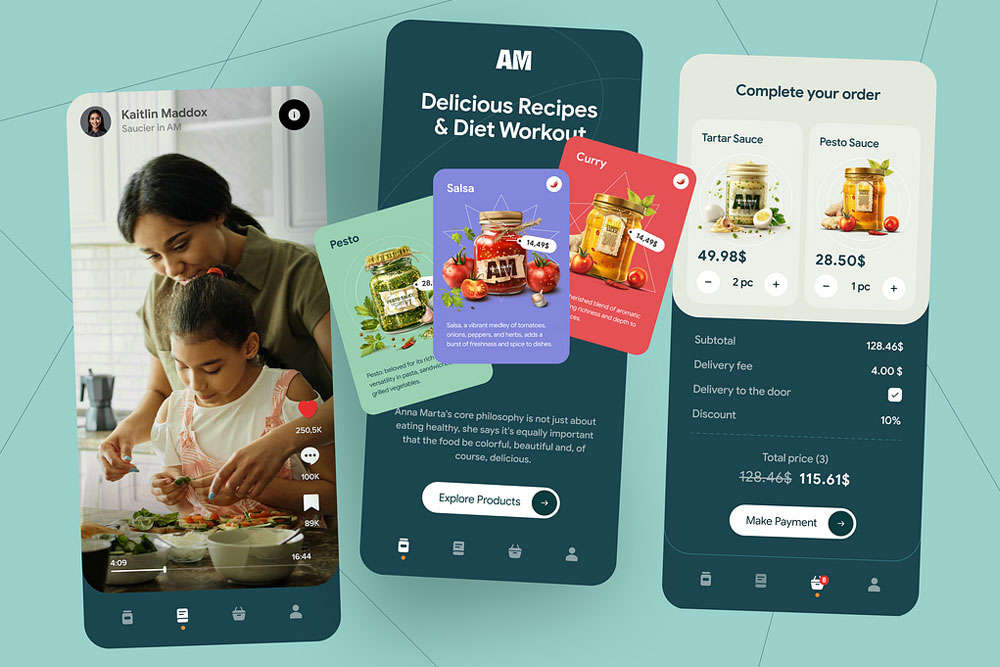
Discover 115+ top mobile app development ideas for 2026! From AI-powered solutions to on-demand services, explore innovative app concepts that can drive success in the ever-evolving digital landscape. Stay ahead of the curve with the latest trends and opportunities!
Read MoreNov 3, 2026 App Development 0
Nov 3, 2026 App Development 0
How to Develop an On-Demand Roadside Assistance App?
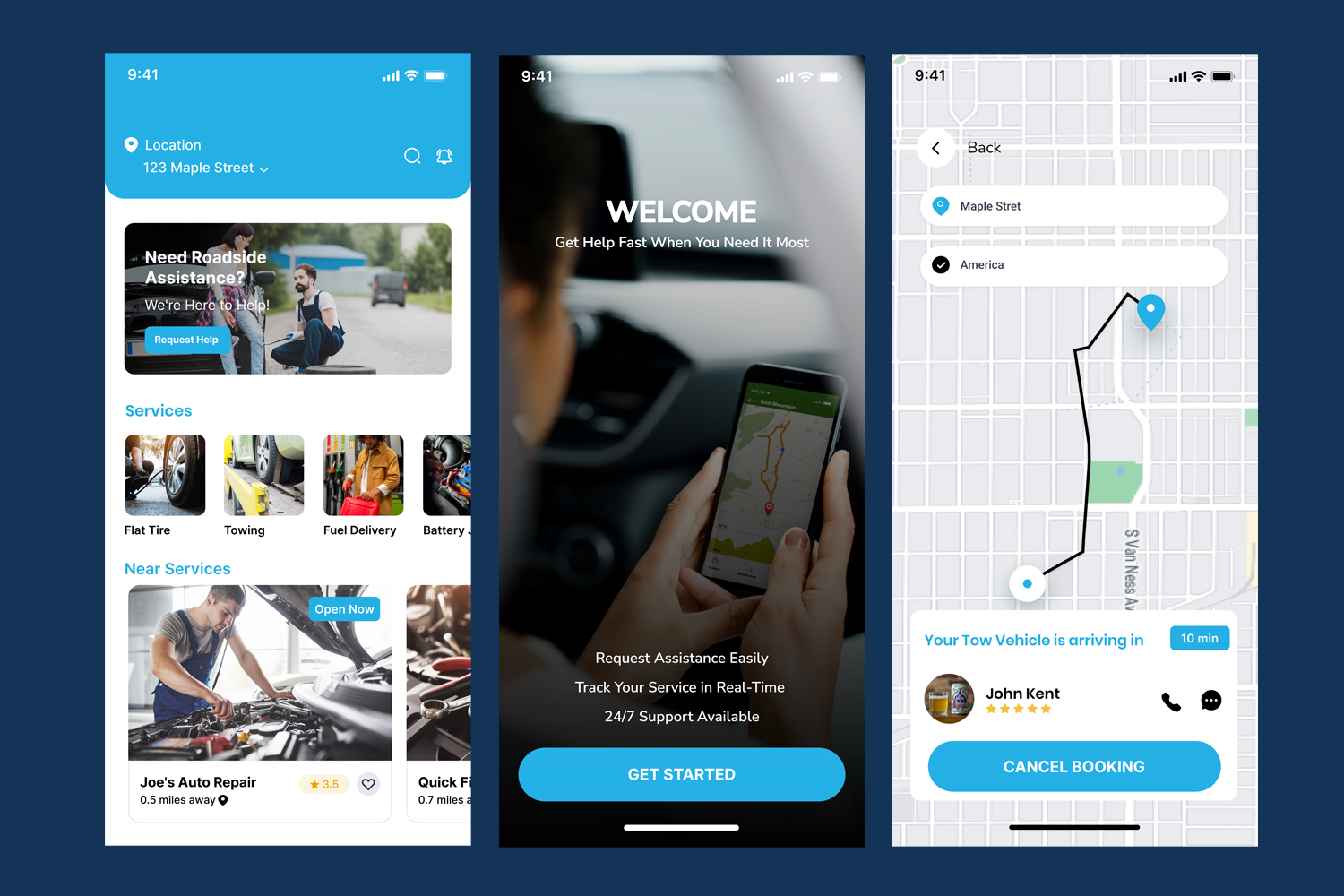
Troubling with a flat tire all alone on the highway can be a serious situation that anyone can deal with. And this is common to happen with every fourth person. This is where planning to launch an on-demand roadside assistance app can be a great business idea for you. Here are the complete details including features, market overview, cost, monetization strategies, and more.
Read MoreNov 2, 2026 App Development 0
Nov 2, 2026 App Development 0
Medication Management App Development: Cost Features, and Types
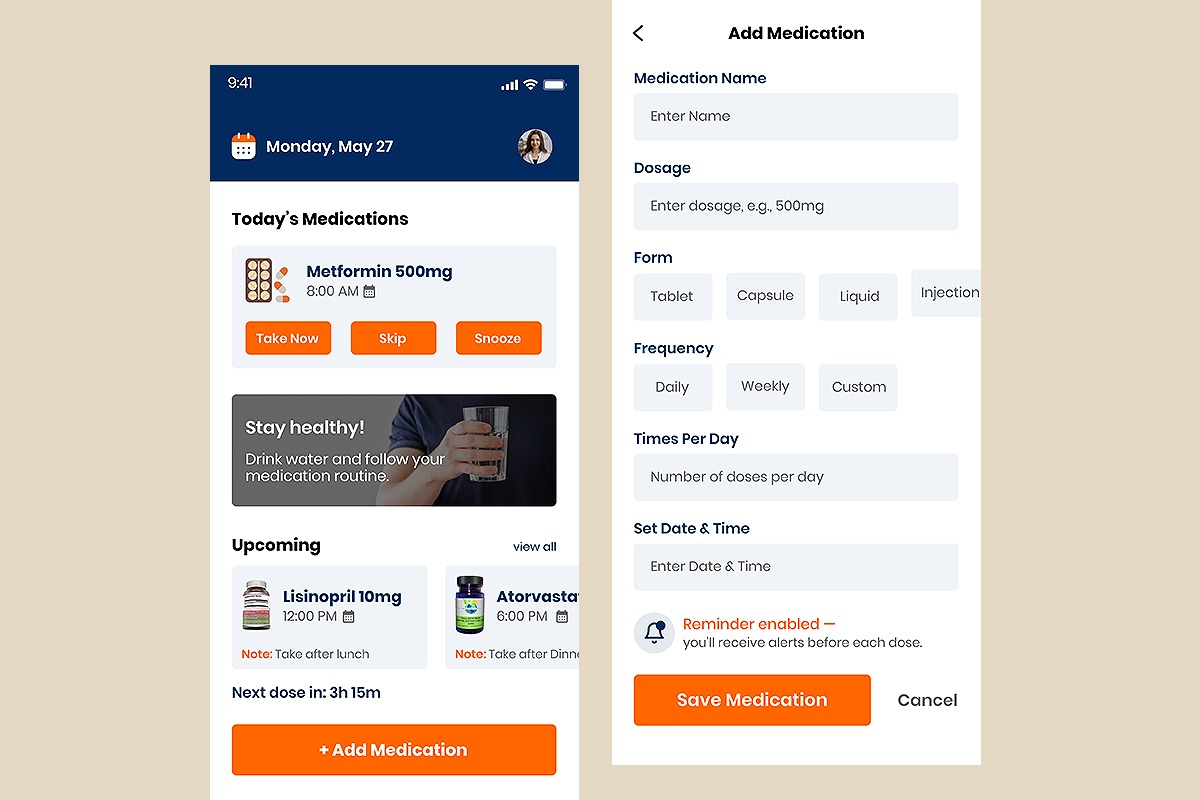
Here is our comprehensive blog on medication management app development that offers insights into key features, benefits, development costs, and app types to help you create effective, user-friendly medication tracking solutions for better patient care and health outcomes.
Read MoreNov 2, 2026 App Development 0
Nov 2, 2026 App Development 0
How to Develop a Doctor Appointment Booking App? Cost, Features & Tech Stack
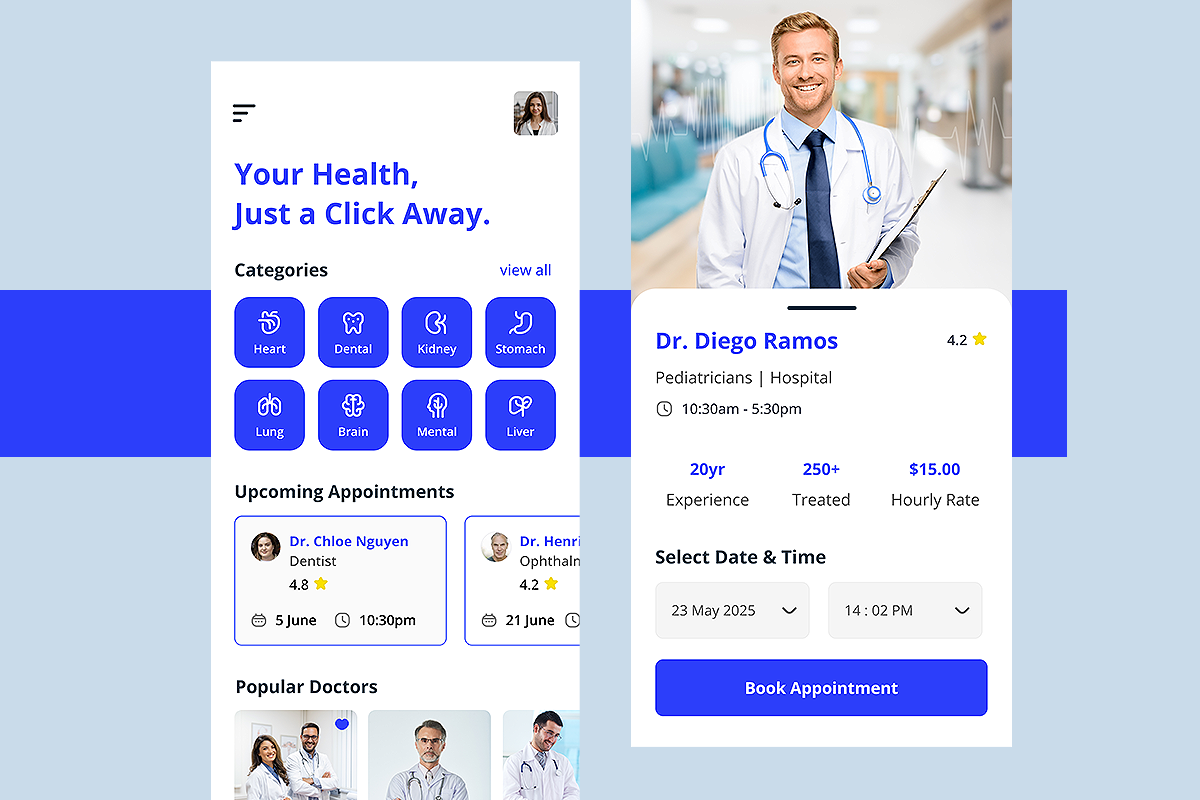
Give your patients access to seamless doctor booking services and cut down the hassle of waiting long by choosing online doctor appointment booking app development services. In this blog, we have discussed its average cost, features, tech stack, monetization strategies, and more.
Read MoreNov 2, 2026 App Development 0
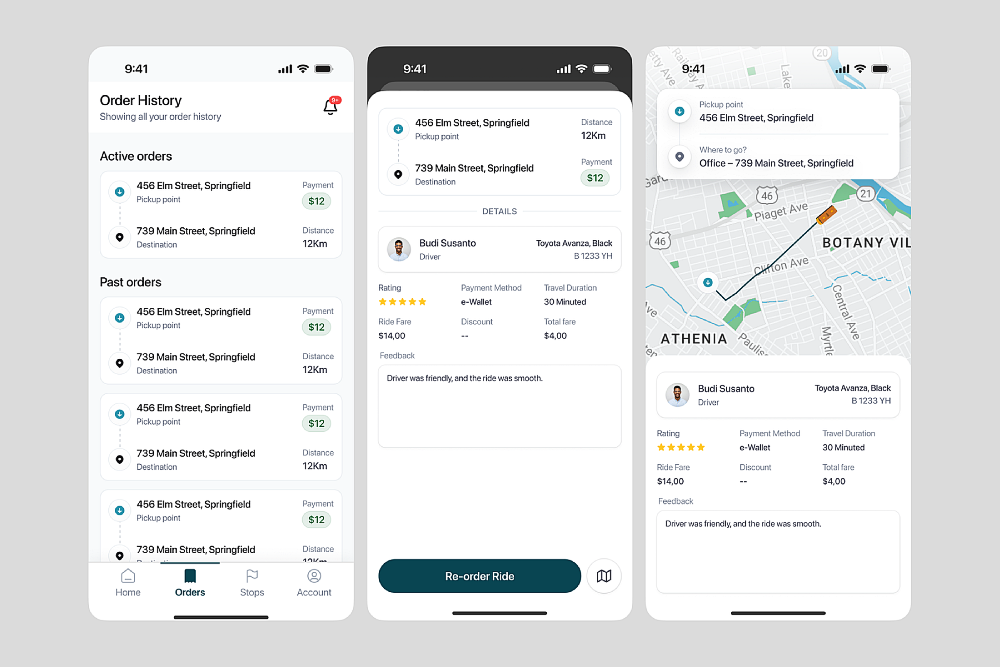
Nov 2, 2026 App Development 0
How Much Does it Cost to Create a Taxi Booking App?
Looking to become the next big name after Uber in the on-demand taxi booking app industry? Venturing into the taxi booking app industry is a worthy decision. Here we have a complete guide estimating the cost to create a taxi booking app, its timeline, features, tips and ways to monetize the app solution. Let's get into it!
Read MoreNov 2, 2026 App Development 0
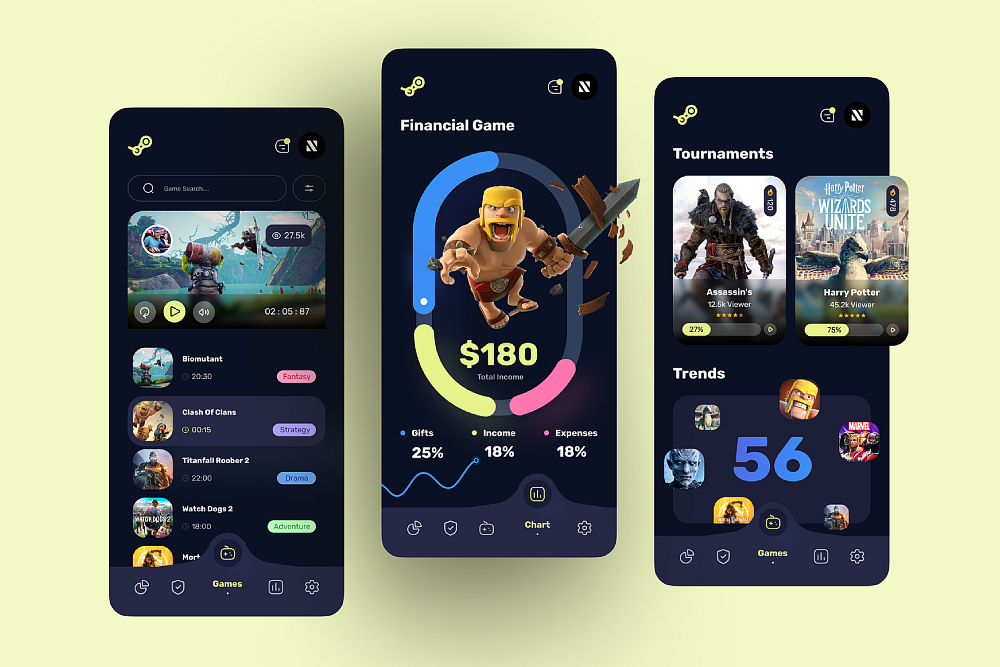
Nov 2, 2026 App Development 0
Mobile Game App Development Cost in 2027: Budgets by Game Type
Quick AnswerMobile game app development cost ranges from about $15,000 to $40,000 for a hyper-casual game, $30,000 to $90,000 for a casual or puzzle game, $90,000 to $250,000 for a mid-core multiplayer game, and $150,000 to $400,000+ for a 3D RPG or story-driven game, built once for iOS and Android with an engine such as Unity. These figures assume a blended offshore or hybrid team; an all-US studio typically costs 2 to 3 times more. Budget a separate amount for launch marketing and 15% to 40% of the build cost per year for updates and live ops. Mobile is still the biggest part of the games business. Newzoo expects players to spend $121.1 billion on mobile games in 2026, more than half of the $213.9 billion global games market, with about 3.1 billion people playing on mobile at least occasionally. The audience is huge, but so is the competition, which is why the budget question matters. So how much does it cost to make a mobile game in 2027? This guide starts with budgets by game type, then shows where the money goes, which choices push the cost up or down, what engines and stores charge, and the post-launch costs that catch most first-time publishers off guard. Mobile Game App Development Cost by Game Type Genre and scope decide most of the budget. Here is what each type typically costs to build for iOS and Android. Game Type What You Get Estimated Cost Timeline Hyper-casual One core mechanic, simple 2D
Read MoreNov 2, 2026 App Development Comments Off on React Native App Development Cost in 2027: Full Breakdown

Nov 2, 2026 App Development Comments Off on React Native App Development Cost in 2027: Full Breakdown
React Native App Development Cost in 2027: Full Breakdown
Quick AnswerReact Native app development cost ranges from about $25,000 to $50,000 for a simple app, $50,000 to $110,000 for a medium-complexity app, and $110,000 to $250,000+ for a complex app, with one codebase covering both iPhone and Android. That is often 30% to 40% less than building two separate native apps. These figures assume a blended offshore or hybrid team; an all-US team typically costs 2 to 3 times more. Plan about 15% to 20% of the build cost per year for maintenance and framework upgrades. React Native lets one team write a single JavaScript or TypeScript codebase that runs as a real native app on both iOS and Android. That is the main reason businesses choose it: one team, one codebase, two app stores. It is also why the React Native app development cost is usually lower than paying for two native apps, but not as low as some guides suggest. This guide answers the practical question: how much does it cost to build a React Native app in 2027? You will see costs by complexity, by development phase, and by app type, where React Native saves money and where it does not, and the hidden costs teams often miss. React Native App Development Cost at a Glance App Complexity What It Usually Includes Estimated Cost (iOS + Android) Timeline Simple A handful of screens, login, content or forms, push notifications, light backend $25,000 – $50,000 2 – 4 months Medium Custom UI, backend with admin panel, payments,
Read MoreNov 2, 2026 App Development Comments Off on Flutter App Development Cost in 2027: Pricing by Feature & Platform

Nov 2, 2026 App Development Comments Off on Flutter App Development Cost in 2027: Pricing by Feature & Platform
Flutter App Development Cost in 2027: Pricing by Feature & Platform
Quick AnswerFlutter app development cost ranges from about $25,000 to $50,000 for a simple app, $50,000 to $110,000 for a medium-complexity app, and $110,000 to $250,000+ for a complex app, with one Dart codebase for iPhone and Android. Adding a web or desktop version from the same code often costs 15% to 30% more, far less than a separate build. These figures assume a blended offshore or hybrid team; an all-US team typically costs 2 to 3 times more. Flutter is Google’s open-source framework for building apps from a single codebase. It draws its own interface instead of relying on each platform’s components, which gives designers pixel-level control and lets the same app run on iOS, Android, web, and desktop. That flexibility is why the Flutter app development cost is attractive for businesses that want a polished, consistent brand experience everywhere. So how much does it cost to build a Flutter app in 2027? This guide prices it by complexity, by feature, and by platform target. It also compares Flutter with React Native and native development, and lists the ongoing costs to plan for after launch. Flutter App Development Cost by Complexity App Complexity What It Usually Includes Estimated Cost (iOS + Android) Timeline Simple A few screens, login, forms or content, push notifications, light backend $25,000 – $50,000 2 – 4 months Medium Custom UI and animations, backend with admin panel, payments, maps, chat $50,000 – $110,000 4 – 7 months Complex Real-time features, video, offline sync, AI, multiple
Read MoreOct 30, 2026 App Development 0

Oct 30, 2026 App Development 0
Grocery Delivery App Development Cost: What It Really Takes to Budget in 2027
Online grocery shopping is never going away, therefore the demand for unique grocery delivery apps remains alive in the market. But how much does it cost to develop a grocery delivery app? Here's a complete blog, explaining the budget breakdown, features, tech stack, and monetizing strategies.
Read MoreOct 30, 2026 App Development 0
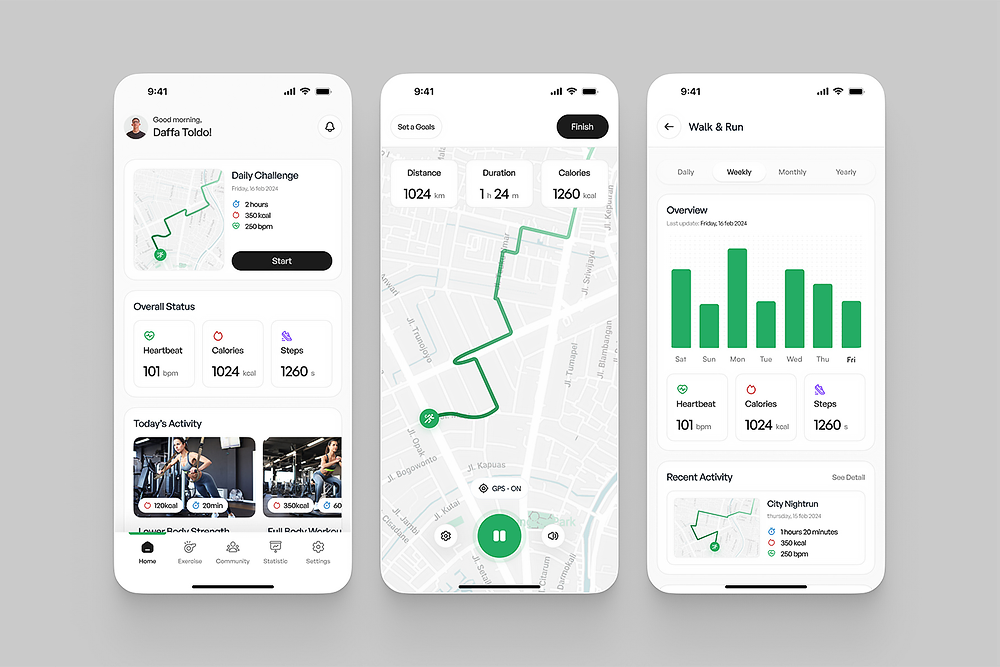
Oct 30, 2026 App Development 0
How Much Does it Cost to Create a Healthcare App?
Discover the cost of creating a healthcare app, key features, latest tech trends, and profitable business models. Learn what impacts development expenses and how to build a competitive, user-friendly healthcare solution. Optimize costs while ensuring innovation!
Read MoreOct 30, 2026 App Development 0
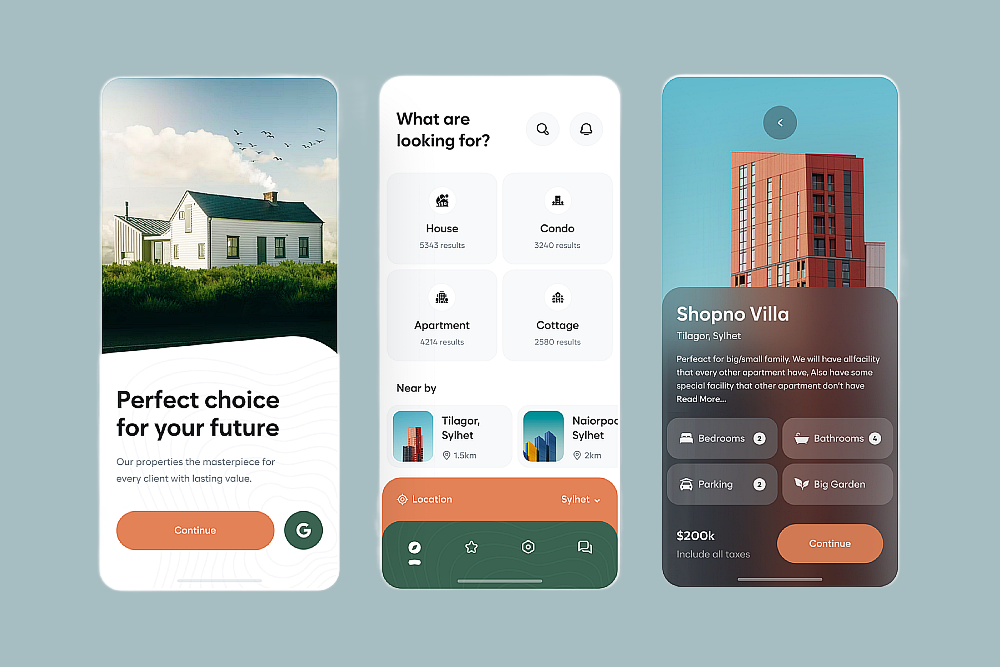
Oct 30, 2026 App Development 0
How Much Does it Cost to Create a Real Estate App?
Buying and selling a property always seems to be a nasty task to both buyers and sellers. But with real-estate mobile app development, you can streamline the process, cut down on intermediaries, and able to automate the operations. But what would be the average cost of real estate app development solution? Here's a detailed guide to refer to.
Read MoreOct 30, 2026 App Development 0
Oct 30, 2026 App Development 0
How Much Does It Cost to Create a Self-Care App like Happify?
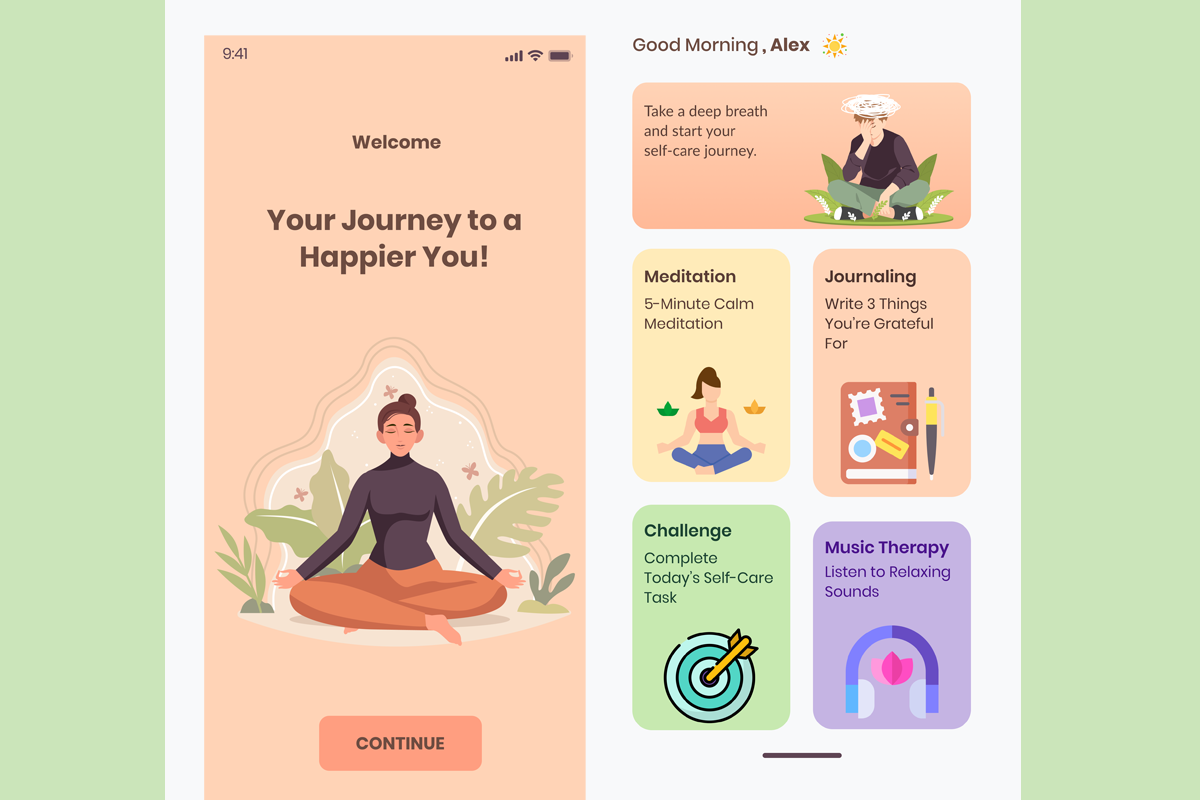
Looking to create a self-care app that provides strength to fight against depression, anxiety, and other mental illness? Here’s how much it will cost to create a self-care app like Happify along with its features, monetization strategies, and tips to succeed in the competitive market.
Read MoreOct 29, 2026 App Development 0
Oct 29, 2026 App Development 0
iOS App Development Cost: How Much Does It Cost to Build an iPhone App?
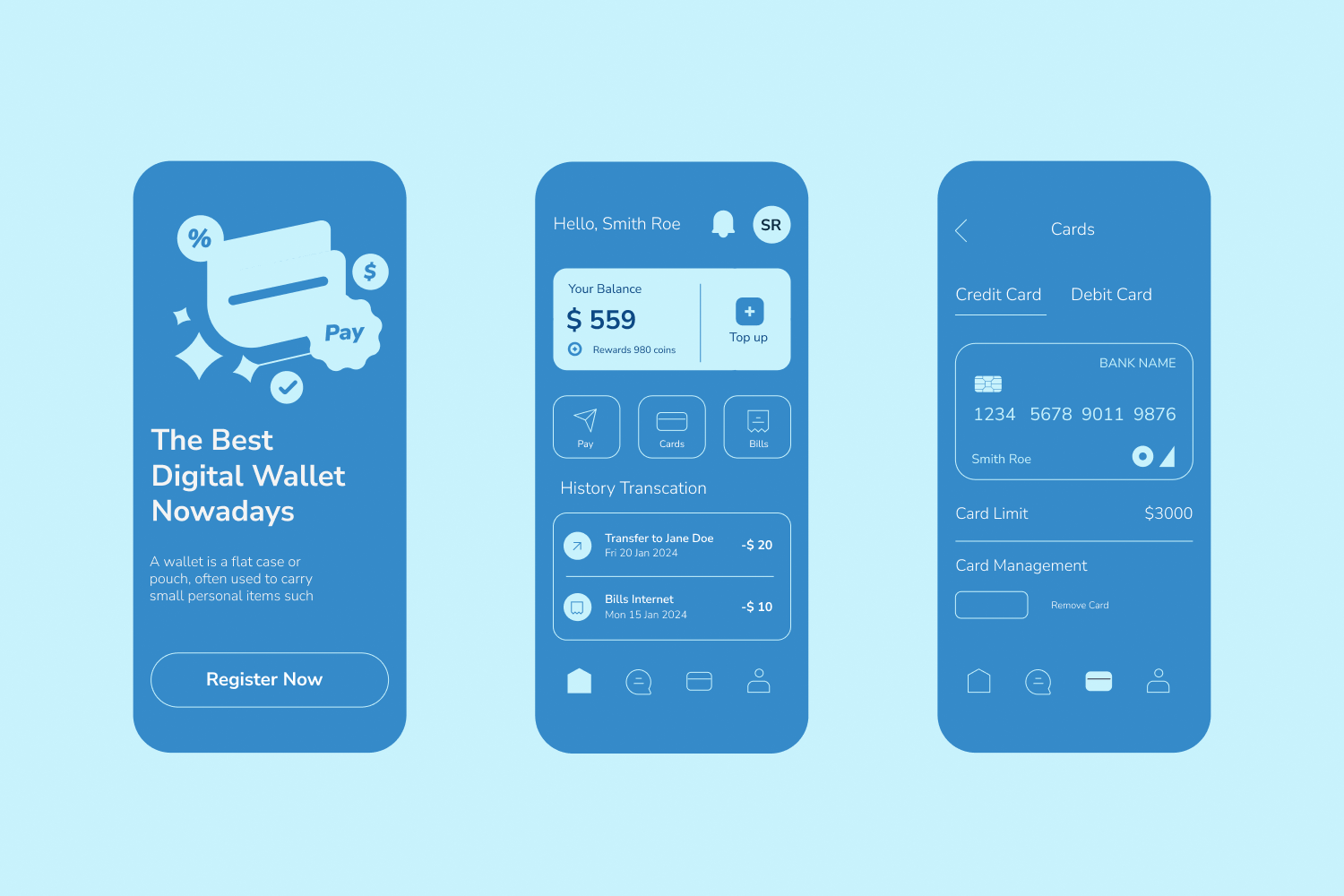
Planning to build an iOS app for your business? Here's your comprehensive guide about the iOS app development cost, helping you to understand the cost breakdowns and plan your budget efficiently with major considerations like cost factors, app categories and development stages.
Read MoreOct 29, 2026 App Development 0
Oct 29, 2026 App Development 0
How Much Does it Cost to Build Fitness App?
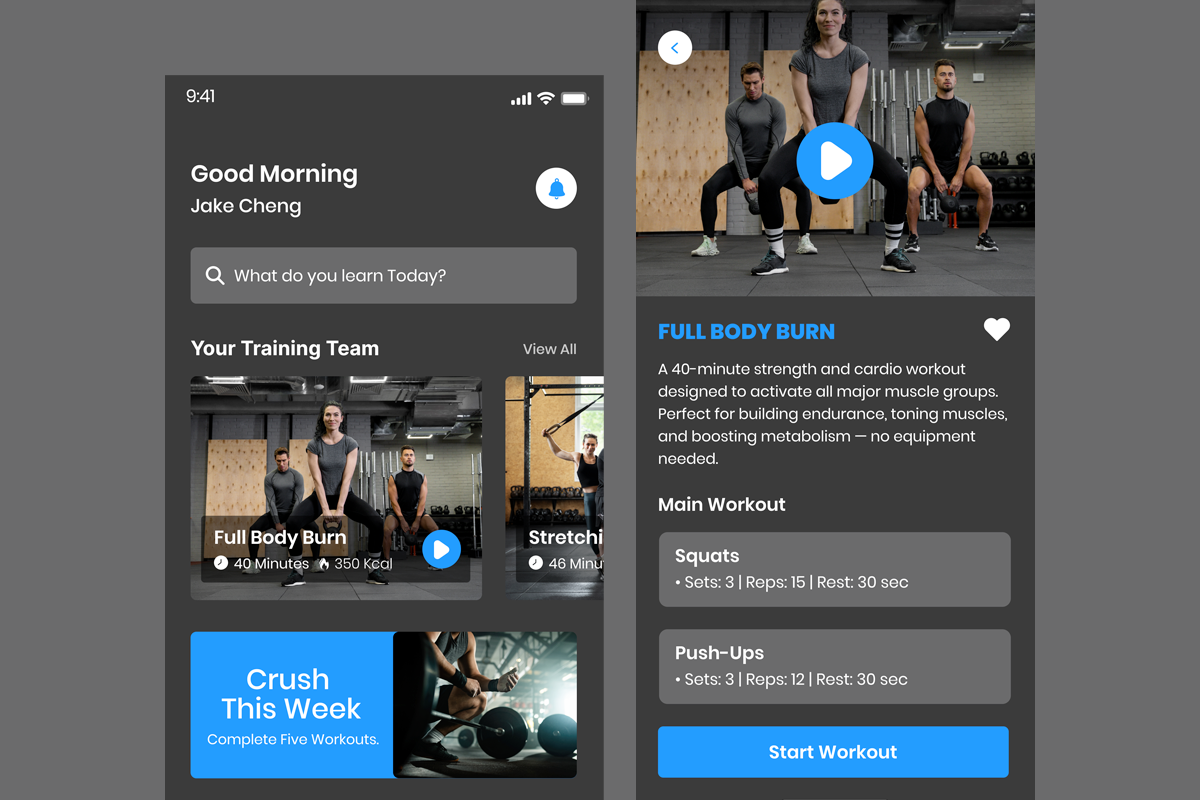
Fitness apps are redefining the way people can stay active, fit, and healthy. Not only do these smart solutions fit modern fitness training needs, but they also ensure customized training and fitness plans. If you’re also looking to venture into the fitness app development market, then refer to this guide.
Read MoreOct 29, 2026 App Development 0
Oct 29, 2026 App Development 0
How Much Does it Cost to Build an Android App?
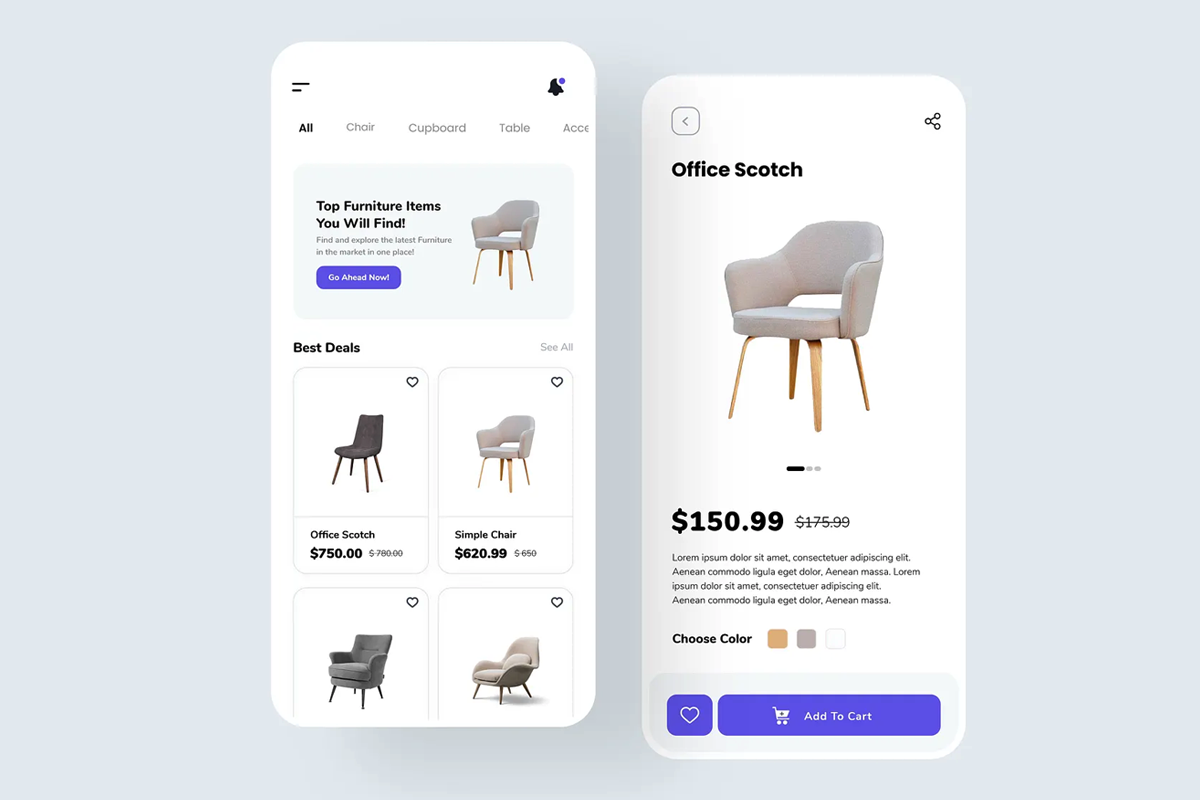
Planning to build an Android app? Understand the cost to build an Android app with this guide, incorporating needful details to help you understand the strategic approach and a well-estimated budget, making careful planning essential for maximizing returns on investment and growth.
Read MoreOct 29, 2026 App Development 0

Oct 29, 2026 App Development 0
Online Medicine Delivery App Development: A Complete Cost & Feature Breakdown
Discover everything you need for successful online medicine delivery app development. From market insights, to key features, business models, and cost breakdown, get a complete know-how. Learn how to build a user-friendly, scalable, and a regulatory compliant online healthcare app.
Read MoreOct 27, 2026 App Development Comments Off on How to Hire Fintech App Developers: Skills, Costs and Hiring Process
Oct 27, 2026 App Development Comments Off on How to Hire Fintech App Developers: Skills, Costs and Hiring Process
How to Hire Fintech App Developers: Skills, Costs and Hiring Process
If you plan to hire fintech app developers, you need more than strong mobile engineers. A fintech app moves money, stores identity data and falls under rules like PCI DSS and KYC/AML. One bug in a payment retry or a balance calculation can cost real money, trigger a regulator’s attention, or both. That is why hiring for a banking, wallet or lending app looks different from hiring for a typical consumer app. The right developers understand payment flows, ledger logic, secure mobile storage and compliance, in addition to Swift, Kotlin or Flutter. Increasingly, they also need AI skills, because fraud detection, smart KYC onboarding and in-app assistants are becoming standard features in financial apps. The market is also growing quickly. Fortune Business Insights puts the global fintech market at USD 460.76 billion in 2026, with North America holding a 32.30% share in 2025. More products competing for the same users means less room for an app that is slow, insecure or hard to onboard. This guide covers the skills to look for, the AI capabilities that now matter, the hiring models available, realistic cost ranges, a step-by-step hiring process with fintech-specific interview questions, and the mistakes to avoid. Key takeaways When Should You Hire Fintech App Developers? Most companies hire fintech mobile app developers when the app becomes central to revenue, or when the current team lacks financial domain depth. These are the most common triggers. If one or more of these applies, a specialized team will usually cost less
Read More