×
Hire Node.js Developers in India
20+Years Exp.
750+Clients
1800+Projects
65%Cost Saved
 ISO 9001 Certified
NASSCOM Member
NDA Protected
48hr Onboarding
Our valued Brands & Agencies
















Hire Node.js developers in India for a full suite of backend services
Our Node.js services cover the full backend lifecycle, from architecture and API design to microservices, serverless, and real-time systems, along with cloud deployment, modernization, and support that keeps performance steady as your traffic and data grow.

Node.js Consultancy & Architecture
Our Node.js consulting and architecture services set a strong foundation for backend development, covering technology selection, system design, scalability planning, performance optimization, and long-term architecture.

Custom Backend Development
We develop custom Node.js backends that align with your business needs, application workflow and operational objectives. Solutions are engineered to be scalable, maintainable, secure, and reliable, with seamless integration across enterprise ecosystems.

API Development & Integration Services
We build secure and scalable APIs that facilitate reliable communication between applications, platforms and third-party systems. Services include API design, development, integration, optimization, documentation, testing and life-cycle management.

Microservices Architecture
We design and build microservice architectures that improve the scalability, flexibility and resilience of systems. Independent services allow for easier maintenance, faster deployments, operational agility, and efficient scaling across distributed environments.

Serverless Development
We build serverless applications that scale automatically with workload while keeping infrastructure management to a minimum. This supports event-driven architectures, lower operating costs, and cloud-native scalability.

Development of Real-time Apps
We build real-time applications that facilitate instant messaging, live data updates, and responsive user interfaces. Our work includes messaging systems, monitoring platforms, collaborative applications, and live operational dashboards.
MVP Services Development
Speed up product validation with MVP development that delivers quickly and scales later. Our MVPs help you test market demand, collect user feedback, and build a base for future growth.
Migration & Legacy Upgrades
Upgrade legacy applications and move existing systems to Node.js architectures that improve performance, maintainability, and scalability, with minimal disruption and downtime.
Cloud Deployment & DevOps
We follow proven cloud deployment and DevOps practices that improve reliability, scalability, and release speed, covering deployment automation, monitoring, infrastructure optimization, and continuous delivery.
Support & Maintenance
We provide ongoing support to keep your Node.js applications stable, secure, and fast, with continuous monitoring, updates, troubleshooting, and performance improvements.
Hire Node.js developers based on your project needs
Choose junior, mid-level, or senior Node.js developers with experience in backend development, API integration, and real-time systems, matched to your project complexity and budget.
| Range of Developers | Junior Developers | Mid-Level Developers | Senior Developers |
|---|---|---|---|
| Hourly Rate | $25/hr | $35/hr | $45/hr |
| Years of Experience | 1–3 Years | 3–5 Years | 5+ Years |
| Project Manager Support | Yes | Yes | Yes |
| Time Zone Flexibility | Available | Available | Available |
| Quality Assurance | Included | Included | Included |
| Working Hours | 40 hours/Week | 40 hours/Week | 40 hours/Week |
Accelerating enterprise transformation through AI and digital engineering.
20+
Years in Business
350+
IT Professionals
ISO 9001 Certified
NASSCOM & STPI Accreditation
NASSCOM & STPI Accreditation
750+
Clients Worldwide
1800+
Projects Executed
Industries
Our Node.js developers build applications for a wide range of industries, combining Express.js, real-time architecture, and API integration to deliver secure, scalable, high-performance solutions.

Automotive

Real Estate

Entertainment

Retail & Ecommerce

Healthcare

Transportation

Manufacturing

Travel & Tourism

Professional Services

Software Vendors

Banking & Finance

Education
Asynchronous & Event-Driven Engineering
Asynchronous execution is central to the systems we deliver. We write clean async/await flows, keep parallelism under control, stream large payloads safely, and keep heavy processing off the main thread so incoming requests never block.
API Engineering
We have built many REST and GraphQL APIs across payment, CRM, and analytics systems. Every endpoint is carefully validated, versioned, and documented, and we test it thoroughly before it is ever exposed to real production traffic.
Real-time Systems & WebSockets
Real-time systems are one of our core capabilities. We build messaging, live dashboards, and collaborative tools on WebSockets and Socket.IO, and scale them across multiple servers so events reach every connected user without any delay.
Microservices & Message Queues
We help organizations transition from monolithic applications to microservices architectures, creating independent services that can be deployed, and scaled separately. This approach improves application resilience as systems grow.
Database & Data Layer
We have extensive experience with both MongoDB and PostgreSQL. We design schemas, apply the appropriate indexes, and tune queries so the database continues to respond quickly as data and write volume grow over time.
Caching, Jobs & Performance
We treat performance as ongoing work, not a final afterthought. We cache with Redis, move slow tasks to background queues, distribute work across multiple cores, and profile the system to identify bottlenecks before they reach users.
Authentication & Security
We address security at every layer. Access is governed by JWT or OAuth 2.0, abusive traffic is rate-limited, all input is validated, and queries are written defensively to close the common gaps that leave Node APIs exposed to attack.
Cloud & Serverless
We run Node.js across AWS, Azure, and GCP on containers and serverless functions, with autoscaling aligned to actual demand. Background queues absorb load spikes, so response times remain steady while cloud spend is kept under control.
Testing, Tooling & TypeScript
We use TypeScript by default throughout the codebase, with thorough automated testing and a solid CI pipeline. Strong typing and coverage surface defects before release and keep the code straightforward to refactor.
Case studies of how our clients have gained a competitive advantage
See how Xicom's Node.js developers built backends for food delivery, streaming, ride-hailing, recruitment, EdTech, and dental inventory platforms that scale reliably for clients across industries.
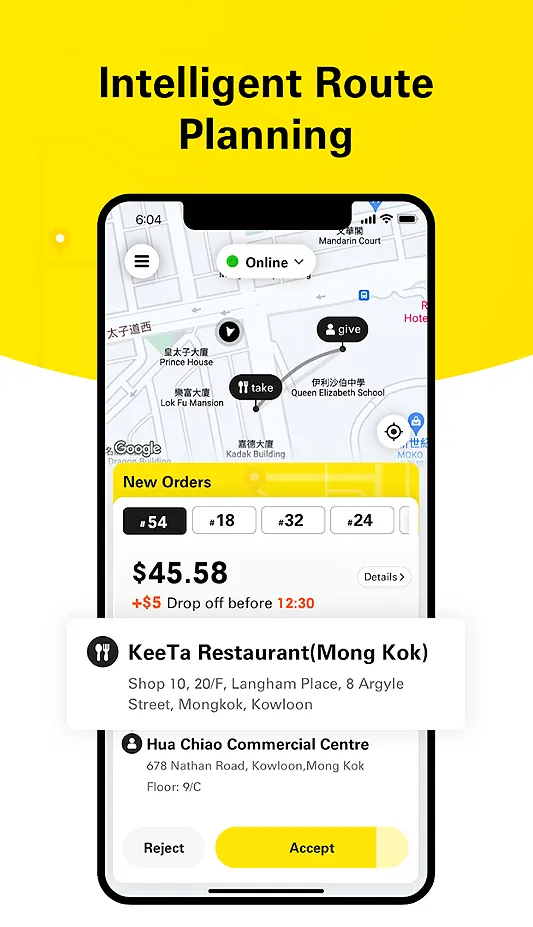
Keeta Food Delivery App
Keeta is a food delivery app developed by Xicom for busy urban consumers. Headquartered in Hong Kong and backed by China's Meituan, Keeta offers quick, affordable food ordering. Users can browse a wide range of cuisines from local and global restaurants, use daily discounts, and rely on on-time delivery.
Industry
FoodTech / On-Demand Services
Technologies
React Native, Node.js, MongoDB, AWS
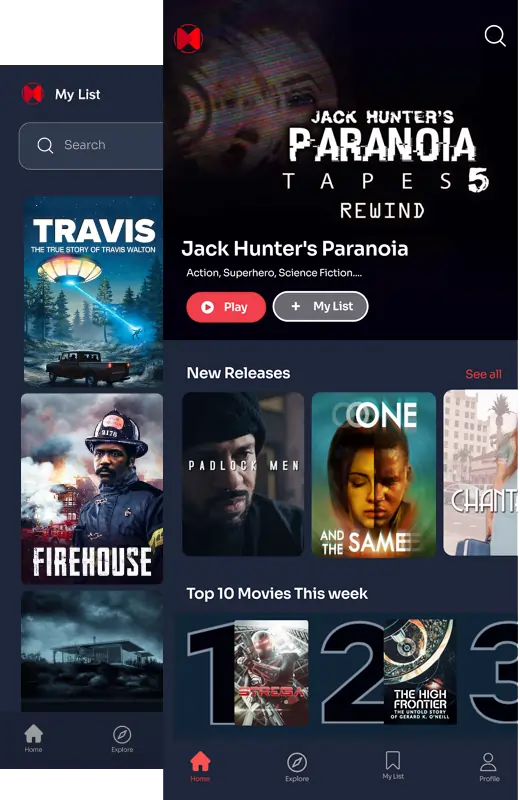
Moviez Movie Streaming App
Moviez is an on-demand movie streaming platform with a large library of international films across genres and languages. Xicom built a high-performance streaming app that delivers smooth HD playback across devices, along with secure global payments and multilingual content browsing.
Industry
Media & Entertainment
Technologies
React Native, Node.js, MongoDB, AWS
GoGmGo POS and CRM
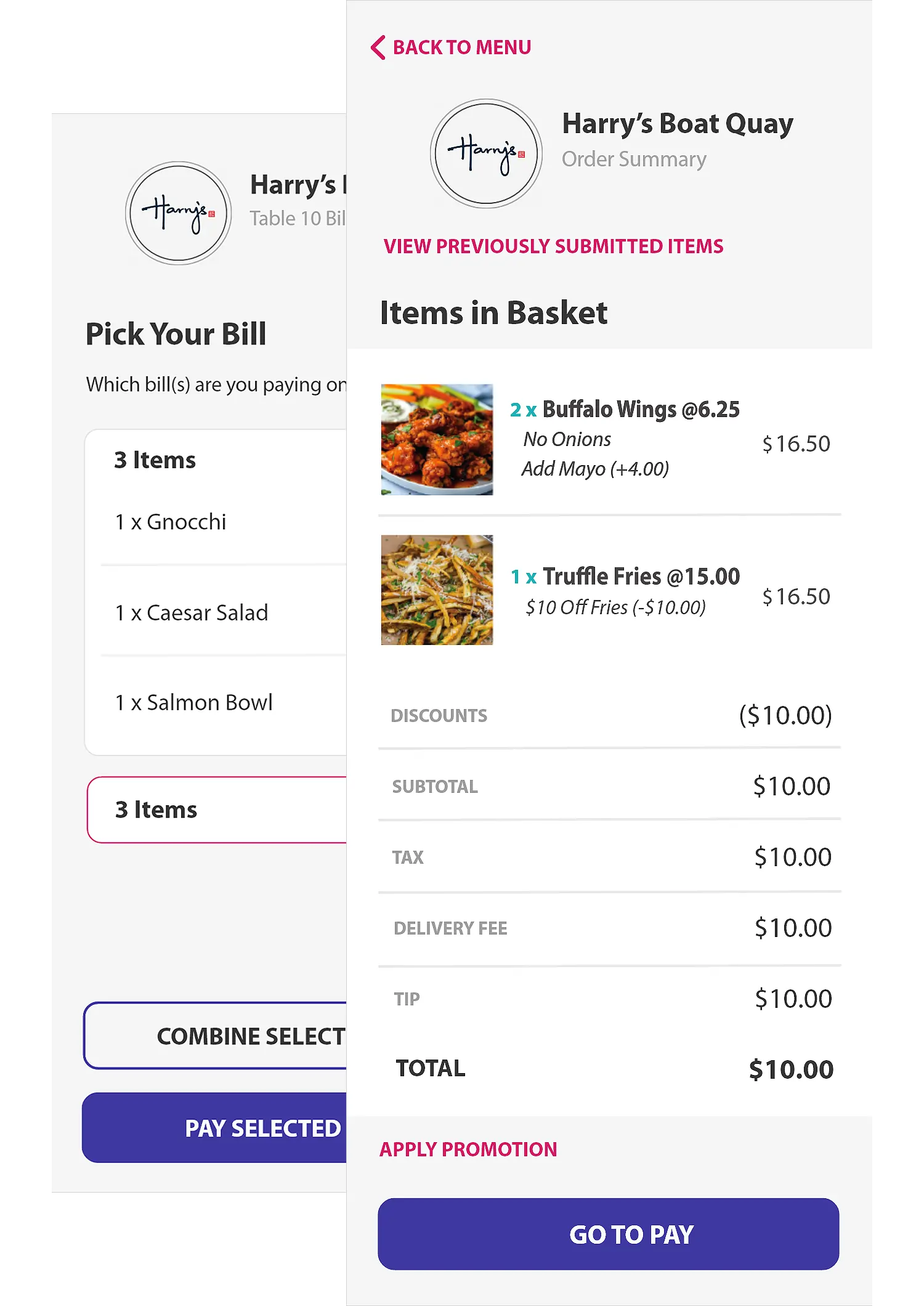
GoGmGo is a Singapore-based, all-in-one operating platform for the food and beverage (F&B) industry. It helps F&B businesses manage everything from menu planning and inventory control to staff management, and uses automation and AI-based reconciliation to run multi-outlet operations from one system.
Industry
Food and Beverages
Technologies
React Native, Node.js, MongoDB, AI/ML
TADA Taxi Booking App
TADA is a ride-hailing app built to make transport fairer and more efficient for drivers and passengers. With traffic congestion and ride requests surging at peak hours, the client wanted a platform that puts driver earnings first, matches rides faster, and gives users more ride options.
Industry
Transportation / Mobility
Technologies
Flutter, Node.js, MongoDB, AWS

JobMinglr Recruitment App
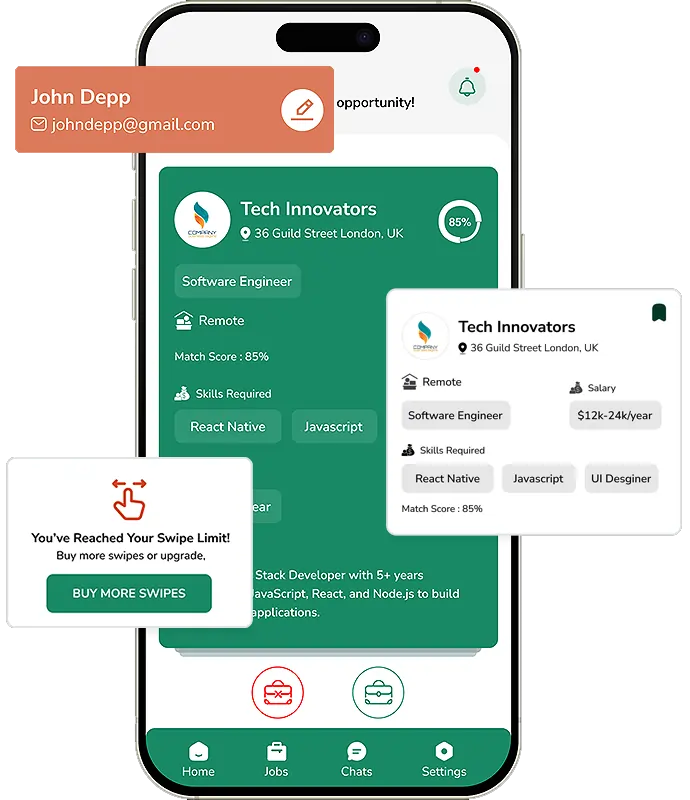
JobMinglr, developed by Xicom with founder John Carter and headquartered in Austin, Texas, is a job-matching platform that connects job seekers and employers more accurately. Its machine learning engine recommends roles based on each user's skills, experience, and preferences, and improved job matching accuracy by 45%.
Industry
Jobs and Recruitment
Technologies
React Native, Node.js, Machine Learning
FlirtFlex Social Networking
FlirtFlex is a social and content engagement platform from Austin, Texas, built to change how users and content creators interact online. Unlike traditional dating or subscription platforms that put profits ahead of people, FlirtFlex focuses on authenticity, real-time conversations, and tools that help creators publish and engage.
Industry
Social Networking
Technologies
Flutter, Node.js, MongoDB, WebRTC


StudyBuddy Student Collaboration Hub
StudyBuddy is a secure, university-exclusive platform that brings student communities, social learning, a tutoring marketplace, messaging, events, payments, and admin tools into one app. Each university gets its own private community, with tutor verification and moderation handled from a React.js admin portal.
Industry
Education Technology, Higher Education
Technologies
React Native, React.js, Node.js, Express.js, MongoDB, AWS, Stripe
DENVEN Dental Inventory System
DENVEN is a cloud-based dental inventory platform for multi-location practices. Xicom built real-time stock tracking, barcode and QR scanning, expiry alerts, implant tracking, and supplier integration. 250+ practices adopted it within 12 months, cutting inventory wastage by 40%.
Industry
Healthcare / Dental
Technologies
React.js, Node.js, MongoDB, AWS, Flutter

Ready to scale your project with skilled Node.js developers?
Xicom's Node.js developers deliver end-to-end backend, API, and real-time solutions tailored to your business goals, helping companies in the US and worldwide ship faster and handle scale.
Tech stack our Node.js developers use to build fast scalable APIs
Hire Node.js developers who work with Express.js, NestJS, and modern backend architectures to build scalable, secure, high-performance applications.
 JavaScript
 TypeScript
 Node.js
 Express.js
 GraphQL
 AWS
 Microsoft Azure
 Google Cloud
 MongoDB
 PostgreSQL
 MySQL
 Redis
 Kafka
 REST APIs
 Jest
 Playwright
 Postman
 Docker
 Kubernetes
 GitLab CI/CD
 Jenkins
 Prometheus
 Grafana
 Elasticsearch
Why choose Xicom to hire dedicated Node.js engineers in India?
Hire Node.js developers from Xicom for proven technical expertise, flexible engagement, and cost-efficient delivery, backed by a secure, well-defined approach to Node.js development projects.

Team control
Direct access to your team for discussions anytime.

Data security
Strict adherence to data protection and confidentiality.

Flexible hiring
Hourly, part-time, or full-time models.

Strict NDA
Your business data stays fully protected.

24/7 support
Dedicated teams monitor performance round the clock.

Quality delivery
97% first-time-right code submission, every sprint.

Agile process
Faster, predictable delivery via iterative sprints.

Transparency
Real-time updates and full project visibility.






How to hire Node.js developers in India from Xicom
Hiring dedicated Node.js engineers from Xicom takes four simple steps, and you can onboard developers skilled in Express.js, NestJS, and real-time backend architecture.
-
Post Your Project Requirements
Share your business goals, technical specifications, and Node.js development needs with our experts. They'll match you with Node.js developers who fit your project scope and backend architecture.
-
Select Developers' CV
Review curated CVs of our Node.js developers and evaluate their experience in API development, real-time systems, and microservices architecture to find the right fit.
-
Take Developer Interviews
Interview shortlisted developers to assess Node.js proficiency, asynchronous programming skills, problem-solving, and communication before you make a final hiring decision.
-
Hassle-Free Onboarding
Onboard your selected Node.js developers through our quick onboarding process, with clear sprint planning and smooth collaboration from day one.
Our engagement models for hiring Node.js engineers
As an experienced Node.js development company, we offer flexible hiring models tailored to your project needs. Whether you need a dedicated Node.js developer full time or a team on fixed billing, there is a model that fits.

Fixed Price Model
Best for well-defined Node.js projects, this model ensures clear scope, budget predictability, and timely delivery without surprises.
- Upfront agreed cost and project scope
- Milestone-based progress tracking
- No hidden charges or overheads
- Reliable delivery timelines and outcomes
Most Popular

Dedicated Teams Model
Ideal for businesses seeking a long-term Node.js development partner, this model provides a dedicated team of Node.js engineers working exclusively on your project.
- Full control over team structure and workflows
- Highly scalable and cost-effective
- Direct communication with developers
- Increased focus and faster turnaround

Time & Material Model
Perfect for Node.js projects with dynamic requirements, this model offers agility, cost control, and adaptability to continuous innovation.
- Flexible billing based on actual efforts
- Adjust resources and scope anytime
- Ideal for iterative and evolving projects
- Faster implementation and continuous optimization

Strategic Consulting
The process begins with a clear understanding of the project requirements, including the backend architecture, technology stack, integration needs, team size, and delivery timelines. This helps identify developers whose skills and experience align closely with the project.
- Product goals, backend objectives, and problems to solve
- Stack and integrations: Node.js, frameworks, databases, APIs
- How many developers and the seniority each role needs
- Timeline, engagement model, and budget range

Developer Shortlist
Candidates are screened first, so only genuine fits are put forward. Each one is checked for real Node.js depth, relevant domain experience, and time-zone overlap, and arrives with a profile and work samples that make it easy to judge the fit at a glance.
- Candidates screened against your brief
- Checked for Node.js depth and async fundamentals
- Time-zone overlap and availability confirmed early
- Profiles and real work samples included

Candidate Evaluation
From here, assessment is in the client's hands. Shortlisted developers can be interviewed on any platform, their past work reviewed, and their skills tested through live coding or a system-design discussion before any decision.
- Interviews on the platform you prefer
- Live coding and architecture discussions
- Past Node.js projects and results reviewed
- Communication and team fit checked too

Team Confirmation
Once the choice is made, it is all put in writing. The selected developers are confirmed, the engagement model (dedicated, hourly, or fixed scope) is agreed, and the scope, milestones, and reporting lines are documented before work begins.
- Selected developers confirmed
- Engagement model agreed: dedicated, hourly, or fixed
- Scope, milestones, and deliverables documented
- Reporting lines and communication channels set

Onboarding & Setup
Setup happens before the first sprint, not during it. Access, tools, credentials, and project context are arranged ahead of time, and the developers are brought into existing workflows, so the early weeks go straight into real work.
- Repository, tool, and credential access set up
- Developers brought into existing workflows
- Documentation and project context shared early
- Kickoff with sprint-one goals agreed

Product Delivery
From there, work runs in regular sprints with frequent check-ins. Features and fixes ship on a steady rhythm, support continues after release, and the team grows as the scope expands, so progress stays consistent across the whole engagement.
- Sprint-based delivery with regular reviews
- Direct collaboration on your channels
- Maintenance and performance work after release
- Team scaled up as scope grows
Node.js vs PHP vs Ruby on Rails for real-time and scalable backends
Compare Node.js against PHP and Ruby on Rails across performance, concurrency, ecosystem maturity, and real-world use cases to identify the right backend technology for your next project.
Factor
Primary Language
Learning Curve
Performance
Ecosystem
Real-Time Support
Best For
Node.js
JavaScript / TypeScript
Easy to Moderate
High
Very Large
Excellent
Real-time apps, APIs
PHP
PHP
Easy
Moderate
Large
Limited, needs add-ons
Content-driven sites, CMS
Ruby on Rails
Ruby
Moderate
Moderate
Moderate, smaller talent pool
Limited, needs add-ons
Rapid MVP development
Client testimonials and reviews showcasing the value we consistently deliver
Explore how our clients describe their journey with us, reflecting strong collaboration, effective execution, and consistent outcomes delivered across engagements. See how our delivery framework ensures consistency from initiation through to successful completion.
❝
Parity AI
We came to Xicom with an ambitious goal: make institutional-grade financial planning accessible to everyone through AI. Xicom went beyond the brief, blending conversational AI and predictive analytics into an effortless platform. Parity AI is exactly what we envisioned.

❝
RadioFX
Xicom took the time to understand what our stations and listeners actually need, building something tailored rather than generic. Live chat and polls are now core to how we connect with our audience — the app has become a true extension of our on-air presence.


❝
StudyBuddy
Xicom built exactly what our students needed: a secure space to connect, collaborate, and find tutoring support in one place. Their understanding of student behavior shows in how naturally everything fits together — StudyBuddy is something students genuinely rely on.

❝
BoxxDocks
Xicom helped us bring BoxxDocks to life exactly as we envisioned it. Their team understood the complexity of AI powered real-time asset tracking and delivered a platform that's both powerful and genuinely easy to use.


❝
TodayFit
We are very happy with their services. I cannot recommend them highly enough. The value, ability, and delivery that we have seen has been superb, and we look forward to continuing this relationship.


❝
SmartVend AI
Their team built SmartVend from the ground up, combining hardware integration, real-time inventory sync, and a centralized dashboard that completely changed how we operate. We couldn't have asked for a more capable technical partner.

❝
Tap Retail
Partnering with Xicom to develop our Tap Retail app and website was one of the best decisions we made. Their team demonstrated exceptional professionalism, technical expertise, and a deep understanding of our business goals.


❝
GoGmGo
Partnering with Xicom was a game-changer for us. They didn't just build software, they helped us redefine how we run our business. Their proactive support and deep domain knowledge gave us the confidence to innovate faster.

❝
DENVEN
Working with Xicom has been a transformative experience. Their team quickly understood our challenges and delivered a scalable, intuitive solution. I highly recommend Xicom to any organization seeking future-ready, high-performance digital products.

Top tech insights of our blog
Explore the latest tech stories & news
✦ AI-First Company
Deep Insights into Emerging Technology and Innovation!
Stay ahead in the digital world with our latest insights covering AI trends, industry developments, and expert advice on building smarter businesses.
1800+
Projects
20+
Years Experience
Frequently Asked Questions
How much does it cost to hire Node.js developers?
The cost of hiring a Node.js developer depends on factors like project complexity, developer experience, and engagement model. Hourly rates at Xicom are $25 for junior, $35 for mid-level, and $45 for senior developers. Contact us for a custom quote tailored to your specific project needs.
What factors affect the cost of hiring Node.js developers in India?
Key factors include the developer's experience level, expertise in specific frameworks like NestJS or Express.js, project complexity, real-time system requirements, engagement duration, and whether you need a single developer or a full backend team.
What is the difference between Express.js and NestJS?
Express.js is a minimal, flexible Node.js framework that gives developers full control over application structure, making it ideal for lightweight APIs and microservices. NestJS is a more structured, opinionated framework built with TypeScript that follows a modular architecture similar to Angular, making it better suited for large-scale enterprise applications. Xicom's developers are proficient in both.
Is Node.js good for building APIs?
Yes. Node.js is widely used for building fast, scalable RESTful and GraphQL APIs due to its non-blocking I/O model, which efficiently handles multiple simultaneous API requests without performance degradation, making it a popular choice for backend API development.
How do you evaluate the technical depth of a Node.js developer before hiring?
Evaluating a Node.js developer's technical depth involves testing their understanding of asynchronous programming and the event loop, their experience with database design in MongoDB or PostgreSQL, their ability to design RESTful or GraphQL APIs, and their familiarity with production concerns like error handling, logging, and horizontal scaling.
Which industries do Xicom's Node.js developers serve?
Xicom's Node.js developers deliver tailored backend solutions across multiple industries:
- Banking and Finance: Real-time transaction processing systems, fraud detection APIs, and secure payment gateway integrations
- Healthcare: HIPAA-compliant patient data APIs, telemedicine backend infrastructure, and real-time health monitoring systems
- E-commerce and Retail: High-concurrency checkout systems, inventory sync APIs, and real-time order tracking
- Logistics: Real-time fleet tracking systems, route optimization APIs, and live shipment monitoring dashboards
- Education: Live virtual classroom backends, real-time collaboration tools, and student progress tracking APIs
- Media and Entertainment: Live streaming backends, real-time chat and notification systems, and content delivery APIs
Every award marks a milestone in our journey of excellence
As an AI-first digital engineering company, Xicom has earned global recognition for delivering innovative, scalable, and high-performing technology solutions. Our awards reflect the trust of clients and industry leaders alike.