×
Our valued Brands & Agencies
















Wearable app development services for every major platform
Our wearable app development services cover the full journey, from deciding which devices to support to designing glanceable interfaces, building native smartwatch apps, integrating health data and sensors, and keeping the app current as new devices and OS versions ship.

Wearable App Strategy and UX Design
We help you decide which devices to support, what belongs on the wrist versus the phone, and how users will interact in two to five seconds. Our designers build glanceable screens, complications, tiles, and notifications that follow Apple and Google wearable design guidelines.

Apple Watch App Development
We build native watchOS apps in Swift and SwiftUI, including complications, widgets, workout sessions, and notifications, with data shared securely with your iPhone app. Our iOS app development team builds the companion app alongside.

Wear OS App Development
We develop Wear OS apps in Kotlin with Compose for Wear OS, Tiles, and complications for Samsung Galaxy Watch, Google Pixel Watch, and other Wear OS devices. Our Android app development team keeps the phone and watch experience consistent.

Companion and Standalone Watch Apps
Some apps work best as a companion to your phone app, while others need to run independently over Wi-Fi or cellular. We design the right model for your users, with offline storage and reliable sync so data is never lost when the connection drops.

Health and Fitness Data Integration
We integrate heart rate, steps, sleep, workouts, and other health metrics through Apple HealthKit, Google Health Connect, and Wear OS Health Services, with clear permission requests and consent handling that pass app store review.

BLE and Connected Device Integration
We connect apps to Bluetooth Low Energy sensors, smart rings, medical devices, and fitness equipment, handling pairing, reconnection, and firmware updates. For larger device networks, our IoT development services cover the cloud side.

Smart Glasses and AR Wearable Apps
We build hands-free experiences for smart glasses and AR headsets, such as step-by-step work instructions, remote assistance, and heads-up information for field and warehouse teams who need both hands free.

Wearable App Testing and Support
We test on real devices across screen sizes, OS versions, and connectivity conditions, including battery impact and sensor accuracy. After launch, we update the app for new watchOS and Wear OS releases. See our QA and testing services.
Accelerating enterprise transformation through AI and digital engineering.
20+
Years in Business
350+
IT Professionals
ISO 9001 Certified
NASSCOM & STPI Accreditation
NASSCOM & STPI Accreditation
750+
Clients Worldwide
1800+
Projects Executed
Fitness and Activity Tracking Apps
Workout tracking, coaching, heart rate zones, and progress dashboards that sync between watch, phone, and web, with integrations into gyms, trainers, and fitness platforms.

Remote Patient Monitoring
Apps that collect vitals from watches and medical sensors, flag readings outside set ranges, and share data with care teams. Read our guide to HIPAA-compliant app development.
Workforce and Field Safety Wearables
Fall detection, lone-worker check-ins, fatigue alerts, and task notifications for field, plant, and warehouse teams, connected to your operations and HR systems.
Smart Ring and Sleep Apps
Sleep, recovery, and readiness apps built on smart ring and wearable sensor data, with clear trend views and personalized insights users check every morning.
Payments and Access Control
Tap-to-pay, digital keys, event tickets, and building access using NFC and secure wallet integrations, designed for quick, reliable use at the point of entry or sale.
Insurance and Corporate Wellness Programs
Wellness challenges, activity rewards, and consent-based data sharing for insurers and employers, with privacy controls that let users decide exactly what they share.
Wearable app development across industries
Each industry uses wearables differently, from clinical monitoring to hands-free field work. We build around the data, devices, and regulations that apply to your sector.

Healthcare
Remote Patient Monitoring, Medication Reminders, Post-surgery Recovery Tracking, Clinical Trial Data Collection, Fall Detection

Banking & Finance
Wrist Payments, Transaction Alerts, Balance Glances, Two-factor Approval, Card Controls

Insurance
Wellness Rewards Programs, Activity-based Premium Discounts, Consent-based Data Sharing, Claims Support

Manufacturing
Worker Safety Alerts, Hands-free Work Instructions, Machine Status Notifications, Shift Check-ins

Logistics
Pick and Pack Guidance, Driver Fatigue Monitoring, Delivery Confirmations, Warehouse Task Alerts

Retail & eCommerce
Store Associate Alerts, Order Status Glances, Loyalty and Rewards, Contactless Checkout

Travel & Tourism
Boarding Passes, Gate and Flight Alerts, Hotel Digital Keys, Turn-by-turn Navigation

Sports & Entertainment
Live Score Updates, Athlete Performance Tracking, Event Ticketing, Fan Engagement
LET'S BUILD TOGETHER
Planning a smartwatch or wearable app?
Tell us about your users and devices, and our team will recommend the right platforms, app model, and integrations, with a clear scope and estimate.
Native Performance per Platform
Watch interfaces are built natively, in SwiftUI for Apple Watch and Compose for Wear OS, because each platform has its own components, gestures, and system features. Shared logic and the phone app can use cross-platform frameworks where that saves time without hurting the watch experience.
Glanceable Design
Most wearable interactions last only a few seconds, so the most important information has to be visible at a glance. We prioritize complications, tiles, notifications, and large touch targets, and keep deeper tasks on the phone where they belong.
Real-time and Offline Data
Fitness, health, and safety apps need data to appear quickly and never go missing. We store readings locally on the device, sync them when a connection returns, and resolve conflicts between watch, phone, and cloud so users always see accurate history.
Reliable Connectivity
Wearables switch between Bluetooth, Wi-Fi, and cellular throughout the day. We handle pairing, reconnection, and background transfers so data moves reliably between devices, sensors, the phone app, and third-party platforms.
Security and Privacy
Wearables often handle personal health data. We encrypt data on the device, in transit, and in the cloud, request only the permissions an app needs, and design consent and data handling around HIPAA and GDPR requirements for healthcare, fitness, and insurance apps.
Battery Efficiency
A wearable app that drains the battery gets uninstalled. We batch sensor reads and network calls, use platform scheduling APIs, move heavy processing to the phone or cloud, and measure battery impact on real devices before every release.
Case studies showcasing the value delivered to clients through our solutions
Explore case studies from clients with different challenges, priorities, and technology requirements. See how each engagement took a distinct approach, shaped around the client’s business context, objectives, and needs, resulting in solutions designed for the realities of their organization.
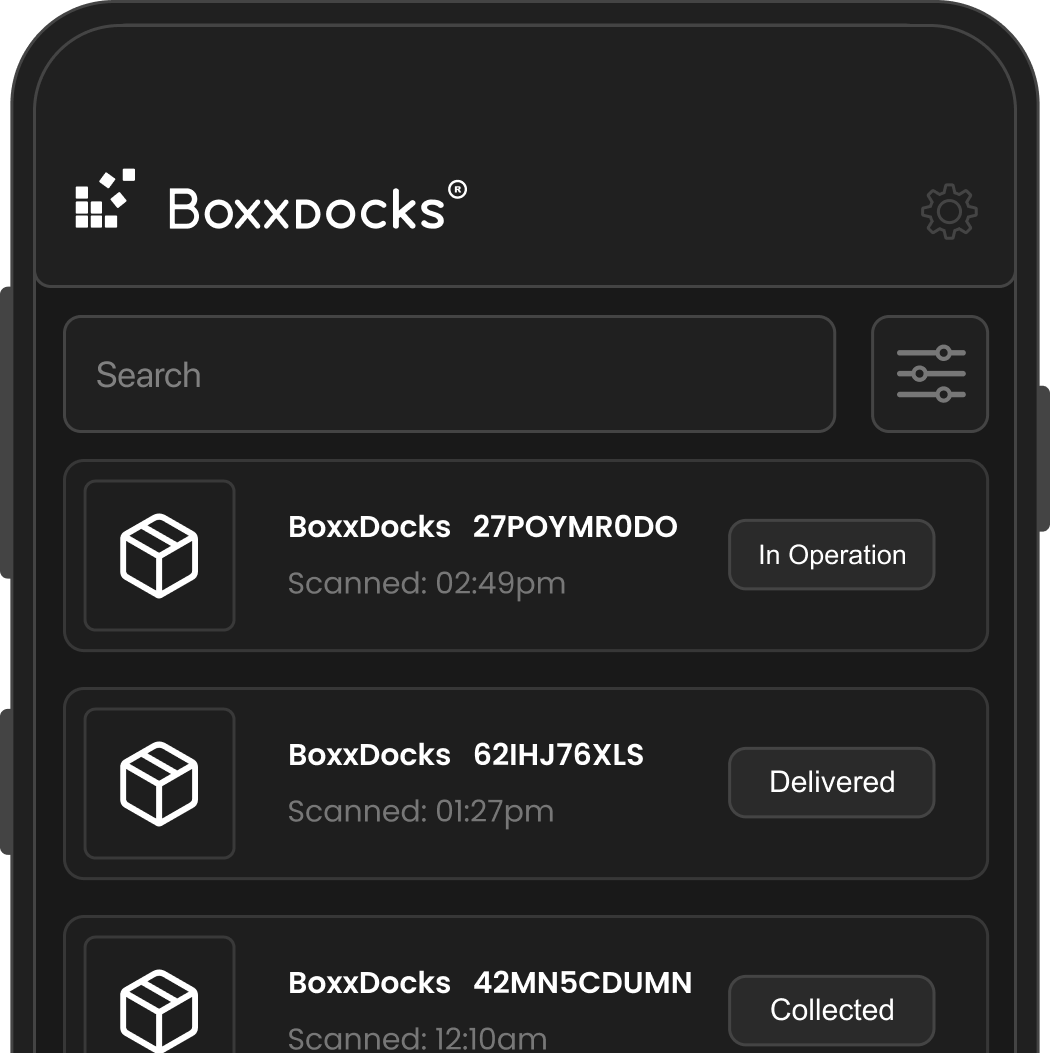
BoxxDocks AI Asset Tracking Platform
The Challenge
Asset tracking was manual, error-prone, and scattered across disconnected systems. The client had no centralized visibility into asset movement, no real-time location data, and no way to generate instant reports across multiple enterprise clients from a single platform.
Our Approach
We built BoxxDocks as an AI-enabled asset lifecycle platform using QR/NFC scanning, real-time dashboards, geolocation tracking, and a RAG-powered conversational engine that lets users query live operational data in plain English instead of navigating dashboards.
The Result
- Real-time inventory tracking across warehouses, transit, and delivery
- AI query engine for natural language insights
- LLM-powered reporting with anomaly detection
- Complete audit trail with location, timestamp, and status
Parity AI AI Finance Platform
The Challenge
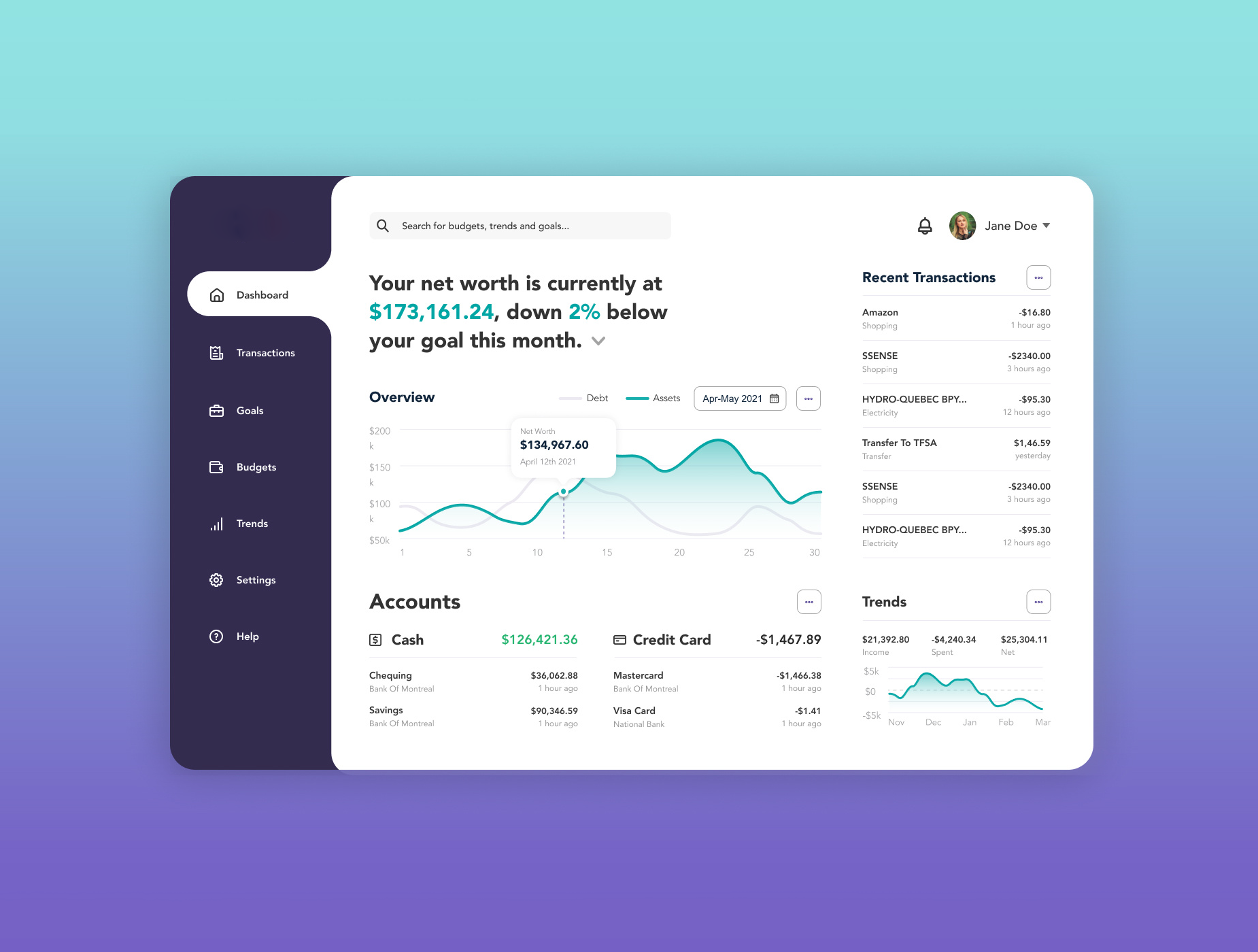
Personalized financial advice was expensive and limited to periodic meetings. Users had no way to consolidate banking, investments, debt, and insurance into one platform with real-time, AI-driven guidance.
Our Approach
We built Parity AI as an always-on financial wellness platform powered by AI. It securely pulls data from multiple sources, analyzes user behavior, forecasts outcomes, and delivers personalized recommendations — acting as a digital financial advisor, not a budgeting app.
The Result
- AI-powered financial planning across banking, investments, and debt
- Personalized recommendations based on life events and behavior
- Integrated financial education with actionable insights
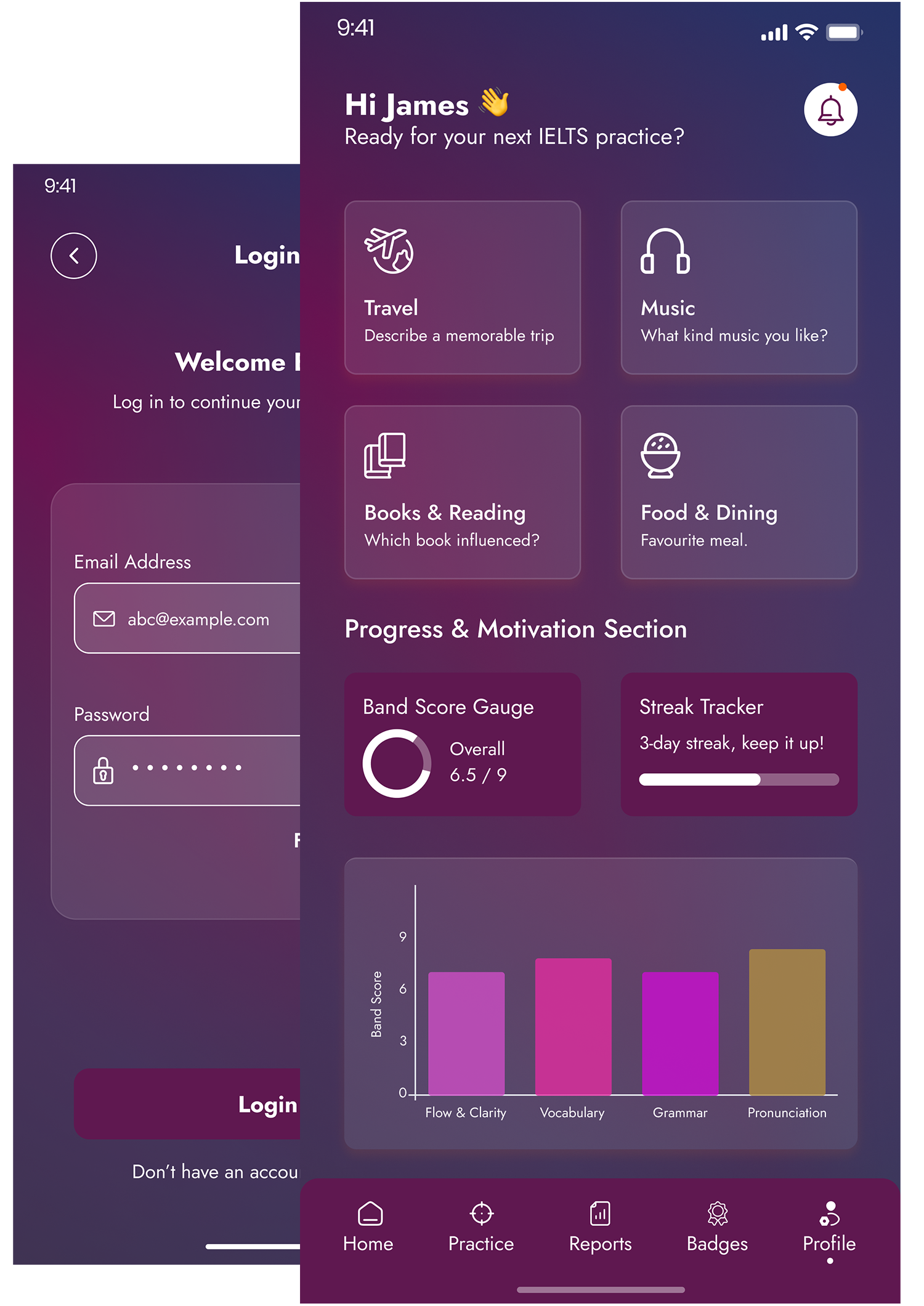
IELTS AI-Powered Speaking Evaluator
The Challenge
Human IELTS tutors cost $30-$80/hour with limited availability. Generic speaking apps lack authentic Part 1/2/3 exam structure, pronunciation feedback, and band-aligned scoring rubrics. Learners had no way to get unlimited, exam-authentic practice at scale.
Our Approach
We built a full-stack AI platform with a lifelike AI Avatar Examiner using LangGraph + Gemini conversation engine, Google Cloud TTS with viseme lip-sync, Faster-Whisper ASR, and a 6-layer IELTS evaluation pipeline scoring all 4 criteria with ±0.5-1.0 band accuracy.
The Result
- 1,000+ concurrent users with 2–3s response latency
- 10x lower cost than human examiners
- 6-service AI microservice with model preloading
- No-code admin panel for rapid content updates
Health E Livin AI Wellness Platform
The Challenge
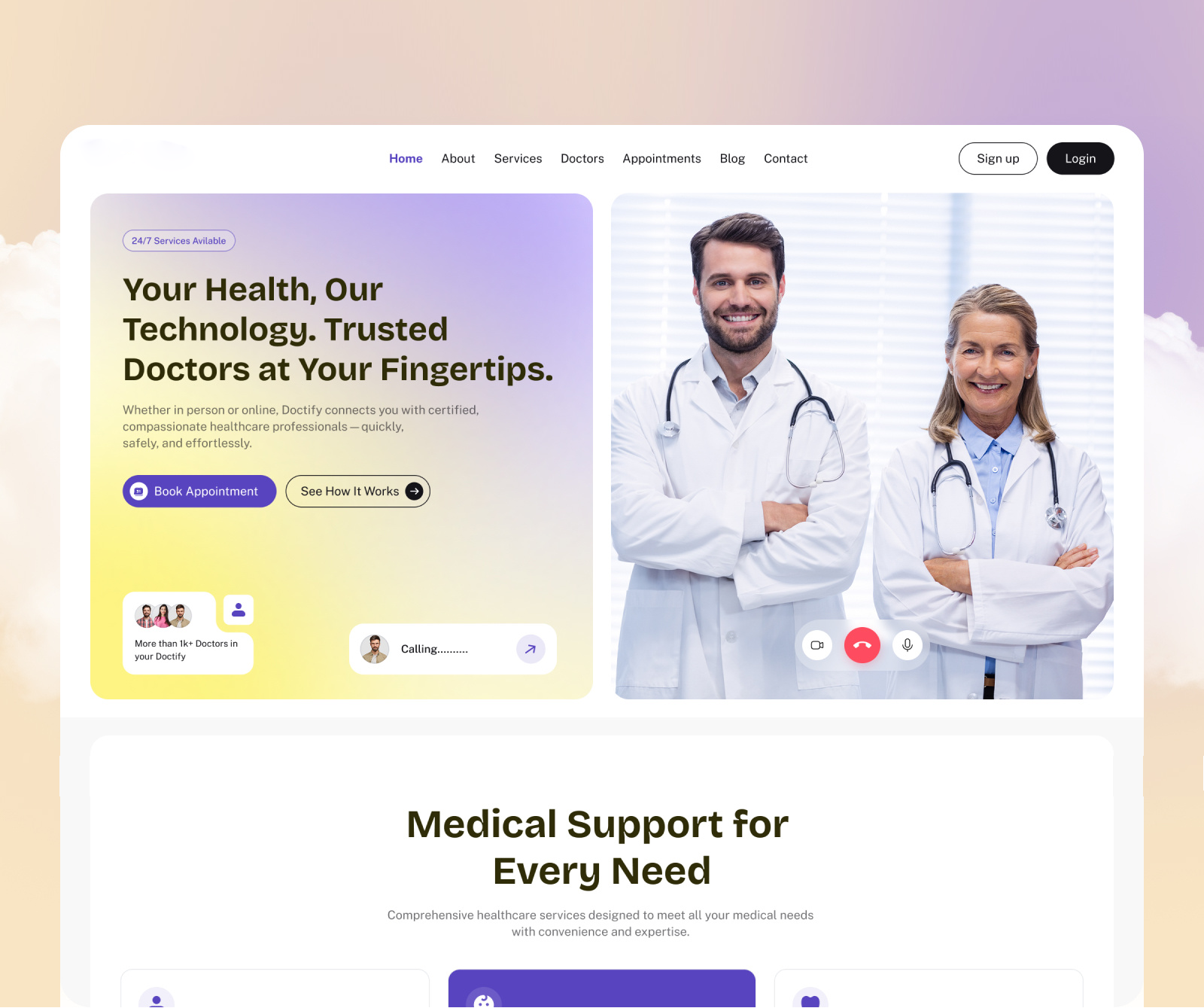
People struggling with mental health had no single platform to access trusted information, take confidential assessments, and find providers — all without stigma or privacy concerns.
Our Approach
We built HealtheLivin as an AI-powered mental wellness app with a conversational AI assistant, anonymous screenings, evidence-based resource library, and geolocation-based provider discovery — all on privacy-first cloud infrastructure.
The Result
- AI knowledgebase for natural language mental health support
- Confidential assessments with personalized wellness insights
- Location-based provider discovery for professional care
- Privacy-first architecture with encrypted data management
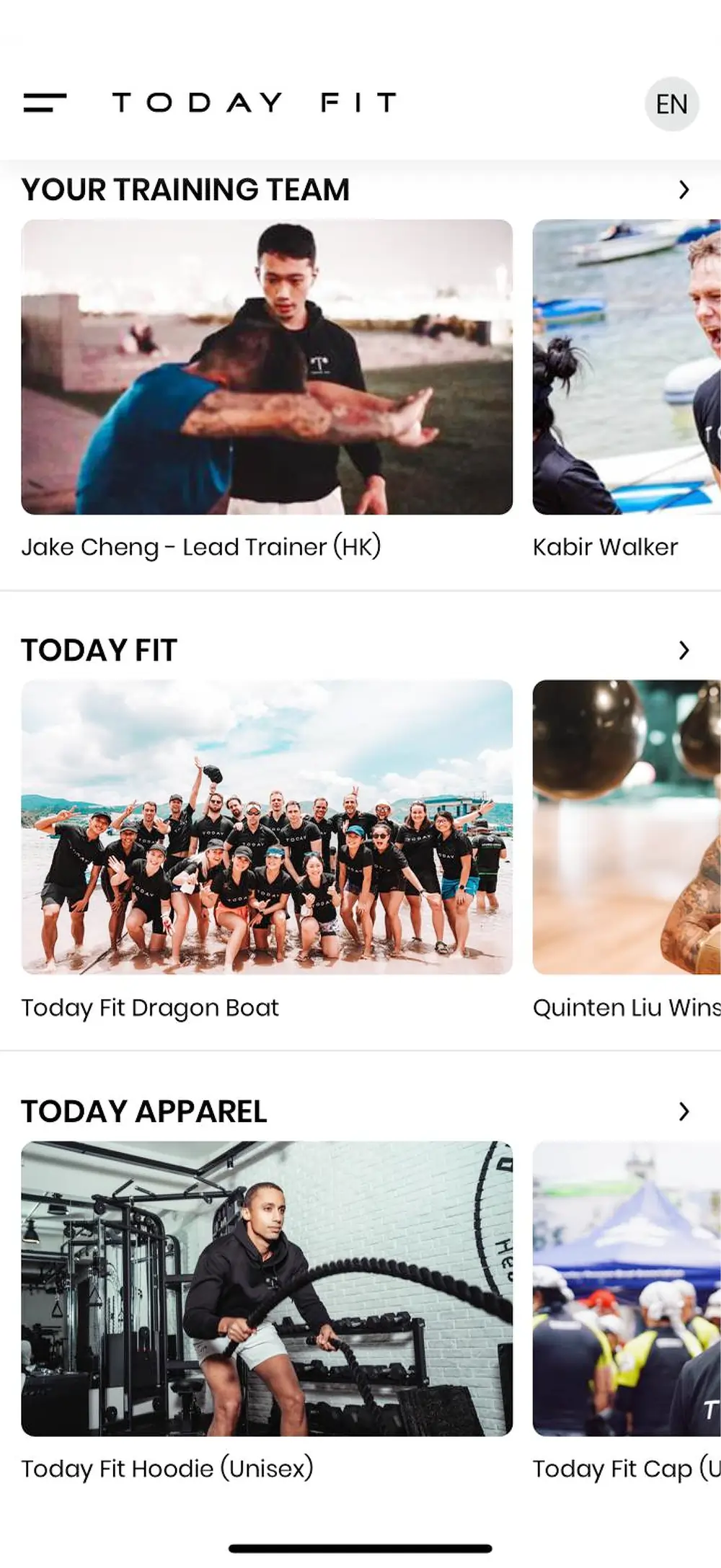
Today Fit Fitness App
The Challenge
Gyms, trainers, and users were stuck with disconnected tools for scheduling, payments, and fitness tracking. There was no single platform that combined personalized fitness with business management.
Our Approach
We developed TodayFit as an AI-driven fitness platform with trainer booking, personalized tracking, community features, and a SaaS layer for gym and trainer business management.
The Result
- 30% increase in user engagement
- 4.7+ average rating on the App Store and Play Store
- 60% growth in trainer bookings
- 45% increase in subscription conversions
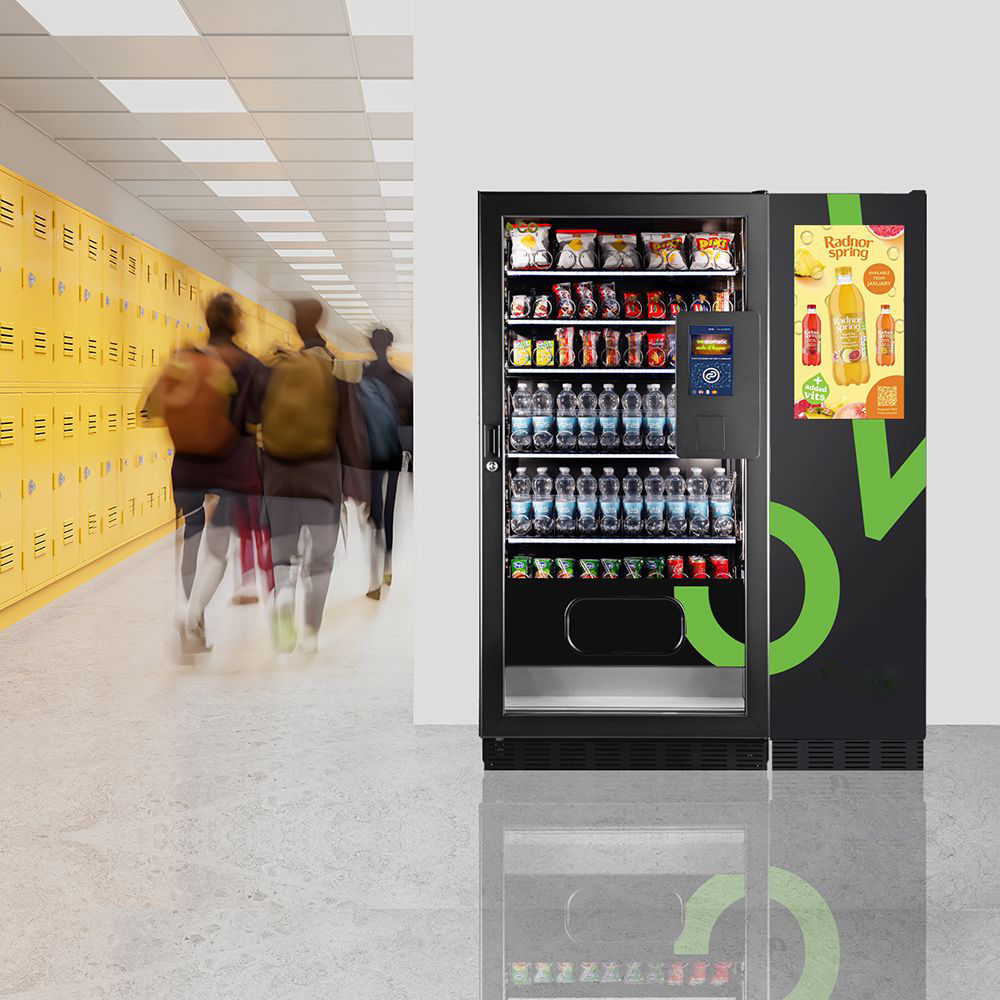
SmartVend AI Smart Vending Platform
The Challenge
Managing a distributed vending machine network meant manual inventory tracking, disconnected payment systems, no remote management capability, and zero real-time visibility into machine health or sales performance across locations.
Our Approach
We built SmartVend as a cloud-connected IoT platform combining an Android kiosk app, centralized web portal, real-time inventory sync, hardware integration for payments and dispensing, and a digital advertising layer — all managed from a single dashboard.
The Result
- Real-time inventory sync with low-stock alerts
- Remote machine management across unlimited locations
- IoT integration for payments, dispensing, and monitoring
- Centralized sales analytics and revenue reporting
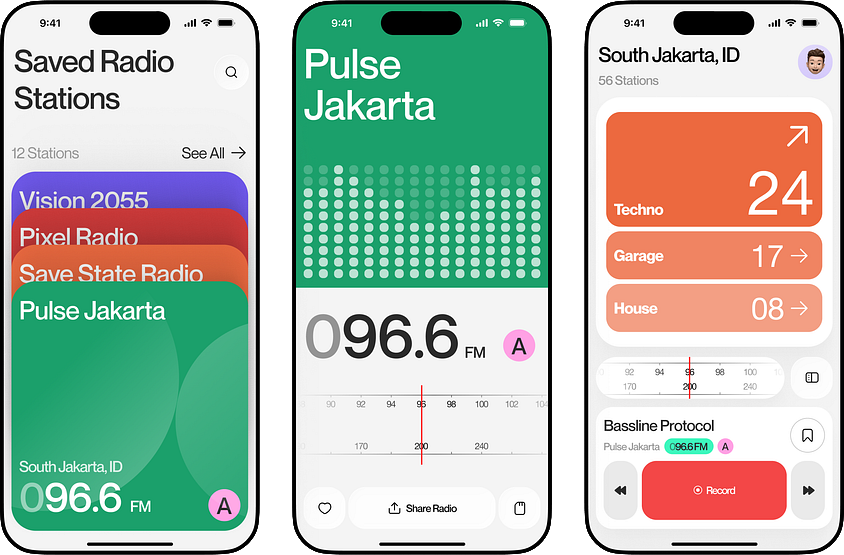
RadioFX Digital Radio Platform
The Challenge
Broadcasters were managing streaming, content, ads, and audience engagement through fragmented systems with no centralized analytics, inconsistent cross-platform experience, and manual station administration processes.
Our Approach
We built RadioFX as a unified digital broadcasting platform — live streaming, station management, ad campaigns, audience engagement, and analytics — all from one dashboard, delivered across web, iOS, and Android on scalable cloud infrastructure.
The Result
- Live audio streaming across web, iOS, and Android
- Centralized dashboard for stations, ads, and scheduling
- Built-in advertising management with campaign tracking
- Real-time listener analytics and streaming insights
StudyBuddy Student Collaboration Hub
The Challenge
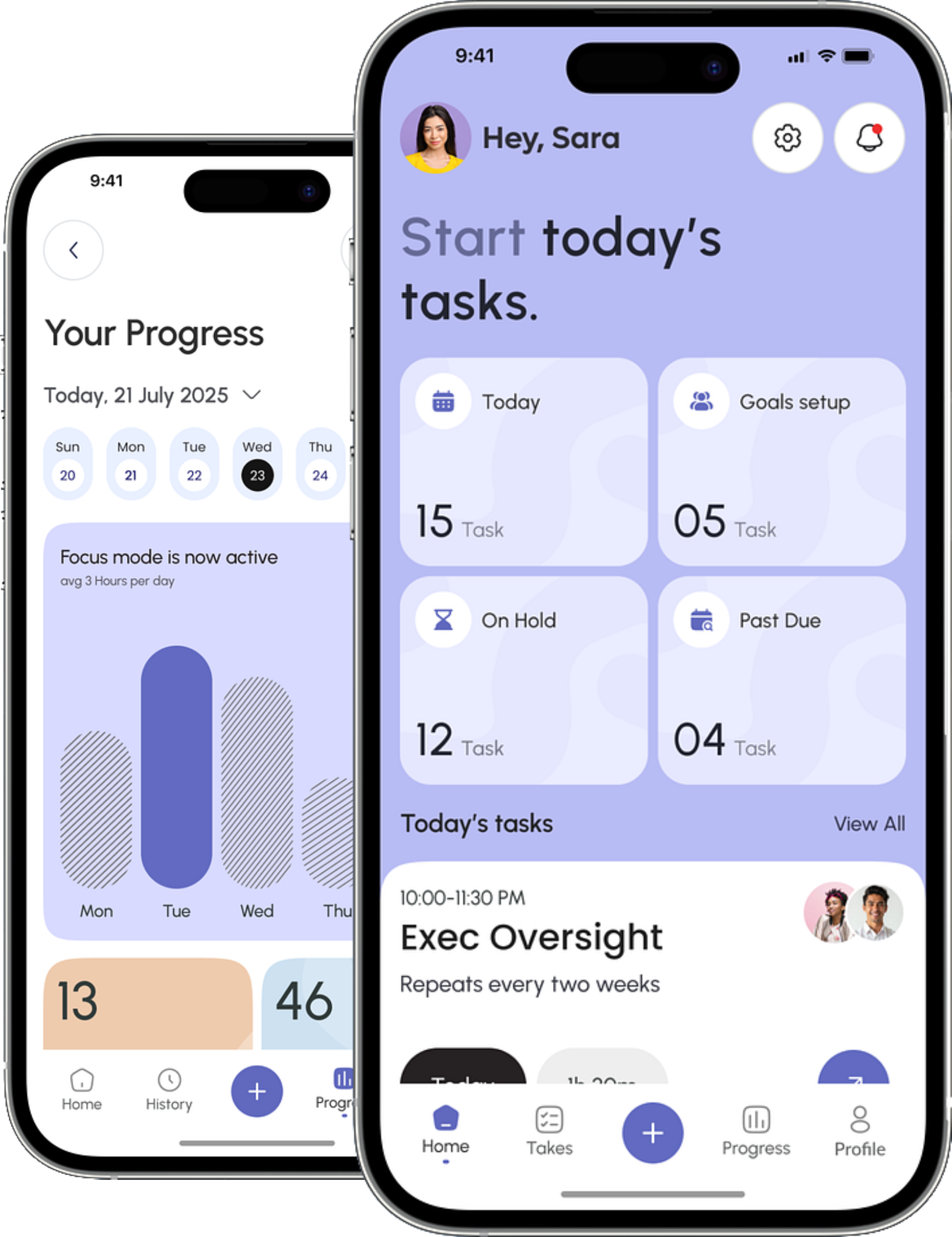
Students juggled multiple disconnected platforms for tutoring, discussions, and university engagement. Universities had no centralized system for student collaboration, tutor verification, or campus community management.
Our Approach
We built StudyBuddy as a university-exclusive collaboration platform with private campus communities, a tutor marketplace with verified profiles, real-time messaging, event management, Stripe-powered payments, and a centralized admin dashboard for multi-university operations.
The Result
- Verified student-only university communities
- Tutor marketplace with booking and secure payments
- Real-time messaging and document sharing
- Multi-university admin dashboard with moderation
GoSupps Custom eCommerce Solution
The Challenge
Selling fitness supplements across 20+ countries required handling multiple currencies, shipping rules, and tax laws from a single platform — while supporting 25,000+ daily customers and keeping mobile apps fully synced with the core e-commerce system.
Our Approach
We built three connected platforms — iOS app, Android app, and Magento e-commerce website — hosted on AWS with database indexing and caching, integrated with ODOO, Stripe, PayPal, UPS, and regional shipping providers, all supporting 20+ countries with auto-adjusted currency, tax, and shipping.
The Result
- 25,000+ users registered in the first month
- Multi-country e-commerce across 20+ countries
- Native iOS and Android apps with Magento integration
- AWS infrastructure built for high-traffic scalability
Gushcloud Influencer Platform
The Challenge
Brands had no structured way to connect promotional campaigns with real social media activity. There was no system to track rewards, target the right users, or measure campaign results — and manual processes slowed every new launch.
Our Approach
We built a social rewards platform with Facebook and Twitter API integration, allowing users to earn cash and charity rewards for completing brand activities like likes, retweets, and blog posts. A targeted search engine matches brands with users based on location, reach, and profile data.
The Result
- 50,000+ users registered within 3 months
- Social login with Facebook and Twitter
- Location and profile-based user matching
- Real-time campaign and user analytics
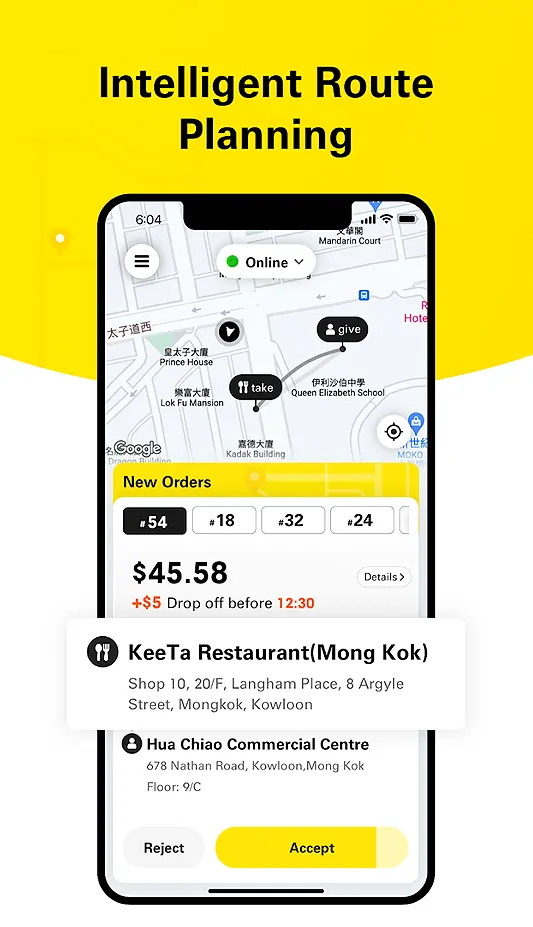
Keeta Food Delivery App
The Challenge
Building a food delivery app for international markets required multilingual support, real-time order tracking, lightning-fast performance across Android and iOS, flexible payment gateways, and scalable architecture to handle rapid multi-country expansion.
Our Approach
We built Keeta using React Native with Node.js and MongoDB backend, Firebase real-time tracking, advanced restaurant filtering, dynamic deal banners, multilingual support, and a smart delivery engine — all deployed through agile sprints for rapid global rollout.
The Result
- 100,000+ Google Play downloads in the first quarter
- 45% increase in daily active users
- 25% faster order processing
- 30% growth in restaurant partnerships
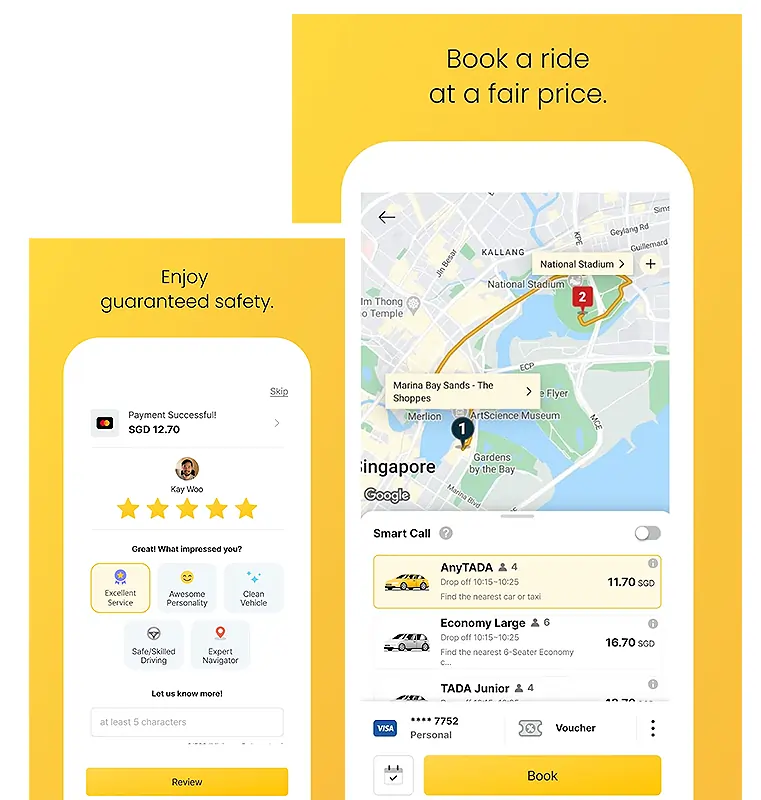
TADA Taxi Booking App
The Challenge
Unbalanced ride distribution, delayed driver matching during peak hours, no taxi option, limited suburban coverage, and backend scalability issues were driving high user drop-off and low booking volumes.
Our Approach
We built a multi-modal ride-hailing platform using Flutter and Node.js/MongoDB with a Smart Call feature using predictive analytics, real-time tracking via Google Maps API, taxi/EV/SUV modules localized per region, a dedicated driver portal, and dynamic load balancing for peak-hour scalability.
The Result
- 10x user growth in Singapore within 12 months
- 35% faster ride matching during peak hours
- 50% more successful matches with Smart Call
- 40% of ride requests from suburban areas
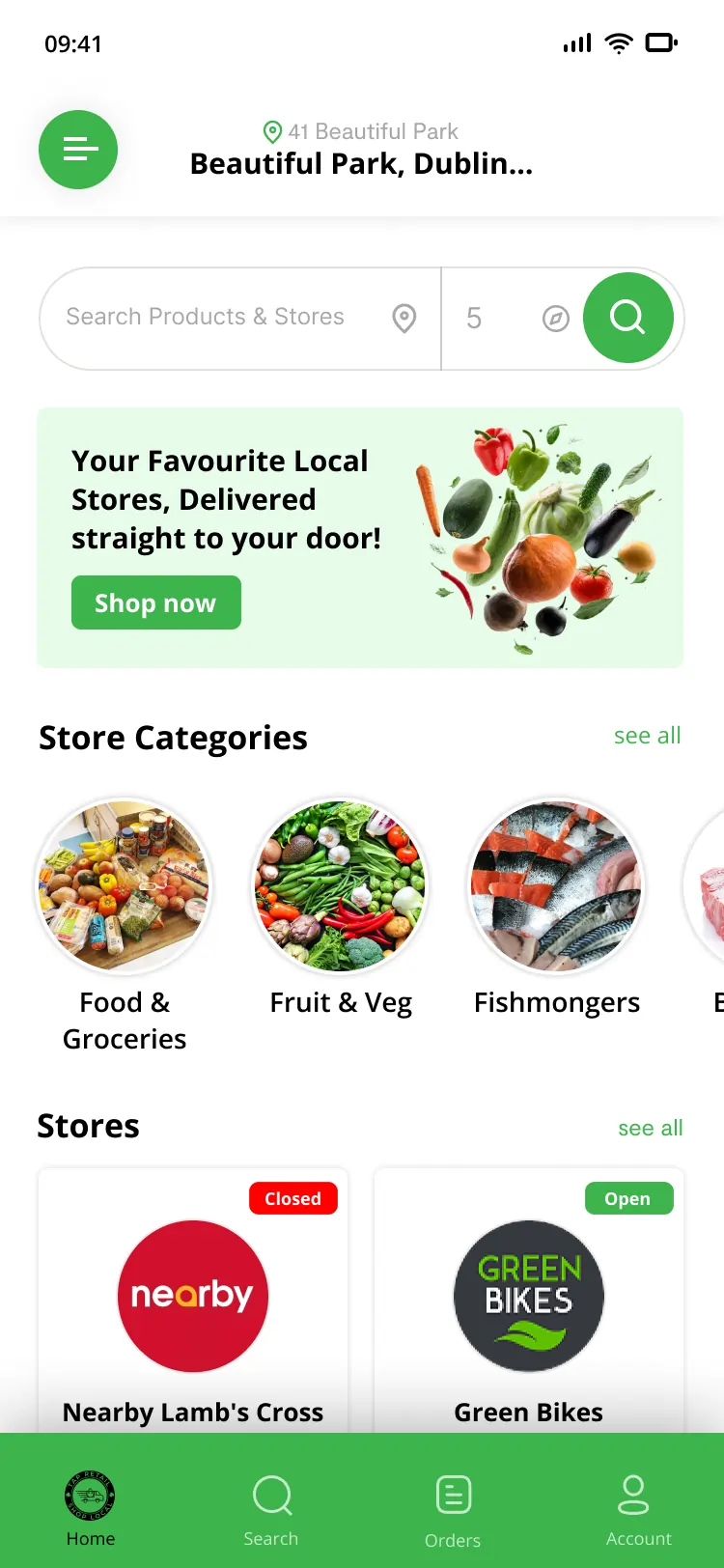
Tap Retail Retail Management
The Challenge
Managing 100+ product categories across fashion, food, and electronics through disconnected systems was causing SKU errors, missed promotions, poor product discovery, and inconsistent experience across mobile and web.
Our Approach
We built a scalable cloud-based retail management platform with modular multi-category inventory, smart search filters, dynamic pricing and promotions, related product recommendations, bulk upload tools, and real-time sync across all touchpoints from a single admin panel.
The Result
- 10,000+ products onboarded in the first 30 days
- 70% reduction in manual operations and SKU errors
- 25% increase in conversions with smart recommendations
- 3x faster inventory sync across departments
GoGmGo POS and CRM
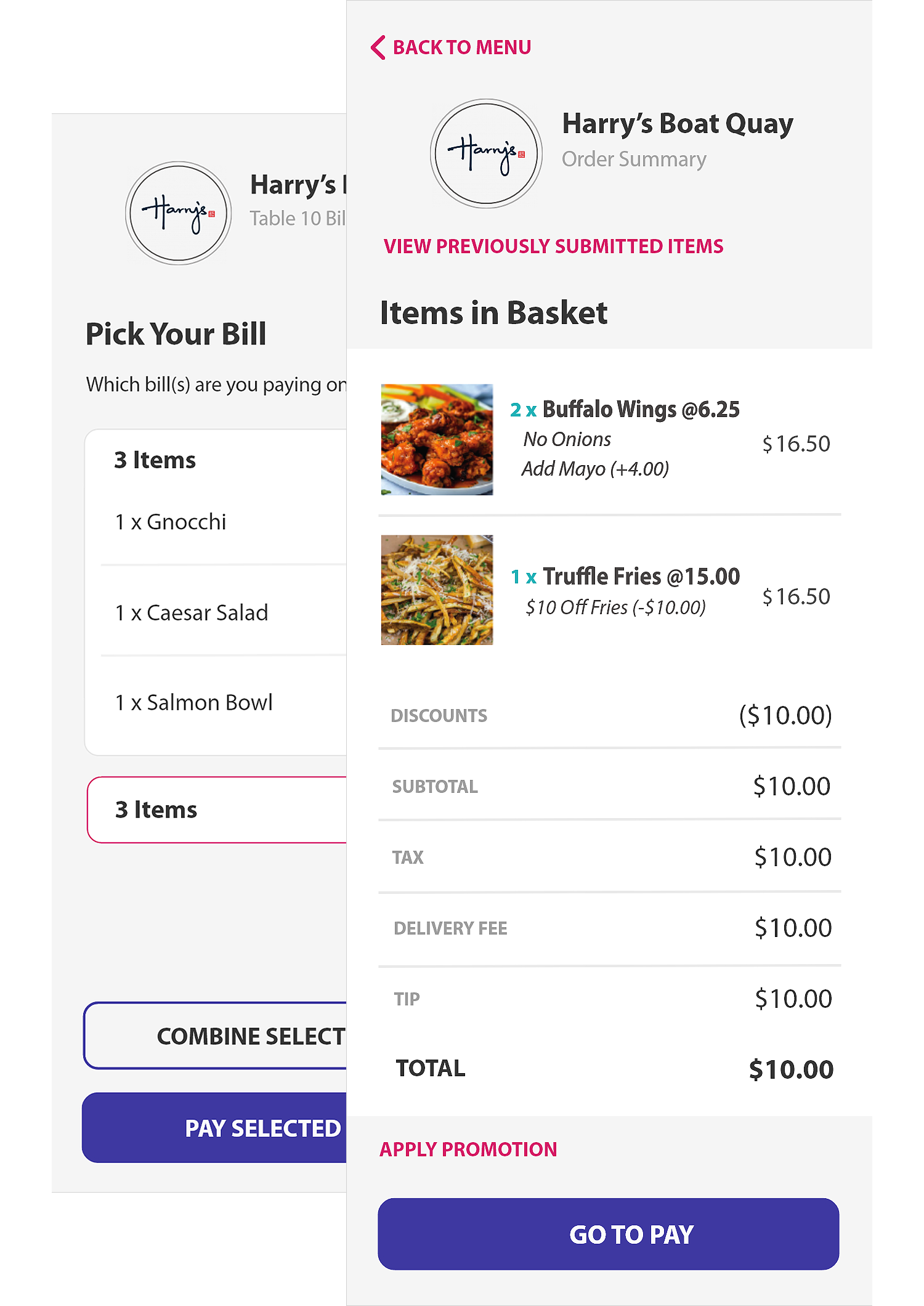
The Challenge
The client operated hundreds of F&B outlets using fragmented legacy systems across POS, HR, finance, and analytics - with no centralized dashboard, frequent reconciliation errors, and POS failures during network outages.
Our Approach
We built a cloud-based ERP ecosystem with offline-capable POS, AI-powered financial reconciliation, FIFO inventory tracking, multi-entity ring-fenced reporting, a self-service HR mobile app (GoHRGo), and a review aggregator - all on a microservices architecture designed for multi-brand scalability.
The Result
- 70% reduction in payroll processing time
- 99.9% POS uptime with offline capabilities
- 65% improvement in inventory accuracy
- 95% automated reconciliation accuracy
- Scaled operations across 300+ outlets under a unified system
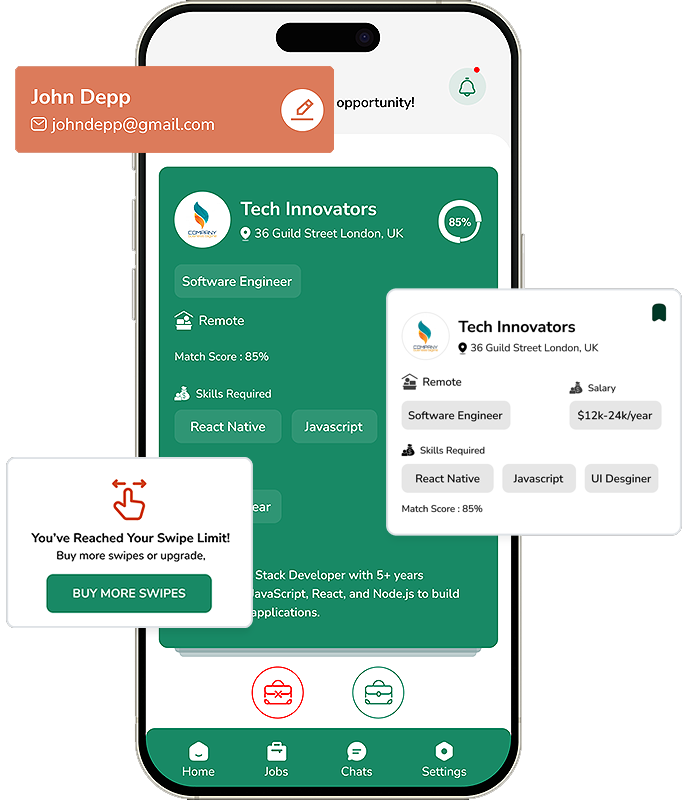
JobMinglr Recruitment App
The Challenge
Existing job platforms delivered irrelevant matches, had clunky filtering, and lacked real-time tracking, resulting in poor engagement, longer hiring cycles, and high candidate rejection rates.
Our Approach
We developed a job-matching app powered by machine learning that delivers personalized recommendations to seekers and tailored candidate profiles to employers — with resume uploads, skill-based filtering, real-time application tracking, and push notifications built into a scalable, intuitive interface.
The Result
- 45% improvement in job matching accuracy
- 35% reduction in time-to-hire for employers
- 40% increase in job seeker engagement
- 30% user base growth within the first quarter of launch
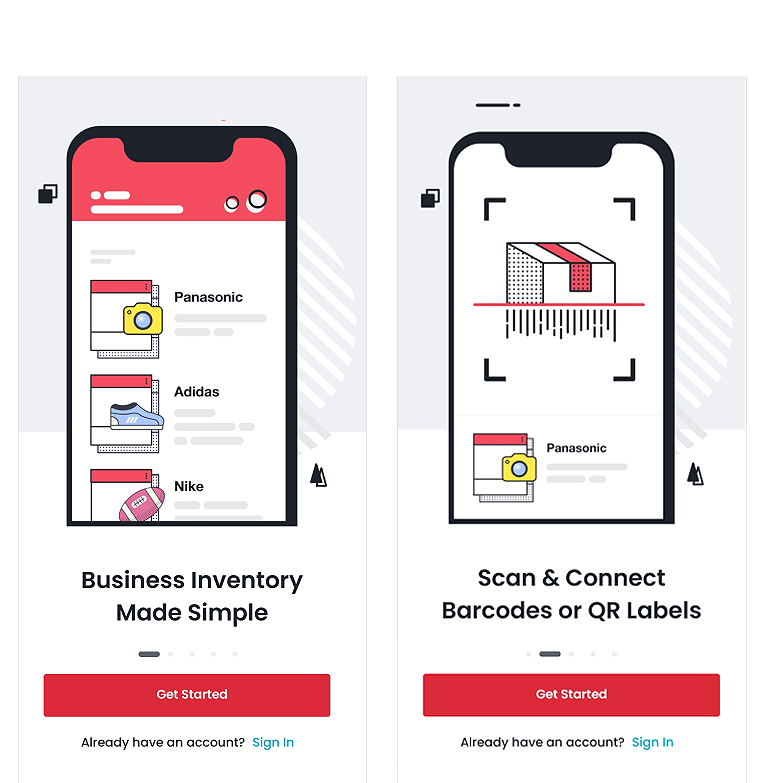
DENVEN Dental Management System
The Challenge
Dental practices relied on manual, error-prone inventory systems with no centralized tracking, no expiry alerts, no implant traceability, and zero real-time reporting - spread across multiple locations with non-technical staff.
Our Approach
We built a cloud-native dental inventory platform with real-time stock tracking, barcode/QR scanning, automated low-stock and expiry alerts, supplier catalog integration, an implant-to-patient tracking module with downloadable implant passports, and role-based access across locations, developed iteratively using Agile methodologies.
The Result
- 250+ practices adopted within 12 months
- 40% reduction in inventory wastage
- 99.5% reorder accuracy
- 80% improvement in implant traceability
- 92% user satisfaction score
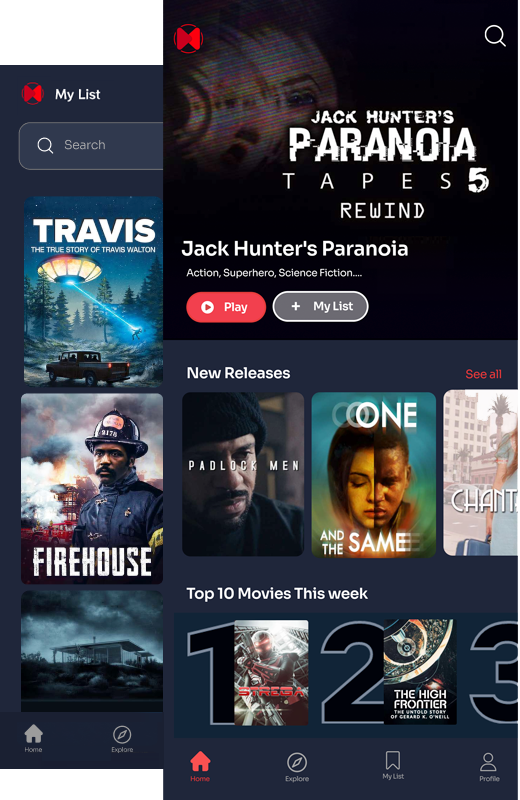
Moviez Movie Streaming App
The Challenge
The client needed a global OTT streaming platform but lacked the scalable infrastructure for HD delivery across regions, secure multi-gateway payments, cross-device performance, multilingual content management, and DRM-compliant offline downloads.
Our Approach
We built a cross-platform streaming app using Flutter with a Node.js and MongoDB backend, integrated Stripe and Apple In-App Purchases, implemented Firebase for real-time analytics and authentication, added AI-based content recommendations, and developed a multilingual tagging system — all optimized for mobile and smart TV.
The Result
- 300K+ downloads within 180 days of launch
- 4.7-star average rating across app stores
- 60% user retention after one month
- Live in 120+ countries with multilingual access
- 40% subscription boost after AI recommendation integration
Wearable app development technologies and tools
We choose the stack based on the devices your users wear, the data your app handles, and the systems it must connect to.
Swift
SwiftUI
WidgetKit
WatchConnectivity
HealthKit
WorkoutKit
Kotlin
Compose for Wear OS
Wear OS Tiles
Wearable Data Layer API
Health Services
Samsung Health SDK
Apple HealthKit
Google Health Connect
Garmin Connect IQ
Fitbit Web API
Strava API
Bluetooth Low Energy (BLE)
NFC
Wi-Fi
LTE and eSIM
MQTT
XCTest
Espresso
Firebase Test Lab
Real-device Testing
Why choose Xicom as your wearable app development company
Our mobile teams have built apps for phones, watches, and connected devices for over 20 years, so wearable projects benefit from the same delivery process, security practices, and support that our mobile clients rely on.
A track record you can check
- Rated 4.8/5 on Clutch and GoodFirms, Top 1% on TrustPilot.
- 20+ years of digital engineering and AI-first innovation.
- 1000+ apps live on Playstore & Appstore with 15 million+ downloads.
- 350+ Dedicated IT & AI Professionals.
- App development services from startups to large enterprises.
- 100% Satisfaction & Moneyback Guarantee.







20+ Years of Experience
Experience across mobile apps and connected devices helps us anticipate the platform, pairing, and sync issues that wearable projects run into.

Full Transparency
You get regular builds on real devices, sprint demos, and shared project boards, so you always know what is done and what comes next.

98% On-time Delivery
Our agile delivery process has given us a 98% on-time delivery record across more than two decades of projects.

Free 30 Days Support
Every launch includes 30 days of free support for fixes and adjustments after your wearable app goes live.

Flexible Engagements
Choose fixed price, a dedicated team, or time and material, or hire mobile app developers to extend your own team.

Ongoing Support
After launch, we update your app for new watchOS and Wear OS releases and new device models, with response times agreed upfront.
Our wearable app development process
Every wearable project follows a sprint-based process with builds tested on real devices from the first weeks, not only at the end.
1
Discovery and Strategy
We define users, target devices, data sources, and whether the app runs as a companion or standalone experience.
2
Wearable UX Design
Designers create glanceable screens, complications, and notifications, tested on actual watch sizes before development.
3
Development
Engineers build the watch app, companion app, and backend, and connect health platforms, sensors, and your systems.
4
Real-device Testing
We test on physical devices for performance, battery impact, sensor accuracy, connectivity drops, and OS version coverage.
5
Store Release and Support
We handle App Store and Google Play submission, then monitor, fix, and update the app as new devices and OS versions ship.
Compliance & Security behind every digital product we build
Built on trusted compliance frameworks and proven industry practices, we deliver secure, scalable, and high-performance digital solutions that align with global standards for quality, security, privacy, and governance at every stage of development.








Client testimonials and reviews showcasing the value we consistently deliver
Explore how our clients describe their journey with us, reflecting strong collaboration, effective execution, and consistent outcomes delivered across engagements. See how our delivery framework ensures consistency from initiation through to successful completion.
❝
Parity AI
We came to Xicom with an ambitious goal: make institutional-grade financial planning accessible to everyone through AI. Xicom went beyond the brief, blending conversational AI and predictive analytics into an effortless platform. Parity AI is exactly what we envisioned.

❝
RadioFX
Xicom took the time to understand what our stations and listeners actually need, building something tailored rather than generic. Live chat and polls are now core to how we connect with our audience — the app has become a true extension of our on-air presence.


❝
StudyBuddy
Xicom built exactly what our students needed: a secure space to connect, collaborate, and find tutoring support in one place. Their understanding of student behavior shows in how naturally everything fits together — StudyBuddy is something students genuinely rely on.
❝
BoxxDocks
Xicom helped us bring BoxxDocks to life exactly as we envisioned it. Their team understood the complexity of AI powered real-time asset tracking and delivered a platform that's both powerful and genuinely easy to use.
❝
TodayFit
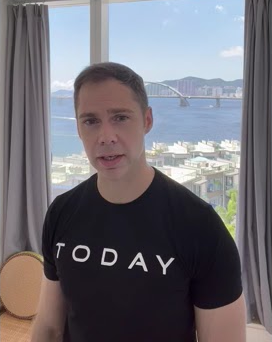
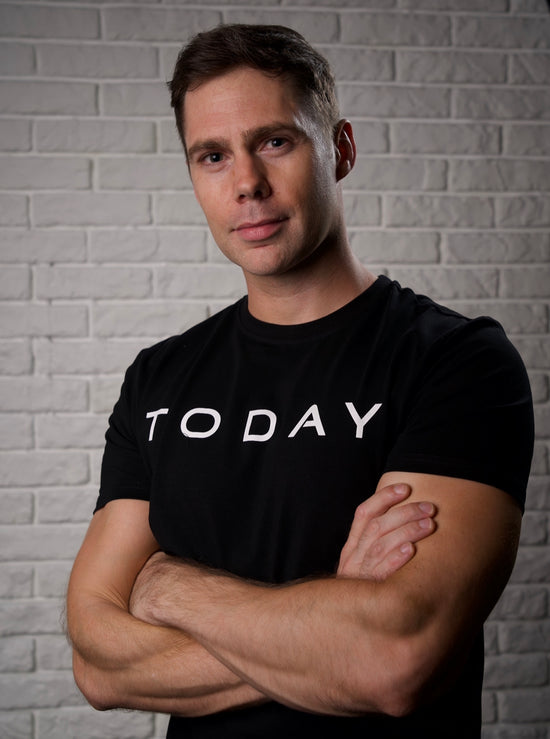
We are very happy with their services. I cannot recommend them highly enough. The value, ability, and delivery that we have seen has been superb, and we look forward to continuing this relationship.

❝
SmartVend AI
Their team built SmartVend from the ground up, combining hardware integration, real-time inventory sync, and a centralized dashboard that completely changed how we operate. We couldn't have asked for a more capable technical partner.

❝
Tap Retail
Partnering with Xicom to develop our Tap Retail app and website was one of the best decisions we made. Their team demonstrated exceptional professionalism, technical expertise, and a deep understanding of our business goals.


❝
GoGmGo
Partnering with Xicom was a game-changer for us. They didn't just build software, they helped us redefine how we run our business. Their proactive support and deep domain knowledge gave us the confidence to innovate faster.

❝
DENVEN
Working with Xicom has been a transformative experience. Their team quickly understood our challenges and delivered a scalable, intuitive solution. I highly recommend Xicom to any organization seeking future-ready, high-performance digital products.

Top tech insights of our blog
Explore latest tech stories & News
✦ AI-First Company
Deep Insights into Emerging Technology and Innovation!
Stay ahead in the digital world with our latest insights covering AI trends, industry developments, and expert advice on building smarter businesses.
1800+
Projects
20+
Years Experience
Frequently asked questions
What do wearable app development services include?
Wearable app development services cover strategy, UX design for small screens, native development for Apple Watch and Wear OS, companion mobile apps, health data and sensor integration, backend and cloud sync, testing on real devices, app store release, and ongoing support.
Which wearable platforms do you develop for?
We build for Apple Watch (watchOS) and Wear OS, which covers Samsung Galaxy Watch, Google Pixel Watch, and other Wear OS devices. We also integrate with Garmin, Fitbit, smart rings, BLE sensors, and smart glasses through their SDKs and APIs, depending on the devices your users already own.
Can a wearable app work without a smartphone?
It depends on the device and the app. Apple Watch and Wear OS both support standalone apps that run without a paired phone, especially on cellular models or over Wi-Fi. Many wearable apps still work as companions to a phone app for setup, heavier processing, or data sync. We recommend the right model during discovery and design the app to store data locally and sync when a connection is available.
How much does wearable app development cost?
At current market rates, a companion watch app for one platform typically costs about $25,000 to $60,000. A standalone or dual-platform app for Apple Watch and Wear OS with health data, BLE sensors, and cloud sync usually costs about $60,000 to $150,000. Enterprise or regulated wearable solutions with HIPAA requirements, medical device integration, and analytics often cost $150,000 to $300,000 or more. We provide a fixed estimate after a short discovery call.
How long does it take to develop a wearable app?
A companion watch app for one platform usually takes 2 to 3 months. A dual-platform app with health data and device integration typically takes 4 to 6 months, and enterprise or regulated wearable solutions take 6 to 12 months, mainly because of integrations, compliance work, and testing across devices.
Do you integrate wearable apps with Apple HealthKit and Google Health Connect?
Yes. We read and write health and fitness data through Apple HealthKit on watchOS and iOS, and through Health Connect and Health Services on Android and Wear OS, with user permissions handled correctly so the app passes store review and respects user consent.
How do you keep wearable apps secure and compliant?
How do you handle battery life on wearable devices?
We minimize background work, batch sensor reads and network calls, use platform scheduling APIs, and offload heavy processing to the phone or cloud. Battery impact is measured on real devices during testing, not estimated.
Do you provide support after the wearable app is launched?
Yes. We handle updates for new watchOS and Wear OS releases, new device models, bug fixes, performance monitoring, and feature development, with every project including free support for 30 days after launch.
Every award marks a milestone in our journey of excellence
As AI-first digital engineering company, Xicom has earned global recognition for delivering innovative, scalable, and high-performing technology solutions. Our awards reflect the trust of clients and industry leaders alike.