×

- 20+ Years in Business
- 350+ IT Experts
- 750+ Enterprise Clients
- CMMi Level 3 Certified
- ISO 9001:2015
- Top 1% on TrustPilot
-
 4.8 on Clutch
Our valued Brands & Agencies
















Building scalable and reliable data foundations for enterprise intelligence
We help organizations build modern data environments that improve accessibility, processing efficiency, interoperability, governance, and analytics readiness across distributed systems, applications, cloud platforms, and operational workflows.
Data Strategy and Consulting
We help enterprises assess their current data ecosystem, uncover architectural gaps, and build scalable roadmaps that align with their operational and analytics goals through our data strategy and consulting service. This involves assessing the infrastructure, readiness of governance, storage systems, integration frameworks, and processing capabilities to create a strong basis for present-day data operations. We help organizations streamline data management and improve enterprise-wide visibility, focusing on interoperability, accessibility, scalability and long-term operational efficiency. This ensures streamlined analytics, automation and AI initiatives across evolving digital ecosystems and business environments.
WHAT’S INCLUDED
- Data architecture evaluation
- Data modernization planning
- Governance & compliance
- Enterprise data consulting readiness & scalability assessmentg
Data Pipeline Development
We develop scalable enterprise data pipelines to automate ingestion, transformation, validation and movement of data across distributed systems and operational environments. We enable batch and real-time processing with smooth data flow across enterprise ecosystems. We enable organizations to enhance operational continuity, processing efficiency, and data availability for analytics, reporting, automation, and AI-based business processes across complex digital environments by deploying resilient architectures, orchestration frameworks, and monitoring systems.
WHAT’S INCLUDED
- Batch and real-time data pipelines
- Pipeline orchestration systems
- Automated data pipelines
- Data processing optimization
- Pipeline monitoring & pipeline management
ETL/ELT Implementation & Modernization
Our ETL and ELT services help enterprises modernize legacy data transformation workflows and build scalable processing architectures optimized for modern analytics environments. We build robust extraction, transformation, and loading systems that improve processing efficiency, interoperability, and operational reliability across distributed data ecosystems. We modernize legacy workflows and provide cloud native processing capabilities that help organizations accelerate analytics readiness, improve data accessibility and support large scale operational intelligence initiatives across evolving enterprise infrastructures..
WHAT’S INCLUDED
- ETL workflow building
- ELT pipeline upgrade
- Migrate legacy workflows
- cloud-native data processing
- Optimization of transformation logic
Data Integration
We connect enterprise applications, databases, cloud platforms, APIs and operational systems to create interoperable data ecosystems. Our integration solutions improve accessibility, eliminate silos and keep data in sync across environments without interrupting business processes. We help enterprises achieve operational continuity, improve enterprise visibility, and enable analytics, reporting, automation, and AI-related initiatives across modern digital infrastructures, using scalable integration frameworks and secure connectivity architectures.
WHAT’S INCLUDED
- Data connectivity via APIs
- Data synchronization between systems
- Cloud and legacy integration
- Middleware integration frameworks
- Consolidating enterprise data
Data Migration
Our data migration services enable enterprises to move workloads, databases, and operational data across cloud, hybrid, and on-premise environments with minimal disruption, in a secure and seamless manner. We design structured migration strategies that ensure data integrity, operational continuity, and system reliability through the transition process. We assist organizations in modernizing legacy environments and optimizing data architectures to enhance scalability, accessibility, performance, and preparedness for analytics, automation, and AI-driven business operations within contemporary enterprise ecosystems.
WHAT’S INCLUDED
- Migration of legacy data
- Cloud data migration
- Database migration services
- Hybrid migration environments
- Migration planning & verification
Data Quality and Observability
We build enterprise data quality and observability systems that drive reliability, operational transparency and performance across modern data environments. Our solutions deliver validation frameworks, anomaly detection, monitoring systems and pipeline health tracking capabilities that enable enterprises to identify inconsistencies and ensure trusted data operations. We help organizations gain better visibility into processing environments and increase operational confidence to enable accurate analytics, reporting, automation and enterprise intelligence initiatives at scale.
WHAT’S INCLUDED
- Data validation frameworks
- Pipeline health assessment
- Operational observation systems
- Data reliability management
- Performance monitoring and tuning
AI/ML Data Prep & MLOps
We create scalable data engineering environments for AI and machine learning initiatives across enterprise ecosystems. We offer solutions that are ready to structure, convert and operationalize data for model training, analytics, deployment and management across the lifecycle. With MLOps workflows, automated pipelines and scalable processing environments, we help enterprises accelerate AI adoption, improve model reliability and sustain operational efficiency at scale for analytics and machine learning operations in production environments.
WHAT’S INCLUDED
- Creating AI training data
- MLOps workflow automation
- Model deployment pipelines
- Feature engineering systems
- ML infra optimization
Database Optimization and Performance Tuning
Our database performance tuning and optimization services enable enterprises to improve the speed of query execution, storage efficiency, workload distribution and overall database responsiveness in large scale operational environments. We evaluate the database architectures, indexing strategies, resource utilization and processing bottlenecks to improve scalability and system stability. By applying structured optimization methods and performance engineering practices, we help organizations maintain high-performing database environments that power enterprise applications, analytics workloads, and business-critical operations with enhanced reliability, faster processing, and long-term operational efficiency.
WHAT’S INCLUDED
- Query performance tuning
- Database scalability improvement
- Indexing and storage optimization
- Tuning resource utilization
- Database performance engineering
Managed Data Services & Support
Post deployment, our managed data services ensure ongoing operational support, infrastructure maintenance, monitoring and administration of enterprise data environments. We help organizations keep systems stable, working and infrastructure reliable through ever changing business and technology needs. We make sure that enterprise data ecosystems are secure, available and operationally efficient over the long term with proactive monitoring, issue resolution, maintenance workflows and ongoing support management. Our services lower operational overhead and allow for seamless performance across modern enterprise data environments.
WHAT’S INCLUDED
- Ongoing infrastructure support
- Operational monitoring services
- Issue resolution & maintenance
- Governance of data environments
- Long-term support management
Transforming industries through data engineering
Our data engineering services bring structure, speed, and reliability to the data flowing across your enterprise, integrating sources, automating pipelines, and building the infrastructure that powers smarter decisions across every industry we serve.






Energy & Utilities
Smart Meter & Grid Ingestion, SCADA Data Pipelines, Asset Performance Data Lakes, Consumption Analytics Infrastructure

Telecom
CDR & Network Event Pipelines, Subscriber Data Unification, Network Performance Data Lakes, Churn Signal Engineering

LET’S BUILD TOGETHER
Scalable data ecosystems for intelligence-driven business operations
At Xicom, we provide reliable data engineering services that support evolving analytics and operational intelligence requirements.
Accelerating enterprise transformation through AI and digital engineering.
20+
Years in Business
350+
IT Professionals
ISO 9001 Certified
NASSCOM & STPI Accreditation
NASSCOM & STPI Accreditation
750+
Clients Worldwide
1800+
Projects Executed
Relational Database
We know relational databases, how to design normalized schemas, how to write optimized SQL, how to tune queries for performance and reliability. We build and maintain transactional and analytical relational systems that guarantee data integrity with constraints, indexing, and ACID compliance so your structured data is consistent, fast, and trustworthy at scale.

NoSQL Database
We are NoSQL experts, with experience working with document, key-value, and wide-column models for semi-structured and unstructured data. Our team designs flexible schemas for high-volume, low-latency workloads, choosing the right data model for each use case and providing horizontal scalability where relational systems fail.

Batch processing engines
We have expertise in batch processing engines; building pipelines that transform and aggregate high volumes of data on scheduled cycles. We develop efficient, fault-tolerant batch jobs that reliably process terabytes of data, optimizing resource usage and processing time to produce clean, structured datasets for analytics, reporting and downstream consumption.
Stream Processing Engines
We work with stream processing engines, developing pipelines that process data as it comes in. Our team develops low-latency streaming applications for real-time analytics and event-driven systems, to guarantee ordered, accurate and fault-tolerant processing of high-throughput data streams in motion to support timely decision-making.

Distributed Computing Frameworks
We are experts in distributed computing frameworks , processing huge data sets in parallel across clusters of machines . We design and optimize horizontal scale-out workloads that efficiently partition data and computation, gracefully handle failures, and tune performance to process volumes far beyond the capacity of any single machine.
Message Queue / Event Streaming Systems
We are specialists in message queue and event streaming systems, providing the backbone of decoupled event driven architectures. We build reliable, scalable pipelines for messaging that move data between systems in real time, with guarantees around delivery, ordering and durability for use cases like data integration, microservices, and streaming analytics..

Object / File Storage Systems
We are experts in object and file storage systems where we design scalable and cost effective foundations for storing raw and processed data. We design storage layouts, partitioning, and lifecycle policies that balance performance and cost to deliver durable, virtually limitless storage for modern data lakes, pipelines and analytics platforms.
Query Engines
We specialize in query engines that support fast analytical queries directly on data in storage without costly movement. Our team deploys and tunes distributed query layers that efficiently scan large datasets for interactive analytics and federated queries across diverse sources, controlling cost and maximizing performance for analysts and applications.

Workflow Engines / Schedulers
We have expertise in workflow engines and schedulers, orchestrating complex data pipelines with dependencies, retries and monitoring. We build robust, auditable workflows that orchestrate ingestion, transformation and delivery jobs so that tasks are executed in the right order, recover from failures automatically and offer complete visibility into pipeline health and execution.

Containerization and Orchestration
We're experts at containerization and orchestration, packaging up data applications in portable units and managing them at scale. We build containerized pipelines that run uniformly across environments and automate scaling, scheduling and recovery across clusters so that data services run resiliently and efficiently under changing demand with minimum manual intervention.

Version Control & CI/CD Tools
We are masters of version control and CI/CD. We handle all code, configurations and pipeline definitions with full history and automated delivery. We follow disciplined branching, code review and automated testing, so that data engineering work is reproducible, auditable and safe to change, with reliable deployment and the ability to roll back confidently..

Programming & Query Languages
We are experts in the underlying programming and query languages used in data engineering , such as SQL and Python. We write clean, performant, maintainable code for transformations, automation and pipeline logic, using best engineering practices to build reliable data systems and articulate complex data operations clearly and efficiently.
Case studies showcasing the value delivered to clients through our solutions.
Explore how we partner with clients across industries to deliver tailored AI solutions that improve efficiency, enhance customer experiences, reduce costs, and drive long-term value.
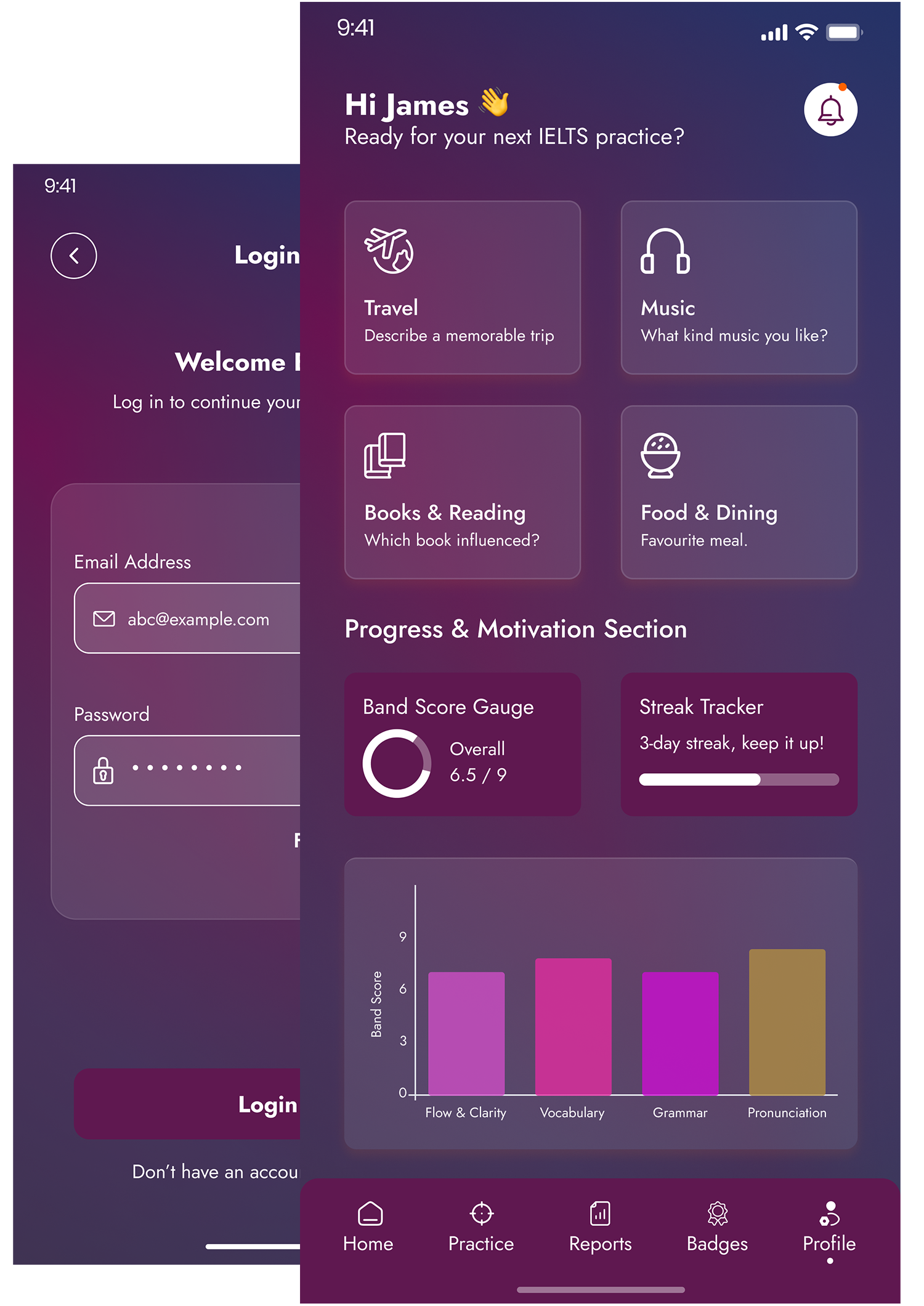
IELTS AI-Powered Speaking Evaluator
A full-stack AI platform featuring an AI Avatar Examiner with real-time lip-sync, multi-criteria IELTS band scoring, LangGraph conversation engine, Google Cloud TTS with visemes, and a comprehensive no-code admin panel — built to democratize premium English speaking practice for learners worldwide.
Industry
EdTech / Conversational
AI
Technologies
React 19, FastAPI, LangGraph, Gemini, Whisper, Google TTS, Postgres
Tap Retail Retail Management
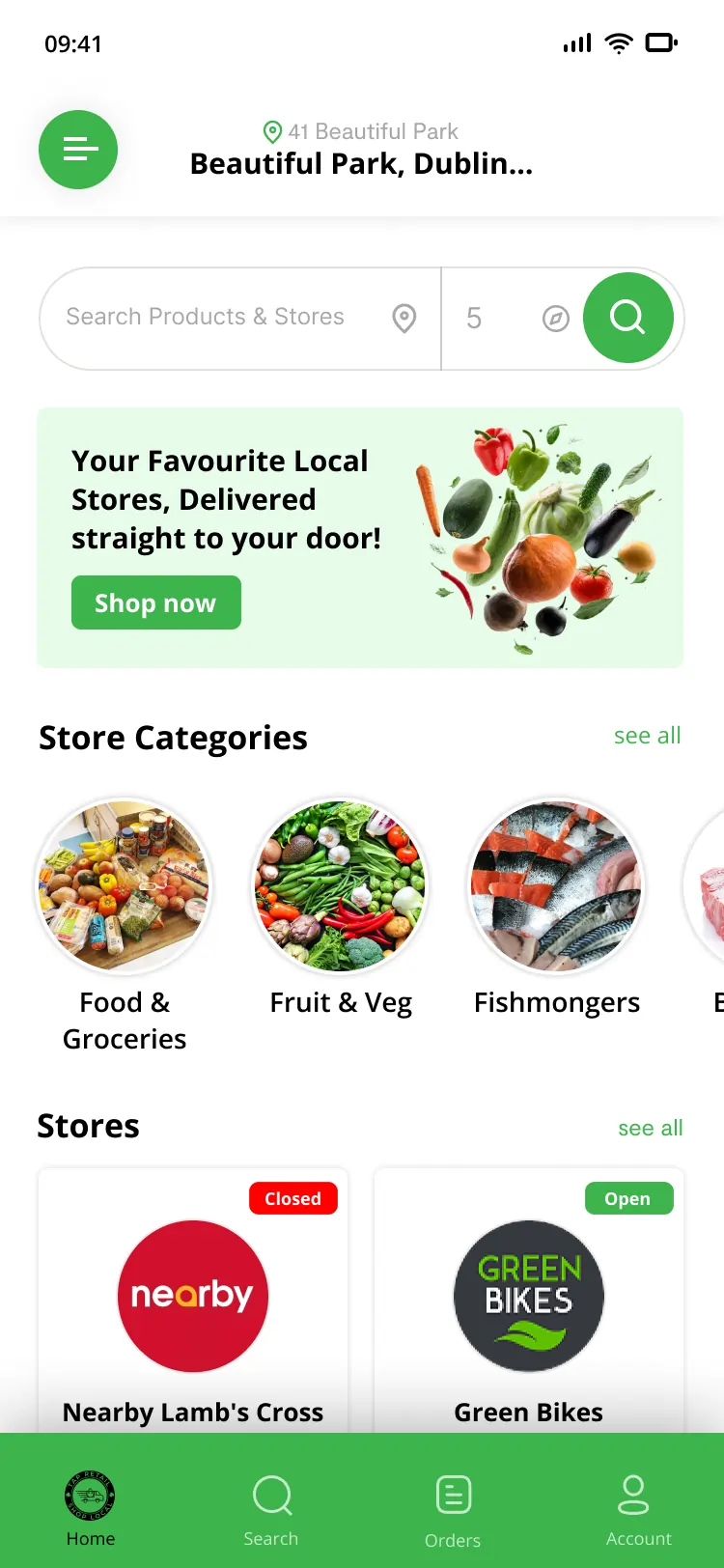
Tap Retail is a growing UK-based Retail management service provider that wanted to simplify how stores manage and track their product deliveries across multiple locations. They teamed up with Xicom to build a scalable, easy-to-use digital platform that centralizes their inventory management, allows for endless product listings, enables hassle-free order management and delivery, and allows users to locate the closest stores, all through digital solutions.
Industry
Retail and Ecommerce
Technologies
React.js, MongoDB, AWS
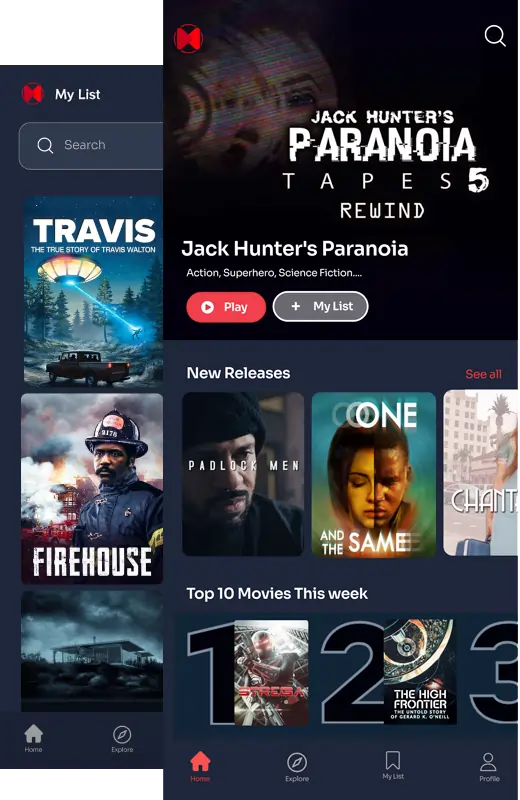
Moviez Movie Streaming App
Moviez is an on-demand movie streaming platform offering a vast library of international films across genres and languages. It delivers a premium HD cinematic experience across devices and ensures a seamless streaming experience to users. Our end-to-end solution helped turn Moviez's vision into a high-performance, world-class streaming platform.
Industry
Media & Entertainment
Technologies
React Native, Node.js, MongoDB, AWS
Keeta Food Delivery App
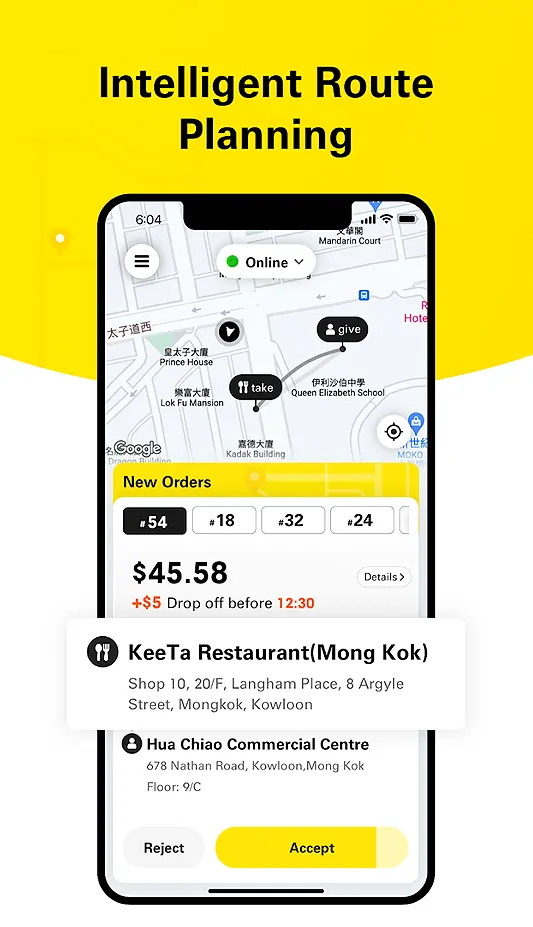
Keeta is a modern food delivery app developed by Xicom, catering to the evolving needs of urban consumers. Headquartered in Hong Kong and internationally linked with China's brand name Meituan, Keeta is designed to offer seamless, quick, and affordable food ordering experiences to customers. Users can explore a vast range of cuisines from global restaurants, enjoy daily discounts, and trust the brand’s on-time delivery promise.
Industry
FoodTech / On-Demand Services
Technologies
React Native, Node.js, MongoDB, AWS
GoGmGo POS and CRM
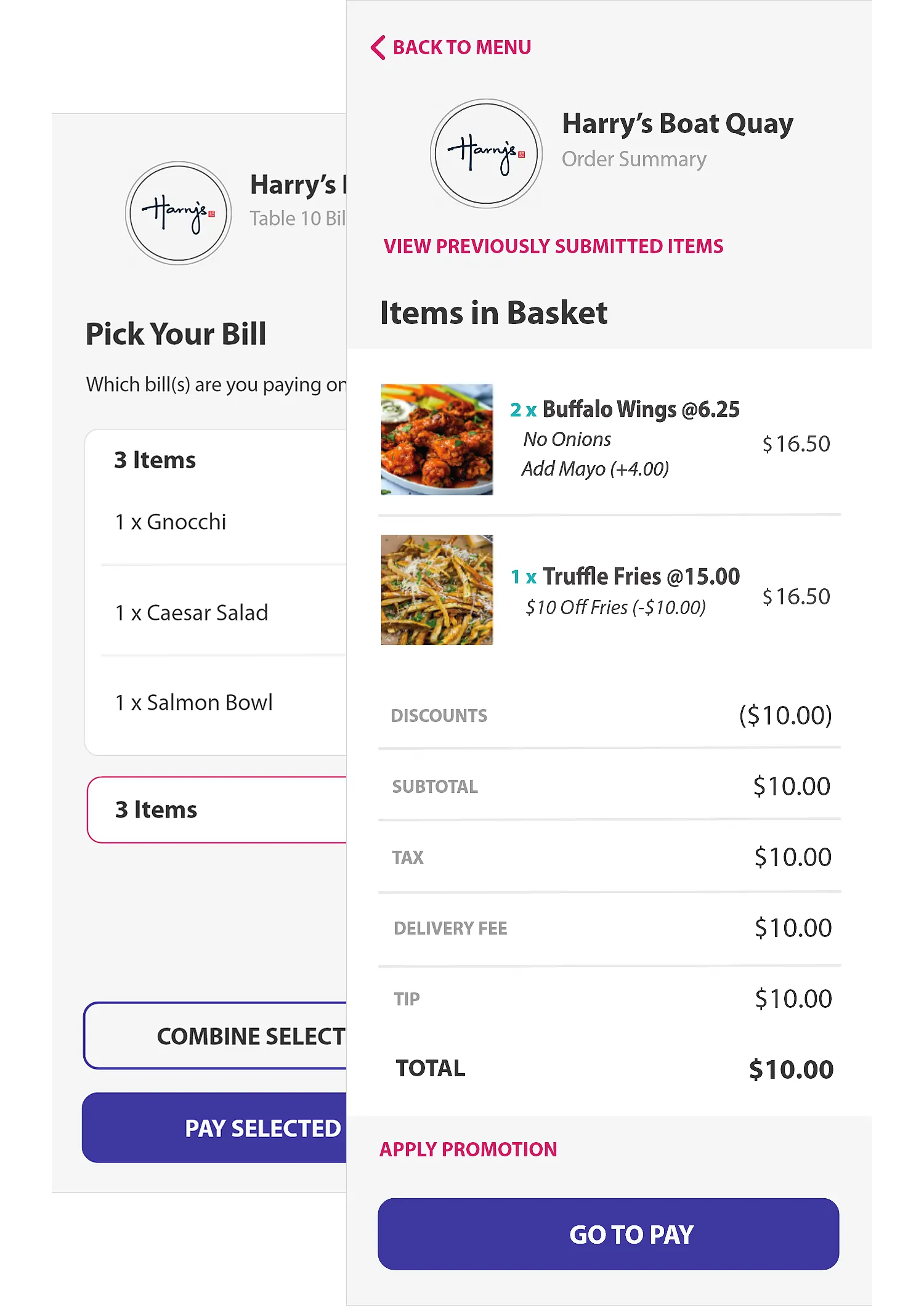
GoGmGo is a Singapore-based application targeting the F&B (Food and Beverage) industry, designed to oversee and manage the operations of a food and beverage business, right from planning the menu, controlling inventory, to managing staff. GoGmGo itself is an all-in-one F&B operating platform that uses automation to manage various aspects of the F&B business.
Industry
Food and Beverages
Technologies
React Native, Node.js, MongoDB, AI/ML

TADA Taxi Booking App
TADA is a next-generation ride-hailing application designed to provide a fairer and more efficient transportation service for drivers and passengers. With increasing traffic congestion and surging ride requests during peak hours, the client to looking forward to creating a platform that prioritizes earnings for drivers, faster ride matching, and extended ride options for users.
Industry
Transportation / Mobility
Technologies
Flutter, Node.js, MongoDB, AWS
Today Fit Fitness App
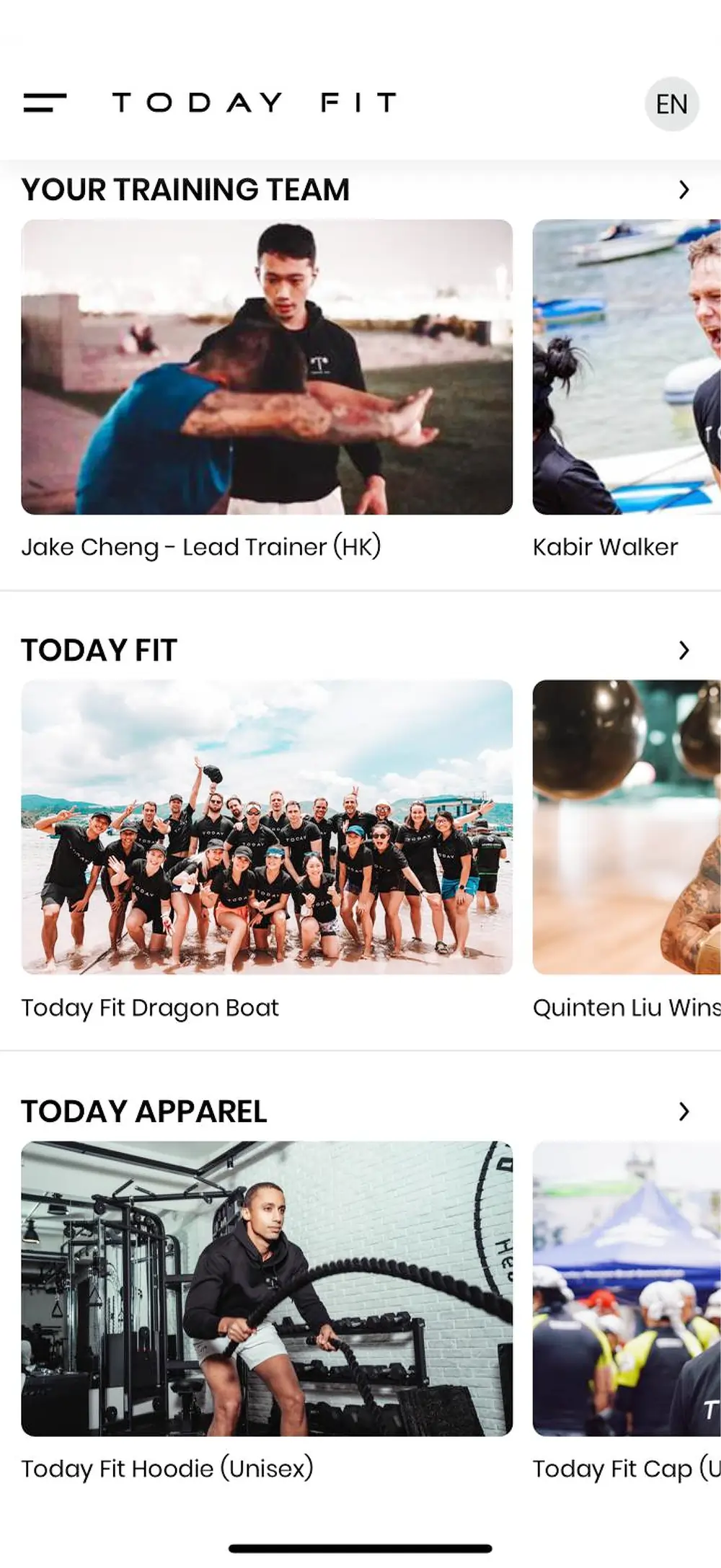
TodayFit is an envisioned project of a Hong Kong-based tech entrepreneur and fitness enthusiast, led by the passion to make Fitness more accessible, social, and engaging for everyone. With a vision to revolutionize virtual fitness, TodayFit aimed to develop a platform that seamlessly connects gym-goers, fitness trainers, and health enthusiasts across Hong Kong and Global markets.
Industry
Health and Fitness
Technologies
React Native, ASP.NET
JobMinglr Recruitment App
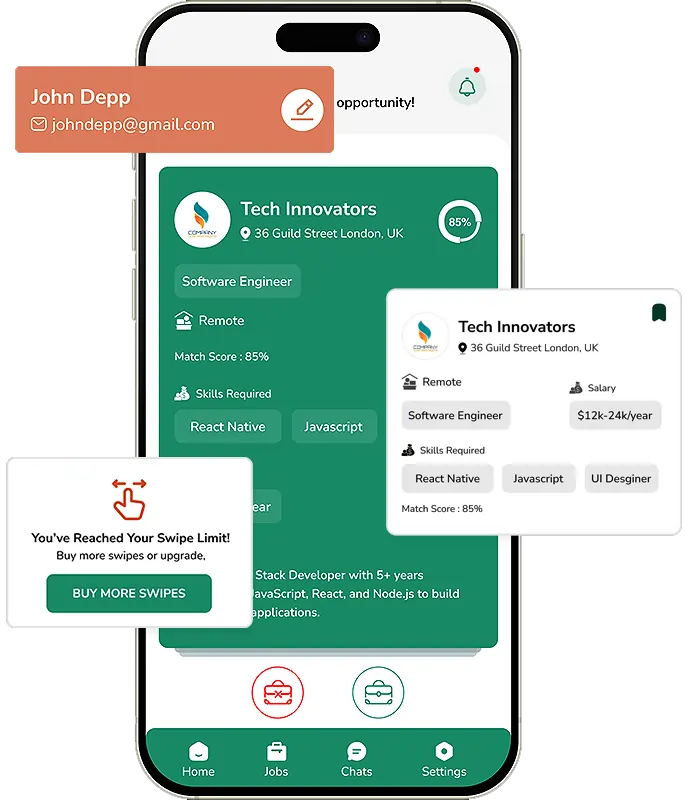
JobMinglr, developed by Xicom in partnership with its visionary founder John Carter and headquartered in Austin, Texas, is a cutting-edge job-matching platform engineered to revolutionize how job seekers and employers connect. By leveraging advanced AI algorithms and machine learning, the app delivers hyper-personalized job recommendations based on users’ skills, experience, and preferences.
Industry
Jobs and Recruitment
Technologies
React Native, Node.js, Machine Learning
FlirtFlex Social Networking
FlirtFlex is a next-gen social and content engagement platform born in the vibrant city of Austin, Texas, carefully designed to redefine the experience of how users and content creators interact online. Going beyond the traditional dating or subscription platforms' concepts that often prioritize profits over people, FlirtFlex champions authenticity, real-time conversations, and content creation facilities for the creators.
Industry
Social Networking
Technologies
Flutter, Node.js, MongoDB, WebRTC

Ready to transform your business with AI solutions tailored to your needs.
As a leading AI development company, we deliver IT solutions that perfectly align with your business goals. We make businesses technically smarter and more intuitive.
Building scalable data ecosystems using advanced frameworks and tools
Our data engineering ecosystem combines advanced frameworks, modern tools, and scalable technologies to build reliable, high-performance, and analytics-ready data environments supporting enterprise operations, intelligent processing, seamless accessibility, and long-term scalability.
 Python
 Java
Java Scala
Scala SQL
SQL JavaScript
 R
R Apache Spark
 Apache Kafka
 Hadoop
 Pandas
 NumPy
NumPy Apache Airflow
 Talend
 dbt
dbt Apache NiFi
 Fivetran
 Matillion
 AWS
AWS Microsoft Azure
 Google Cloud Platform
 Snowflake
 Amazon Redshift
 Big query
 Synapse
 Databricks
 Apache Hive
 PostgresSQL
 MongoDB
 MySQL
MySQL Cassandra
 Redis
Redis DynamoDB
 Grafana
 Prometheus
 Datadog
 Apache Atlas
 Collibra
 Great Expectations
What makes Xicom a trusted data engineering partner for enterprises
Envision the smooth journey of transforming your idea into a seamless AI implementation, turning tech ideas into tangible business benefits by simply choosing Xicom as your tech and AI development partner.
A legacy of enterprise data engineering excellence
- Rated 4.8/5 on Clutch and GoodFirms, Top 1% on TrustPilot.
- 20+ years of digital engineering and AI-first innovation.
- 1,800+ projects delivered across 50+ countries.
- 350+ dedicated IT and AI professionals.
- End-to-end AI development from startups to enterprises.
- 100% Satisfaction & Moneyback Guarantee.





20+ YEARS OF EXPERIENCE
Our two decades of experience in artificial intelligence and product engineering help us build future-ready solutions for measurable business outcomes.
100% TRANSPARENCY
We enable real-time progress tracking, clear communication, and structured reporting to maintain complete visibility across every stage of product development.

98% ON-TIME DELIVERY
With systematic project management and agile execution, we ensure consistent delivery of tailored solutions within agreed upon timelines.

SIGN NDA
We enforce strict NDAs, industry-approved encryption, and secure architectures, safeguarding confidentiality and data integrity across every engagement we undertake.

FLEXIBLE ENGAGEMENTS
Our engagement models cover scalable resource allocation, fixed scope delivery, and dedicated teams, adapting flexibly to your evolving business requirements.

24x7 SUPPORT
We offer round-the-clock support and continuous monitoring, ensuring faster issue resolution, system stability, and ongoing performance optimization for every project.
Our end-to-end data engineering process for enterprises.
As a trusted data engineering company, we follow a structured development process to ensure scalable architectures, reliable delivery, and operational efficiency across modern enterprise data ecosystems and analytics-driven environments.
-
Data Assessment
We evaluate enterprise data ecosystems to define scalable engineering and modernization strategies.
-
Architecture Design
We design scalable architectures, storage systems, and pipelines optimized for enterprise data operations.
-
Data Engineering
We develop integrated data systems enabling reliable processing, transformation, and enterprise-wide accessibility.
-
Quality Assurance
We validate data accuracy, monitor processing environments, and optimize enterprise system performance continuously.
-
Managed Support
We deploy enterprise data environments with continuous maintenance, monitoring, and long-term operational support.
Our Engagement Models for AI Development
At Xicom, we offer flexible AI development engagement models tailored to your business needs. Whether you require a dedicated team, a fixed-price approach, or a pay-as-you-go model, we enable you to hire an AI development team that perfectly fits your budget and requirements.

Best suited for AI projects with well-defined scopes, ensuring cost predictability and on-time delivery.
- Transparent pricing with no hidden costs
- Predefined milestones and deliverables
- Budget certainty and risk management
- Guaranteed completion within the agreed timeframe
This model is suited for organizations that need a dedicated team working exclusively on their projects, providing consistent involvement across development stages.
- Full control over the AI development process
- Scalable and cost-effective engagement
- Seamless communication and collaboration
- Faster turnaround time for AI solution deployment
Perfect for dynamic AI projects where flexibility is key. Hire AI experts on an hourly basis for evolving business needs.
- Pay-as-you-go flexibility
- Optimized resource allocation based on project demands
- Easy adaptation to scope changes and new requirements
- Continuous improvements and scalability
Client testimonials and reviews showcasing the value we consistently deliver
Explore how our clients describe their journey with us, reflecting strong collaboration, effective execution, and consistent outcomes delivered across engagements. See how our delivery framework ensures consistency from initiation through to successful completion.
❝
Parity AI
We came to Xicom with an ambitious goal: make institutional-grade financial planning accessible to everyone through AI. Xicom went beyond the brief, blending conversational AI and predictive analytics into an effortless platform. Parity AI is exactly what we envisioned.

❝
RadioFX
Xicom took the time to understand what our stations and listeners actually need, building something tailored rather than generic. Live chat and polls are now core to how we connect with our audience — the app has become a true extension of our on-air presence.


❝
StudyBuddy
Xicom built exactly what our students needed: a secure space to connect, collaborate, and find tutoring support in one place. Their understanding of student behavior shows in how naturally everything fits together — StudyBuddy is something students genuinely rely on.

❝
BoxxDocks
Xicom helped us bring BoxxDocks to life exactly as we envisioned it. Their team understood the complexity of AI powered real-time asset tracking and delivered a platform that's both powerful and genuinely easy to use.


❝
TodayFit
We are very happy with their services. I cannot recommend them highly enough. The value, ability, and delivery that we have seen has been superb, and we look forward to continuing this relationship.


❝
SmartVend AI
Their team built SmartVend from the ground up, combining hardware integration, real-time inventory sync, and a centralized dashboard that completely changed how we operate. We couldn't have asked for a more capable technical partner.

❝
Tap Retail
Partnering with Xicom to develop our Tap Retail app and website was one of the best decisions we made. Their team demonstrated exceptional professionalism, technical expertise, and a deep understanding of our business goals.


❝
GoGmGo
Partnering with Xicom was a game-changer for us. They didn't just build software, they helped us redefine how we run our business. Their proactive support and deep domain knowledge gave us the confidence to innovate faster.

❝
DENVEN
Working with Xicom has been a transformative experience. Their team quickly understood our challenges and delivered a scalable, intuitive solution. I highly recommend Xicom to any organization seeking future-ready, high-performance digital products.

Top tech insights of our blog
Explore latest tech stories & News
✦ AI-First Company
Deep Insights into Emerging Technology and Innovation!
Stay ahead in the digital world with our latest insights covering AI trends, industry developments, and expert advice on building smarter businesses.
1800+
Projects
20+
Years Experience
Frequently asked questions
What is data engineering, and why is it foundational to enterprise AI strategy?
Data engineering is the discipline of designing, building, and maintaining systems that reliably collect, store, transform, and deliver data at scale. It underpins every downstream use case, including analytics, machine learning, and generative AI. Without well-architected data pipelines, clean data contracts, and governed data infrastructure, AI models are trained on unreliable inputs and produce unreliable outputs. In 2026, data engineering has evolved from a backend function into a strategic capability: enterprises that invest in AI-ready data infrastructure, lakehouses, real-time streaming, feature stores, and vector databases consistently outpace competitors in time-to-insight and AI deployment velocity.
How does data engineering support digital transformation initiatives?
Digital transformation depends on trustworthy, accessible, and integrated data. Data engineering enables this by modernizing legacy infrastructure, eliminating silos through integration pipelines, establishing unified data platforms, and enabling real-time data access across business units. When enterprise systems, ERP, CRM, IoT sensors, and SaaS platforms are connected through robust data integration pipelines, every transformation initiative gains a reliable data foundation. Without this foundation, digital transformation projects consistently stall or produce misleading insights from fragmented, poor-quality data.
How much do data engineering services cost?
Pricing varies significantly by engagement type. Staff augmentation for individual data engineers ranges from $25–$49/hour, depending on seniority. Managed data engineering services (ongoing pipeline development and operations) typically run $15,000–$80,000/month for enterprise-scale programs. Project-based engagements, cloud migrations, lakehouse implementations, and streaming builds range from $50,000 for focused workstreams to $500,000+ for full platform modernizations. Key cost drivers: team size, cloud complexity, number of integrations, compliance requirements, and AI/ML scope. Compare against in-house hiring: senior data engineers command $150,000–$250,000+ annually in the US before benefits and tooling costs.
How long does a typical data engineering project take?
Timelines depend heavily on scope. A data architecture assessment and strategy roadmap takes 3–6 weeks. A focused engagement, 10–15 pipelines for a specific use case, or migrating a single data mart to the cloud, takes 6–12 weeks. A full cloud data platform migration (legacy on-premises warehouse to Snowflake, Databricks, or BigQuery) takes 3–9 months. Building an end-to-end AI-ready data platform with streaming, feature store, vector database, and governance takes 6–18 months, depending on scale. Engage vendors who phase projects into 4–6 week increments with defined deliverables. This reduces risk and enables early value delivery before the full platform is complete.
What data engineering capabilities should enterprises evaluate when scaling AI programs?
Evaluate six capabilities:
- Feature store centralized ML features with point-in-time correctness
- Vector database infrastructure embedding storage and approximate nearest neighbor search for RAG
- Real-time data pipelines with sub-second latency ingestion for online ML inference
- Data lineage tracing predictions back to source data
- Data quality automation prevents corrupted data from reaching model training
- LLMOps-ready storage, structured and unstructured data co-located for multimodal workloads. Gaps in any of these consistently delay enterprise AI production deployments.
How does data engineering support regulatory compliance (GDPR, HIPAA, SOX)?
Data engineering is the technical layer that makes compliance enforceable at scale. For GDPR, engineers build automated personal data discovery, lineage tracking, and right-to-erasure workflows. For HIPAA, they implement PHI encryption, access audit logs, and role-based access controls. For SOX, they ensure financial data pipelines have immutable audit trails and version-controlled transformation logic. In 2026, compliance-as-code is standard: governance policies are programmatically enforced in pipeline validation steps, making compliance continuous rather than periodic.
What is the difference between ETL and ELT, and which should enterprises choose?
ETL (Extract, Transform, Load) transforms data in a separate engine before loading it to the destination. ELT (Extract, Load, Transform) loads raw data into the destination first, then transforms it using the platform's compute power. ETL was dominant when warehouse storage was expensive. ELT became standard with cloud platforms (Snowflake, BigQuery, Redshift) because storage is cheap and compute scales elastically. Modern enterprises should default to ELT for cloud-native architectures using dbt. ETL remains appropriate for data requiring privacy masking before storage, or legacy on-premises destinations with limited compute capacity.
What data architecture does generative AI require?
Generative AI requires a purpose-built architecture with six components:
- Vector database stores high-dimensional embeddings for semantic search (Pinecone, Milvus, Weaviate)
- The document store maintains source documents with metadata
- Embedding pipeline automated workflows that chunk, clean, and embed enterprise documents
- Knowledge graph captures entity relationships for contextual grounding
- Data quality layer hallucination is often a data problem, not a model problem.
- Multimodal lakehouse storing text, images, audio, and video alongside structured data.
Enterprises that retrofit analytics architectures for GenAI without purpose-built pipelines consistently experience poor retrieval accuracy, high latency, and governance failures.
What is a RAG pipeline, and how does data engineering power it?
Retrieval-Augmented-Generation (RAG) is an architecture where an LLM retrieves relevant context from an enterprise knowledge base before generating a response. Data engineering powers RAG through four stages:
- Ingestion, collecting, and preprocessing enterprise documents (PDFs, databases, wikis, email) at scale
- Chunking and embedding, splitting documents into semantic chunks and converting to vector embeddings
- Indexing storing embeddings in a vector database with metadata filters
- Retrieval at query time, finding the most similar chunks via approximate nearest neighbor search and passing them as LLM context.
Poor data engineering at any stage, stale embeddings, poor chunking, and inadequate metadata directly degrade answer quality.
How does data engineering enable AI agents and agentic AI systems?
AI agents, autonomous systems that reason, plan, and act, require data engineering infrastructure designed for agent-specific access patterns. Key requirements:
- Enterprise knowledge graph structured entity relationships for agent reasoning
- Real-time data APIs live operational data with sub-second retrieval
- Vector search infrastructure, semantic context retrieval from enterprise knowledge bases
- Persistent memory stores tracking agent state, conversation history, and action outcomes
- Tool-use data connectors governed integrations to ERP, CRM, and database agents can call safely
- Audit pipelines logging all agent actions, data accesses, and reasoning steps for compliance
Data engineering teams that build these capabilities now position their enterprise for production-grade agentic AI deployment.
What industries benefit most from data engineering services?
Data engineering delivers measurable ROI across every data-intensive sector. The industries with the strongest impact are:
- Banking and Finance — Real-time fraud detection pipelines, regulatory reporting automation (Basel III, AML), credit risk model infrastructure, transaction data integration across core banking systems, and algorithmic trading data feeds.
- Healthcare — Clinical data integration across EHR systems, patient 360 data platforms, medical imaging pipelines, claims processing automation, drug discovery data infrastructure, and HIPAA-compliant data governance frameworks.
- Retail and E-commerce — Real-time personalization engines, customer 360 platforms, supply chain analytics, demand forecasting pipelines, inventory optimization, and omnichannel data integration across POS, web, and mobile.
- Manufacturing — IoT sensor data pipelines from factory floor equipment, predictive maintenance infrastructure, production quality control analytics, digital twin data feeds, and ERP-to-analytics integration.
- Education — Student performance analytics platforms, LMS data integration, enrollment and retention prediction pipelines, curriculum effectiveness reporting, and institutional research data warehouses.
- Automotive — Connected vehicle telematics pipelines, dealer network analytics, EV battery performance monitoring, autonomous driving training data infrastructure, and warranty claims analytics.
- Real Estate — Property valuation data platforms, market trend analytics pipelines, portfolio performance reporting, tenant behavior analytics, lease management data integration, and PropTech platform data infrastructure.
- Travel and Tourism — Dynamic pricing pipelines for flights and packages, traveler behavior analytics, itinerary personalization engines, loyalty program data integration, destination demand forecasting, and OTA platform data infrastructure.
Every award marks a milestone in our journey of excellence
As an AI-first digital engineering company, Xicom has earned global recognition for delivering innovative, scalable, and high-performing technology solutions. Our awards reflect the trust of clients and industry leaders alike.