






 Python
 TypeScript
 Go
Go Rust
Rust Swift
Swift TensorFlow
 PyTorch
 Scikit-Learn
 OpenCV
 Opennn
 Hugging Face
 PyTorch Lightning
 Keras
Keras JAX
JAX Caffe 2
 Chainer
 MongoDB
 My SQL
 Firebase
 PostgreSQL
 SQL Server
 AWS
AWS Microsoft Azure
 Google Cloud
 React
React  Next.js
  Vue
Vue  Angular
  Tailwind
  Docker
 Kubernetes
 GitHub Actions
 Vercel
 Terraform
 OpenAI GPT-5.6
 Claude
 LangChain
 LlamaIndex
 Pinecone
Fredrick Baseson
CEO / CTS Capital


 4.8 on Clutch
We build scalable AI SaaS systems that are built for intelligent automation, operational agility, multi-tenancy and long-term product scalability. Our solutions are focused on cloud-native infrastructure, modular system design, interoperability, security, performance optimization, and seamless integration across distributed digital ecosystems. We help organizations increase maintainability, expedite development, and allow high-performance SaaS operations by building adaptable platform architectures, setting solid technical building blocks that allow AI-driven products to scale across workloads.
Our PoC and MVP development services help businesses validate AI SaaS concepts, assess technical feasibility, and accelerate product launches with reduced risk. We build functional prototypes and scalable MVP environments, focusing on usability, feature validation, infrastructure readiness and operational performance. We prioritize fast iteration, workflow optimization, and a user-centric product experience to iterate on business strategies, and build a solid technical foundation for long-term growth of SaaS products. This empowers faster decision-making while minimizing uncertainty in early-stage development.
We build fully bespoke, end-to-end AI SaaS platforms that take into account the uniqueness of your business model, operational requirements, customer experience and long-term scalability goals. We leverage intelligent automation, cloud-native infrastructure, modern application frameworks and AI-driven capabilities to deliver secure, reliable and high-performing SaaS products. We help businesses launch scalable AI-powered solutions optimized for evolving digital markets, ensuring long-term adaptability, platform stability, and efficient product operations by focusing on extensibility, interoperability, operational efficiency, and seamless user experiences.
Our multi-tenant SaaS engineering services help businesses build scalable software platforms that can cater to multiple customers in unified infrastructure environments. We build secure tenant isolation systems, scalable resource allocation frameworks, centralized administration layers and flexible architecture models that are optimized for operational efficiency and scalability. Strong multi-tenant practices enable organizations to improve infrastructure utilization, simplify platform management, reduce operational complexity and provide consistent user experiences, enabling secure, reliable, high-performing SaaS operations across distributed cloud-based environments.
We help businesses modernize legacy software platforms with our AI SaaS migration and reengineering services optimized for scalability, automation and cloud-native operations. Our solutions are built to modernize architectures, transform infrastructure, optimize workflows, enhance interoperability, and embed intelligent capabilities into existing digital ecosystems. We help organizations improve performance, operational flexibility, maintainability, and long-term adaptability by restructuring legacy systems and enabling scalable SaaS operations, minimizing disruption, and establishing modern AI-powered environments capable of supporting evolving business requirements and digital transformation.
Our AI deployment and MLOps services help organizations operationalize AI SaaS platforms with deployment environments, automated workflows, monitoring systems, and lifecycle management frameworks. We establish reliable AI operations over production environments, including secure infrastructure, observability capabilities, model deployment pipelines, orchestration systems and governance controls. We help organizations lower operational overheads with simplified deployment processes and enhanced operational visibility, enabling continuous optimization, efficient model management and stable AI capabilities in cloud-native environments for ongoing performance, scalability, compliance and long-term reliability.
Our maintenance and support services help businesses maintain stable, secure, high-performing AI SaaS environments post-deployment. We offer ongoing monitoring, troubleshooting, infrastructure maintenance, performance optimization, operational support, and platform management ensuring the continuous operation of the software in the dynamic digital environment. By identifying inefficiencies and anticipating operational challenges, we help organizations improve platform reliability, user experience, scalability and operational continuity. Our frameworks minimize downtime, simplify maintenance workflows and keep AI SaaS products optimized, secure and flexible.
Streamline complex operations, reduce manual overhead, and scale faster with our intelligent AI SaaS solutions.
Years in Business
IT Professionals
Clients Worldwide
Projects Executed

We build agentic AI systems that can reason, do tasks and coordinate workflows on their own. Our expertise includes orchestration frameworks, contextual memory systems, planning architectures and controlled execution environments. These capabilities enable enterprises to automate complex processes, improve process agility, and deliver reliable execution across interconnected ecosystems and enterprise platforms.

We create generative AI solutions for conversational experiences, intelligent content generation, enterprise search and workflow automation. We have experience building prompting systems, retrieval pipelines, contextual response generation, and frameworks for evaluating AI. We build scalable generative AI environments that deliver consistent outputs, adaptive interactions and production-ready intelligence across new digital products and platforms.

We apply advanced data science techniques to help organizations gain insights and improve operational decision making. We have skills in statistical analysis, forecasting models, exploratory data analysis and interpretation of large data sets. We build data-driven environments that increase the accuracy of analytics, improve operational visibility and support long-term business intelligence initiatives across platforms and enterprise ecosystems.
We build machine learning systems that recognize patterns, automate predictions and enhance operational intelligence. We specialize in predictive modeling, recommendation systems, anomaly detection, and scalable ML workflows. We enable organizations to increase efficiency, automate decision making, and optimize digital operations with intelligent machine learning environments built for enterprise-scale performance.

We build deep learning systems that can process language, images, speech and complex analytics data. We have expertise in neural networks, transformer architectures, model training systems, and inference optimization environments. These capabilities allow organizations to automate sophisticated analysis, improve the accuracy of predictions, and enable intelligent digital operations across scalable enterprise technology ecosystems.
We build NLP solutions that provide language understanding, semantic analysis and intelligent conversational experiences. We are experts in sentiment analysis, entity extraction, semantic search, conversational AI, and document intelligence systems. We enable organizations to increase efficiency in communication, automate information processing and improve accessibility across enterprise workflows, applications and digital ecosystems.
We create intelligent document processing and OCR solutions that automate the extraction and interpretation of enterprise documents. We are focused on AI powered OCR engines, document classification engines, structured data extraction, and automated validation workflows. We help organizations automate to reduce manual effort, improve processing efficiency and streamline document-heavy operational environments.
We develop predictive analytics systems that enable organizations to predict outcomes and proactively identify operational risks. We focus on predictive modeling, trend analysis, behavior prediction, and anomaly detection frameworks. We build intelligent analytics environments that can improve planning accuracy, increase operational visibility and enable faster business decisions across your enterprise’s digital ecosystems.
We create AI recommendation engines that provide personalized experiences and smart content recommendations on digital platforms. We are experts in ranking systems, collaborative filtering, contextual recommendation models and real-time personalization frameworks. We create scalable recommendation environments tuned to changing customer behavior to help businesses increase engagement, retention and build adaptive user experiences.

We develop object recognition systems that recognize, categorize, and track visual objects in images and video. We have experience in computer vision frameworks, object detection models, image analysis pipelines and real time visual processing technologies. We help organizations improve automation, monitoring accuracy, operational visibility and intelligent visual analysis across enterprise applications and workflows.

We develop facial recognition systems that offer identity verification, intelligent access control, and security monitoring. We have expertise in biometric recognition frameworks, facial detection models, visual matching systems and real-time processing environments. We help organizations enable secure authentication, automate identity-driven workflows, and strengthen operational security across digital and physical environments.
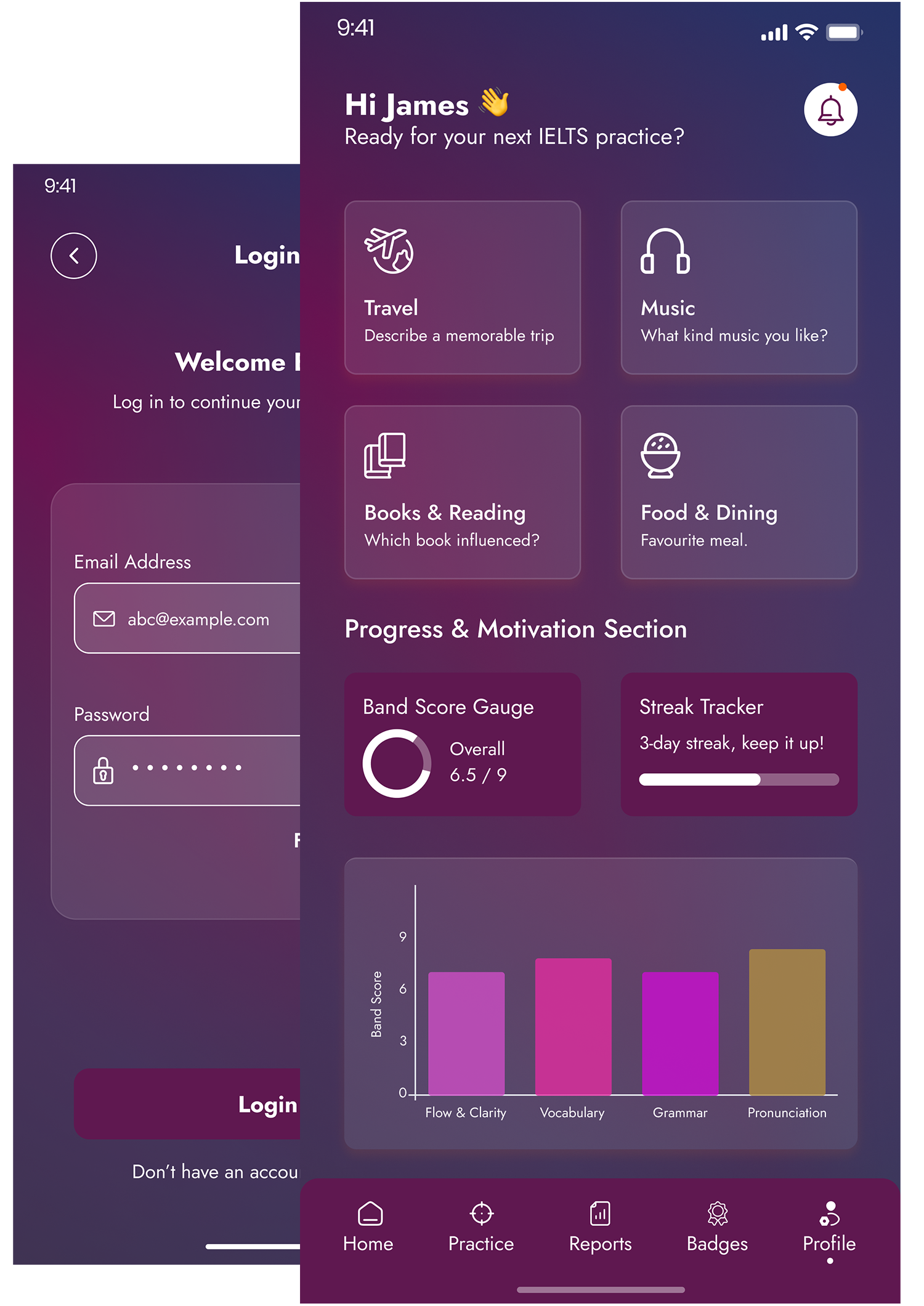
A full-stack AI platform featuring an AI Avatar Examiner with real-time lip-sync, multi-criteria IELTS band scoring, LangGraph conversation engine, Google Cloud TTS with visemes, and a comprehensive no-code admin panel built to democratize premium English speaking practice for learners worldwide.
EdTech / Conversational
AI
React 19, FastAPI, LangGraph, Gemini, Whisper, Google TTS, Postgres
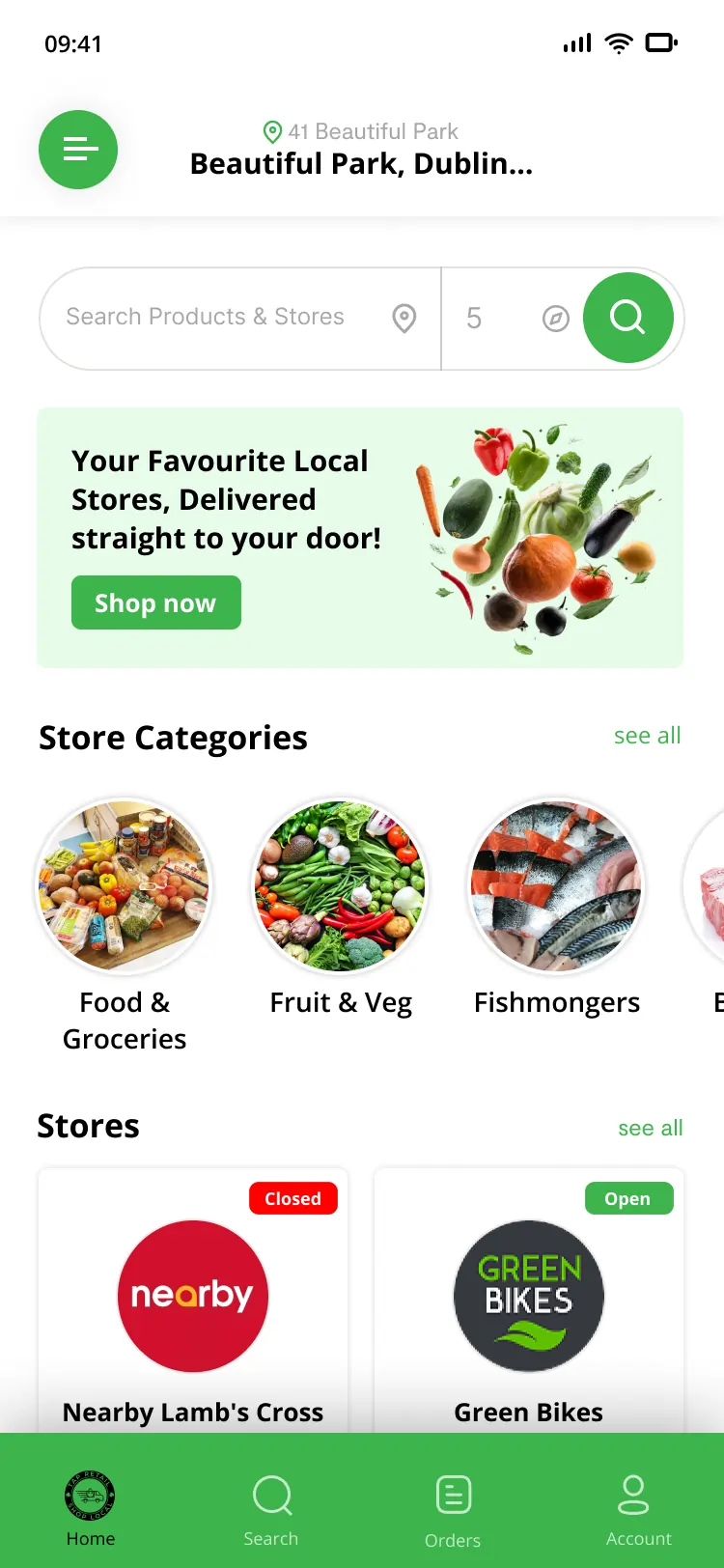
Tap Retail is a growing UK-based Retail management service provider that wanted to simplify how stores manage and track their product deliveries across multiple locations. They teamed up with Xicom to build a scalable, easy-to-use digital platform that centralizes their inventory management, allows for endless product listings, enables hassle-free order management and delivery, and allows users to locate the closest stores, all through digital solutions.
Retail and Ecommerce
React.js, MongoDB, AWS
Moviez is an on-demand movie streaming platform offering a vast library of international films across genres and languages. It delivers a premium HD cinematic experience across devices and ensures a seamless streaming experience to users. Our end-to-end solution helped turn Moviez's vision into a high-performance, world-class streaming platform.
Media & Entertainment
React Native, Node.js, MongoDB, AWS

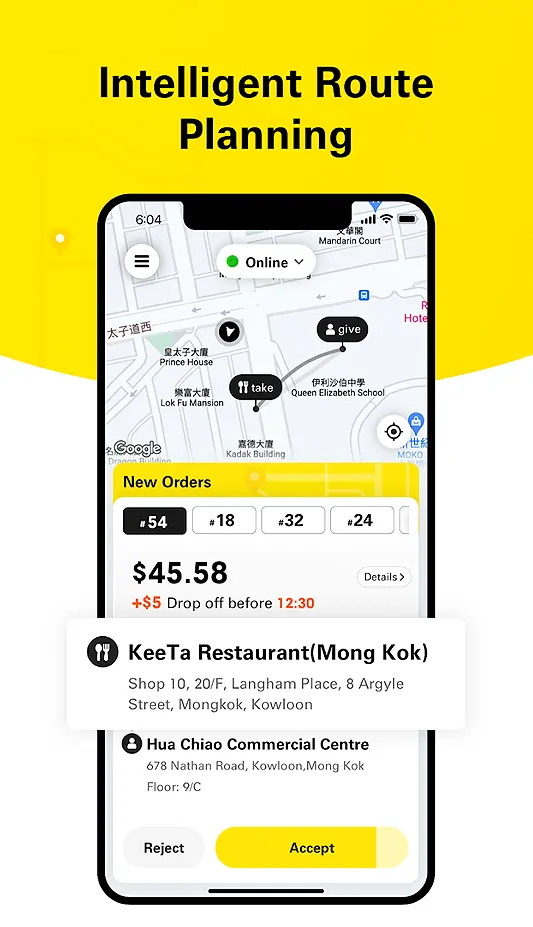
Keeta is a modern food delivery app developed by Xicom, catering to the evolving needs of urban consumers. Headquartered in Hong Kong and internationally linked with China's brand name Meituan, Keeta is designed to offer seamless, quick, and affordable food ordering experiences to customers. Users can explore a vast range of cuisines from global restaurants, enjoy daily discounts, and trust the brand’s on-time delivery promise.
FoodTech / On-Demand Services
React Native, Node.js, MongoDB, AWS
GoGmGo is a Singapore-based application targeting the F&B (Food and Beverage) industry, designed to oversee and manage the operations of a food and beverage business, right from planning the menu, controlling inventory, to managing staff. GoGmGo itself is an all-in-one F&B operating platform that uses automation to manage various aspects of the F&B business.
Food and Beverages
React Native, Node.js, MongoDB, AI/ML
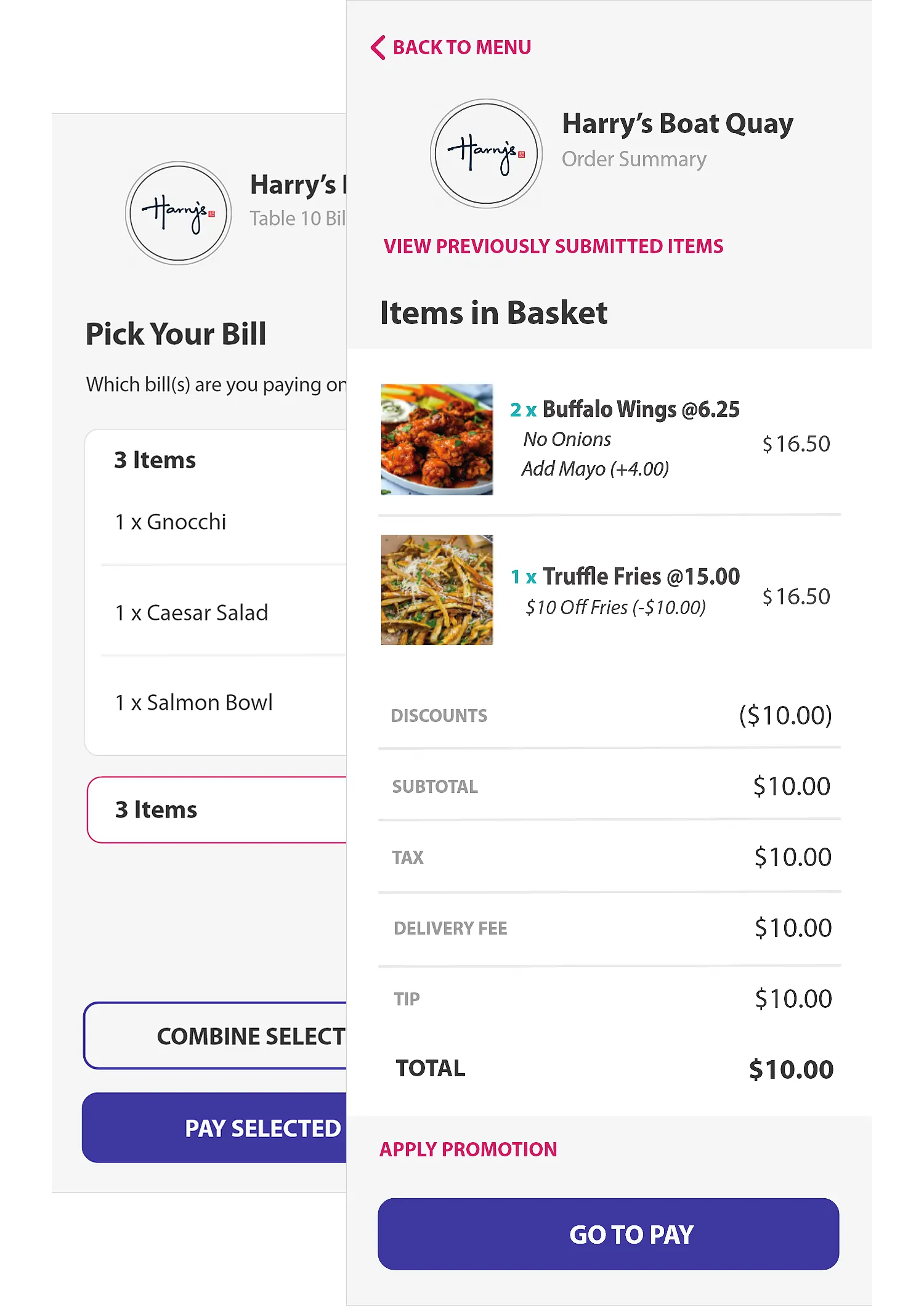
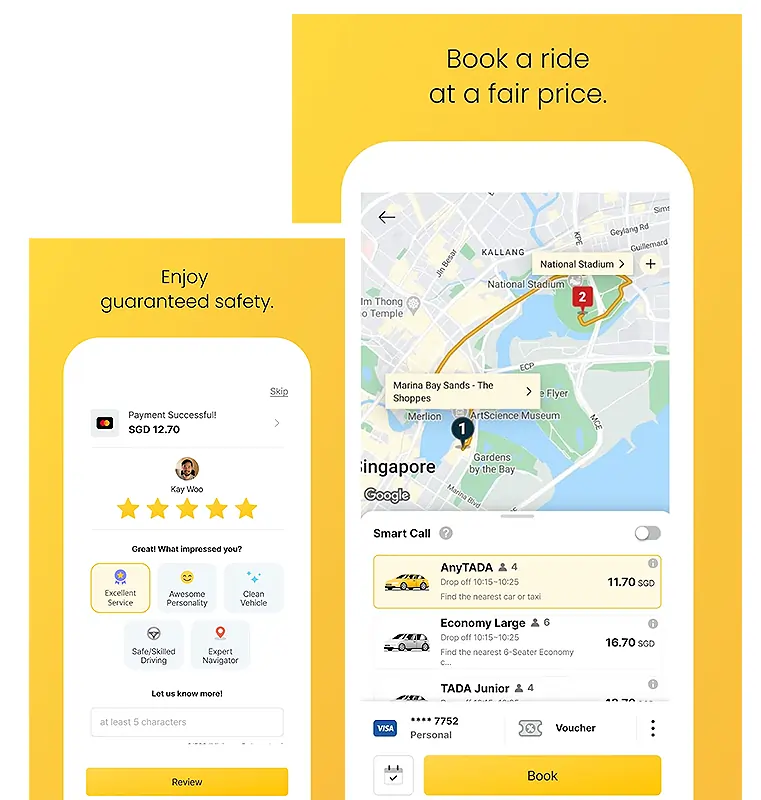
TADA is a next-generation ride-hailing application designed to provide a fairer and more efficient transportation service for drivers and passengers. With increasing traffic congestion and surging ride requests during peak hours, the client to looking forward to creating a platform that prioritizes earnings for drivers, faster ride matching, and extended ride options for users.
Transportation / Mobility
Flutter, Node.js, MongoDB, AWS
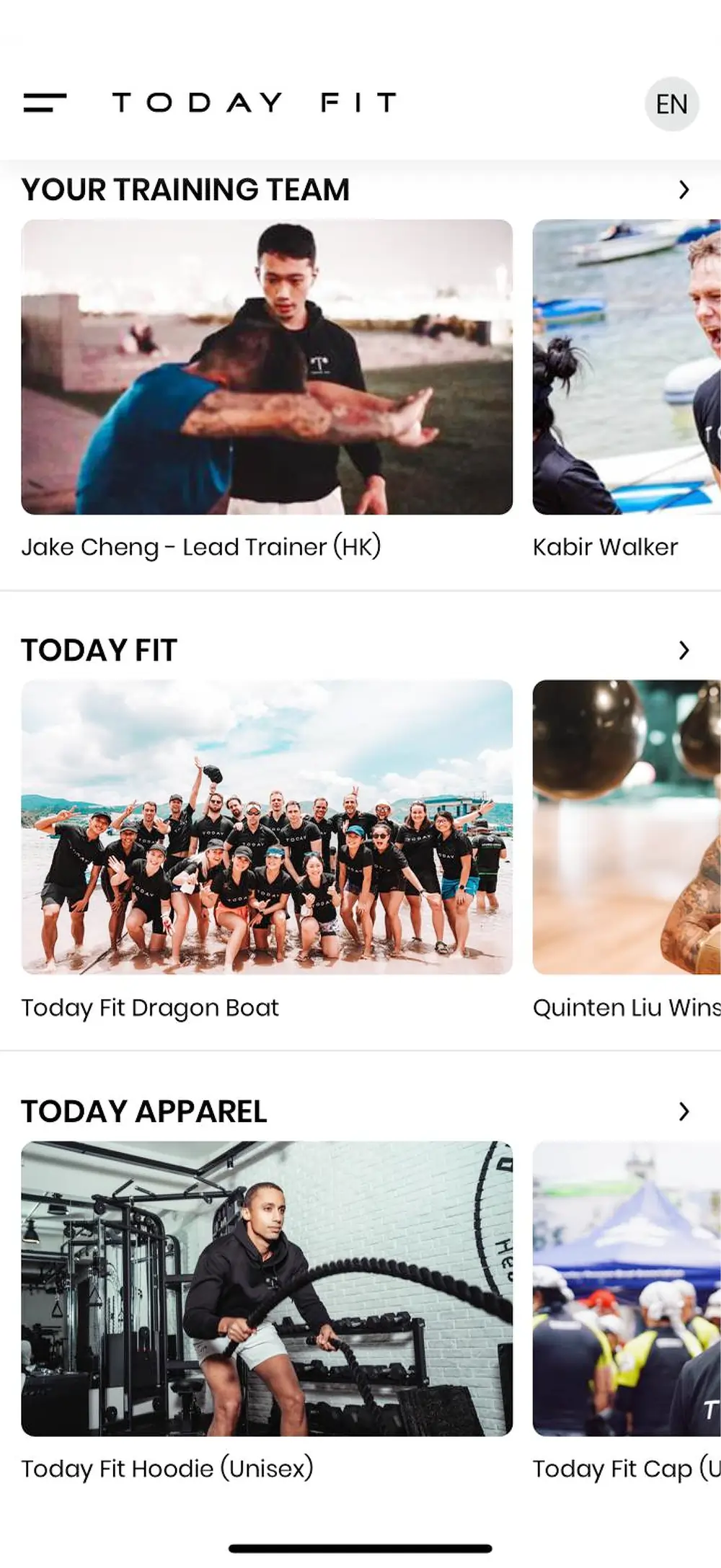
TodayFit is an envisioned project of a Hong Kong-based tech entrepreneur and fitness enthusiast, led by the passion to make Fitness more accessible, social, and engaging for everyone. With a vision to revolutionize virtual fitness, TodayFit aimed to develop a platform that seamlessly connects gym-goers, fitness trainers, and health enthusiasts across Hong Kong and Global markets.
Health and Fitness
React Native, ASP.NET
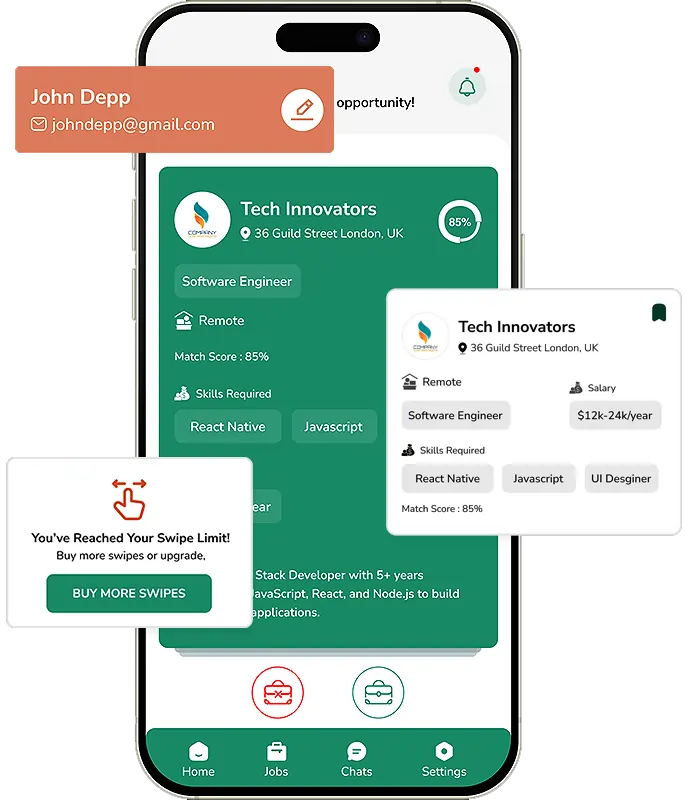
JobMinglr, developed by Xicom in partnership with its visionary founder John Carter and headquartered in Austin, Texas, is a cutting-edge job-matching platform engineered to revolutionize how job seekers and employers connect. By leveraging advanced AI algorithms and machine learning, the app delivers hyper-personalized job recommendations based on users’ skills, experience, and preferences.
Jobs and Recruitment
React Native, Node.js, Machine Learning
FlirtFlex is a next-gen social and content engagement platform born in the vibrant city of Austin, Texas, carefully designed to redefine the experience of how users and content creators interact online. Going beyond the traditional dating or subscription platforms' concepts that often prioritize profits over people, FlirtFlex champions authenticity, real-time conversations, and content creation facilities for the creators.
Social Networking
Flutter, Node.js, MongoDB, WebRTC








We evaluate business requirements, product goals, and AI opportunities to define scalable development strategies.
We design scalable SaaS architectures, workflows, and user experiences optimized for intelligent platform operations.
We build scalable AI SaaS solutions with secure infrastructure, automation capabilities, and intelligent operational workflows.
We monitor system performance, validate functionality, and optimize operational reliability across SaaS environments.
We deploy AI SaaS solutions with continuous monitoring, maintenance, optimization, and long-term technical support.

Best suited for AI projects with well-defined scopes, ensuring cost predictability and on-time delivery.
This model is suited for organizations that need a dedicated team working exclusively on their projects, providing consistent involvement across development stages.
Perfect for dynamic AI projects where flexibility is key. Hire AI experts on an hourly basis for evolving business needs.
Partnering with Xicom has provided an efficient and cost-effective solution to meet out IT needs. They have consistently demonstrated 100% commitment and the tenacity to complete the most challenging projects.
We were very impressed with Xicom. Understanding the needs of customers is the key to any successful business. Xicom perfectly understands these needs and knows how to translate them into applicable strategies. Moreover, they assign the team with best talents.


Excellence is earned and trust is built over time. Over 2 year period, we collaborated with Xicom and we were able to save over 55% in our service-related costs, cutting our expenses by up to five million dollars a year.

Collaborating with Xicom for our taxi booking app development was a game-changer. Their expertise in creating a seamless and intuitive platform exceeded our expectations. They showed unwavering commitment and tackled complex challenges with ease, delivering a high-quality, cost-effective solution on time.


We have always enjoyed a high level of professionalism, continuity, stability and a customer focused approach working with Xicom. They provide excellent technical skills and project management capabilities.

Xicom transformed our vision into a high-performing website that drives engagement and growth. Their technical proficiency, innovative approach, and attention to detail made the entire process smooth and efficient. Their dedication to quality and timely delivery sets them apart.

AI SaaS development is the process of building cloud-delivered software products that use artificial intelligence, including machine learning, generative AI, NLP, and computer vision, as a core functional layer. Unlike traditional SaaS, which automates predefined logic, AI SaaS platforms learn from data, adapt over time, and deliver intelligent outputs such as predictions, recommendations, or autonomous actions. Development involves integrating AI models (GPT-5, Claude, Gemini, Llama, Mistral), designing RAG pipelines, deploying vector databases (Pinecone, Weaviate), and building scalable cloud infrastructure on AWS, Azure, or Google Cloud.
Traditional SaaS development follows deterministic logic: inputs produce predictable outputs based on code rules. AI SaaS development introduces probabilistic, model-driven behavior where outputs depend on trained neural networks, real-time context retrieval via RAG, and continuous learning loops. From a technical standpoint, AI SaaS requires MLOps pipelines, GPU-optimized infrastructure, vector database management, prompt engineering, and LLM evaluation frameworks, none of which exist in traditional SaaS. The architecture also shifts toward microservices, model serving layers, and multi-tenant AI workload isolation, increasing both complexity and strategic value.
AI SaaS development in 2026 costs between $40,000 for an MVP and $500,000+ for enterprise-grade platforms. Key cost drivers include AI model licensing or training ($5,000–$100,000+), data engineering and preparation (often 40–60% of total cost), cloud infrastructure on AWS, Azure, or Google Cloud, compliance implementation for GDPR or HIPAA (adding 15–25%), and MLOps tooling. Ongoing operational costs, inference compute, monitoring, and model updates, must also be budgeted. Teams that underinvest in data infrastructure and architecture planning consistently exceed initial projections by 30–50%.
RAG (Retrieval-Augmented Generation) is an architectural pattern that enhances LLM outputs by retrieving relevant, up-to-date information from a knowledge base before generating a response. In AI SaaS, RAG prevents model hallucination, enables real-time personalization, and allows the platform to reason over proprietary business data without retraining the model. Implementation involves chunking documents, generating embeddings with models like OpenAI's Ada or Cohere, storing vectors in Pinecone or Weaviate, and retrieving semantically similar content at inference time. RAG is now a baseline requirement for any enterprise AI SaaS product that handles knowledge-intensive tasks.
Yes, AI SaaS platforms can be architected to satisfy both GDPR and HIPAA, though it requires deliberate design choices from day one. GDPR mandates data minimization, user consent management, right-to-erasure workflows, and explainable AI decision logging. HIPAA requires PHI encryption at rest and in transit, audit trails, Business Associate Agreements with all AI providers, and access controls. Shared requirements include data residency controls (relevant for GDPR's data transfer rules), anonymization pipelines before data enters AI training or inference, and comprehensive incident response plans. Compliance-native architecture adds 15–25% to ai development cost but prevents regulatory exposure.
Here are the industries that benefit most from custom AI SaaS development:
AI agents are autonomous software components that perceive context, reason over goals, select tools, and execute multi-step actions within a SaaS platform. In practice, agents are integrated via an orchestration layer: LangChain, LlamaIndex, or custom multi-agent frameworks, that routes tasks to specialized sub-agents for web search, database queries, API calls, or document generation. In SaaS products, agents can automate CRM data entry, generate and send reports, monitor system anomalies, trigger alerts, or complete support tickets end-to-end. Multi-agent systems enable parallel task execution, dramatically compressing workflows that previously required human coordination across tools like Salesforce, HubSpot, SAP, and Slack.
Production AI SaaS platforms are best deployed on AWS, Azure, or Google Cloud using a containerized, Kubernetes-orchestrated architecture. AWS offers SageMaker for model training and deployment, Bedrock for managed LLM access, and Aurora PostgreSQL for transactional data. Azure provides Azure AI Studio, OpenAI Service integration, and Cosmos DB. Google Cloud delivers Vertex AI and BigQuery for analytics-heavy AI workloads. Regardless of provider, AI SaaS platforms require GPU/TPU compute for inference, autoscaling node pools, object storage for model artifacts, and Snowflake or BigQuery for data warehouse integration. Multi-cloud strategies reduce vendor lock-in for enterprise deployments.
Evaluating an AI SaaS development partner requires assessing five dimensions: technical depth (experience with LLMs, RAG, vector databases, MLOps), delivery methodology (do they start with a discovery phase producing architecture blueprints?), compliance expertise (have they shipped GDPR- and HIPAA-compliant AI products?), production evidence (live AI SaaS products, not just demos), and post-launch commitment (MLOps support, model monitoring, retraining pipelines). Red flags include companies that cannot explain their LLM evaluation methodology, have no experience with multi-tenant AI architecture, or propose skipping the data readiness assessment.
AI SaaS applications require a polyglot persistence architecture. PostgreSQL (with pgvector) serves as the primary transactional database for user data, billing, configuration, and smaller embedding workloads. Pinecone or Weaviate handles dedicated high-volume vector search at scale. Snowflake or BigQuery provides the analytics and training data warehouse layer. Redis handles session caching and semantic caching for LLM responses. For unstructured document storage, S3 or Azure Blob Storage stores raw files before chunking and embedding. This layered architecture ensures each data type is served by the engine optimized for its access pattern, preventing performance and cost penalties from forcing all data through a single store.