×
Our valued Brands & Agencies
















Our generative AI services drive intelligent automation
Our generative AI development services cover the full path from use case selection to a production system: choosing the right model, grounding it in your data, connecting it to your applications, and keeping quality and cost under control after launch.

Generative AI Development Consulting
We help you pick the generative AI use cases worth building, assess whether your data can support them, and compare hosted and open-weight models on cost, latency, and data privacy. You leave with a prioritized roadmap and a clear build or buy recommendation for each use case.

Generative AI Application Development
We build production applications on top of foundation models: document drafting and summarization, report generation, code assistants, and content pipelines. Each one includes prompt and output design, structured responses your systems can parse, and logging so you can see what the model produced and why.

Generative AI Model Integration
We connect generative AI to the systems your teams already use, such as CRMs, ERPs, help desks, and document stores, through secure APIs with role-based access. For broader system work, see our AI integration services.

RAG-Grounded Knowledge Assistants
We build assistants that answer from your own policies, manuals, contracts, and knowledge bases, with citations back to the source document so users can check every answer. Retrieval quality is tested before launch. Learn more about our RAG development services.

Copilots and Conversational Assistants
We build internal copilots that help employees draft, search, and act inside the tools they already use, and customer-facing assistants that hand off to a human when needed. For customer support bots specifically, see our AI chatbot development services.

Generative AI Architecture and Deployment
We design the architecture around your constraints: which model handles which task, when to use a smaller model to cut cost, caching to reduce latency, and whether data must stay in your cloud. Systems are load-tested before launch so cost and response time are known up front.

Evaluation, Guardrails and Optimization
We build evaluation sets that score accuracy and catch hallucinations before each release, add guardrails against prompt injection and data leakage, and track cost per request in production. When a better or cheaper model ships, we test it against your evaluation set before switching. Our MLOps consulting team can run this for you.
A Delivery Record Built Over 20+ Years
750+
Enterprise Clients
1800+
Projects Delivered
ISO 9001 Certified
NASSCOM & STPI Accreditation
NASSCOM & STPI Accreditation
350+
IT Professionals
50+
Countries Served
Generative AI development across industries
Generative AI is most useful where teams spend hours reading, writing, and searching documents. We build solutions for claims and policy documents in insurance, clinical notes in healthcare, contracts in professional services, product content in retail, and many more industry workflows.

Automotive

Real Estate

Entertainment

Retail & Ecommerce

Healthcare

Logistics & Transportation

Manufacturing

Travel & Tourism

Professional Services

Software Vendors

Banking & Finance

Education

Generative AI Models
We work across hosted models such as GPT, Claude, and Gemini and open-weight models such as Llama, Mistral, and DeepSeek. Model choice is driven by your task, data sensitivity, and cost per request, and we often combine a larger model for complex reasoning with a smaller one for routine steps. See our wider AI development services.

Retrieval-Augmented Generation (RAG)
RAG lets a model answer from your current documents instead of its training data. We handle chunking, embeddings, hybrid search, and reranking, and measure retrieval accuracy so answers stay grounded and cite their sources. Details are on our RAG development page.
AI Agents and Tool Calling
When a task needs more than an answer, we build agents that call your APIs, query databases, and complete multi-step workflows, with approval steps for actions that matter. Explore our AI agent development services.
Prompt Engineering and Structured Output
We design prompts, system instructions, and output schemas so responses come back in a predictable format your applications can use, such as valid JSON or a fixed report template. Prompts are versioned and tested like code. See our AI prompt engineering services.

LLM Fine-tuning
When prompting and retrieval are not enough, for example to enforce a house style or a narrow task format, we fine-tune models on your examples using methods like LoRA. Read more about our AI model and LLM fine-tuning services.

Data Preparation and Grounding
Generative AI is only as good as the content it draws on. We clean and structure source documents, remove duplicates and outdated versions, set access permissions, and build the evaluation datasets used to test answers. For labeling at scale, see our AI data annotation services.
AI and digital products we have delivered for clients
A selection of AI-powered products our teams have designed and built, including RAG-based assistants, AI evaluation pipelines, and conversational platforms.
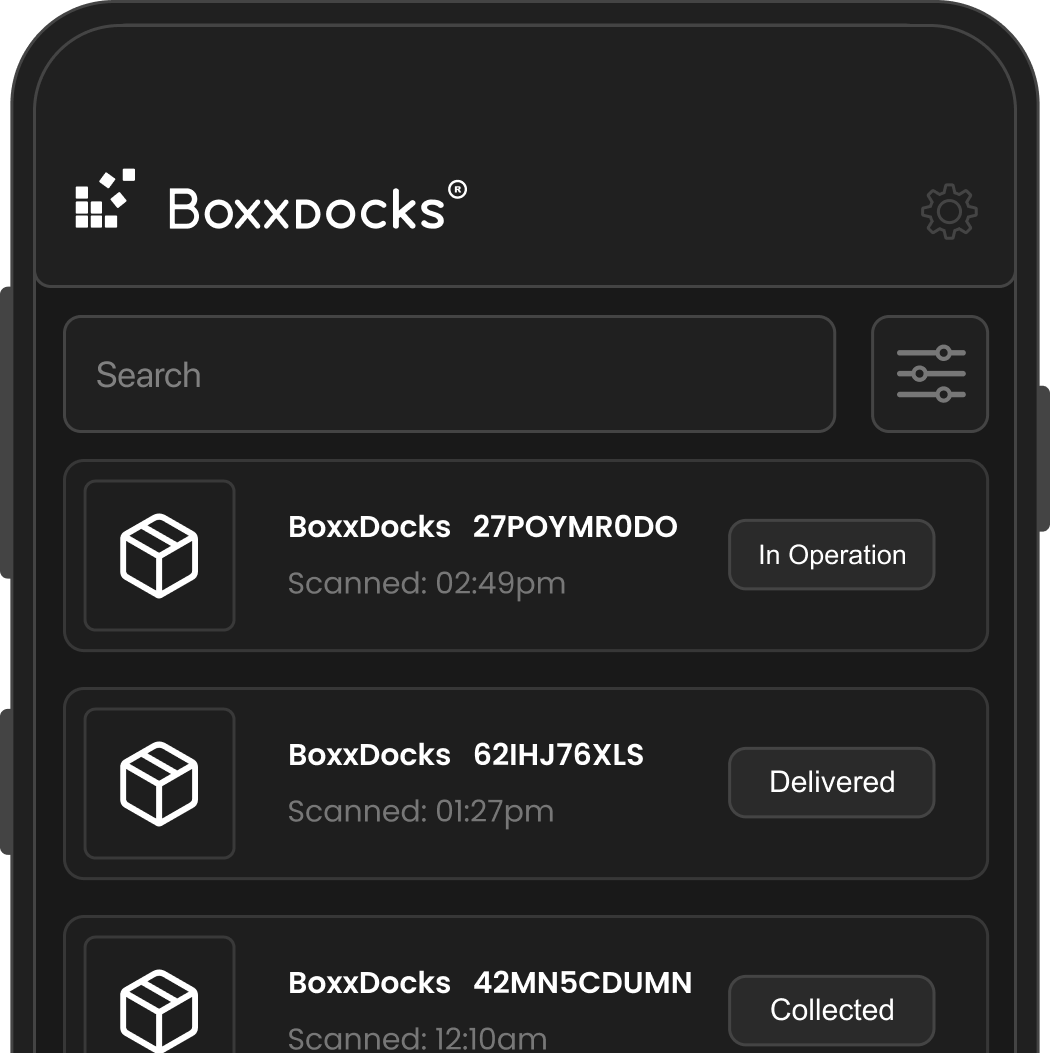
BoxxDocks AI Asset Tracking Platform
The Challenge
Asset tracking was manual, error-prone, and scattered across disconnected systems. The client had no centralized visibility into asset movement, no real-time location data, and no way to generate instant reports across multiple enterprise clients from a single platform.
Our Approach
We built BoxxDocks as an AI-enabled asset lifecycle platform using QR/NFC scanning, real-time dashboards, geolocation tracking, and a RAG-powered conversational engine that lets users query live operational data in plain English instead of navigating dashboards.
The Result
- Real-time inventory tracking across warehouses, transit, and delivery
- AI query engine for natural language insights
- LLM-powered reporting with anomaly detection
- Complete audit trail with location, timestamp, and status
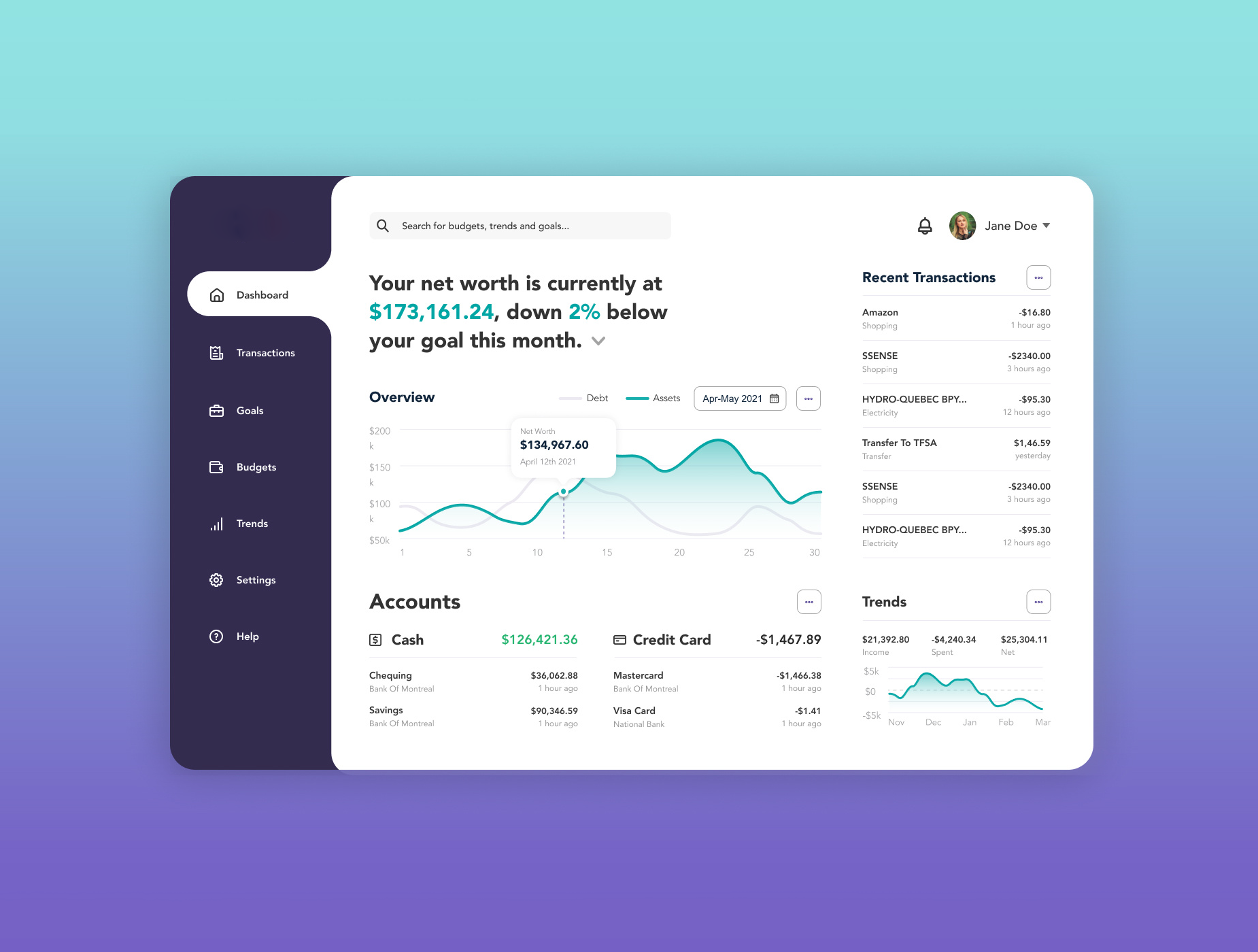
Parity AI AI Finance Platform
The Challenge
Personalized financial advice was expensive and limited to periodic meetings. Users had no way to consolidate banking, investments, debt, and insurance into one platform with real-time, AI-driven guidance.
Our Approach
We built Parity AI as an always-on financial wellness platform powered by AI. It securely pulls data from multiple sources, analyzes user behavior, forecasts outcomes, and delivers personalized recommendations, acting as a digital financial advisor, not a budgeting app.
The Result
- AI-powered financial planning across banking, investments, and debt
- Personalized recommendations based on life events and behavior
- Integrated financial education with actionable insights
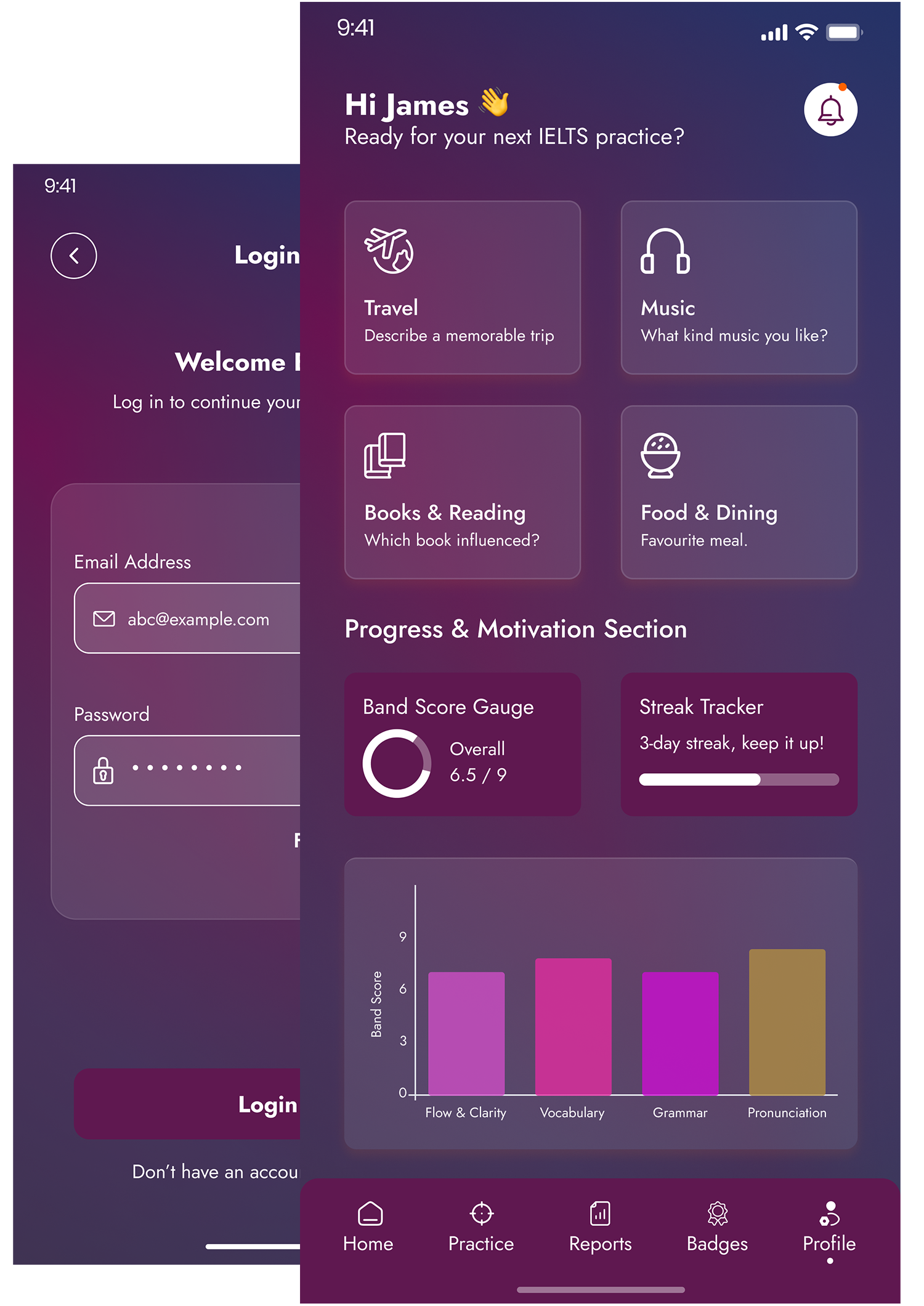
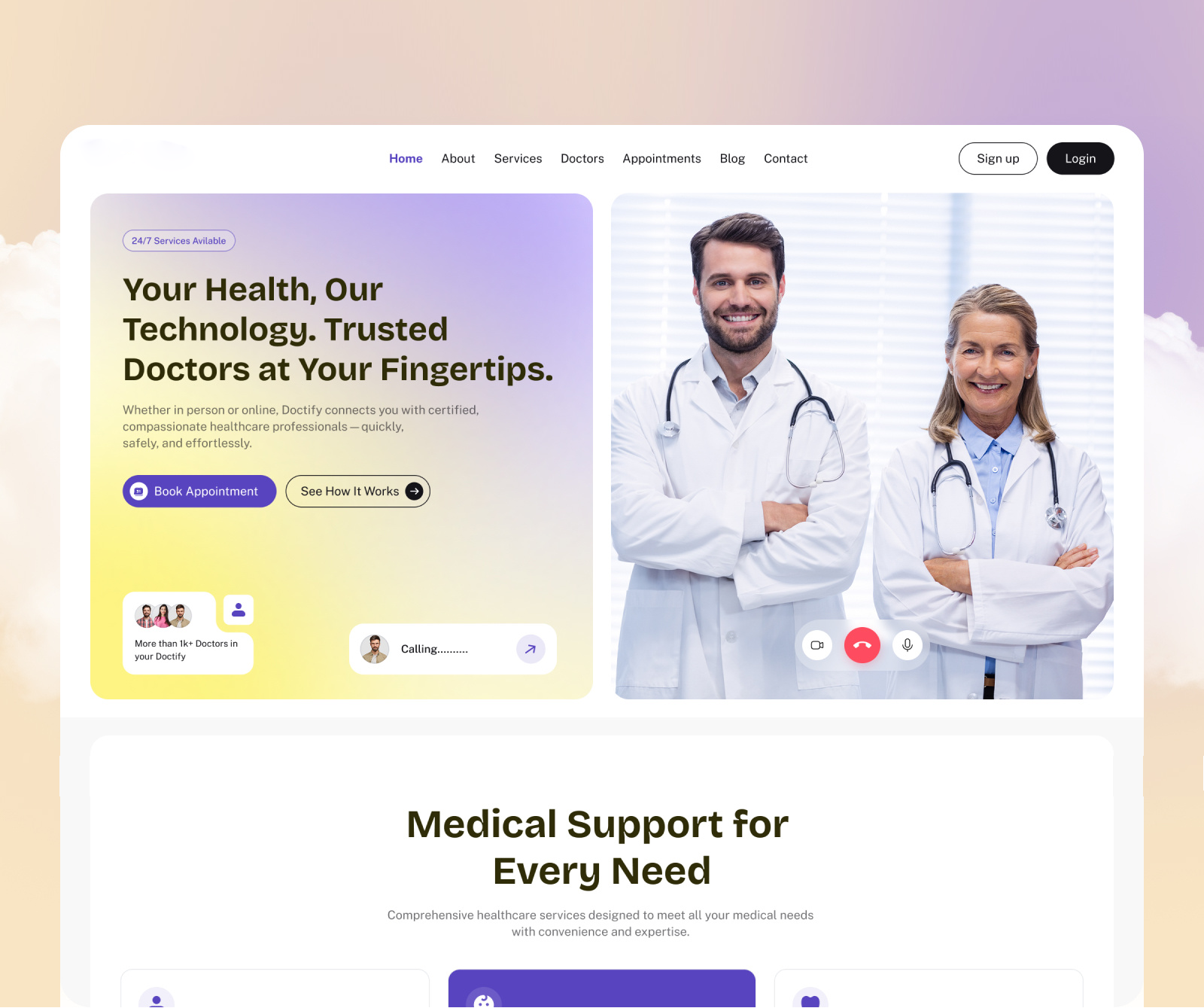
IELTS AI-Powered Speaking Evaluator
The Challenge
Human IELTS tutors cost $30-$80/hour with limited availability. Generic speaking apps lack authentic Part 1/2/3 exam structure, pronunciation feedback, and band-aligned scoring rubrics. Learners had no way to get unlimited, exam-authentic practice at scale.
Our Approach
We built a full-stack AI platform with a lifelike AI Avatar Examiner using LangGraph + Gemini conversation engine, Google Cloud TTS with viseme lip-sync, Faster-Whisper ASR, and a 6-layer IELTS evaluation pipeline scoring all 4 criteria with ±0.5-1.0 band accuracy.
The Result
- 1,000+ concurrent users with 2–3s response latency
- Lower cost per practice session than human tutors
- 6-service AI microservice with model preloading
- No-code admin panel for rapid content updates
Health E Livin AI Wellness Platform
The Challenge
People struggling with mental health had no single platform to access trusted information, take confidential assessments, and find providers, all without stigma or privacy concerns.
Our Approach
We built HealtheLivin as an AI-powered mental wellness app with a conversational AI assistant, anonymous screenings, evidence-based resource library, and geolocation-based provider discovery, all on privacy-first cloud infrastructure.
The Result
- AI knowledgebase for natural language mental health support
- Confidential assessments with personalized wellness insights
- Location-based provider discovery for professional care
- Privacy-first architecture with encrypted data management
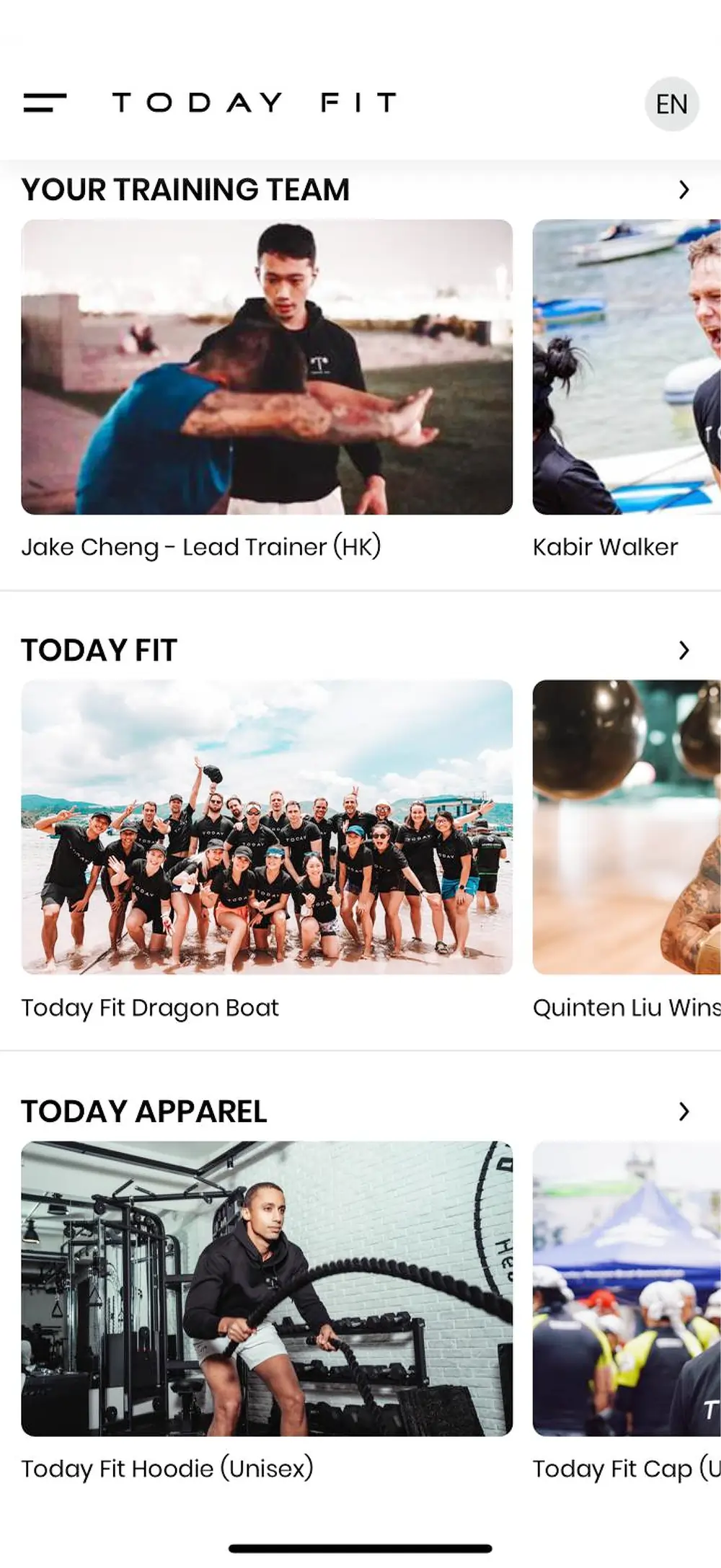
Today Fit Fitness App
The Challenge
Gyms, trainers, and users were stuck with disconnected tools for scheduling, payments, and fitness tracking. There was no single platform that combined personalized fitness with business management.
Our Approach
We developed TodayFit as an AI-driven fitness platform with trainer booking, personalized tracking, community features, and a SaaS layer for gym and trainer business management.
The Result
- 30% increase in user engagement
- 4.7+ average rating on the App Store and Play Store
- 60% growth in trainer bookings
- 45% increase in subscription conversions

SmartVend AI Smart Vending Platform
The Challenge
Managing a distributed vending machine network meant manual inventory tracking, disconnected payment systems, no remote management capability, and zero real-time visibility into machine health or sales performance across locations.
Our Approach
We built SmartVend as a cloud-connected IoT platform combining an Android kiosk app, centralized web portal, real-time inventory sync, hardware integration for payments and dispensing, and a digital advertising layer, all managed from a single dashboard.
The Result
- Real-time inventory sync with low-stock alerts
- Remote machine management across multiple locations
- IoT integration for payments, dispensing, and monitoring
- Centralized sales analytics and revenue reporting
Put generative AI to work inside your business workflows
Start with one high-value use case, prove it on your own data, and scale from there. Our team can scope a pilot, estimate running costs, and show you working results before you commit to a full build.
Technology stack for our generative AI development services
We work across hosted and open-weight models, orchestration and agent frameworks, vector databases, and cloud AI platforms, and choose the combination that fits your data, security requirements, and budget.
 LangChain
 LangGraph
 LlamaIndex
 CrewAI
 AutoGen
 Pinecone
 Weaviate
 pgvector
 Hugging Face
 PyTorch
 vLLM
vLLM Ollama
 LoRA / QLoRA
 OpenCV
 AWS (Bedrock)
 Azure AI Foundry
 Vertex AI
 Databricks
 MLflow
 Weights & Biases
Deep LLM & Foundation Model Expertise
Our generative AI developers work hands-on with major foundation models, from OpenAI and Claude to open-source LLMs, and know how to fine-tune, prompt-engineer, and evaluate them for real production use. We understand where each model performs best, so we recommend the right one for your use case instead of defaulting to whichever is trending.
Custom-Built Generative AI, Not Generic Wrappers
We don't plug an API key into a chatbot template and call it generative AI. Every system, whether it's a RAG-powered assistant, a document intelligence tool, or a multi-agent workflow, is engineered around your data, your business logic, and your user journeys. That means outputs your team can actually rely on, not generic responses.
Responsible AI, Guardrails & Governance
Generative AI in production needs more than a good prompt. We build in hallucination checks, content filters, and evaluation frameworks from the start, along with data privacy and compliance safeguards suited to your industry, so your generative AI systems stay accurate, safe, and audit-ready as they scale.
Scalable Deployment & Continuous Optimization
The generative AI systems we build are designed to handle real user volume, not just a demo environment. Once deployed, our team stays on for prompt tuning, cost optimization, and model upgrades, because generative AI performance improves through ongoing iteration, not a single launch.
Our generative AI development process
Each project moves from a scoped use case to a tested production system, with evaluation built in at every stage so quality is measured, not assumed.
-
Strategic Planning
We analyze your business goals, define the AI use case, and agree on success metrics.
-
Design Phase
We design the architecture, select models, and plan data, security, and cost.
-
Development Stage
We build the application, ground it in your data, and tune prompts or models.
-
Quality Assurance
We test accuracy, safety, latency, and cost against an evaluation set before launch.
-
Release and Support
We deploy, monitor quality and cost in production, and improve the system over time.
Generative AI models our developers work with
Our developers build with hosted and open-weight models for text, code, image, and speech. If you want engineers to join your own team, you can also hire generative AI developers.

Google Gemini

OpenAI GPT

Anthropic Claude

Meta Llama

Mistral

DeepSeek
Stable Diffusion
Whisper
Client testimonials and reviews showcasing the value we consistently deliver
Explore how our clients describe their journey with us, reflecting strong collaboration, effective execution, and consistent outcomes delivered across engagements. See how our delivery framework ensures consistency from initiation through to successful completion.
❝
Parity AI
We came to Xicom with an ambitious goal: make institutional-grade financial planning accessible to everyone through AI. Xicom went beyond the brief, blending conversational AI and predictive analytics into an effortless platform. Parity AI is exactly what we envisioned.

❝
RadioFX
Xicom took the time to understand what our stations and listeners actually need, building something tailored rather than generic. Live chat and polls are now core to how we connect with our audience — the app has become a true extension of our on-air presence.


❝
StudyBuddy
Xicom built exactly what our students needed: a secure space to connect, collaborate, and find tutoring support in one place. Their understanding of student behavior shows in how naturally everything fits together — StudyBuddy is something students genuinely rely on.

❝
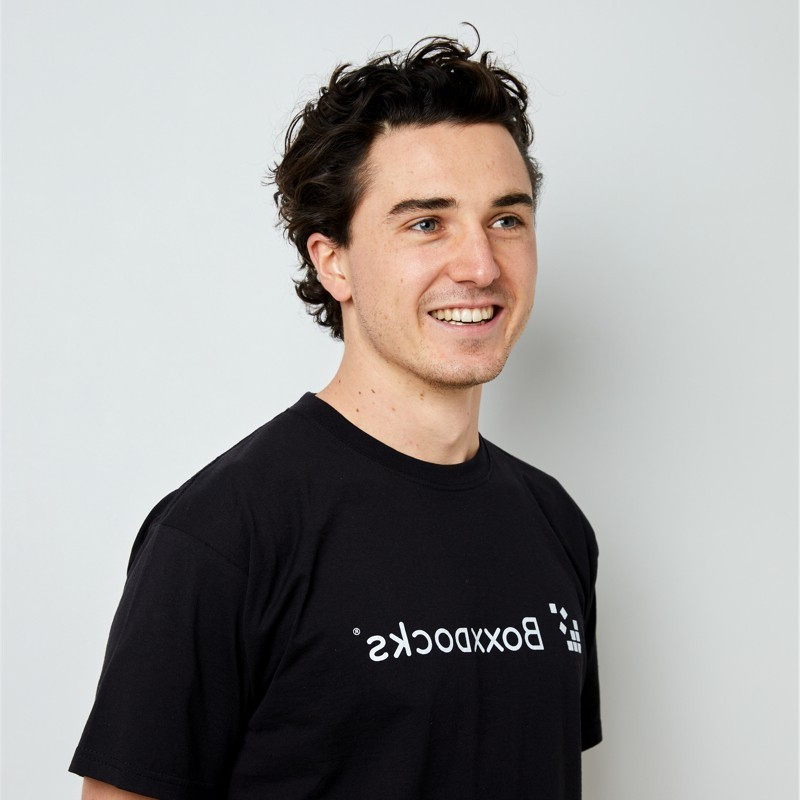
BoxxDocks
Xicom helped us bring BoxxDocks to life exactly as we envisioned it. Their team understood the complexity of AI powered real-time asset tracking and delivered a platform that's both powerful and genuinely easy to use.

❝
TodayFit
We are very happy with their services. I cannot recommend them highly enough. The value, ability, and delivery that we have seen has been superb, and we look forward to continuing this relationship.


❝
SmartVend AI
Their team built SmartVend from the ground up, combining hardware integration, real-time inventory sync, and a centralized dashboard that completely changed how we operate. We couldn't have asked for a more capable technical partner.

❝
Tap Retail
Partnering with Xicom to develop our Tap Retail app and website was one of the best decisions we made. Their team demonstrated exceptional professionalism, technical expertise, and a deep understanding of our business goals.


❝
GoGmGo
Partnering with Xicom was a game-changer for us. They didn't just build software, they helped us redefine how we run our business. Their proactive support and deep domain knowledge gave us the confidence to innovate faster.

❝
DENVEN
Working with Xicom has been a transformative experience. Their team quickly understood our challenges and delivered a scalable, intuitive solution. I highly recommend Xicom to any organization seeking future-ready, high-performance digital products.

Top tech insights of our blog
Explore latest tech stories & News
✦ AI-First Company
Deep Insights into Emerging Technology and Innovation!
Stay ahead in the digital world with our latest insights covering AI trends, industry developments, and expert advice on building smarter businesses.
1800+
Projects
20+
Years Experience
Frequently Asked Questions
Generative AI
Answers to the questions clients most often ask before starting a generative AI project.
What is Generative AI?
Generative AI refers to models that create new content, such as text, images, code, or audio, based on patterns learned from large amounts of training data. In business, it is most often used to draft and summarize documents, answer questions from company knowledge, generate product or marketing content, and assist with code.
How does a generative AI model work?
A generative model is trained on large datasets to learn the patterns of language, images, or code. Given a prompt, it predicts the most likely next piece of output, one step at a time. In business applications, the model is usually combined with your own data through retrieval (RAG), instructions, and guardrails so its answers are relevant and accurate.
Can you integrate Generative AI models into our existing software systems?
Yes. We connect generative AI to existing applications, CRMs, ERPs, help desks, and document stores through secure APIs. Before integration, we review your systems, data access rules, and security requirements, then plan how the AI feature fits into current workflows without disrupting them.
How much does generative AI development cost?
Generative AI project costs vary mainly with scope, data readiness, and the number of systems involved. Typical ranges at current market rates are:
- Proof of concept or pilot: about $15,000 to $40,000, usually 4 to 8 weeks
- Production application on hosted models with RAG over your data: about $40,000 to $120,000, usually 2 to 4 months
- Enterprise system with fine-tuning, AI agents, multiple integrations, or strict compliance needs: about $150,000 to $400,000 or more, usually 4 to 9 months
Running costs are separate. Model usage, vector database, and hosting typically range from a few hundred to several thousand dollars per month depending on volume, and ongoing maintenance usually adds 15% to 25% of the build cost per year. We provide a fixed estimate after a short scoping call.
How much time does it take to build a generative AI-based software product?
A proof of concept usually takes 4 to 8 weeks. A production application built on hosted models with retrieval over your data typically takes 2 to 4 months, and enterprise systems with fine-tuning, agents, or several integrations take 4 to 9 months. For an estimate specific to your project, book a call with our AI consulting team.
Do you provide post-development support and maintenance for my GenAI application?
Yes. Our post-development support and maintenance services include:
- 1) Bug-fixing and performance optimization
- Ensuring seamless operations and efficiency.
- 2) Model Updates and Fine-Tuning
- We test newer models against your evaluation set and update prompts or models when quality or cost improves.
- 3) Security Enhancements
- Incorporating enhanced security updates to safeguard your AI systems.
- 4) Feature Upgrades
- Implementing continuous innovation with new features and enhancements.
- 5) Production Support
- On-call cover for live systems, with response times agreed per engagement.
How does Xicom handle the management and communication of generative AI development projects?
We run generative AI projects in short, transparent sprints so you see working results early. Here's how:
- We employ dedicated project managers as a single point of contact for streamlined communication.
- We practice iterative development with continuous feedback loops.
- We use leading collaborative tools like Slack, Jira, Trello, or Asana for real-time project monitoring.
- We provide regular project progress updates, including weekly reports and milestone-based tracking.
- We review demos with you each sprint and fold your feedback into the next one.
Every award marks a milestone in our journey of excellence
As AI-first digital engineering company, Xicom has earned global recognition for delivering innovative, scalable, and high-performing technology solutions. Our awards reflect the trust of clients and industry leaders alike.