×

- 20+ Years in Business
- 350+ IT Experts
- 750+ Enterprise Clients
- CMMi Level 3 Certified
- ISO 9001:2015
- Top 1% on TrustPilot
-
 4.8 on Clutch
Our valued Brands & Agencies
















Our conversational AI consulting services for complex enterprise interactions
Our conversational AI consulting services help enterprises turn complex customer and employee interactions into practical AI experiences. From strategy and use case discovery to data, voice, chatbot, integration, and optimization, we address the technical and operational considerations required for effective conversational AI adoption.

AI Strategy
A strong conversational AI initiative starts with understanding where conversational technology can genuinely add value. We examine business priorities, customer journeys, operational processes, and existing systems to define suitable opportunities. This creates a practical direction for adoption, covering technology, implementation priorities, governance, and areas worth exploring.

Use Case Discovery
Not every interaction requires conversational AI. We examine existing customer and employee processes to identify situations where natural language interaction can simplify access, reduce repetitive work, or improve service experiences. Potential use cases are assessed against business value, feasibility, complexity, user expectations, data availability, and existing technology environments.

Data Strategy
Conversational AI depends on the quality, availability, and accessibility of the information behind each interaction. We assess existing data sources, identify gaps, and determine how information should be collected, structured, cleaned, governed, and accessed. This helps establish suitable foundations for retrieval, personalization, analytics, and context-aware conversational experiences.

Knowledge Engineering
Enterprise knowledge is often spread across documents, websites, databases, policies, applications, and internal repositories. We examine these sources and determine how they should be organized, connected, enriched, and retrieved. This gives conversational systems access to relevant information and context, supporting responses that remain grounded in the organization’s available knowledge.

Chatbot Design
Effective chatbots need to accommodate how people actually communicate rather than relying only on predefined question-and-answer patterns. We define conversational capabilities, workflows, escalation paths, and system boundaries around user requirements. This supports chatbot experiences that can handle routine requests while providing clear paths when human assistance is required.

Voice AI Solutions
Voice interactions introduce considerations that do not arise in the same way with text. We assess speech recognition, response generation, latency, interruptions, accents, conversational context, and human handoffs when shaping voice AI solutions. These considerations help create voice experiences suited to customer service, support, and operational scenarios where natural spoken interaction matters.

Conversation Design
Users rarely follow a perfectly defined conversational path. They may change topics, ask follow-up questions, provide incomplete information, or express the same intent differently. We account for these variations when designing dialogue flows, context handling, clarification, error recovery, tone, and escalation, helping conversational systems maintain useful interactions across different situations.

Model Selection
The most suitable language model depends on the requirements of the application rather than its popularity alone. We assess factors such as reasoning capability, context handling, response quality, latency, cost, security, scalability, and deployment requirements. This helps determine which model or combination of technologies fits the intended conversational workload.

Enterprise Integration
Conversational AI becomes more useful when it can work with the systems already supporting an organization’s operations. We consider connections with CRM platforms, business apps, databases, APIs, and authentication systems. Integration planning helps conversational systems retrieve relevant information and support actions within established enterprise workflows and technology environments.

Performance Optimization
Conversational AI requires evaluation beyond whether a system can generate a response. We examine response quality, retrieval accuracy, latency, conversation completion, user feedback, and business outcomes to identify areas requiring improvement. These observations can inform changes to prompts, workflows, knowledge sources, models, and architecture as usage patterns and requirements evolve.

Customer Service AI
We design conversational AI for customer service environments where accuracy, context, and timely resolution matter. Our expertise covers intent handling, knowledge retrieval, personalized responses, escalation workflows, and integration with existing service systems, helping enterprises automate routine interactions while preserving a smooth path to human support when complexity demands it.

AI Virtual Assistants
We create virtual assistant strategies tailored to specific customer and employee needs rather than generic question-answering experiences. Our expertise spans conversational workflows, enterprise knowledge access, task assistance, and system integration, enabling assistants to handle meaningful requests while fitting naturally into existing digital experiences and business processes.
Voice AI
We help enterprises translate conversational AI capabilities into natural voice experiences across customer service and operational workflows. Our expertise considers speech recognition, response generation, latency, interruptions, and human handoffs, helping organizations develop voice interactions that address the practical demands of real-world conversations.

Employee Assistants
We help enterprises use conversational AI to make internal knowledge and everyday workplace support easier to access. Our expertise covers employee queries, policy discovery, IT assistance, onboarding, workflow guidance, and enterprise knowledge retrieval, creating assistants that reduce information-search effort while fitting within existing organizational processes and systems.

Sales Assistants
We apply conversational AI across sales journeys to support prospect engagement, qualification, and timely follow-up. Our expertise connects conversational experiences with relevant business knowledge and workflows, helping enterprises provide useful responses to prospects while enabling sales teams to concentrate on opportunities that require deeper human involvement.

AI Agents
We help enterprises explore conversational AI that can move beyond answering questions to completing multi-step tasks. Our expertise covers agent workflows, contextual decision-making, tool and system interactions, human oversight, and task orchestration, creating practical agentic experiences that can execute business processes while maintaining appropriate control and accountability.
Conversational AI consulting for transformation across industries
Xicom builds Conversational AI systems chatbots, voice assistants, and virtual agents engineered from the ground up with conversation at the core of the experience, not bolted onto an existing interface. From greenfield deployments to full system rebuilds, we design solutions that fit your industry's regulatory, data, and workflow realities.

Banking & Finance
AI Banking Chatbot, Voice-Enabled KYC Assistant, Conversational Loan Advisor, Fraud Alert Voice Bot, Virtual Wealth Management Assistant

Education
AI Tutoring Chatbot, Conversational Learning Assistant, Voice-Based Doubt Resolution Bot, Admission Enquiry Chatbot, Student Support Virtual Assistant

Healthcare
AI Symptom Checker Chatbot, Virtual Patient Intake Assistant, Appointment Scheduling Voice Bot, Conversational Health Coach, Medication Reminder Assistant

Retail
Conversational Shopping Assistant, Voice-Based Product Search, AI Customer Support Chatbot, Order Tracking Voice Bot, Personalized Styling Chat Assistant

Logistics
Conversational Shipment Tracking Bot, Voice-Enabled Dispatch Assistant, AI Customer Query Chatbot, Delivery Scheduling Voice Assistant, Fleet Support Chatbot

Travel & Tourism
AI Trip Planning Chatbot, Conversational Booking Assistant, Voice-Based Itinerary Concierge, Multilingual Travel Support Bot, Real-Time Travel Alert Assistant

Automotive
In-Car Voice Assistant, Conversational Service Booking Bot, AI Roadside Assistance Chatbot, Voice-Enabled Owner's Manual Assistant, Dealership Chatbot

Real Estate
Conversational Property Search Assistant, Voice-Enabled Lead Qualification Bot, AI Tenant Support Chatbot, Virtual Tour Booking Assistant, Mortgage Enquiry Chatbot

Entertainment
Conversational Content Discovery Assistant, Voice-Based Recommendation Bot, AI Fan Engagement Chatbot, Ticketing & Booking Voice Assistant, Customer Support Chatbot

Manufacturing
Conversational Equipment Support Bot, Voice-Enabled Maintenance Assistant, AI Shop-Floor Query Chatbot, Supply Chain Status Voice Bot, Employee Helpdesk Chatbot

Insurance
AI Claims Assistance Chatbot, Conversational Policy Advisor, Voice-Based Underwriting Support Bot, Customer Onboarding Chatbot, Renewal Reminder Voice Assistant

LET’S BUILD TOGETHER
We Build Conversational AI for Real Business Workflows.
Xicom helps businesses design and deploy conversational AI solutions that integrate with existing systems and deliver better customer and employee experiences.
AI Solutions Engineered for Enterprise Scale
150+
AI Engineers & Data Scientists
300+
AI Solutions Delivered
ISO 9001 Certified
NASSCOM & STPI Accreditation
NASSCOM & STPI Accreditation
100+
AI Models in Production
30+
Industries Served

Natural Language Processing (NLP)
Natural Language Processing enables conversational AI to process and work with human language. It supports tasks such as text classification, entity extraction, sentiment analysis, language detection, and text processing. NLP helps systems interpret varied linguistic inputs and transform unstructured language into information that downstream conversational components can use effectively.
Large Language Models (LLMs)
Large Language Models provide the language intelligence behind modern conversational AI systems. Trained on extensive datasets, they can understand context, generate responses, summarize information, follow instructions, and handle complex language tasks. Their capabilities make them useful for building conversational experiences that extend beyond predefined questions and responses.

Natural Language Understanding (NLU)
Natural Language Understanding helps conversational systems determine what users mean, rather than simply recognizing individual words. It identifies intents, entities, context, and other meaningful elements within an interaction. NLU is particularly valuable for structured conversational workflows where accurate interpretation determines the next response, action, or business process.
Automatic Speech Recognition (ASR)
Automatic Speech Recognition converts spoken language into text that conversational AI systems can process. Modern ASR technologies account for variations in pronunciation, accents, speaking speed, background noise, and conversational speech. This capability forms a critical foundation for voice-based applications, enabling systems to understand spoken requests and respond appropriately.

Text-to-Speech (TTS)
Text-to-Speech technology converts AI-generated text into spoken language, enabling conversational systems to communicate naturally through voice. Modern TTS can produce speech with different voices, pacing, pronunciation, and expressive characteristics. It plays an important role in voice assistants, automated customer interactions, accessibility applications, and other speech-enabled experiences.

Retrieval-Augmented Generation (RAG)
Retrieval-Augmented Generation combines information retrieval with language generation, allowing conversational AI to reference relevant external knowledge when producing responses. Instead of relying entirely on information learned during model training, RAG retrieves relevant content from enterprise sources and provides it as context, improving factual relevance and knowledge grounding.

Vector Search
Vector Search represents text and other information as numerical embeddings, allowing systems to identify content based on semantic similarity rather than exact keyword matches. In conversational AI, it helps retrieve relevant documents, knowledge, and previous information even when user queries use different wording from the underlying source material.

Knowledge Graphs
Knowledge Graphs represent information as interconnected entities, relationships, and attributes. They allow conversational AI systems to understand how different pieces of information relate to one another and support more structured retrieval. This is particularly useful for applications involving complex relationships, organizational information, products, customers, or interconnected enterprise knowledge.
Dialogue Management
Dialogue Management controls how a conversational system manages an interaction over multiple turns. It determines what should happen after each user input, maintains conversational state, tracks context, handles clarifications, and selects appropriate responses or actions. Effective dialogue management helps conversations remain coherent even when users change direction or provide incomplete information.
Semantic Search
Semantic Search enables conversational AI to retrieve information based on meaning and intent rather than relying solely on matching keywords. By understanding the conceptual relationship between a query and available content, semantic search can surface relevant information despite differences in wording, making it valuable for knowledge retrieval and conversational question answering.
Case studies showcasing the value delivered to clients through our solutions
Explore how we partner with clients across industries to deliver tailored AI solutions that improve efficiency, enhance customer experiences, reduce costs, and drive long-term value.
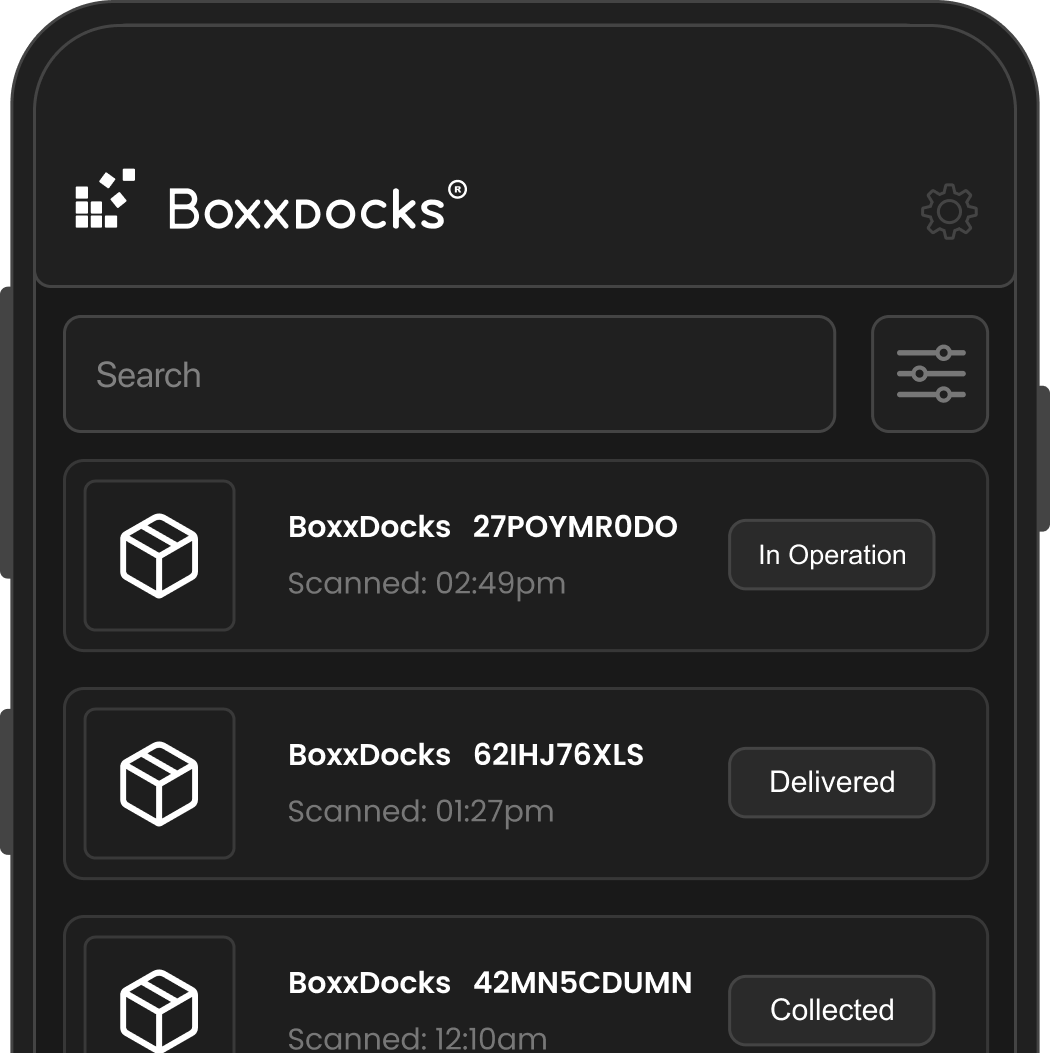
BoxxDocks AI Asset Tracking Platform
The Challenge
Asset tracking was manual, error-prone, and scattered across disconnected systems. The client had no centralized visibility into asset movement, no real-time location data, and no way to generate instant reports across multiple enterprise clients from a single platform.
Our Approach
We built BoxxDocks as an AI-enabled asset lifecycle platform using QR/NFC scanning, real-time dashboards, geolocation tracking, and a RAG-powered conversational engine that lets users query live operational data in plain English instead of navigating dashboards.
The Result
- Real-time inventory tracking across warehouses, transit, and delivery
- AI query engine for natural language insights
- LLM-powered reporting with anomaly detection
- Complete audit trail with location, timestamp, and status
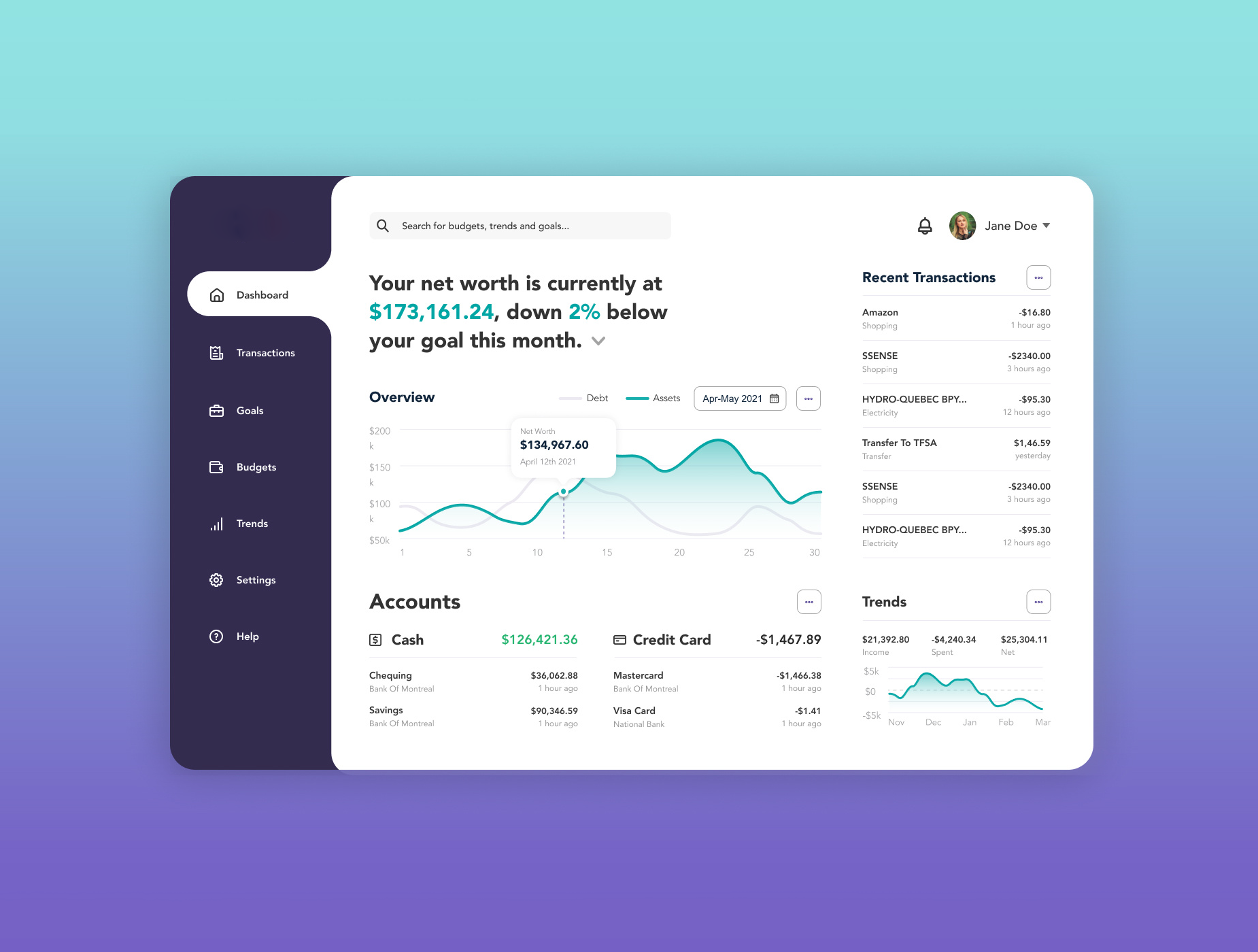
Parity AI AI Finance Platform
The Challenge
Personalized financial advice was expensive and limited to periodic meetings. Users had no way to consolidate banking, investments, debt, and insurance into one platform with real-time, AI-driven guidance.
Our Approach
We built Parity AI as an always-on financial wellness platform powered by AI. It securely pulls data from multiple sources, analyzes user behavior, forecasts outcomes, and delivers personalized recommendations — acting as a digital financial advisor, not a budgeting app.
The Result
- AI-powered financial planning across banking, investments, and debt
- Personalized recommendations based on life events and behavior
- Integrated financial education with actionable insights
IELTS AI-Powered Speaking Evaluator
The Challenge
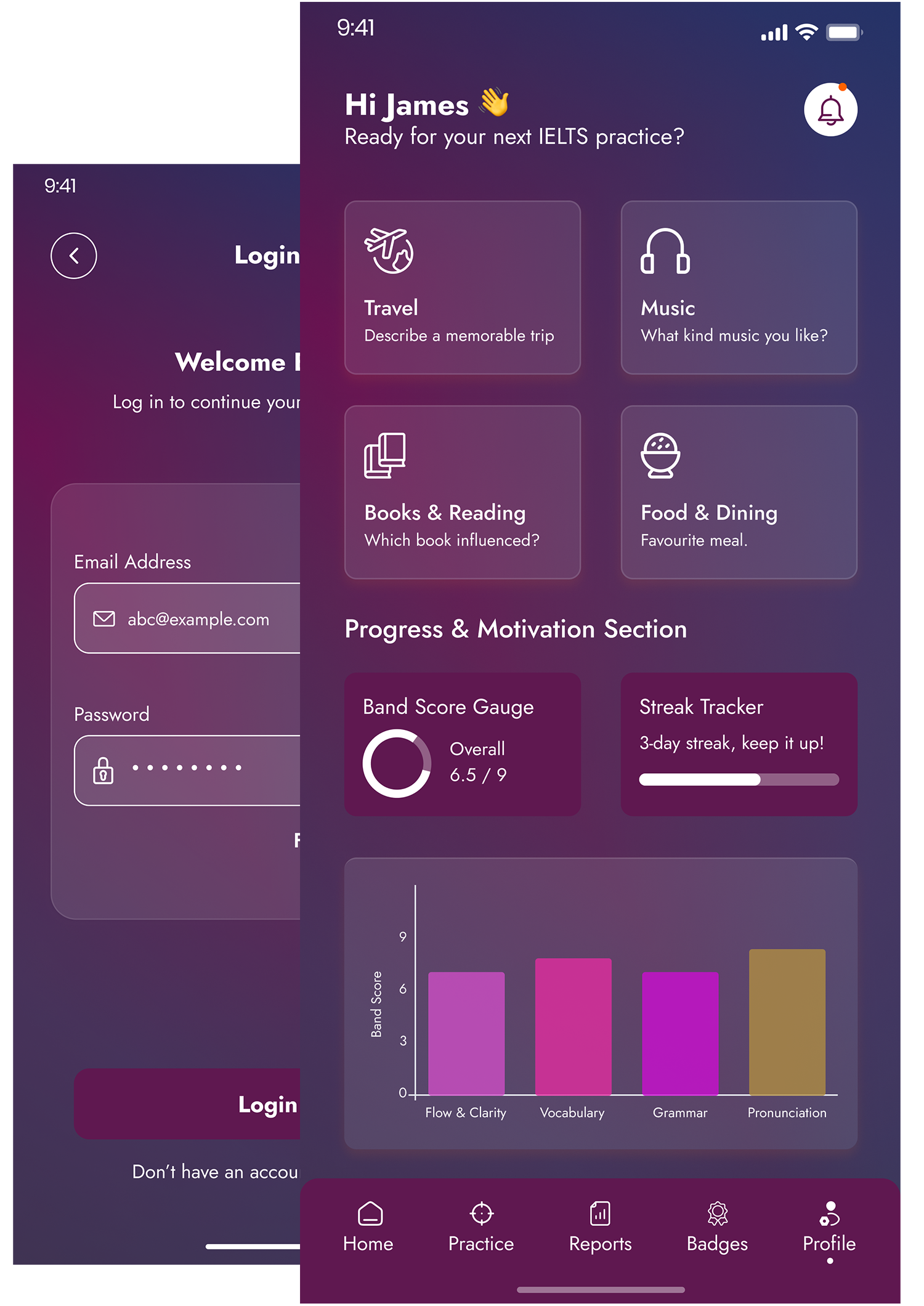
Human IELTS tutors cost $30-$80/hour with limited availability. Generic speaking apps lack authentic Part 1/2/3 exam structure, pronunciation feedback, and band-aligned scoring rubrics. Learners had no way to get unlimited, exam-authentic practice at scale.
Our Approach
We built a full-stack AI platform with a lifelike AI Avatar Examiner using LangGraph + Gemini conversation engine, Google Cloud TTS with viseme lip-sync, Faster-Whisper ASR, and a 6-layer IELTS evaluation pipeline scoring all 4 criteria with ±0.5-1.0 band accuracy.
The Result
- 1,000+ concurrent users with 2–3s response latency
- 10x lower cost than human examiners
- 6-service AI microservice with model preloading
- No-code admin panel for rapid content updates
Health E Livin AI Wellness Platform
The Challenge
People struggling with mental health had no single platform to access trusted information, take confidential assessments, and find providers — all without stigma or privacy concerns.
Our Approach
We built HealtheLivin as an AI-powered mental wellness app with a conversational AI assistant, anonymous screenings, evidence-based resource library, and geolocation-based provider discovery — all on privacy-first cloud infrastructure.
The Result
- AI knowledgebase for natural language mental health support
- Confidential assessments with personalized wellness insights
- Location-based provider discovery for professional care
- Privacy-first architecture with encrypted data management
Today Fit Fitness App
The Challenge
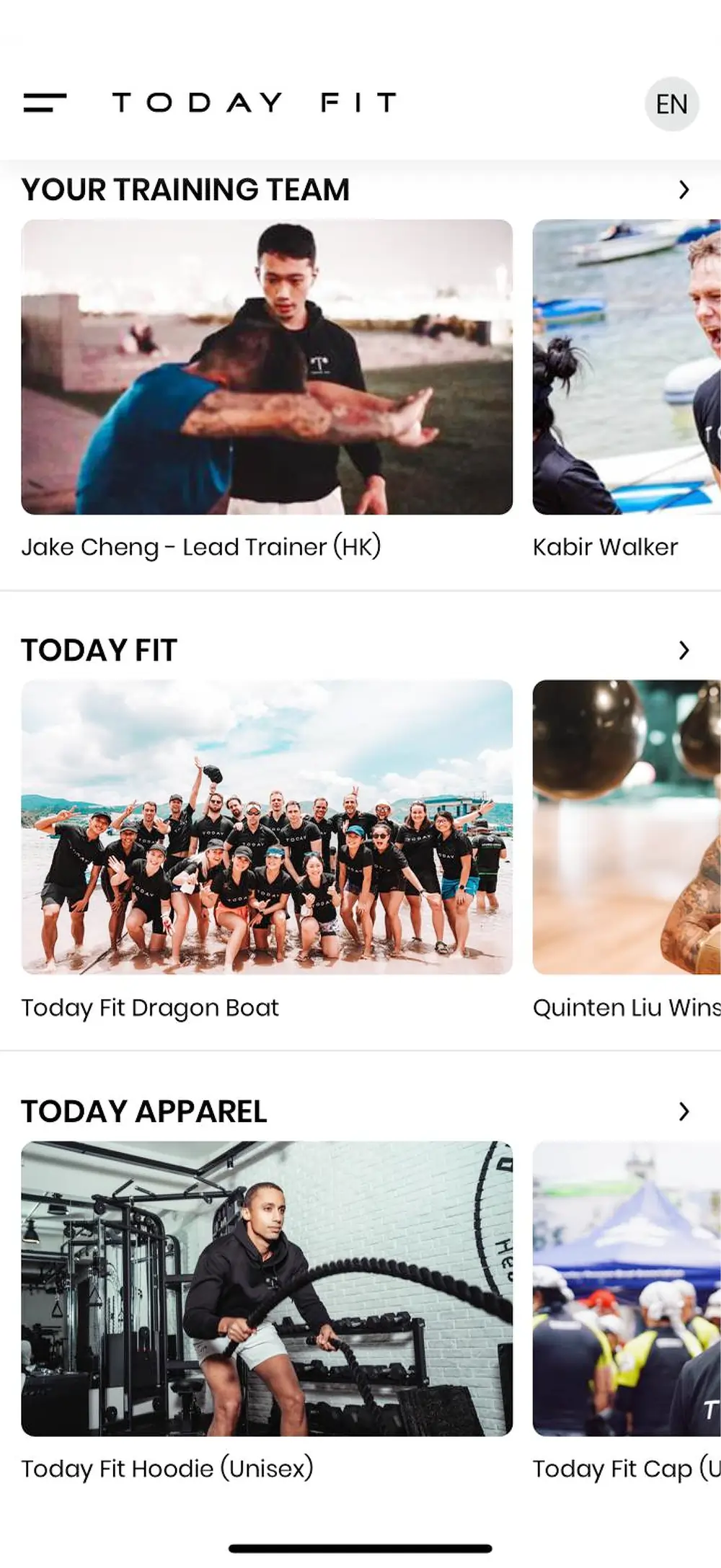
Gyms, trainers, and users were stuck with disconnected tools for scheduling, payments, and fitness tracking. There was no single platform that combined personalized fitness with business management.
Our Approach
We developed TodayFit as an AI-driven fitness platform with trainer booking, personalized tracking, community features, and a SaaS layer for gym and trainer business management.
The Result
- 30% increase in user engagement
- 4.7+ average rating on the App Store and Play Store
- 60% growth in trainer bookings
- 45% increase in subscription conversions

SmartVend AI Smart Vending Platform
The Challenge
Managing a distributed vending machine network meant manual inventory tracking, disconnected payment systems, no remote management capability, and zero real-time visibility into machine health or sales performance across locations.
Our Approach
We built SmartVend as a cloud-connected IoT platform combining an Android kiosk app, centralized web portal, real-time inventory sync, hardware integration for payments and dispensing, and a digital advertising layer — all managed from a single dashboard.
The Result
- Real-time inventory sync with low-stock alerts
- Remote machine management across unlimited locations
- IoT integration for payments, dispensing, and monitoring
- Centralized sales analytics and revenue reporting
Conversational AI technologies we use
From the LLMs that power understanding to the frameworks that manage multi-turn dialogue and the infrastructure that keeps responses accurate and fast here's the stack we rely on to build conversational systems that hold up in production.
 Python
 JavaScript
 Java
Java C++
C++ TypeScript
 Claude
 GPT-5.6
 Gemini
 Llama
Llama Mistral
 LangGraph
 CrewAI
 AutoGen
 Amazon Bedrock
 Microsoft Copilot
 Azure OpenAI
 Amazon Q
 Google Vertex AI
 LangSmith Hub
 Redis
Redis  LlamaIndex
  Pinecone
 Weaviate
  Chroma
 AWS
AWS Azure
Azure Google Cloud Platform
 Hugging Face
Technology-agnostic Approach
We do not tie recommendations to a particular vendor, framework, or technology simply because it is widely adopted. Our choices are guided by project requirements, existing infrastructure, operational priorities, and long-term considerations. This gives enterprises greater flexibility when technologies change and helps avoid unnecessary dependence on a particular technology ecosystem.

Reusable Components
We structure implementations so that commonly required capabilities can be reused where appropriate instead of being recreated for every application. Reusable components can simplify future development, reduce duplication, and make subsequent enhancements more efficient. This approach is particularly valuable for organizations developing conversational capabilities across multiple products, departments, or customer-facing channels.

Clear Technical Documentation
Conversational AI involves decisions that may need to be understood and maintained by different teams over time. We document relevant technical decisions, configurations, workflows, dependencies, and implementation considerations so knowledge does not remain limited to the original development team. This supports smoother maintenance, knowledge transfer, and future enhancements.

Incremental Development
We approach conversational AI development in manageable stages rather than treating the entire implementation as a single delivery milestone. Early versions can provide opportunities to assess actual behavior, identify practical issues, and incorporate feedback before broader rollout. This creates room for informed adjustments while reducing unnecessary investment in assumptions that may change.

Transparent Development
We maintain visibility into the work throughout the development lifecycle, providing clarity around implementation progress, technical decisions, dependencies, and areas requiring attention. This gives stakeholders a better understanding of how the solution is progressing and creates opportunities to address important concerns before they become larger issues during later stages of development.

Long-term Adaptability
Conversational AI technology is changing quickly, and solutions designed around today's assumptions may require significant changes later. We consider future adaptability when making technical decisions, allowing applications to accommodate evolving models, capabilities, requirements, and usage patterns. This helps enterprises build conversational systems that can continue developing as their AI needs evolve.
Our conversational AI consulting process, from strategy to scale
Our consulting process moves from understanding the problem to defining the right AI strategy, designing the experience, and preparing for implementation. Each stage brings together business requirements, user expectations, data, technology, and integration considerations to create a practical path toward scalable conversational AI.
1
Discover
We understand business goals, user needs, existing workflows, and interaction challenges to identify where conversational AI can deliver meaningful value.
2
Strategize
We define suitable use cases, technology requirements, data needs, integration considerations, and priorities, creating a practical roadmap for implementation.
3
Design
We shape conversational flows, knowledge structures, human handoffs, voice or chat experiences, and system behaviors around real user interactions.
4
Validate
We assess proposed solutions against usability, response quality, accuracy, security, performance, and business objectives before recommending implementation and refinement.
5
Scale
We establish an adoption roadmap covering deployment, monitoring, optimization, integration expansion, and continuous improvement as conversational AI usage grows.
Our engagement models for conversational AI consulting
We offer flexible engagement models for building conversational AI systems fixed-price for one clearly scoped chatbot or voice assistant, or pay-as-you-go while you figure out how much of your customer experience actually needs a conversational layer matched to your workflow, not a generic package.

Fixed Price Model
Best for well-defined conversational AI builds, this model ensures clear scope, budget predictability, and timely delivery without surprises.
- Upfront agreed cost and project scope
- Milestone-based progress tracking
- No hidden charges or overheads
- Reliable delivery timelines and outcomes
Most Popular

Dedicated Teams Model
Ideal for businesses seeking long-term Conversational AI development, this model provides a dedicated team of AI engineers working exclusively on your dialogue systems.
- Full control over team structure and workflows
- Highly scalable and cost-effective
- Direct communication with developers
- Increased focus and faster turnaround

Time & Material Model
Perfect for conversational AI projects with dynamic requirements, this model offers agility, cost control, and adaptability to continuous innovation.
- Flexible billing based on actual efforts
- Adjust resources and scope anytime
- Ideal for iterative and evolving projects
- Faster implementation and continuous optimization
Compliance we follow conversational AI development
Every conversation with an AI agent can carry sensitive information symptoms, account details, personal identifiers so security and privacy can't be an afterthought. We embed access controls, data protection, and frameworks like HIPAA, GDPR, and PCI-DSS directly into the conversation pipeline, backed by AI governance standards that keep model behavior transparent and accountable.










Client testimonials and reviews showcasing the value we consistently deliver
Explore how our clients describe their journey with us, reflecting strong collaboration, effective execution, and consistent outcomes delivered across engagements. See how our delivery framework ensures consistency from initiation through to successful completion.
❝
Parity AI
We came to Xicom with an ambitious goal: make institutional-grade financial planning accessible to everyone through AI. Xicom went beyond the brief, blending conversational AI and predictive analytics into an effortless platform. Parity AI is exactly what we envisioned.

❝
RadioFX
Xicom took the time to understand what our stations and listeners actually need, building something tailored rather than generic. Live chat and polls are now core to how we connect with our audience — the app has become a true extension of our on-air presence.


❝
StudyBuddy
Xicom built exactly what our students needed: a secure space to connect, collaborate, and find tutoring support in one place. Their understanding of student behavior shows in how naturally everything fits together — StudyBuddy is something students genuinely rely on.

❝
BoxxDocks
Xicom helped us bring BoxxDocks to life exactly as we envisioned it. Their team understood the complexity of AI powered real-time asset tracking and delivered a platform that's both powerful and genuinely easy to use.


❝
TodayFit
We are very happy with their services. I cannot recommend them highly enough. The value, ability, and delivery that we have seen has been superb, and we look forward to continuing this relationship.


❝
SmartVend AI
Their team built SmartVend from the ground up, combining hardware integration, real-time inventory sync, and a centralized dashboard that completely changed how we operate. We couldn't have asked for a more capable technical partner.

❝
Tap Retail
Partnering with Xicom to develop our Tap Retail app and website was one of the best decisions we made. Their team demonstrated exceptional professionalism, technical expertise, and a deep understanding of our business goals.


❝
GoGmGo
Partnering with Xicom was a game-changer for us. They didn't just build software, they helped us redefine how we run our business. Their proactive support and deep domain knowledge gave us the confidence to innovate faster.

❝
DENVEN
Working with Xicom has been a transformative experience. Their team quickly understood our challenges and delivered a scalable, intuitive solution. I highly recommend Xicom to any organization seeking future-ready, high-performance digital products.

Top tech insights of our blog
Explore latest tech stories & News
✦ AI-First Company
Deep Insights into Emerging Technology and Innovation!
Stay ahead in the digital world with our latest insights covering AI trends, industry developments, and expert advice on building smarter businesses.
1800+
Projects
20+
Years Experience
Frequently asked questions
What is Conversational AI?
Conversational AI is technology that lets computers understand, process, and respond to human language in real time through text or voice using natural language processing (NLP), machine learning, and large language models. It powers AI chatbots, voice assistants, and AI agents that hold multi-turn conversations, understand intent, and take real actions instead of just following scripted replies.
How is Conversational AI different from a traditional chatbot?
Traditional chatbots follow fixed, rule-based decision trees and only respond to pre-scripted inputs. Conversational AI uses large language models and NLP to understand intent, retain context across multiple turns, and generate dynamic responses grounded in real data through retrieval-augmented generation (RAG).
Which industries benefit most from Conversational AI?
Banking, healthcare, insurance, retail, logistics, travel, real estate, and education see the fastest ROI, since these industries handle high volumes of repetitive queries KYC verification, appointment scheduling, claims status, order tracking that conversational AI can resolve without human intervention.
What is the cost of conversational AI development?
Typically, pricing for a platform-based solution ranges from $5,000 to $10,000, while fully custom conversational AI software costs between $10,000 and $30,000. However, the actual price can range more widely based on the solution's functionality, integrations, the choice of technologies (including cutting-edge ones), and architectural complexity. Get in touch with our consultants for a more accurate and personalized budget estimate for your conversational AI initiative.
What are the benefits of conversational AI?
Conversational AI delivers measurable gains across customer experience and operations:
- 24/7 availability that resolves queries instantly, with no wait times
- Lower operational costs by automating high-volume, repetitive interactions
- Faster response times and higher customer satisfaction
- Consistent, accurate answers grounded in your own data through RAG
- Scalability to handle demand spikes without adding headcount
- Insight into customer needs and pain points drawn directly from conversation data
Can Conversational AI integrate with our existing systems?
Yes. It connects with your CRM, ERP, ticketing, and knowledge-base systems through APIs, so it can retrieve real-time data and take actions such as updating a record or processing a refund instead of operating as an isolated chat widget.
How long does a Conversational AI project take to deploy?
A single, well-scoped use case (one chatbot or voice assistant) typically moves from discovery to production in 8–14 weeks, depending on integration complexity and compliance requirements larger, multi-channel deployments take longer.
Every award marks a milestone in our journey of excellence
As AI-first digital engineering company, Xicom has earned global recognition for delivering innovative, scalable, and high-performing technology solutions. Our awards reflect the trust of clients and industry leaders alike.