×

- 20+ Years in Business
- 350+ IT Experts
- 750+ Enterprise Clients
- CMMi Level 3 Certified
- ISO 9001:2015
- Top 1% on TrustPilot
-
 4.8 on Clutch
Our valued Brands & Agencies
















Our end-to-end custom AI development services, engineered for enterprise growth
As an AI development company, we help enterprises turn ideas into impactful solutions through end-to-end AI strategy, development, deployment, and continuous improvement, delivering reliable, scalable solutions aligned with long-term business goals.
AI/ML Strategy Consulting
Our AI/ML strategy consulting services enable businesses to identify opportunities, plan implementation roadmaps and execute initiatives for optimized operational performance. We collaborate with organizations to assess their process-level inefficiencies, identify AI use cases for impact, and devise end-to-end execution plans in tune with their long-term objectives. From identifying a suitable model and working on data preparedness to ensuring governance and regulatory compliance, we support clients throughout their AI adoption journey.
WHAT’S INCLUDED
- Process inefficiency analysis
- AI model selection consulting
- Workflow-level AI integration planning
- AI adoption feasibility assessment
- Regulatory and compliance alignment
PoC and MVP Development
Our PoC and MVP development services ensure your AI concepts are validated efficiently and quickly. Our product prototypes test real-world utility, model performance, and technical feasibility before you opt for full-scale development. From observability setup, and assessment frameworks to model selection and architecture design, our experts ensure every MVP is designed for scaling. With this approach, teams can make smart product decisions while considerably reducing investment risks.
WHAT’S INCLUDED
- AI prototype validation
- MVP architecture planning
- Model performance evaluation
- Observability and testing setup
- Scalability-focused MVP engineering
AI Cybersecurity
We build AI-powered cybersecurity systems that detect threats, identify irregularities, and protect sensitive enterprise data across your AI and ML environments. Our models are trained to spot insider threats, fraud patterns, and attempts to manipulate or poison AI systems before they cause damage. Every solution is built with compliance frameworks like SOC 2, GDPR, and HIPAA in view, so your security posture holds up under audit as well as attack.
WHAT’S INCLUDED
- Insider threat detection models
- Fraud pattern recognition
- Model poisoning prevention
- SOC 2, GDPR, HIPAA alignment
- Automated breach response playbooks
AI Integration Services
We help you integrate AI capabilities directly into your operational workflows without impeding ongoing operations. With intelligence integrated into enterprise systems like ERPs, CRMs, customer-facing apps, and data warehouses, AI works as a native layer within your tech ecosystem. Our integrations are aligned with clients’ data landscape, compliance requirements, and enterprise security policies. The outcome is a well-connected AI ecosystem where automation and insights naturally flow across business functions.
WHAT’S INCLUDED
- AI strategy and integration roadmap
- Enterprise AI system integration
- Generative AI integration
- AI agent integration
- Cloud & hybrid AI integration
AI Agent and Multi-Agent Development
We build autonomous AI agents capable of planning, reasoning, and executing tasks using external tools and systems. Our agents function within outlined goals, memory, and guardrails, and seamlessly integrate into clients’ process workflows with the help of A2A, MCP and other coordination protocols, supporting reliable task execution. For complex use cases, we develop multi-agent systems, wherein a crew of agents with defined responsibilities work collaboratively to achieve assigned goals in an end-to-end manner.
WHAT’S INCLUDED
- Autonomous AI agent development
- Multi-agent orchestration systems
- Agent memory and reasoning architecture
- Tool-integrated agent ecosystems
- Goal-driven workflow automation
AI Product Engineering
We engineer AI products across the full lifecycle, from architecture design and model development to deployment, monitoring, and continuous optimization. Xicom's AI product engineering service takes your AI concept from prototype to production-grade system, built on microservices architectures with automated testing and observability from day one, so performance holds steady as usage grows.
WHAT’S INCLUDED
- AI product architecture design
- Model development and training
- Scalable, microservices-based deployment
- Performance monitoring and observability
- Continuous optimization and iteration
Generative AI Solution Development
We build generative AI solutions leveraging industry-leading large language models such as Llama, Gemini, Claude, and GPT. Our GenAI solutions are grounded in technologies like retrieval-augmented generation (RAG), advanced prompting, and knowledge bases to ensure contextual relevance and accuracy. Some of the use cases we have worked on include contract analysis tools, document processing systems, and intelligent knowledge assistants. Each solution is developed with a targeted focus on governance, evaluation frameworks, and reliability.
WHAT’S INCLUDED
- Enterprise LLM application development
- Retrieval-augmented generation (RAG) systems
- AI knowledge assistant development
- Prompt engineering and orchestration
- Generative AI workflow automation
AIoT Solution Development
We build end-to-end AIoT solutions for seamless integration of AI into IoT systems, ensuring intelligent edge processing, automated decision-making, and real-time data collection from connected systems. We focus on developing secure and scalable architectures that connect platforms, systems, and sensors, fetching raw data from devices and turning it into meaningful insights for enhanced visibility, heightened operational performance, and improved business decision-making within enterprise landscapes.
WHAT’S INCLUDED
- Intelligent device ecosystem development
- Edge AI system integration
- Real-time sensor data processing
- Predictive monitoring and automation
- Connected infrastructure intelligence systems
Intelligent RPA Solutions
We build intelligent RPA solutions that combine rule-based automation with AI decisioning to handle repetitive, high-volume business processes. From invoice processing to cross-platform workflow automation, our bots reduce manual effort, cut errors, and free your teams to focus on higher-value work.
WHAT’S INCLUDED
- Invoice and form data extraction
- Cross-platform workflow automation
- Exception queues for manual review
- Rules engine with AI-based decisioning
- Back-office task automation
AI Chatbot Development
Our AI chatbot development services are designed for developing robust conversational AI solutions that streamline diverse customer-facing operations and internal functions. We leverage technologies such as machine learning and natural language processing to build chatbots that undertake intent-driven, natural language interactions. Designed for websites, enterprise platforms, and mobile apps, our chatbots span diverse use cases including lead qualification, sales assistance, and customer support.
WHAT’S INCLUDED
- Conversational AI chatbot development
- Customer support chatbot systems
- AI virtual assistant development
- Omnichannel chatbot integration
- NLP-powered chatbot automation
AI Voice Agent Development
We help enterprises build voice-first systems that handle real-time conversations across customer service, sales, and internal support. We combine speech recognition, natural language understanding, and text-to-speech to create voice agents that understand intent and context, not just commands. Designed for call centers, IVR systems, and mobile apps, our voice agents span use cases including support automation, appointment booking, and multilingual customer engagement.
WHAT’S INCLUDED
- Call center voicebot development
- Multilingual speech recognition
- Real-time call transcription
- Sales and support IVR flows
- CRM-linked call logging
AIOps
We implement AIOps systems that bring machine learning into IT operations, helping teams detect issues before they escalate and resolve incidents faster. Our AIOps solutions analyze operational data across your infrastructure to reduce alert noise, forecast anomalies, and map root causes automatically. From alert deduplication to self-healing scripts for recurring failures, we help enterprises move from reactive firefighting to proactive, data-driven IT operations.
WHAT’S INCLUDED
- Alert deduplication and suppression
- Anomaly forecasting models
- Automated root-cause mapping
- Self-healing scripts for common failures
- Incident timeline reconstruction
Why enterprises choose Xicom for custom AI development services
Our custom Artificial Intelligence development team works closely with organizations to define practical AI strategies, deploy production-grade models, and embed intelligence into existing workflows. Every engagement is built around outcomes that are measurable, scalable, and tied directly to business goals.
Production-First AI Engineering
Our data scientists, ML engineers, and solution architects bring hands-on enterprise delivery experience to every engagement. From predictive analytics and NLP pipelines to retrieval-augmented generation (RAG) and real-time inference systems, every solution is benchmarked against defined business KPIs before deployment.
AI Infrastructure Built to Scale
We architect AI platforms that integrate with your existing data ecosystems and grow with operational demand. Our systems handle real-time and scheduled data pipelines, with automated observability for performance degradation, response-time anomalies, and throughput bottlenecks, keeping output quality consistent as data volumes increase.
Rigorous, Bias-Aware Model Development
Reliable AI starts with clean data and disciplined modeling. We apply structured feature engineering, bias mitigation, and domain-specific validation at every stage. Explainability frameworks and full audit traceability ensure model outputs remain transparent, consistent, and defensible across business-critical decisions.

AI Governance and Regulatory Alignment
Our custom AI development services align with the NIST AI Risk Management Framework (AI RMF 1.0) and applicable US federal and state AI regulations, along with industry rules such as HIPAA and SOC 2. Risk controls, audit traceability, and compliance checkpoints are embedded into every engagement from day one.
AI development solutions built around your industry challenges
Our custom AI development services are built around your industry’s real needs, not a generic template. For US and global enterprises, we design each solution around the workflows, data, and regulations that shape your industry, prioritizing the changes that improve customer experience and efficiency where it matters most.








LET’S BUILD TOGETHER
Streamline your operational workflows with our custom AI development services
As a custom AI software development company, we help enterprises transform complex challenges into intelligent digital capabilities, delivering high-impact experiences across ecosystems.
AI Solutions Engineered for Enterprise Scale
150+
AI Engineers & Data Scientists
300+
AI Solutions Delivered
ISO 9001 Certified
NASSCOM & STPI Accreditation
NASSCOM & STPI Accreditation
100+
AI Models in Production
30+
Industries Served
THE AI ADVANTAGE
What separates AI-first businesses today
The gap between companies using AI well and companies still running on manual processes is widening every quarter. Here is what that gap actually looks like on the ground.
Schedule a Consultation
01
Teams Spend Less Time on Repetitive Work

Ticket triaging, data entry, scheduling, and first-draft reporting can run through AI agents instead of a person's inbox. That shifts employee hours toward the judgment calls software still cannot make on its own.
02
Decisions Get Made on Current Data, Not Last Quarter's
AI models can process operational data as it comes in rather than waiting for a monthly report, which means pricing, staffing, and inventory calls reflect what is happening right now instead of what happened a few weeks ago.
03
Every Customer Gets Treated Like a Segment of One
Instead of broad customer segments, AI models can factor in an individual's actual behavior, purchase pattern, and stated preferences, so recommendations and offers stop feeling generic.
04
Support Doesn't Stop When Staff Log Off
AI-driven assistants handle the questions that come in after hours, escalate the ones that genuinely need a human, and keep response times consistent regardless of time zone or ticket volume.
05
Risk Gets Caught Before It Becomes a Loss
Anomaly detection models can flag unusual transactions, compliance gaps, or process deviations while they are still small, instead of surfacing them during a quarterly audit when the cost has already compounded.
06
Systems Get Smarter the Longer They Run
Unlike static software, well-built AI systems improve as they see more of your data, which means the return on the initial investment keeps growing instead of staying flat.

Agentic AI
We build autonomous AI agents and multi-agent systems capable of planning, reasoning, and executing tasks using external tools and systems. Our agents function within predefined goals, memory, and guardrails, and seamlessly integrate into clients’ process workflows with the help of A2A, MCP and other coordination protocols, supporting reliable task execution.
Generative AI
By combining prompt engineering, retrieval-augmented generation (RAG), structured outputs and evaluation pipelines, our GenAI solutions produce reliable, accurate and context-aware responses, helping organizations deploy AI across diverse GenAI use cases.

Data Science
We help enterprises move from raw data to meaningful insights through interpretation, statistical modeling and advanced analysis. Our data science services reveal relationships, trends and patterns in complex datasets, resulting in improved product planning, better decision-making and a comprehensive understanding of business performance, ensuring effective and informed outcomes at an operational level.

Machine Learning
We build ML solutions that learn from data and improve performance over time. Our portfolio of ML systems include predictive maintenance tools, forecasting models, anomaly detection tools and recommendation engines. Our solutions are engineered for performance in production environments, reliability, scalability and accuracy, helping enterprises boost operational efficiency and automate decisions across business functions.

Deep Learning
We use deep learning models to address complex challenges across text processing, visual recognition, audio interpretation, and large-scale pattern analysis. Our solutions support applications including sentiment analysis, image classification, language processing, and sequential data modeling, equipping businesses with intelligent systems capable of delivering consistent accuracy and strong performance in scenarios where conventional machine learning methods often fall short.
Natural Language Processing (NLP)
We develop robust NLP solutions, helping organizations understand and process large volumes of unstructured text data at scale. Our capabilities include document comprehension, semantic search, sentiment analysis, entity extraction and text classification, enabling organizations to move from ambiguity to structured insights resulting in faster information retrieval, better decision-making, and improved handling of content-heavy work.
Data Capture & OCR
We develop intelligent document processing systems that classify, extract, and organize data from invoices, scanned files, forms, and PDFs. These solutions minimize manual work, enhance accuracy, and simplify document-intensive workflows by transforming unstructured information into usable structured data that enables faster processing, stronger compliance, and more streamlined business operations.

Predictive Analytics
We build predictive models that help organizations forecast future outcomes using historical and real-time data. These solutions support customer behavior analysis, operational planning, demand forecasting, and risk evaluation, allowing businesses to make proactive, data-driven decisions that increase efficiency, minimize uncertainty, and improve performance across critical areas of operation.
AI Recommendation Engines
We design AI-powered recommendation systems that deliver personalized suggestions using contextual data, user preferences, and behavioral patterns. These systems help organizations improve content relevance, simplify user journeys, and create more efficient digital interactions, supporting stronger engagement and more meaningful experiences across enterprise platforms and applications.

Object Recognition System
We leverage computer vision techniques to build object recognition solutions for classifying, identifying, and tracking objects in videos, and images. Solution capabilities span across operational monitoring, surveillance, quality assurance, and automation, helping enterprises perform optimally in visual-data driven environments by boosting real-time decision-making, efficiency and accuracy.

Facial Recognition system
We develop facial recognition systems leveraging technologies like deep learning and computer vision to support secure identity verification. Our solutions are built for diverse use cases, including personalization, monitoring, authentication, and access control, enabling enterprises to better user experiences, simplify verification processes, and improve security.
AI models we integrate, fine-tune, and deploy for enterprise use
Every AI project starts with the right model. As a custom AI development company, our team works across foundation models, open-source LLMs, vision and speech models, and multilingual transformers to build solutions that solve real business problems.

GPT 5.6

Gemini 3

Perplexity

Claude

Llama 3

Copilot

DALL-E

DeepSeek

Gemma

Meta AI

Midjourney

Qwen

Amazon Nova

Text to Speech

Claude Opus

Mistral
Case studies showcasing the value delivered to clients through our AI development
Explore how we partner with clients across industries to deliver tailored custom AI development services that improve efficiency, enhance customer experiences, reduce costs, and drive long-term value.
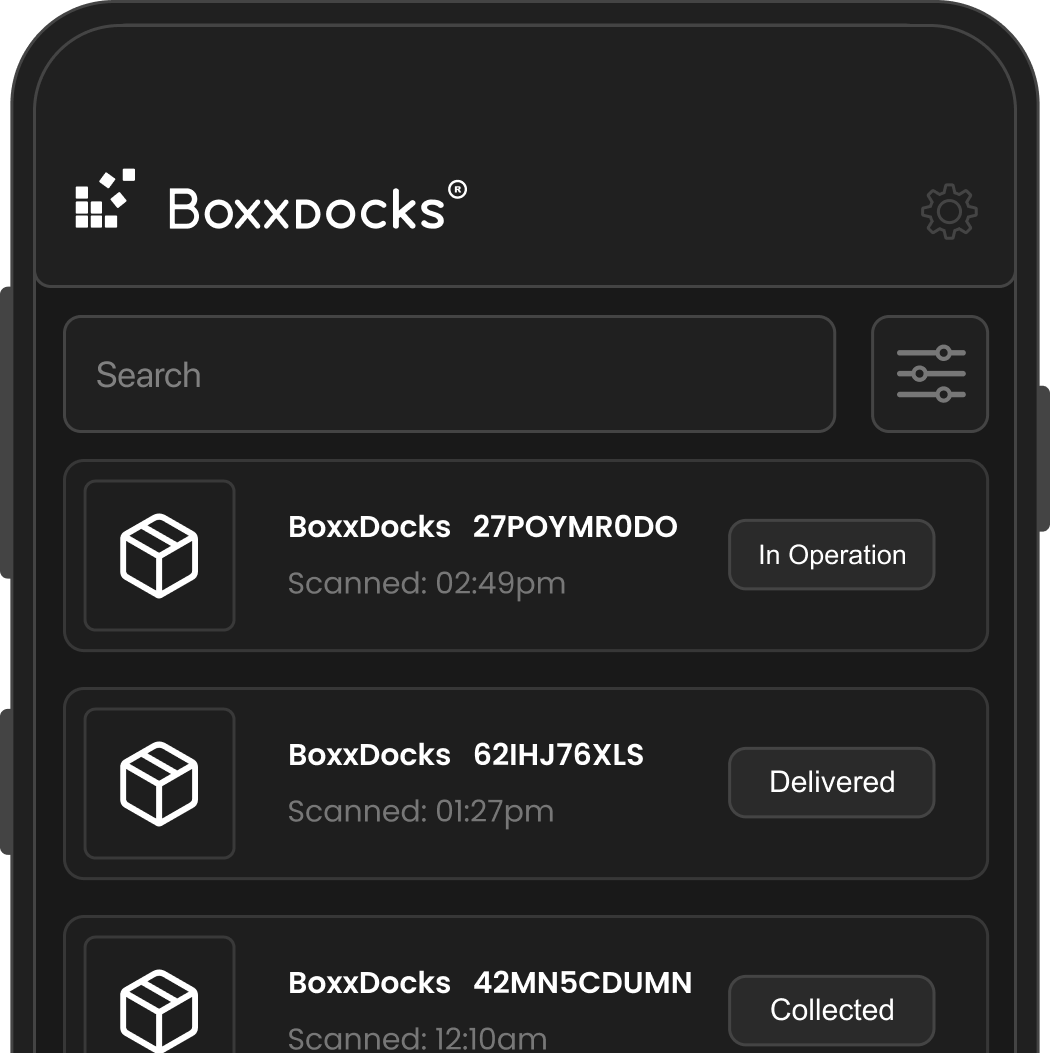
BoxxDocks AI Asset Tracking Platform
The Challenge
Asset tracking was manual, error-prone, and scattered across disconnected systems. The client had no centralized visibility into asset movement, no real-time location data, and no way to generate instant reports across multiple enterprise clients from a single platform.
Our Approach
We built BoxxDocks as an AI-enabled asset lifecycle platform using QR/NFC scanning, real-time dashboards, geolocation tracking, and a RAG-powered conversational engine that lets users query live operational data in plain English instead of navigating dashboards.
The Result
- Real-time inventory tracking across warehouses, transit, and delivery
- AI query engine for natural language insights
- LLM-powered reporting with anomaly detection
- Complete audit trail with location, timestamp, and status
Parity AI AI Finance Platform
The Challenge
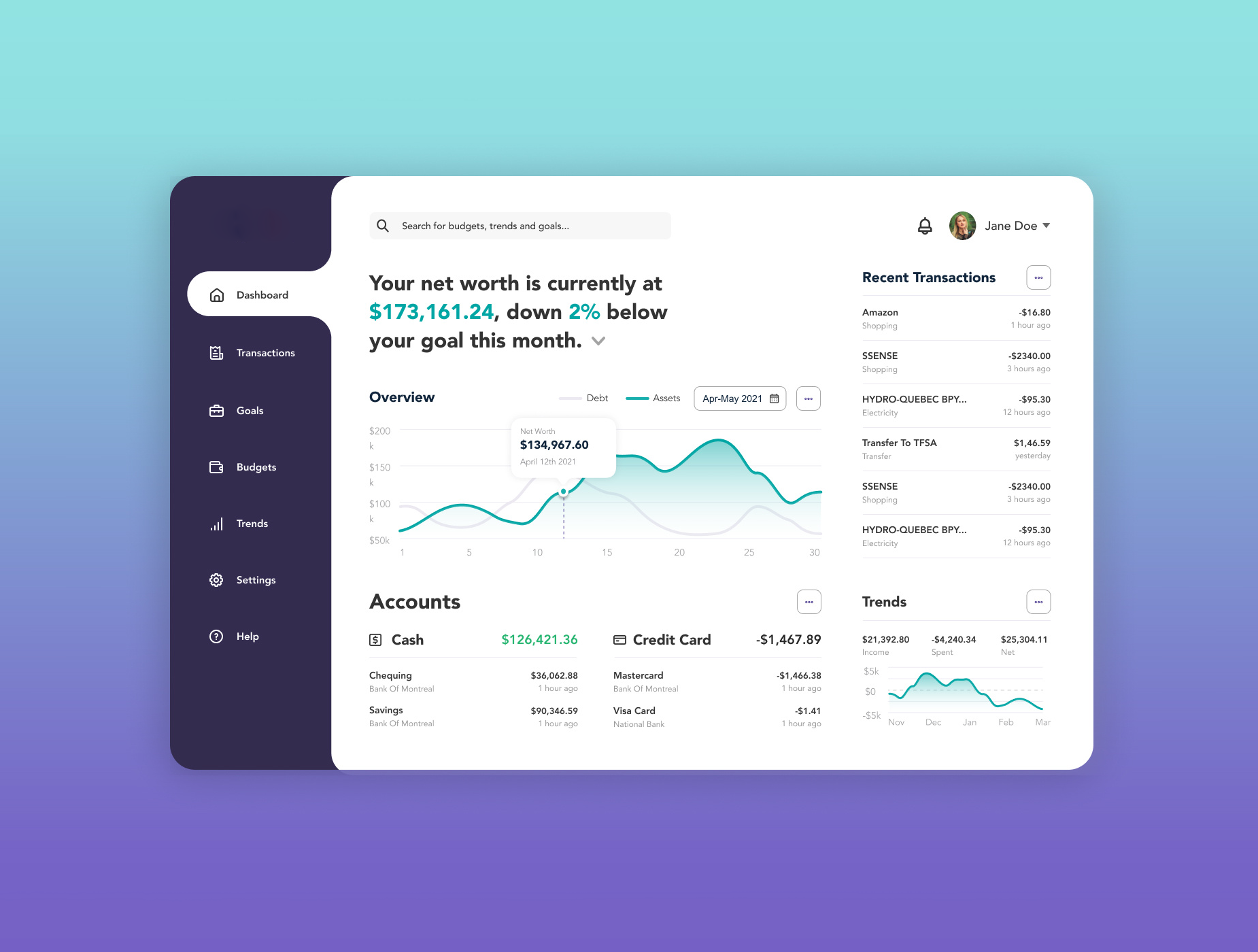
Personalized financial advice was expensive and limited to periodic meetings. Users had no way to consolidate banking, investments, debt, and insurance into one platform with real-time, AI-driven guidance.
Our Approach
We built Parity AI as an always-on financial wellness platform powered by AI. It securely pulls data from multiple sources, analyzes user behavior, forecasts outcomes, and delivers personalized recommendations — acting as a digital financial advisor, not a budgeting app.
The Result
- AI-powered financial planning across banking, investments, and debt
- Personalized recommendations based on life events and behavior
- Integrated financial education with actionable insights
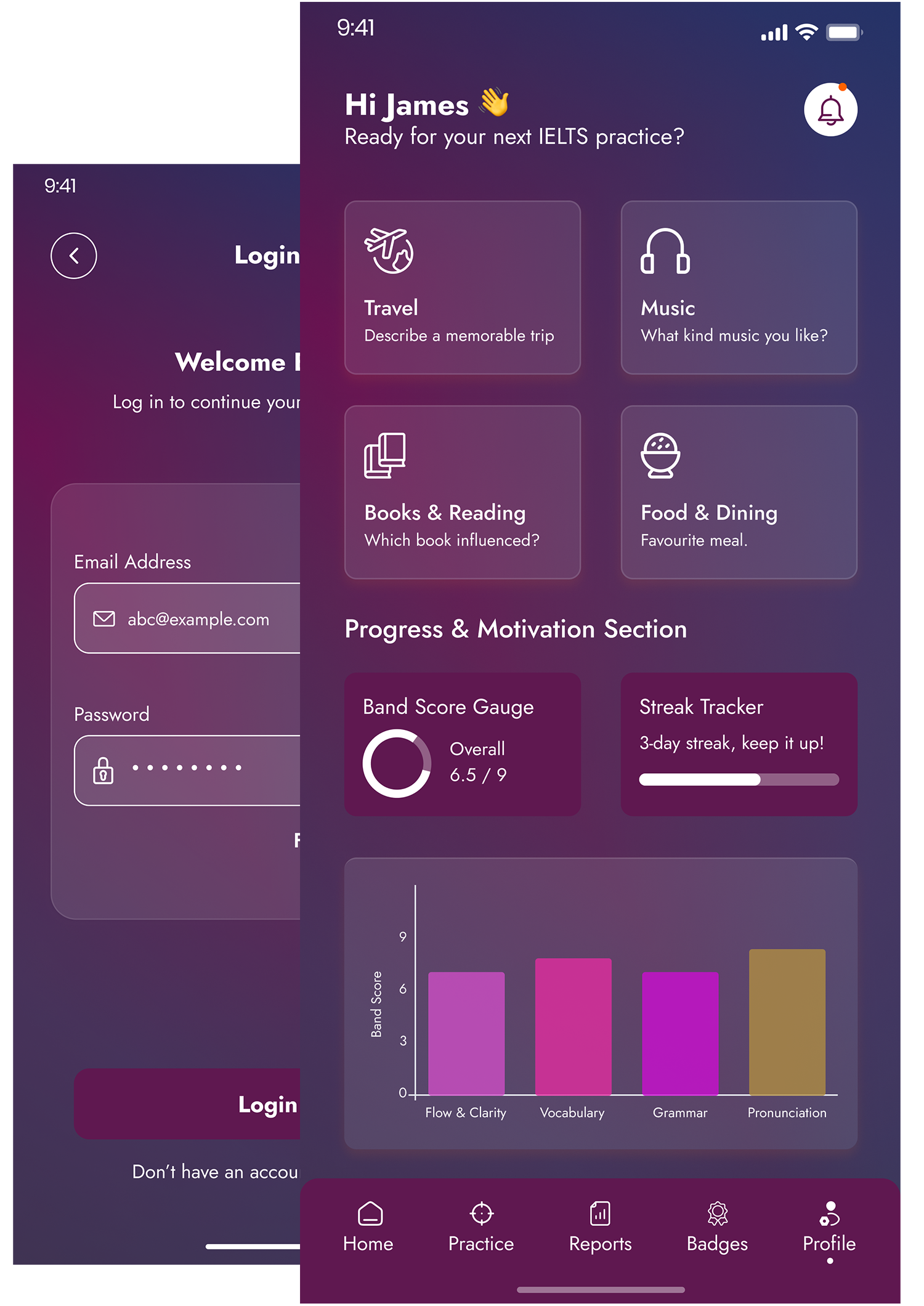
IELTS AI-Powered Speaking Evaluator
The Challenge
Human IELTS tutors cost $30-$80/hour with limited availability. Generic speaking apps lack authentic Part 1/2/3 exam structure, pronunciation feedback, and band-aligned scoring rubrics. Learners had no way to get unlimited, exam-authentic practice at scale.
Our Approach
We built a full-stack AI platform with a lifelike AI Avatar Examiner using LangGraph + Gemini conversation engine, Google Cloud TTS with viseme lip-sync, Faster-Whisper ASR, and a 6-layer IELTS evaluation pipeline scoring all 4 criteria with ±0.5-1.0 band accuracy.
The Result
- 1,000+ concurrent users with 2–3s response latency
- 10x lower cost than human examiners
- 6-service AI microservice with model preloading
- No-code admin panel for rapid content updates
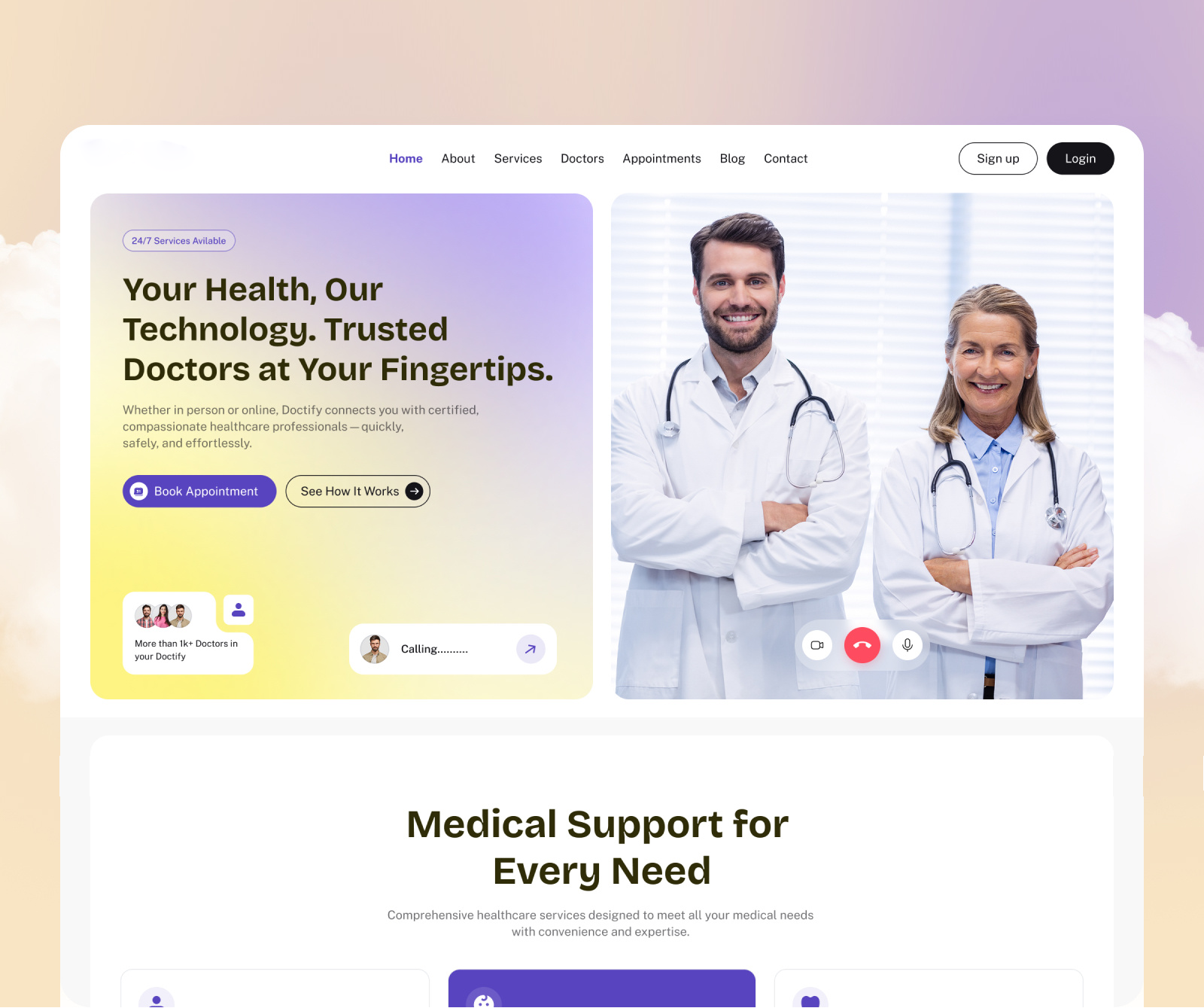
Health E Livin AI Wellness Platform
The Challenge
People struggling with mental health had no single platform to access trusted information, take confidential assessments, and find providers — all without stigma or privacy concerns.
Our Approach
We built HealtheLivin as an AI-powered mental wellness app with a conversational AI assistant, anonymous screenings, evidence-based resource library, and geolocation-based provider discovery — all on privacy-first cloud infrastructure.
The Result
- AI knowledgebase for natural language mental health support
- Confidential assessments with personalized wellness insights
- Location-based provider discovery for professional care
- Privacy-first architecture with encrypted data management
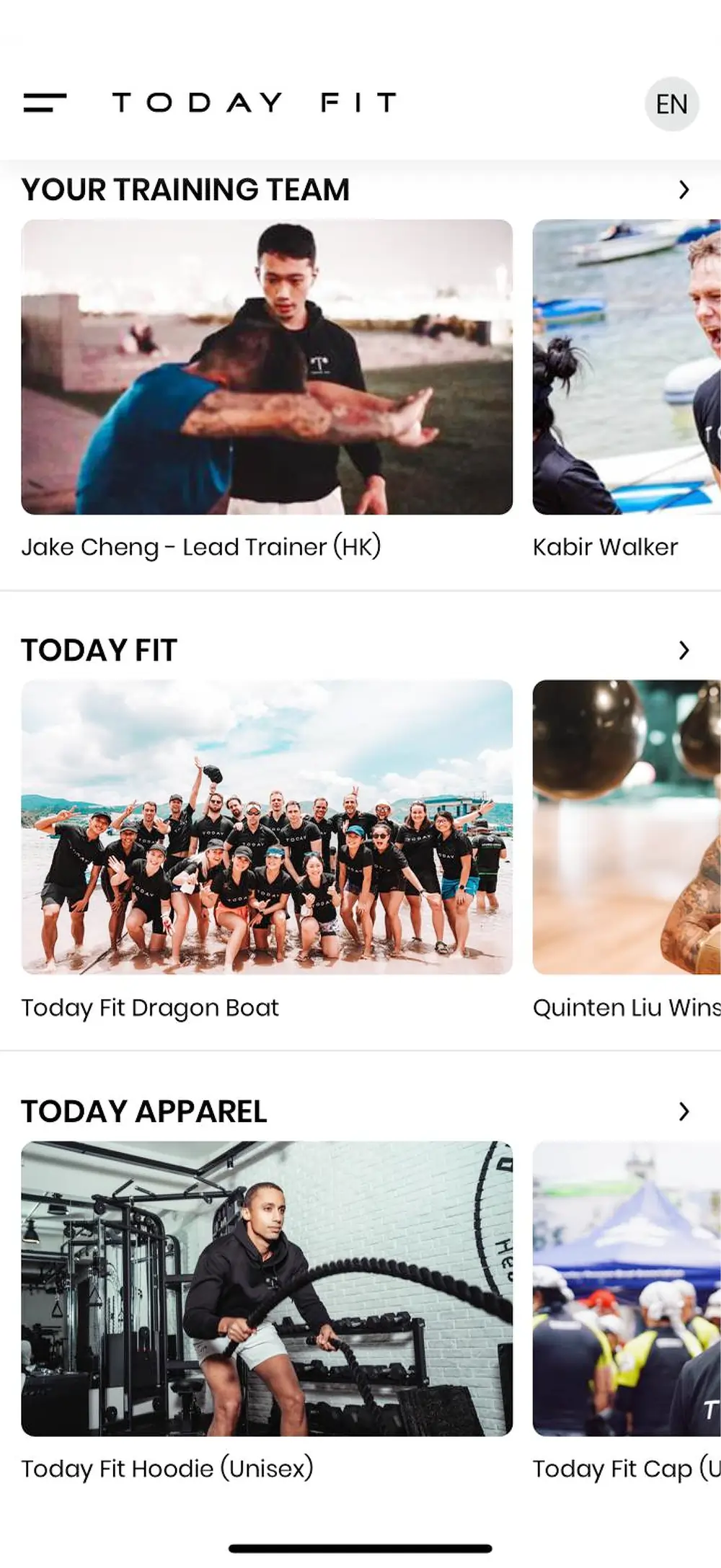
Today Fit Fitness App
The Challenge
Gyms, trainers, and users were stuck with disconnected tools for scheduling, payments, and fitness tracking. There was no single platform that combined personalized fitness with business management.
Our Approach
We developed TodayFit as an AI-driven fitness platform with trainer booking, personalized tracking, community features, and a SaaS layer for gym and trainer business management.
The Result
- 30% increase in user engagement
- 4.7+ average rating on the App Store and Play Store
- 60% growth in trainer bookings
- 45% increase in subscription conversions
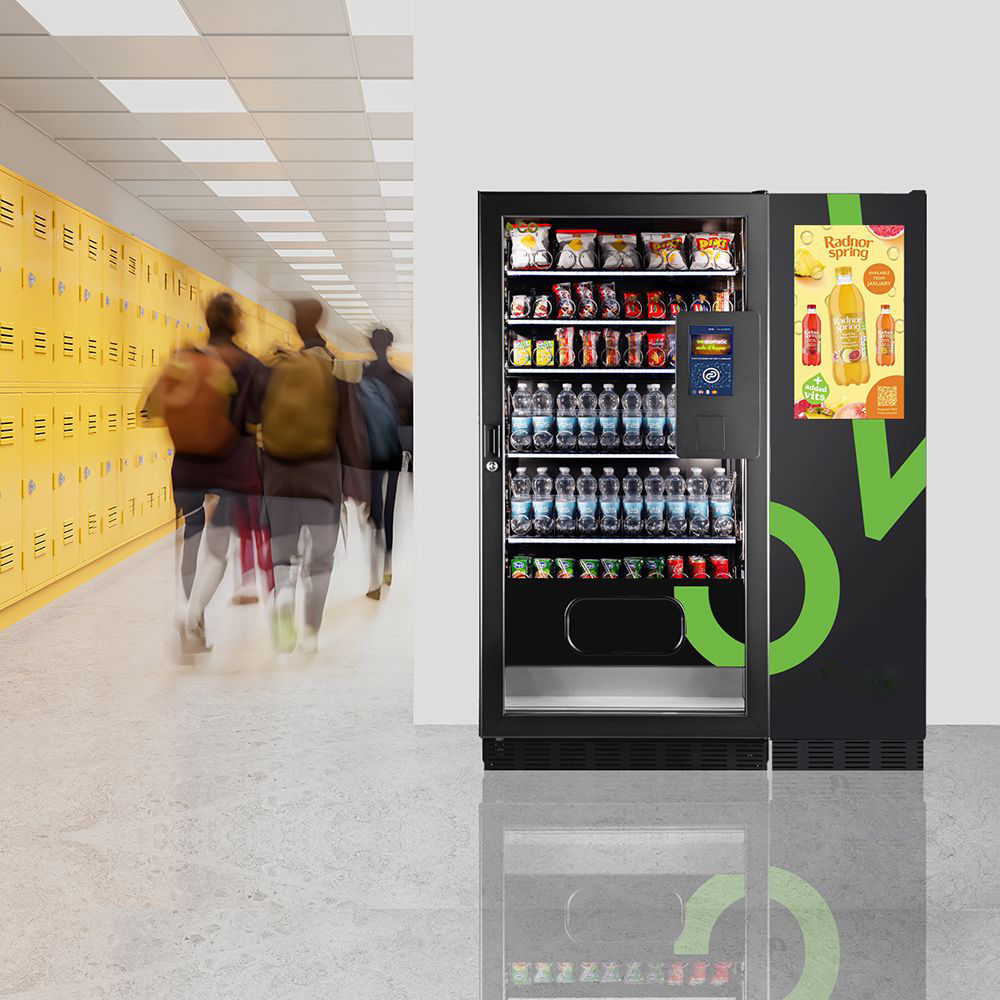
SmartVend AI Smart Vending Platform
The Challenge
Managing a distributed vending machine network meant manual inventory tracking, disconnected payment systems, no remote management capability, and zero real-time visibility into machine health or sales performance across locations.
Our Approach
We built SmartVend as a cloud-connected IoT platform combining an Android kiosk app, centralized web portal, real-time inventory sync, hardware integration for payments and dispensing, and a digital advertising layer — all managed from a single dashboard.
The Result
- Real-time inventory sync with low-stock alerts
- Remote machine management across unlimited locations
- IoT integration for payments, dispensing, and monitoring
- Centralized sales analytics and revenue reporting
Ready to transform your business with AI solutions tailored to your needs.
As an AI software development company, we deliver IT solutions that perfectly align with your business goals. We make businesses technically smarter and more intuitive.
Advanced technologies and tools powering our AI development capabilities
Our technology ecosystem is strategically engineered to power the development of advanced AI solutions that are scalable, reliable, secure, and production-ready.
 Python
 TypeScript
 JavaScript
 Java
Java .NET
.NET PHP
PHP Go
Go Rust
Rust Node.js
 FastAPI
 Bun
Bun Express.js
 Laravel (PHP)
 GraphQL
 REST APIs
 PyTorch
 TensorFlow
 Hugging Face
 Scikit-learn
 Keras
Keras JAX
JAX vLLM
vLLM Claude
 GPT-5.6
 Gemini
 Llama
Llama Mistral
 DeepSeek
 Midjourney
 LangGraph
 CrewAI
 AutoGen
 PydanticAIOpenAI Agents SDK
 MCP (Model Context Protocol)
 LangChain
 LlamaIndex
 Pinecone
 Qdrant
 Weaviate
 pgvector
 AWS
AWS Google Cloud
 Firebase
 Supabase
 MongoDB
 Redis
Redis Docker
 Kubernetes
 AWS (Bedrock)
 Azure AI Foundry
 Vertex AI
 Databricks
 Snowflake Cortex AI
 Apache Kafka
 Apache Spark Streaming
 Flink
Flink dbt
dbt Power BI
 RabbitMQ
 Apache Iceberg
 MS Dynamics 365
 Salesforce
 Adobe Commerce
 SharePoint
 Service Now
 Power BI
 SAP
SAPWhat makes Xicom a trusted AI development company for your next project
As an Artificial intelligence development company, every engagement at Xicom is backed by structured processes, strict data security, and flexible models designed to give you full control over your project from kickoff to deployment.

Team control
Direct access to your team for discussions anytime.

Data security
Strict adherence to data protection and confidentiality.
Flexible hiring
Hourly, part-time, or full-time models.
Strict NDA
Your business data stays fully protected.

US time-zone support
Teams overlap with US business hours, with round-the-clock monitoring.
Quality delivery
97% first-time-right code submission, every sprint.

Agile process
Faster, predictable delivery via iterative sprints.
Transparency
Real-time updates and full project visibility.




From strategy to scale our end-to-end AI development process
As a custom AI development company, we follow a structured and well-defined process to ensure timely delivery and consistent quality. Our approach is organized across distinct stages, enabling the development of AI solutions through clear strategy and disciplined execution.
1
Discovery
Define business objectives, identify suitable AI use cases, assess workflows, evaluate data availability, and determine technical feasibility.
2
Data Readiness
Assess data sources and quality, establish data pipelines, define governance requirements, and design the AI system architecture.
3
Development
Select appropriate ML models, LLMs, RAG architectures, or AI agents, then develop and customize them for the intended use case.
4
Evaluation & Testing
Evaluate accuracy, relevance, latency, safety, hallucination risk, robustness, and task performance using defined testing criteria.
5
Deploy & Optimization
Deploy AI solutions across the required infrastructure, integrate them with enterprise systems and workflows, and continuously monitor and optimize production performance.
Our engagement models for our Artificial Intelligence development services
We offer flexible AI development engagement models tailored to your business needs. Whether you require a dedicated team, a fixed-price approach, or a pay-as-you-go model, we enable you to hire an AI development team that perfectly fits your budget and requirements.

Fixed Price Model
Best for well-defined AI projects, this model ensures clear scope, budget predictability, and timely delivery without surprises.
- Upfront agreed cost and project scope
- Milestone-based progress tracking
- No hidden charges or overheads
- Reliable delivery timelines and outcomes
Most Popular

Dedicated Teams Model
Ideal for businesses seeking a long-term AI development partner, this model provides a dedicated team of AI engineers working exclusively on your project.
- Full control over team structure and workflows
- Highly scalable and cost-effective
- Direct communication with developers
- Working hours overlap with US time zones

Time & Material Model
Perfect for AI projects with dynamic requirements, this model offers agility, cost control, and adaptability to continuous innovation.
- Flexible billing based on actual efforts
- Adjust resources and scope anytime
- Ideal for iterative and evolving projects
- Faster implementation and continuous optimization
Security & governance considerations for AI development
We incorporate applicable security, privacy, governance, and regulatory requirements into AI solution design and development based on each client's industry, data environment, and deployment requirements. For US enterprises, this includes HIPAA, SOC 2 Type II, CCPA, PCI DSS, and NIST frameworks where they apply.










Client testimonials and reviews showcasing the value we consistently deliver
Explore how our clients describe their journey with us, reflecting strong collaboration, effective execution, and consistent outcomes delivered across engagements. See how our delivery framework ensures consistency from initiation through to successful completion.
❝
Parity AI
We came to Xicom with an ambitious goal: make institutional-grade financial planning accessible to everyone through AI. Xicom went beyond the brief, blending conversational AI and predictive analytics into an effortless platform. Parity AI is exactly what we envisioned.

❝
RadioFX
Xicom took the time to understand what our stations and listeners actually need, building something tailored rather than generic. Live chat and polls are now core to how we connect with our audience — the app has become a true extension of our on-air presence.


❝
StudyBuddy
Xicom built exactly what our students needed: a secure space to connect, collaborate, and find tutoring support in one place. Their understanding of student behavior shows in how naturally everything fits together — StudyBuddy is something students genuinely rely on.

❝
BoxxDocks
Xicom helped us bring BoxxDocks to life exactly as we envisioned it. Their team understood the complexity of AI powered real-time asset tracking and delivered a platform that's both powerful and genuinely easy to use.


❝
TodayFit
We are very happy with their services. I cannot recommend them highly enough. The value, ability, and delivery that we have seen has been superb, and we look forward to continuing this relationship.


❝
SmartVend AI
Their team built SmartVend from the ground up, combining hardware integration, real-time inventory sync, and a centralized dashboard that completely changed how we operate. We couldn't have asked for a more capable technical partner.

❝
Tap Retail
Partnering with Xicom to develop our Tap Retail app and website was one of the best decisions we made. Their team demonstrated exceptional professionalism, technical expertise, and a deep understanding of our business goals.


❝
GoGmGo
Partnering with Xicom was a game-changer for us. They didn't just build software, they helped us redefine how we run our business. Their proactive support and deep domain knowledge gave us the confidence to innovate faster.

❝
DENVEN
Working with Xicom has been a transformative experience. Their team quickly understood our challenges and delivered a scalable, intuitive solution. I highly recommend Xicom to any organization seeking future-ready, high-performance digital products.

Top tech insights of our blog
Explore latest tech stories & News
✦ AI-First Company
Deep Insights into Emerging Technology and Innovation!
Stay ahead in the digital world with our latest insights covering AI trends, industry developments, and expert advice on building smarter businesses.
1800+
Projects
20+
Years Experience
Frequently Asked Questions
1. What AI development services do you offer?
Our services span the entire lifecycle of enterprise AI adoption, from strategy through to deployment and ongoing optimization. As an AI software development company, we focus on building production-grade AI systems shaped around actual business conditions. Our AI services cover custom AI model development, AI agents and multi-agent systems, data engineering, generative AI applications, PoC and MVP development, AI/ML strategy consulting, AI integration into existing ecosystems, and enterprise AI platforms.
The AI development solutions we build are meant to operationalize intelligence across business workflows like predictive analytics, intelligent process optimization, decision automation, and personalization. We also deliver scalable artificial intelligence solutions on modern architectures such as RAG pipelines, cloud-native AI infrastructure, LLM-based systems, and vector databases. Every solution is engineered with security, governance, and observability kept in view, so that enterprise readiness and long-term adaptability are assured.
2. Do you provide AI development services for companies in the United States?
Yes. We provide custom AI development services to companies across the United States through our San Francisco office. US clients work with a dedicated point of contact, get updates during US business hours, and receive solutions aligned with US requirements such as HIPAA, CCPA, SOC 2, and the NIST AI Risk Management Framework.
3. Can you integrate AI capabilities into existing software systems?
Yes. Our AI integration capabilities are built to embed intelligence straight into clients' enterprise systems already in place, such as data platforms, internal tools, ERPs, and CRMs. Drawing on our digital transformation experience, we keep interoperability seamless through event-driven architectures, optimized data pipelines, and secure APIs. What our AI development services concentrate on is strengthening existing enterprise ecosystems without throwing operations off course, so that AI behaves as a native, scalable layer inside operational workflows.
4. How much does it cost to develop an AI-enabled solution?
The overall cost to develop an AI-enabled application depends on various factors, including complexity, features, and the expertise of the development team. A simple AI-powered app may cost between $20,000 to $50,000, while a complex and advanced version with deep learning and real-time processing may range from $75,000 to $100,000+.
5. How much time does it take to develop an AI-based software product?
The timeline of development depends on the data quality, along with the complexity, and scope of the project. A basic AI application takes around 3-5 months, moving through stages such as discovery, data preparation, deployment, model development, and testing.
More advanced, enterprise-grade AI systems can run to 9+ months or beyond because of heightened complexity across validation requirements, integration, architecture, and data engineering.
We follow a structured delivery approach under our AI software development services, so timelines stay predictable. Our AI development services are set up to run work in parallel streams (the model, application, and data layers), which helps speed up delivery while quality and scalability are held intact.
This phased execution enables organizations to see value early through MVPs, even as the full-scale system gets built out progressively.
6. Do you provide post-development support and maintenance for AI solutions you build?
Yes, we provide comprehensive post-development support and maintenance as part of our AI development services. Our responsibility doesn't end at deployment — we ensure AI systems keep performing reliably in real-world environments.
We offer support across model retraining, optimization based on shifting data patterns and business requirements, system updates, continuous performance monitoring, and bug fixes.
We also focus on resolving issues like scalability constraints, model drift, and data quality shifts, for long-term AI efficacy.
7. How do you manage AI development projects and ensure smooth communication throughout the engagement?
We follow a transparent and systematic approach to project management designed to ensure a smooth communication flow and hassle-free execution. We uphold a structured project management approach with well-defined deliverables, milestones, and timelines throughout the development cycle to ensure accountability, predictability, and control across client engagements.
Our agile execution model ensures projects are delivered in multiple iterations to enable end-to-end visibility and progressive tracking of project outcomes.
For unhindered communication, we hold sprint reviews, progress reporting sessions, and timely status updates. We keep clients informed about any technical decisions or constraints, future milestones, and updates on completed tasks. With standard tools for collaboration, we ensure streamlined coordination and communication.
Our AI development services ensure strong collaboration, responsiveness, and transparency, helping clients keep track of their projects, while we take care of the execution.
8. What is AI-as-a-Service (AIaaS)?
AI-as-a-Service (AIaaS) is more like cloud-based AI solutions that allow businesses to leverage AI capabilities without the need for in-house infrastructure, expertise, or large-scale investments. It provides AI tools, frameworks, and pre-trained models on a subscription or pay-as-you-go basis.
9. What is fine-tuning in AI model development services?
Fine-tuning the AI model refers to upgrading the pre-trained model and further training it on a smaller or domain-specific dataset to improve its performance. Instead of training a model from scratch, fine-tuning adapts an existing model to better suit a specific application.
10. What are the key criteria for selecting a reliable AI development company?
Many companies offer AI development services, but choosing the right one is one of the major challenges for businesses. To collaborate with the best coders, keep in mind these few factors:
- Look for a company with a strong portfolio with industry-specific AI expertise.
- Strike a perfect balance between quality solutions and hourly pricing.
- Check their expertise and knowledge of the latest AI tools, frameworks, and methodologies.
- The company should provide tailored AI solutions that align with your business objectives.
- Verify their commitment to data encryption, regulatory compliance, and security protocols.
- Choose a company that can build AI solutions seamlessly integrated into the existing systems efficiently.
- Opt for a partner with clear communication, agile methodologies, and milestone tracking.
11. What is Xicom's approach to AI enablement for enterprises?
The process starts by defining a detailed strategic roadmap and identifying artificial intelligence opportunities for our clients, wherein aspects like data readiness, operational inefficiencies, and business objectives are evaluated to pinpoint relevant AI use cases that would offer long-term value.
The next step in the process is architecture planning and solution design. In this phase, we define governance frameworks, integration points, data flow, system architecture, and model selection, to prepare a well-defined technical blueprint of the solution.
This is followed by data readiness, where we clean, transform, and structure clients' data for proper model training and evaluation.
Next in the process is the solution development and validation stage in which robust AI solutions are developed and tested within real world conditions for robustness, performance, and accuracy.
Next, the solution transitions to the deployment phase where we integrate our AI solutions into clients' enterprise ecosystems using scalable and secure infrastructure for smooth functioning.
We also provide monitoring and optimization services where we perform retraining, tracking, and optimization based on clients' specific business requirements and evolving data needs.
Our structured approach ensures operational impact, scalability, and continuous value delivery.
12. What are some key AI solutions Xicom builds across industries?
We develop a broad array of AI solutions engineered to meet enterprise-specific needs and resolve operational inefficiencies. Some of the key AI use cases across industries are:
- 1) Healthcare
- For healthcare businesses, we build hospital workflow automation tools, medical imaging analysis systems, patient risk prediction tools, and clinical decision support systems designed to boost efficiency and accuracy.
- 2) Retail and Ecommerce
- For retail and ecommerce operations, we build demand forecasting solutions, personalization systems, recommendation engines, and AI chatbots for improved conversion rates and customer engagement.
- 3) Banking and Finance
- In banking and finance, we implement compliance intelligence systems, financial forecasting tools, credit risk modelling, and fraud detection tools for enhanced decision making and security.
- 4) Manufacturing and Supply Chain
- In the manufacturing and supply chain industry, we implement route planning tools, inventory optimization tools, and computer vision-powered quality inspection systems, ensuring reduced downtime and enhanced reliability across operations.
- 5) Insurance
- For the insurance industry and legal operations, we build compliance monitoring tools, fraud detection systems, claims processing tools, document automation systems, and contract intelligence platforms.
- 6) Automotive
- For the automotive industry, we build safety compliance monitoring tools, warranty fraud detection systems, claims and damage assessment tools, vehicle documentation automation systems, and contract and dealer agreement intelligence platforms.
Our focus spans all major domains and AI capabilities, including intelligent decision-making, personalization, predictive insights, and workflow automation.
Every award marks a milestone in our journey of excellence
As an AI-first digital engineering company, Xicom has earned global recognition for delivering innovative, scalable, and high-performing technology solutions. Our awards reflect the trust of clients and industry leaders alike.