×

- 20+ Years in Business
- 350+ IT Experts
- 750+ Enterprise Clients
- CMMi Level 3 Certified
- ISO 9001:2015
- Top 1% on TrustPilot
-
 4.8 on Clutch
Our valued Brands & Agencies
















Our AI POC & MVP development services for faster product validation
We help turn promising AI concepts into working products through focused validation, prototyping, development, and testing. Our AI services are designed to establish technical feasibility, demonstrate core value, gather meaningful user feedback, and create a practical path toward full-scale product development.

Idea Validation & Feasibility
We assess your product idea to determine its technical feasibility, data requirements, AI capabilities, and practical development considerations. This includes examining the use case, available data, model requirements, integrations, and potential constraints, helping establish whether the concept can be translated into a workable proof of concept or MVP within the intended business and technical environment.

Scope & Success Criteria
We define the POC or MVP around the problem it needs to solve and the intelligence it must demonstrate. This includes identifying essential capabilities, core features, target users, workflows, measurable outcomes, and evaluation criteria, creating a focused scope that supports meaningful validation without introducing unnecessary development effort or expanding beyond the core product objective.

Architecture Planning
We establish the technical architecture required to bring the concept into a working product. This includes determining how models, data, application logic, APIs, user interfaces, and supporting systems should interact. The architecture is planned around immediate validation requirements while considering how the solution can evolve toward production as user needs and technical requirements mature.

Rapid Prototyping
We rapidly prototype the core product experience to demonstrate how the proposed solution will work in practice. This can involve experimenting with models, prompts, data flows, AI interactions, and essential workflows. Early prototypes provide a practical way to validate technical assumptions and refine the product direction before broader development begins and significant resources are committed.

Core Feature Development
We develop the essential capabilities and product functionality required to demonstrate the concept. This can include model integration, intelligent workflows, data processing, and core application features. Development remains focused on the capabilities that directly support validation, allowing teams to evaluate the product without investing prematurely in functionality beyond the initial scope.

UI/UX Design
We design early-stage product experiences around how users interact with intelligent functionality, including inputs, outputs, conversational flows, generated content, recommendations, and other interactions. The focus is on creating clear, usable experiences while allowing the interface to evolve as testing reveals how users engage with the product across different real-world usage scenarios.

Third-party Integration
We connect the POC or MVP with APIs, data sources, enterprise applications, and external services required for the intended use case. This allows the solution to work with relevant information and supporting systems, creating a realistic validation environment while identifying integration requirements that may influence future development and production deployment requirements later.

User Testing
We test the early product with representative users and realistic scenarios to understand whether it delivers the intended value. Testing examines usability, AI outputs, accuracy, relevance, workflow effectiveness, and user expectations, providing practical feedback that helps identify weaknesses and guide decisions about what should be improved or developed next before broader product investment decisions.

Usage Analytics
We implement analytics to understand how users interact with the product and which capabilities contribute to its value. Tracking can cover feature usage, engagement, workflow completion, AI interactions, and drop-off points, providing measurable evidence that helps validate product assumptions and prioritize improvements based on actual usage patterns and observed user behavior over time.

Development Roadmap
We translate POC or MVP findings into a roadmap for taking the solution toward production. This includes validated capabilities, required improvements, technical considerations, data needs, scalability requirements, integrations, and development priorities, giving stakeholders a practical path from early experimentation to a more complete and production-ready product with clearly defined next-stage development priorities.
AI POC & MVP development across industries
Being a reputated AI PoC and MVP development company, We help you validate AI ideas fast with rapid proof-of-concept builds and functional MVPs, tailored to your industry's specific compliance, data, and operational requirements, so you can test feasibility before committing to full-scale development.

Banking & Finance
Fraud Detection POC, Credit Risk Scoring MVP, KYC Automation Prototype, Robo-Advisory POC, Digital Lending MVP

Education
Adaptive Learning POC, AI Tutoring MVP, Student Engagement Prototype, Plagiarism Detection POC, Virtual Classroom MVP

Healthcare
Diagnostic Assistant POC, Patient Triage MVP, Clinical Documentation Prototype, Symptom Checker POC, Telehealth AI MVP

Retail
Personalized Recommendation POC, Demand Forecasting MVP, Visual Search Prototype, Inventory Optimization POC, Dynamic Pricing MVP

Logistics
Route Optimization POC, Predictive Maintenance MVP, Shipment Tracking Prototype, Demand Planning POC, Fleet Management MVP

Travel & Tourism
AI Trip Planner POC, Dynamic Pricing MVP, Chatbot Concierge Prototype, Itinerary Personalization POC, Booking Recommendation MVP

Automotive
Predictive Maintenance POC, Driver Assistance MVP, Connected Vehicle Prototype, Quality Inspection POC, Fleet Analytics MVP

Real Estate
Property Valuation POC, Lead Scoring MVP, Virtual Tour Prototype, Document Automation POC, Tenant Matching MVP

Entertainment
Content Recommendation POC, Personalization Engine MVP, Audience Analytics Prototype, Churn Prediction POC, Content Moderation MVP

Manufacturing
Predictive Maintenance POC, Quality Inspection MVP, Production Scheduling Prototype, Supply Chain Forecasting POC, Defect Detection MVP

Insurance
Claims Automation POC, Underwriting Risk MVP, Fraud Detection Prototype, Policy Recommendation POC, Customer Onboarding MVP

LET’S BUILD TOGETHER
Turn your AI idea into a working POC or MVP, built to prove value fast.
As a dedicated AI Poc development company, we help you turn ideas into working prototypes. From evaluating feasibility to building a functional POC or MVP, Xicom ensures every step supports faster validation and long-term scalability.
AI Solutions Engineered for Enterprise Scale
150+
AI Engineers & Data Scientists
300+
AI Solutions Delivered
ISO 9001 Certified
NASSCOM & STPI Accreditation
NASSCOM & STPI Accreditation
100+
AI Models in Production
30+
Industries Served

AI Copilots
Our POC and MVP expertise helps enterprises test how copilots can support research, coding, customer service, and specialized knowledge work. We focus on contextual interactions, relevant responses, information access, and workflow assistance, creating early products that demonstrate practical value before broader investment.

AI Agents
Complex autonomous workflows need validation before they are trusted with real business tasks. We develop POCs and MVPs that test agent reasoning, task execution, system interactions, and decision-making, helping enterprises understand where autonomy delivers value and where human oversight remains necessary.

IDP Solutions
We help enterprises turn document-heavy ideas into working POCs and MVPs that demonstrate how information can be extracted and processed automatically. From invoices and contracts to reports and forms, we validate document understanding, processing accuracy, workflow integration, and the potential for reducing manual effort.

Enterprise Knowledge Solutions
Scattered enterprise information can make knowledge difficult to find and use. Our POCs and MVPs demonstrate how AI can connect organizational knowledge, improve information discovery, and deliver contextual answers, helping enterprises evaluate retrieval quality, user experience, and usefulness before expanding the solution across departments.

Recommendation Engines
Personalization requires more than generating recommendations; it requires proving that those recommendations are relevant. We develop POCs and MVPs that test behavioral and contextual signals, recommendation logic, and user responses, helping enterprises determine whether personalized experiences can meaningfully improve engagement, conversion, or decision-making.
Predictive Analytics Solutions
We help enterprises validate predictive ideas using focused POCs and MVPs built around meaningful business data. These early solutions can demonstrate forecasting, risk identification, anomaly detection, or outcome prediction, allowing teams to evaluate model performance, business relevance, and practical adoption before scaling the capability.
Case studies showcasing the value delivered to clients through our solutions.
Explore how we partner with clients across industries to deliver tailored AI solutions that improve efficiency, enhance customer experiences, reduce costs, and drive long-term value.
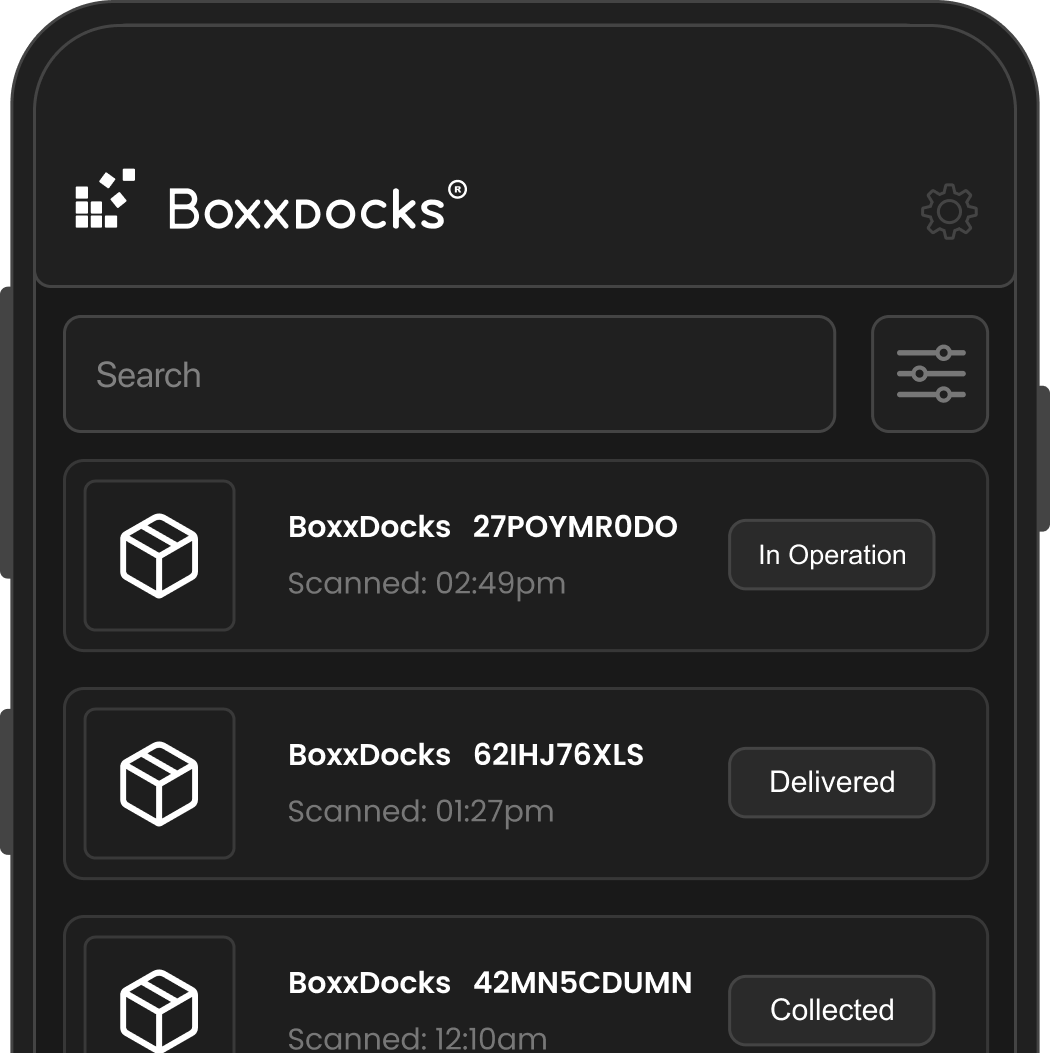
BoxxDocks AI Asset Tracking Platform
The Challenge
Asset tracking was manual, error-prone, and scattered across disconnected systems. The client had no centralized visibility into asset movement, no real-time location data, and no way to generate instant reports across multiple enterprise clients from a single platform.
Our Approach
We built BoxxDocks as an AI-enabled asset lifecycle platform using QR/NFC scanning, real-time dashboards, geolocation tracking, and a RAG-powered conversational engine that lets users query live operational data in plain English instead of navigating dashboards.
The Result
- Real-time inventory tracking across warehouses, transit, and delivery
- AI query engine for natural language insights
- LLM-powered reporting with anomaly detection
- Complete audit trail with location, timestamp, and status
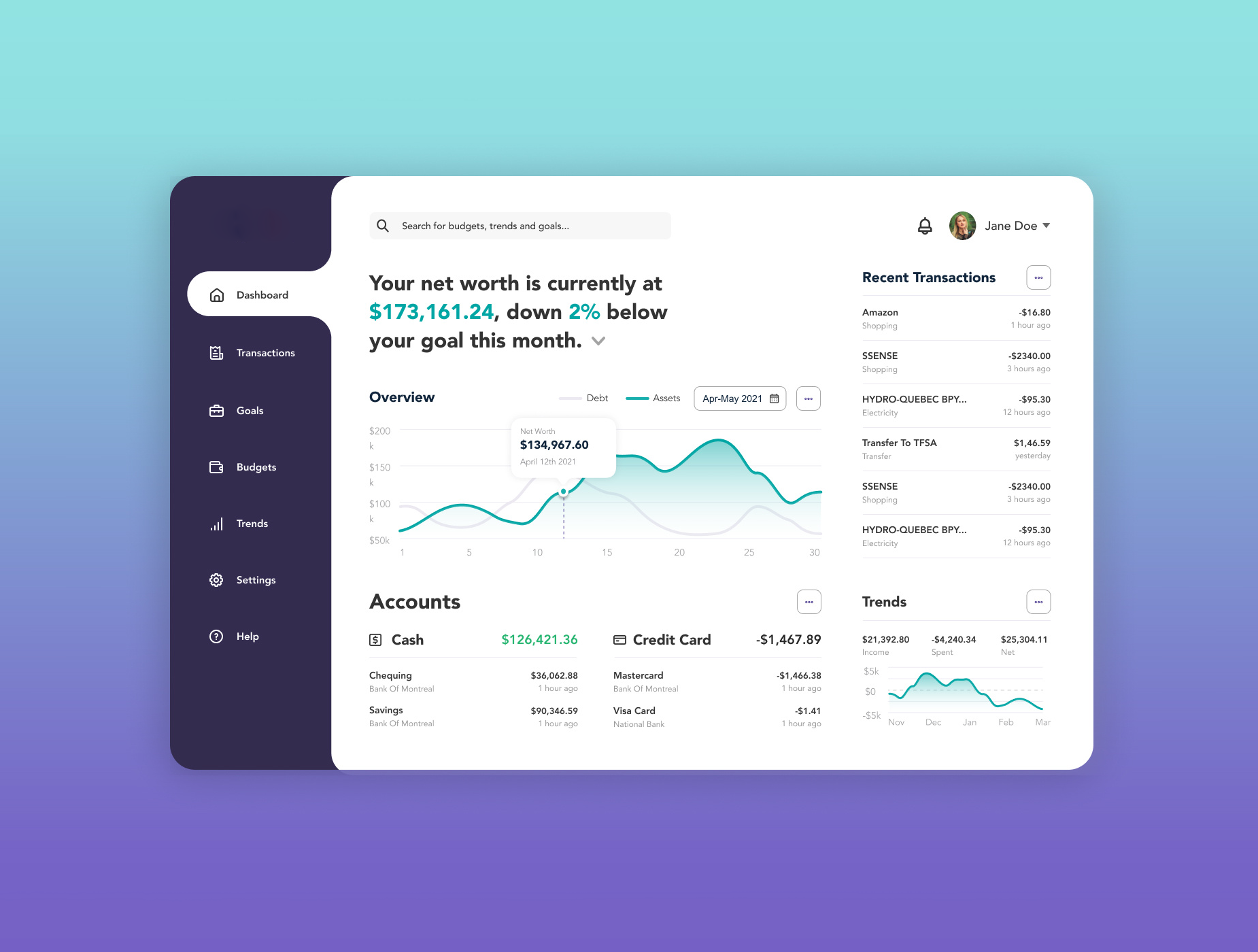
Parity AI AI Finance Platform
The Challenge
Personalized financial advice was expensive and limited to periodic meetings. Users had no way to consolidate banking, investments, debt, and insurance into one platform with real-time, AI-driven guidance.
Our Approach
We built Parity AI as an always-on financial wellness platform powered by AI. It securely pulls data from multiple sources, analyzes user behavior, forecasts outcomes, and delivers personalized recommendations — acting as a digital financial advisor, not a budgeting app.
The Result
- AI-powered financial planning across banking, investments, and debt
- Personalized recommendations based on life events and behavior
- Integrated financial education with actionable insights
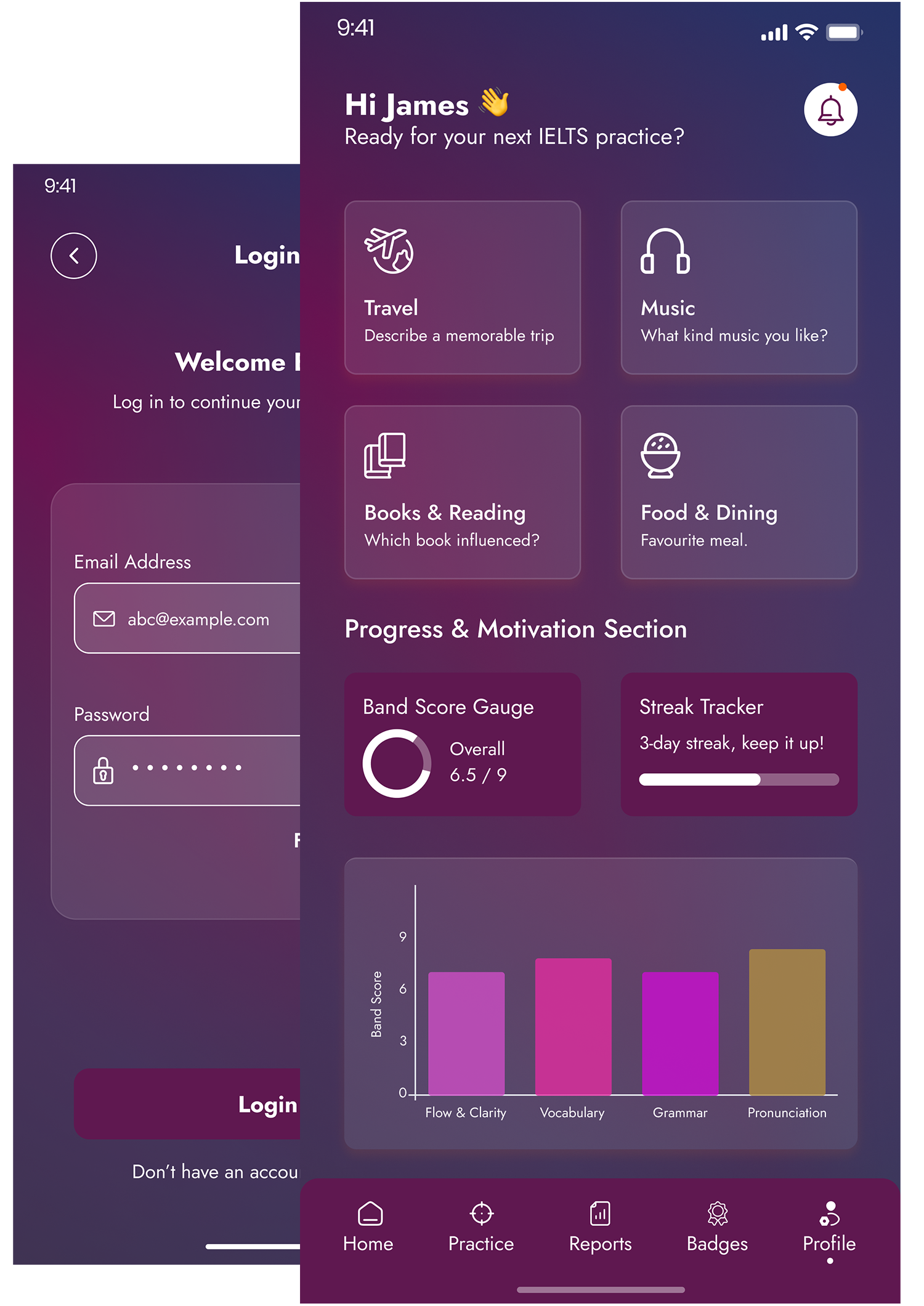
IELTS AI-Powered Speaking Evaluator
The Challenge
Human IELTS tutors cost $30-$80/hour with limited availability. Generic speaking apps lack authentic Part 1/2/3 exam structure, pronunciation feedback, and band-aligned scoring rubrics. Learners had no way to get unlimited, exam-authentic practice at scale.
Our Approach
We built a full-stack AI platform with a lifelike AI Avatar Examiner using LangGraph + Gemini conversation engine, Google Cloud TTS with viseme lip-sync, Faster-Whisper ASR, and a 6-layer IELTS evaluation pipeline scoring all 4 criteria with ±0.5-1.0 band accuracy.
The Result
- 1,000+ concurrent users with 2–3s response latency
- 10x lower cost than human examiners
- 6-service AI microservice with model preloading
- No-code admin panel for rapid content updates
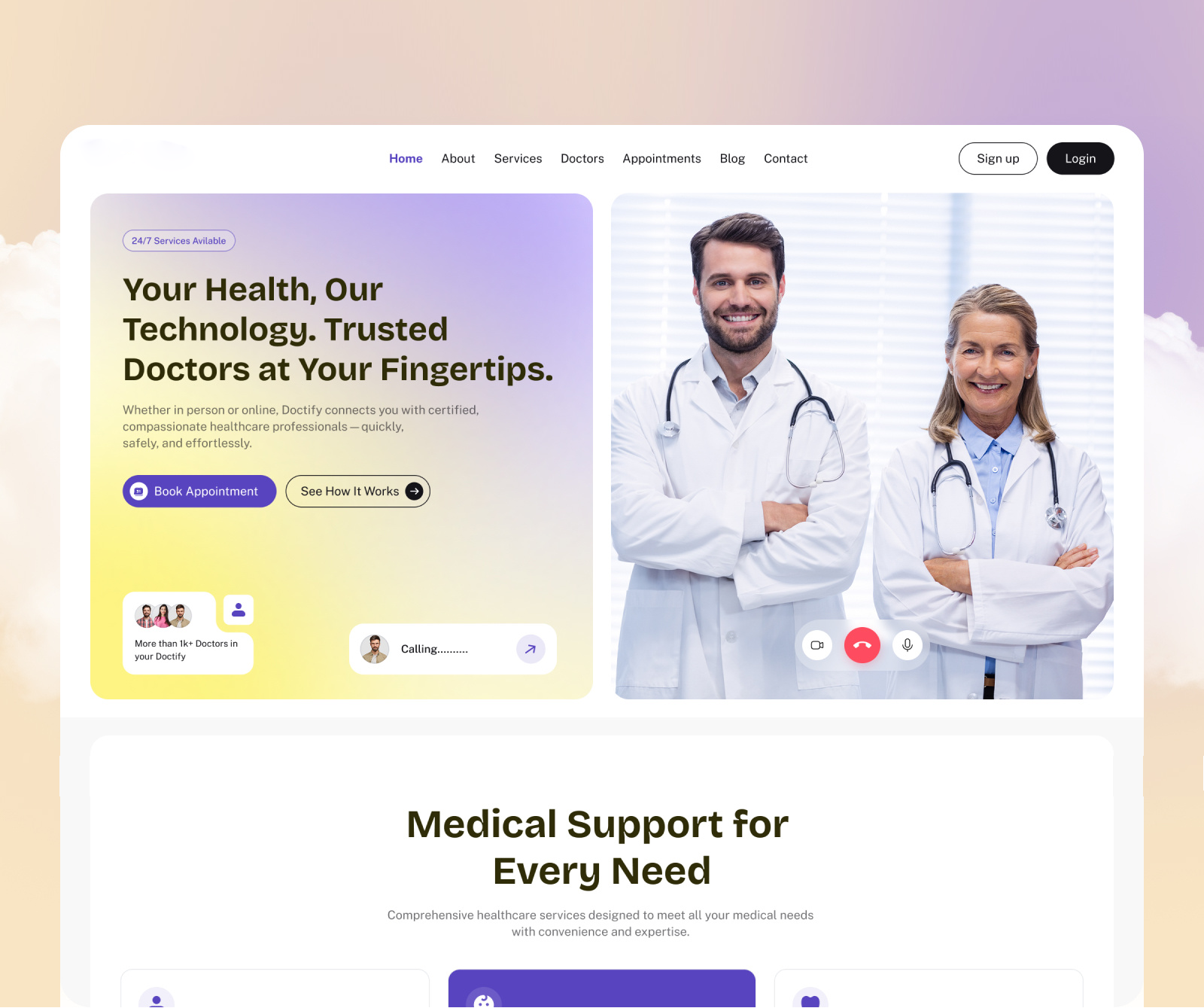
Health E Livin AI Wellness Platform
The Challenge
People struggling with mental health had no single platform to access trusted information, take confidential assessments, and find providers — all without stigma or privacy concerns.
Our Approach
We built HealtheLivin as an AI-powered mental wellness app with a conversational AI assistant, anonymous screenings, evidence-based resource library, and geolocation-based provider discovery — all on privacy-first cloud infrastructure.
The Result
- AI knowledgebase for natural language mental health support
- Confidential assessments with personalized wellness insights
- Location-based provider discovery for professional care
- Privacy-first architecture with encrypted data management
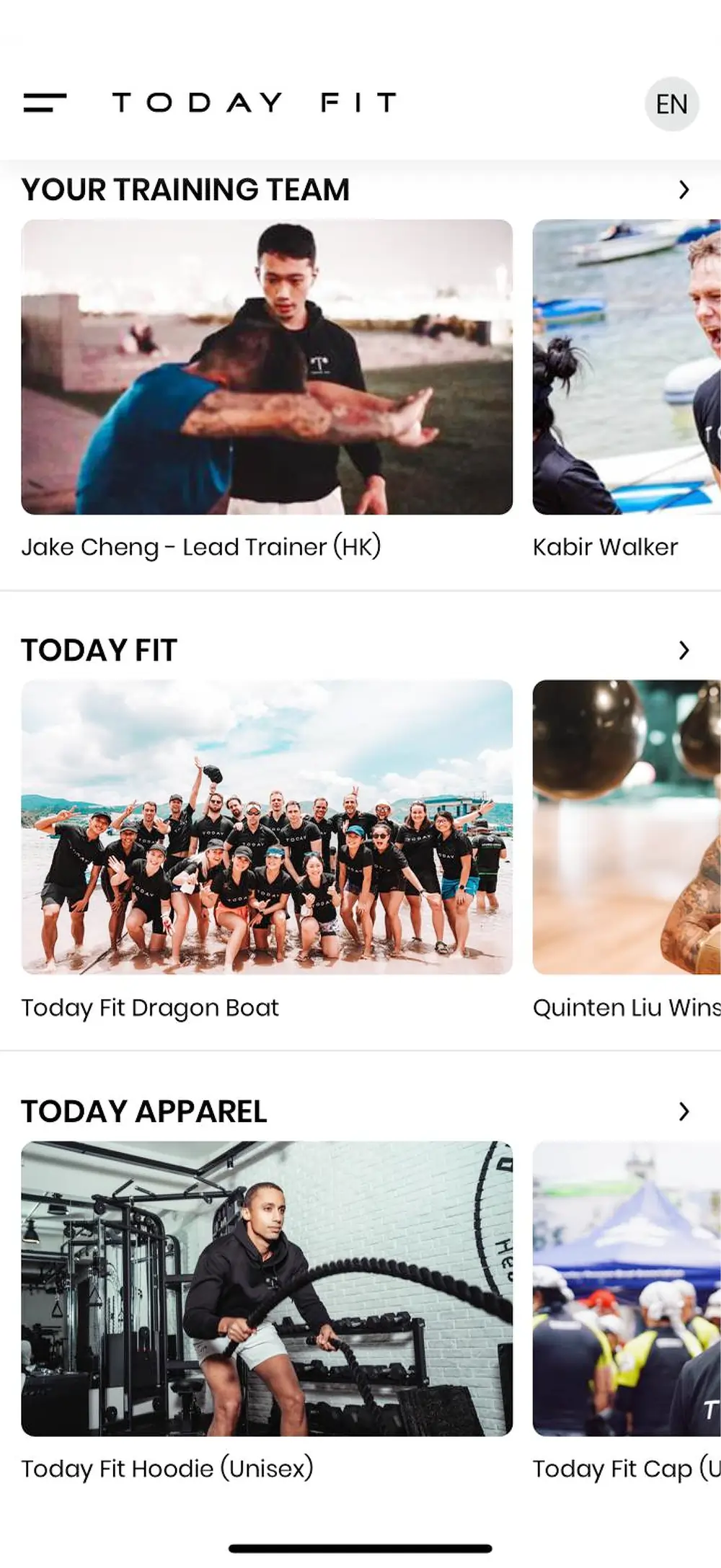
Today Fit Fitness App
The Challenge
Gyms, trainers, and users were stuck with disconnected tools for scheduling, payments, and fitness tracking. There was no single platform that combined personalized fitness with business management.
Our Approach
We developed TodayFit as an AI-driven fitness platform with trainer booking, personalized tracking, community features, and a SaaS layer for gym and trainer business management.
The Result
- 30% increase in user engagement
- 4.7+ average rating on the App Store and Play Store
- 60% growth in trainer bookings
- 45% increase in subscription conversions
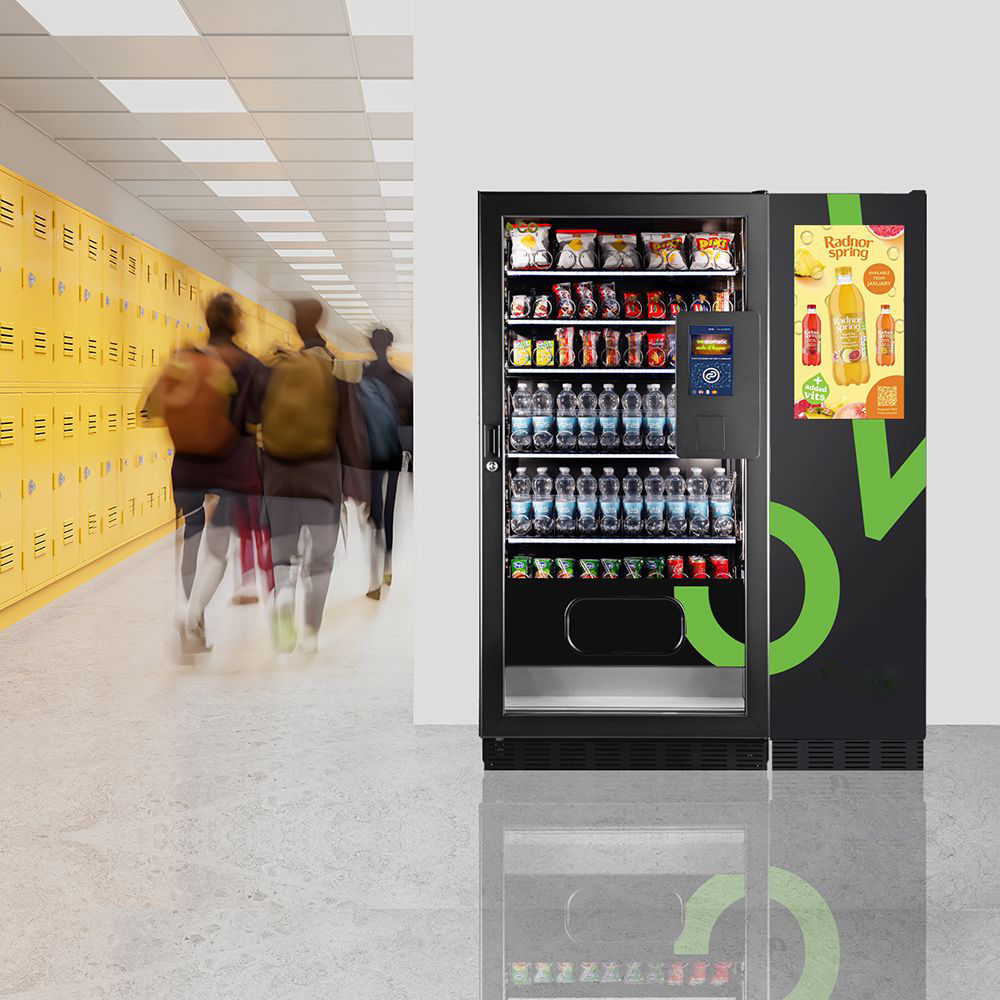
SmartVend AI Smart Vending Platform
The Challenge
Managing a distributed vending machine network meant manual inventory tracking, disconnected payment systems, no remote management capability, and zero real-time visibility into machine health or sales performance across locations.
Our Approach
We built SmartVend as a cloud-connected IoT platform combining an Android kiosk app, centralized web portal, real-time inventory sync, hardware integration for payments and dispensing, and a digital advertising layer — all managed from a single dashboard.
The Result
- Real-time inventory sync with low-stock alerts
- Remote machine management across unlimited locations
- IoT integration for payments, dispensing, and monitoring
- Centralized sales analytics and revenue reporting
Technology foundation behind the AI PoCs and MVPs we build for enterprises
We combine foundational AI technologies to build and validate POCs and MVPs across diverse use cases. Our technology expertise helps us select appropriate approaches for each product, balancing technical feasibility, performance, data requirements, user experience, and the path toward future development.
Machine Learning
Our ML expertise helps us build POCs and MVPs that learn from data to identify patterns, generate predictions, classify information, and support intelligent decision-making. We select appropriate learning approaches based on the use case, available data, and performance requirements while balancing accuracy, scalability, and implementation complexity.
Deep Learning
We apply deep learning techniques to POCs and MVPs that require sophisticated pattern recognition across complex or high-volume data. Our experience spans neural network-based approaches for language, vision, and other AI workloads, helping develop solutions capable of learning meaningful representations from large and varied datasets.
Natural Language Processing
Our NLP expertise enables us to build early-stage products that understand, analyze, and generate human language. We apply language processing capabilities to use cases involving information extraction, language understanding, and conversational experiences, shaping the approach around the product’s data, workflows, and intended user interactions.
Generative AI
We develop POCs and MVPs that use generative AI to create content, answer questions, transform information, and support intelligent user experiences. Our expertise covers different generative use cases and helps determine where generation can provide meaningful product value while accounting for output quality, relevance, consistency, and application requirements.
Speech Processing
We apply speech processing technologies to products that need to understand, analyze, or generate spoken language. Our expertise supports use cases involving speech recognition, voice-based interactions, audio analysis, and speech generation, helping integrate natural voice experiences into POCs and MVPs according to user needs and product requirements.
Computer Vision
Our computer vision expertise helps transform images and video into useful information within early-stage products. We develop capabilities for visual classification, object detection, inspection, document understanding, and other image-based tasks, selecting approaches according to visual data characteristics, operating conditions, and intended product functionality.
Probabilistic Computing
We apply probabilistic approaches where uncertainty, incomplete information, and variable outcomes need to be represented within an AI solution. Our expertise helps build systems capable of reasoning with uncertainty and estimating likely outcomes, particularly for POCs and MVPs involving prediction, classification, decision-making, or complex data relationships.
Reinforcement Learning
Our RL expertise supports use cases where systems need to learn better actions through interaction with an environment and feedback. We evaluate its suitability for problems involving sequential decisions, optimization, and adaptive behavior, applying reinforcement-based approaches where learning from outcomes provides meaningful value to the product.
AI POC (Proof of Concepts) & MVP development frameworks & tools
Our AI engineers work across modern agentic frameworks, foundation models, orchestration tools, vector databases, and cloud platforms, selecting the right stack to build AI POCs and MVPs that are fast to validate, scalable, and ready for production.
 Python
 TypeScript
 JavaScript
 Java
Java .NET
.NET PHP
PHP Go
Go Rust
Rust Node.js
 FastAPI
 Bun
Bun Express.js
 Laravel (PHP)
 GraphQL
 REST APIs
 PyTorch
 TensorFlow
 Hugging Face
 Scikit-learn
 Keras
Keras JAX
JAX vLLM
vLLM Claude
 GPT-5.6
 Gemini
 Llama
Llama Mistral
 DeepSeek
 Midjourney
 LangChain
 LlamaIndex
 Pinecone
 Qdrant
 Weaviate
 pgvector
 AWS
AWS Google Cloud
 Microsoft Azure
 Firebase
 Supabase
 MongoDB
 MySQL
MySQL Docker
 Kubernetes
Validate Before You Invest
We help turn an AI idea into a working proof before significant resources are committed to full-scale development. By testing technical feasibility, AI performance, core workflows, and user value early, we help you identify what works, what needs refinement, and whether the concept is worth taking further with greater confidence and clarity.

Build Beyond the Prototype
We don't treat a POC as a disposable demonstration. Our development approach considers how validated concepts can evolve into production products, allowing architecture, integrations, data flows, and core functionality to provide a practical foundation for subsequent development rather than requiring the product to be completely rebuilt later.

Balance Speed with Engineering
Rapid development should not mean compromising the quality of the underlying product. We focus the MVP on essential functionality while applying sound engineering practices across architecture, AI integration, data handling, interfaces, and testing. This helps you reach validation faster without turning the MVP into a fragile proof of concept.

Navigate AI Complexity
AI products introduce considerations that conventional applications may not face, including model selection, data quality, output variability, evaluation, latency, and changing AI capabilities. We account for these factors during development, helping identify technical challenges early and shape the solution around the requirements of the intended use case.
Make Product Decisions with Evidence
We build POCs and MVPs to generate useful evidence, not simply demonstrate functionality. User testing, product analytics, AI evaluation, and technical observations can reveal how people interact with the solution and where improvements are needed, giving stakeholders a stronger basis for deciding what to develop next and prioritize future development investments.
Move from Idea to Market
A successful MVP is only the beginning. We help translate validated concepts into a roadmap for broader product development, identifying additional capabilities, scalability requirements, integrations, and improvements. This creates a clearer path from an initial AI idea to a product capable of supporting real users and evolving business requirements.

Test the Core Idea Early
A POC or MVP gives you a practical way to test whether the central product idea actually works before committing to extensive development. By putting the concept into operation early, you can uncover technical limitations, weak assumptions, and gaps in the proposed experience while changes are still relatively easy to make without significant additional development costs.

Discover What Users Actually Need
What users say they want and what they actually use can be very different. An MVP creates an opportunity to observe real interactions, identify friction points, and understand which capabilities provide genuine value. These insights help shape the product around demonstrated user needs rather than assumptions made during the planning stage.

Reduce Costly Development Mistakes
Building the complete product before validating its foundations can make changes expensive. A focused POC or MVP exposes issues in technology, workflows, integrations, and usability earlier, when they are easier to address. This reduces the risk of investing heavily in functionality that ultimately needs to be redesigned, replaced, or removed.
Build Evidence for Investment
A working POC or MVP provides stronger evidence than a concept document or presentation. Demonstrable functionality, technical results, and usage data give stakeholders tangible information for evaluating the opportunity. This can make decisions around further investment, prioritization, and product direction more informed and less dependent on assumptions.

Prioritize What Deserves Development
An MVP helps distinguish essential product capabilities from features that can wait. By evaluating which workflows users engage with and which functionality contributes to the intended outcome, teams can prioritize subsequent development. This keeps future investment focused on capabilities that have demonstrated relevance rather than expanding the product indiscriminately.

Create a Path to Scale
A well-designed POC or MVP can establish the foundation for a larger product instead of becoming a one-time experiment. Validated functionality, technical findings, integration requirements, and user insights can inform the next development phase, creating a clearer path toward a scalable product that is better aligned with real-world requirements.
Our comprehensive approach to AI PoC & MVP development AI PoC & MVP development
As a dedicated AI Poc and MVP development company, we follow a structured approach to AI POC and MVP development, moving from idea assessment and feasibility to prototyping, development, testing, and refinement. Each stage focuses on validating the product’s core value while addressing technical requirements and preparing for future development.
1
Discovery
We understand the product idea, target users, business objectives, AI requirements, data availability, technical constraints, and expected outcomes before development begins.
2
Validation
We evaluate technical feasibility, AI approaches, data requirements, integrations, and potential risks to determine the most practical path forward.
3
Prototyping
We rapidly build the core concept, testing essential AI capabilities and product workflows to demonstrate functionality and validate key assumptions.
4
Development
We develop the essential features, AI capabilities, interfaces, integrations, and supporting components required to create a functional, testable MVP.
5
Evaluation
We test the product with users, analyze performance and feedback, identify improvements, and establish a roadmap for future development.
Compliance we follow in AI POC & MVP development
We build every AI POC and MVP on a foundation of data security and regulatory alignment. From access controls to industry-specific frameworks like HIPAA, GDPR, and PCI-DSS, compliance is embedded into the architecture from the earliest prototype stage, not added as an afterthought.










Client testimonials and reviews showcasing the value we consistently deliver
Explore how our clients describe their journey with us, reflecting strong collaboration, effective execution, and consistent outcomes delivered across engagements. See how our delivery framework ensures consistency from initiation through to successful completion.
❝
Parity AI
We came to Xicom with an ambitious goal: make institutional-grade financial planning accessible to everyone through AI. Xicom went beyond the brief, blending conversational AI and predictive analytics into an effortless platform. Parity AI is exactly what we envisioned.

❝
RadioFX
Xicom took the time to understand what our stations and listeners actually need, building something tailored rather than generic. Live chat and polls are now core to how we connect with our audience — the app has become a true extension of our on-air presence.


❝
StudyBuddy
Xicom built exactly what our students needed: a secure space to connect, collaborate, and find tutoring support in one place. Their understanding of student behavior shows in how naturally everything fits together — StudyBuddy is something students genuinely rely on.

❝
BoxxDocks
Xicom helped us bring BoxxDocks to life exactly as we envisioned it. Their team understood the complexity of AI powered real-time asset tracking and delivered a platform that's both powerful and genuinely easy to use.

❝
TodayFit
We are very happy with their services. I cannot recommend them highly enough. The value, ability, and delivery that we have seen has been superb, and we look forward to continuing this relationship.


❝
SmartVend AI
Their team built SmartVend from the ground up, combining hardware integration, real-time inventory sync, and a centralized dashboard that completely changed how we operate. We couldn't have asked for a more capable technical partner.

❝
Tap Retail
Partnering with Xicom to develop our Tap Retail app and website was one of the best decisions we made. Their team demonstrated exceptional professionalism, technical expertise, and a deep understanding of our business goals.


❝
GoGmGo
Partnering with Xicom was a game-changer for us. They didn't just build software, they helped us redefine how we run our business. Their proactive support and deep domain knowledge gave us the confidence to innovate faster.

❝
DENVEN
Working with Xicom has been a transformative experience. Their team quickly understood our challenges and delivered a scalable, intuitive solution. I highly recommend Xicom to any organization seeking future-ready, high-performance digital products.

Top tech insights of our blog
Explore latest tech stories & News
✦ AI-First Company
Deep Insights into Emerging Technology and Innovation!
Stay ahead in the digital world with our latest insights covering AI trends, industry developments, and expert advice on building smarter businesses.
1800+
Projects
20+
Years Experience
Frequently asked questions
What is the difference between an AI POC and an AI MVP?
A POC (Proof of Concept) validates whether an AI idea is technically feasible, usually built to test one core assumption without a full user interface. An MVP (Minimum Viable Product) is a working version of the product with enough features for real users to interact with it, used to validate market fit and gather feedback before full-scale development.
Do I need a POC before building an MVP?
Not always. If the technical feasibility of your AI idea is already proven or low-risk, you can move straight to MVP development. A POC is most valuable when there's uncertainty around whether the underlying model, data, or approach will actually work as intended.
How long does it take to build an AI POC or MVP?
Timelines depend on the complexity of the AI model, data availability, and the number of features or integrations required. A focused POC testing a single hypothesis typically moves faster than an MVP that needs a functional UI, backend, and real data pipelines connected end to end.
What data do I need to have ready before starting an AI POC?
Ideally, a representative sample of the data your AI model will eventually work with, even if it's a small or partial dataset. If you don't have data ready, our team can help identify sources, structure a data collection plan, or use synthetic/public datasets to validate the concept first.
Can the POC or MVP scale into a full production system later?
Yes, when architected correctly. We build POCs and MVPs on frameworks and infrastructure that can be extended rather than rebuilt from scratch, so validated features carry forward into the production version instead of becoming throwaway code.
What happens if the POC shows the idea isn't feasible?
That's actually the point of a POC, catching feasibility issues early before significant budget is committed. If results fall short, we work with you to adjust the approach, refine the scope, or explore an alternate technical path before deciding whether to proceed to MVP.
Is an AI POC or MVP secure enough for handling sensitive data like banking or healthcare information?
POCs and MVPs can be built with compliance requirements in mind from the start, including data encryption, access controls, and industry-specific regulations relevant to sectors like banking, healthcare, and insurance. Security depth depends on the sensitivity of the data and which systems the prototype connects to.
How much does it cost to build an AI POC or MVP?
Cost depends on the complexity of the AI model, the amount of custom development required, data preparation effort, and whether the build includes a full UI or just a backend proof of concept. Fixed-price, dedicated team, and time-and-material engagement models are available depending on scope and timeline.
Which AI models or frameworks do you use for POC and MVP development?
We select the stack based on what the use case needs, ranging from foundation models like GPT, Claude, and Gemini for generative AI use cases, to custom ML models built with PyTorch or TensorFlow, along with orchestration and vector database tools for RAG-based prototypes.
What do I actually get at the end of a POC or MVP engagement?
For a POC, you get a working demonstration of the core technical concept along with a feasibility report and recommendations. For an MVP, you get a functional product with core features live, ready for real users, feedback collection, and further iteration toward full-scale development.
Every award marks a milestone in our journey of excellence
As AI-first digital engineering company, Xicom has earned global recognition for delivering innovative, scalable, and high-performing technology solutions. Our awards reflect the trust of clients and industry leaders alike.