×

- 20+ Years in Business
- 350+ IT Experts
- 750+ Enterprise Clients
- CMMi Level 3 Certified
- ISO 9001:2015
- Top 1% on TrustPilot
-
 4.8 on Clutch
Our valued Brands & Agencies
















Our RPA development services for intelligent process automation
Our RPA consulting and development services help enterprises automate repetitive processes across applications, systems, and business functions. We build solutions around existing workflows, business rules, technology environments, and operational requirements, helping organizations improve consistency, reduce manual effort, increase efficiency, and scale operations without unnecessary disruption.

RPA Consulting & Strategy
We help enterprises identify processes where RPA can deliver meaningful operational value and establish a practical automation strategy. Our approach examines process complexity, transaction volumes, system dependencies, business rules, and expected outcomes, helping organizations prioritize suitable opportunities and define a clear direction for RPA adoption across their operating environment.

RPA Center of Excellence Setup
We help enterprises establish an RPA Center of Excellence that guides how automation is selected, built, governed, and scaled across the organization. Our consulting covers operating models, roles and responsibilities, development standards, intake processes, and performance tracking, helping teams manage RPA as a coordinated program instead of isolated projects across departments.

RPA Solution Architecture
We design RPA architectures that define how bots, applications, workflows, data, integrations, security controls, and exception handling should work together. Our architecture decisions consider existing technology environments, automation requirements, scalability, reliability, and operational governance, creating a structured foundation for developing and deploying RPA solutions across enterprise processes.

RPA Bot Development
We develop software bots that execute repetitive, rule-based activities across enterprise applications and business processes. Bots can perform tasks such as data handling, validation, system updates, information retrieval, and transaction processing according to defined rules, helping enterprises improve processing consistency while reducing the manual effort required for high-volume operational activities.

Governance & Security
We incorporate governance and security considerations into RPA environments to help enterprises control how bots access systems, handle information, and execute processes. Our approach covers permissions, credentials, access controls, auditability, execution policies, and operational oversight, helping organizations establish secure and controlled automation practices across business functions.

System Integration
We integrate RPA bots with enterprise applications, legacy systems, desktop software, databases, APIs, and web-based platforms involved in automated processes. This allows information and actions to move across otherwise disconnected environments, helping enterprises automate end-to-end workflows while continuing to work with existing applications and technology investments.

Testing & Validation
We test RPA solutions across functional scenarios, process variations, application conditions, data inputs, exceptions, and expected transaction volumes. Our validation approach examines whether bots execute processes correctly and consistently under realistic conditions, helping identify failures, performance issues, and process gaps before automation is introduced into production environments.

Deployment & Implementation
We implement and deploy RPA solutions within the target enterprise environment, configuring bots, execution schedules, credentials, dependencies, and operational requirements. Our approach considers the transition from development to production carefully, helping organizations introduce automation with appropriate controls while minimizing disruption to existing business processes and daily operations.
RPA Modernization
We modernize existing RPA implementations that have become difficult to maintain, scale, or adapt to changing applications and processes. Our work can address outdated bot logic, fragile workflows, integration dependencies, and architectural limitations, helping enterprises improve automation reliability and establish a stronger foundation for sustainable, scalable, and future-ready RPA expansion.

Performance Optimization
We evaluate RPA solutions to identify bottlenecks, inefficient process steps, unnecessary system interactions, and resource constraints that affect execution. Our optimization efforts focus on improving processing speed, reliability, resource utilization, and overall bot performance, helping enterprises achieve greater efficiency from their existing automation investments as transaction volumes increase.

Support & Maintenance
We support deployed RPA solutions as applications, processes, business rules, and operating environments change over time. Our services include resolving bot failures, adapting automations to application updates, addressing process exceptions, and making required improvements, helping enterprises maintain dependable automation and minimize interruptions to critical business operations.

Invoice Processing Systems
We build RPA solutions that automate invoice capture, validation, matching, exception handling, and system updates across accounts payable workflows. Our expertise spans document processing, business rules, application interactions, and enterprise integrations, helping enterprises handle varied invoice formats while connecting processes with existing financial systems.

Reconciliation Solutions
We build RPA workflows that collect and compare records across financial and operational systems, identify discrepancies, and route exceptions for review. Our expertise covers data extraction, validation logic, system integration, and workflow coordination, enabling recurring reconciliation activities to operate consistently across complex enterprise environments.

Order Processing Tools
We build RPA workflows that capture orders, validate information, update business applications, and coordinate processing across order-to-cash activities. Our expertise covers application integration, data handling, and exception management, helping enterprises automate transactions that move across multiple systems while accommodating defined process variations.

Employee Onboarding Systems
We build RPA workflows that coordinate employee information, document collection, system updates, account requests, and other onboarding activities across HR environments. Our expertise connects applications and workflows while applying defined rules and validations, helping enterprises establish consistent onboarding processes without repetitive administrative work.

Claims Processing Solutions
We build RPA workflows that capture claim information, validate records, perform defined checks, update applications, and route exceptions for review. Our expertise spans document processing, data validation, business rules, and system integration, helping enterprises handle repetitive claims activities consistently across insurance and healthcare environments.

Data Migration Solutions
We build RPA workflows that extract, validate, transform, and transfer information between applications during migrations, upgrades, and system consolidation initiatives. Our expertise covers structured data handling, application interaction, validation rules, and exception management, helping enterprises move information accurately while reducing repetitive manual work.
RPA consulting and development use cases across every industry
Every industry runs repetitive, rule-based work under a different name. Our Robotic Process Automation consulting identifies where automation fits in your transactions, compliance checks, and data handoffs, and our RPA development team builds bots around how that work actually happens, not a generic script applied across the board.

Banking & Finance
Loan Processing Automation, KYC & Compliance Checks, Reconciliation Bots, Fraud Alert Routing, Regulatory Reporting Automation

Education
Admission Data Entry Automation, Fee Reconciliation Bots, Student Record Updates, Transcript Processing, Compliance Reporting Automation

Healthcare
Patient Records Data Entry, Claims Adjudication Bots, Appointment Scheduling Automation, Insurance Eligibility Verification, Billing Reconciliation

Retail
Order-to-Invoice Automation, Inventory Reconciliation Bots, Vendor Data Entry, Returns Processing Automation, Price Update Synchronization

Logistics
Shipment Data Entry Automation, Freight Invoice Matching, Customs Documentation Bots, Delivery Status Updates, Carrier Reconciliation

Travel & Tourism
Booking Confirmation Automation, Itinerary Data Entry, Refund Processing Bots, Vendor Invoice Reconciliation, Customer Record Updates

Automotive
Parts Inventory Reconciliation, Warranty Claims Processing, Dealer Invoice Matching, Service Record Data Entry, Supply Chain Order Automation

Real Estate
Lease Document Processing, Tenant Onboarding Automation, Rent Reconciliation Bots, Property Listing Updates, Compliance Record Management

Entertainment
Royalty Payment Reconciliation, Content Licensing Data Entry, Rights Management Automation, Vendor Billing Bots, Subscription Record Updates

Manufacturing
Purchase Order Processing, Inventory Data Reconciliation, Quality Report Compilation, Supplier Invoice Matching, Production Data Entry

Insurance
Policy Issuance Automation, Claims Intake & Validation, Underwriting Data Aggregation, Renewal Processing Bots, Fraud Flag Routing

LET'S AUTOMATE TOGETHER
Automate your enterprise workflows with our RPA development expertise.
At Xicom, we assess your existing processes and build RPA solutions aligned with your operational requirements and business objectives, reducing manual effort and improving consistency across teams.
AI Solutions Engineered for Enterprise Scale
150+
AI Engineers & Data Scientists
300+
AI Solutions Delivered
ISO 9001 Certified
NASSCOM & STPI Accreditation
NASSCOM & STPI Accreditation
100+
AI Models in Production
30+
Industries Served

Screen & UI Automation
Our expertise in screen and UI automation enables bots to interact with enterprise applications through clicks, keystrokes, navigation, and interface controls. We design these interactions around application behavior, screen variations, and process requirements, helping automate tasks even when direct system-level access or APIs are unavailable.

Optical Character Recognition (OCR)
We use OCR technologies to help RPA solutions extract machine-readable information from scanned documents, forms, invoices, images, and other text-based sources. Our approach considers document quality, layouts, formatting, and recognition requirements, enabling extracted information to move into validation, processing, and downstream enterprise workflows.

Computer Vision
Our computer vision expertise enables RPA solutions to interpret visual elements that may not be reliably accessible through conventional interface automation. We apply visual recognition to identify controls, screen elements, layouts, and interface changes, helping bots interact with applications where fixed coordinates or structured controls are insufficient.

Natural Language Processing (NLP)
We apply NLP technologies when RPA processes need to interpret information contained in emails, forms, messages, and free-text fields. Our solutions can classify, extract, and interpret relevant textual information before passing it into automated workflows, enabling bots to handle processes involving less-structured business communication and content.

Workflow Orchestration
Our workflow orchestration expertise helps coordinate automated tasks across bots, apps, systems, and process stages. We design execution logic around dependencies, sequencing, triggers, conditions, and handoffs, helping enterprises manage complex processes where multiple automated activities must work together reliably rather than operate as isolated bot tasks.

Business Rules Engines
We incorporate business rules technologies into RPA solutions where automated processes depend on defined decisions, validations, classifications, and conditions. This allows decision logic to remain structured and manageable while bots execute the resulting actions, helping enterprises apply consistent rules across recurring transactions and changing operational scenarios.

Process Mining
We use process mining technologies to analyze system events and transaction data and understand how business processes actually operate. Our expertise helps identify repetitive activities, bottlenecks, process variations, and automation opportunities, providing a data-driven foundation for determining where RPA can deliver meaningful operational improvements.
API & Web Service Integration
We use APIs and web services to connect RPA solutions directly with enterprise applications and external systems where programmatic access is available. This can reduce reliance on interface-based interactions, enabling more efficient data exchange and helping us design automation architectures that combine direct integrations with UI-based bot interactions.

Machine Learning
Our ML expertise extends RPA beyond predefined rules where processes involve patterns, classifications, or variable inputs. We can incorporate suitable learning approaches to classify information, recognize recurring patterns, and support decisions within automated workflows, helping bots handle variations without requiring every scenario to be explicitly scripted.

Database & Data Management
We integrate database and data management technologies into RPA solutions that need to retrieve, validate, update, or store structured information during process execution. Our expertise covers connecting automated workflows with relevant data sources and maintaining reliable information flows between bots, apps, and underlying data environments.
Case studies showcasing the value delivered to clients through our solutions
Explore how we partner with clients across industries to deliver tailored AI solutions that improve efficiency, enhance customer experiences, reduce costs, and drive long-term value.
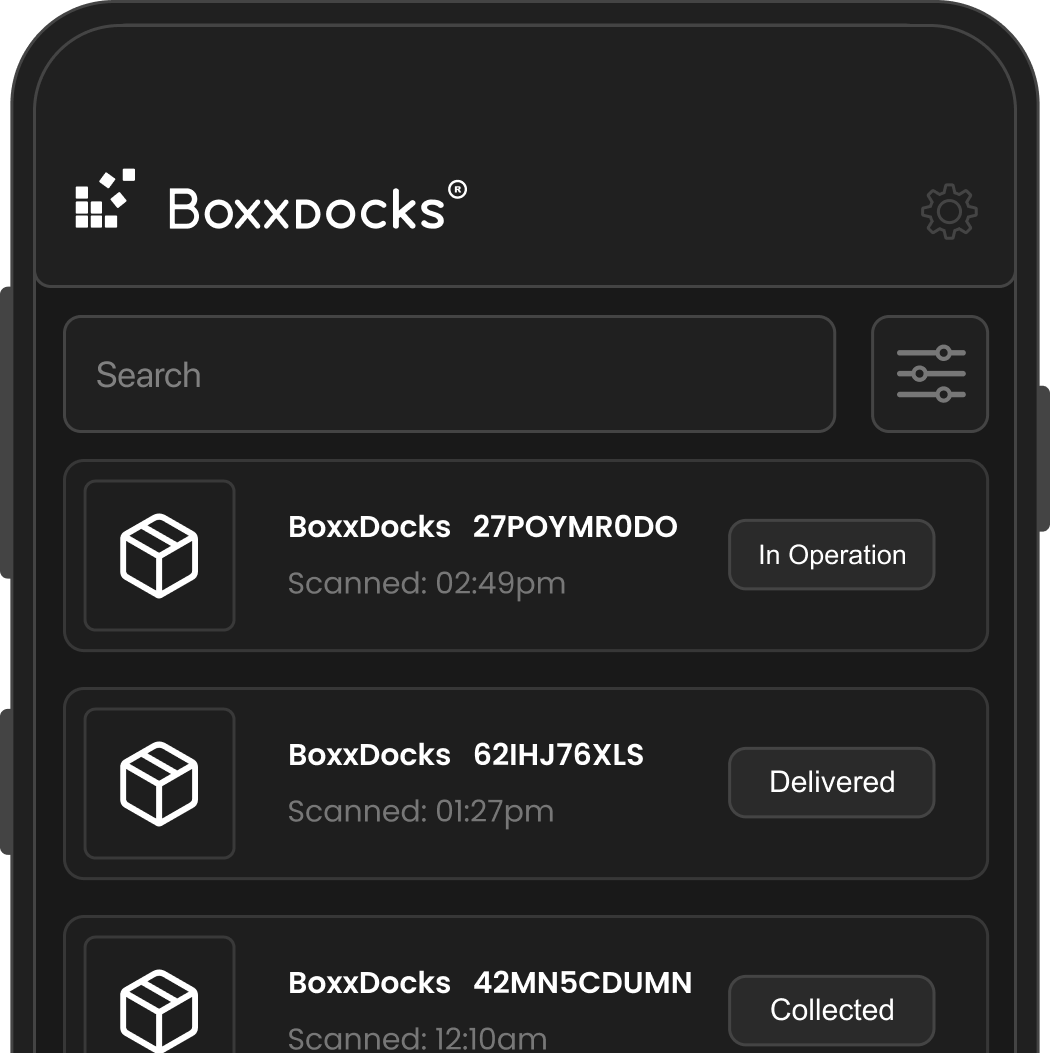
BoxxDocks AI Asset Tracking Platform
The Challenge
Asset tracking was manual, error-prone, and scattered across disconnected systems. The client had no centralized visibility into asset movement, no real-time location data, and no way to generate instant reports across multiple enterprise clients from a single platform.
Our Approach
We built BoxxDocks as an AI-enabled asset lifecycle platform using QR/NFC scanning, real-time dashboards, geolocation tracking, and a RAG-powered conversational engine that lets users query live operational data in plain English instead of navigating dashboards.
The Result
- Real-time inventory tracking across warehouses, transit, and delivery
- AI query engine for natural language insights
- LLM-powered reporting with anomaly detection
- Complete audit trail with location, timestamp, and status
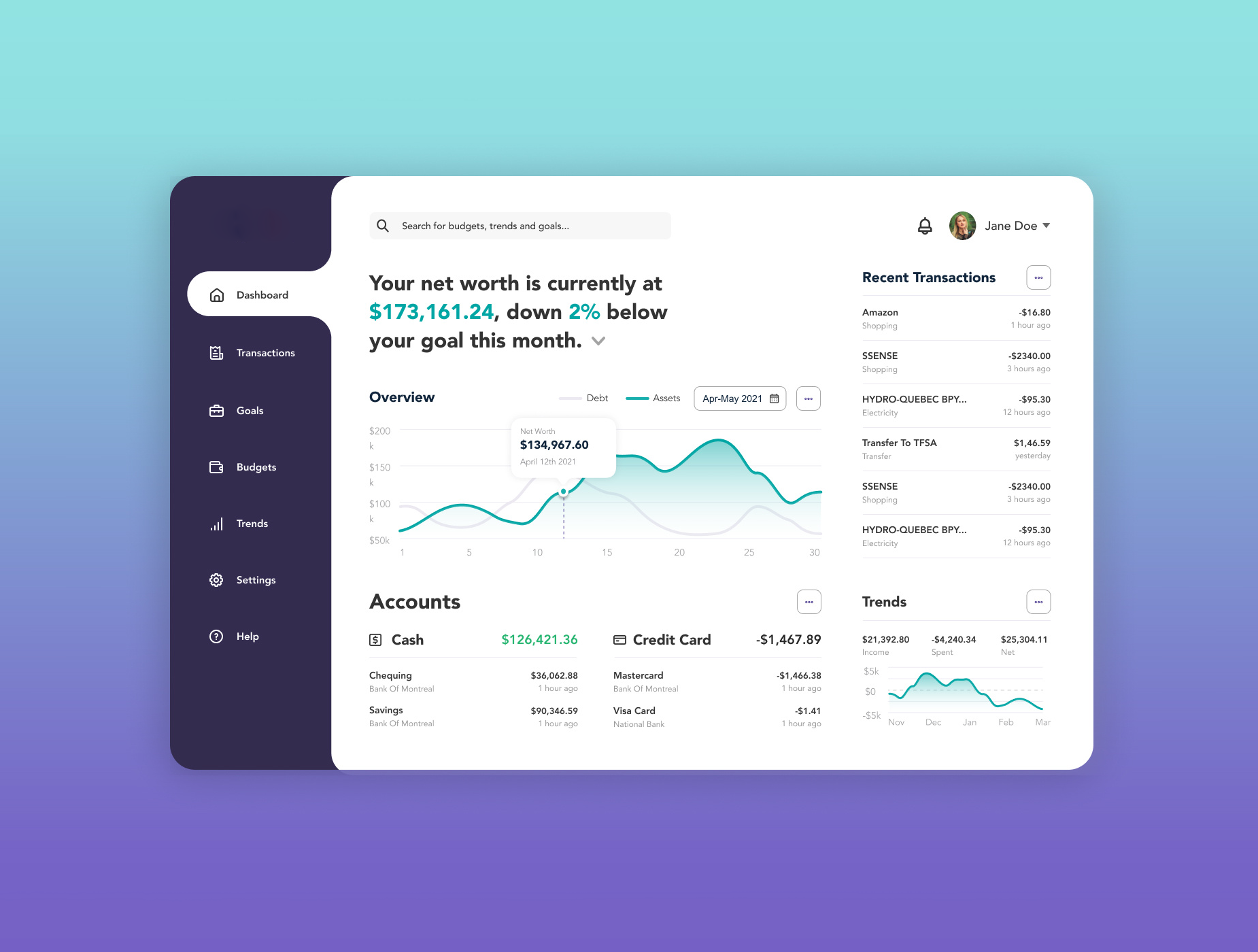
Parity AI AI Finance Platform
The Challenge
Personalized financial advice was expensive and limited to periodic meetings. Users had no way to consolidate banking, investments, debt, and insurance into one platform with real-time, AI-driven guidance.
Our Approach
We built Parity AI as an always-on financial wellness platform powered by AI. It securely pulls data from multiple sources, analyzes user behavior, forecasts outcomes, and delivers personalized recommendations — acting as a digital financial advisor, not a budgeting app.
The Result
- AI-powered financial planning across banking, investments, and debt
- Personalized recommendations based on life events and behavior
- Integrated financial education with actionable insights
IELTS AI-Powered Speaking Evaluator
The Challenge
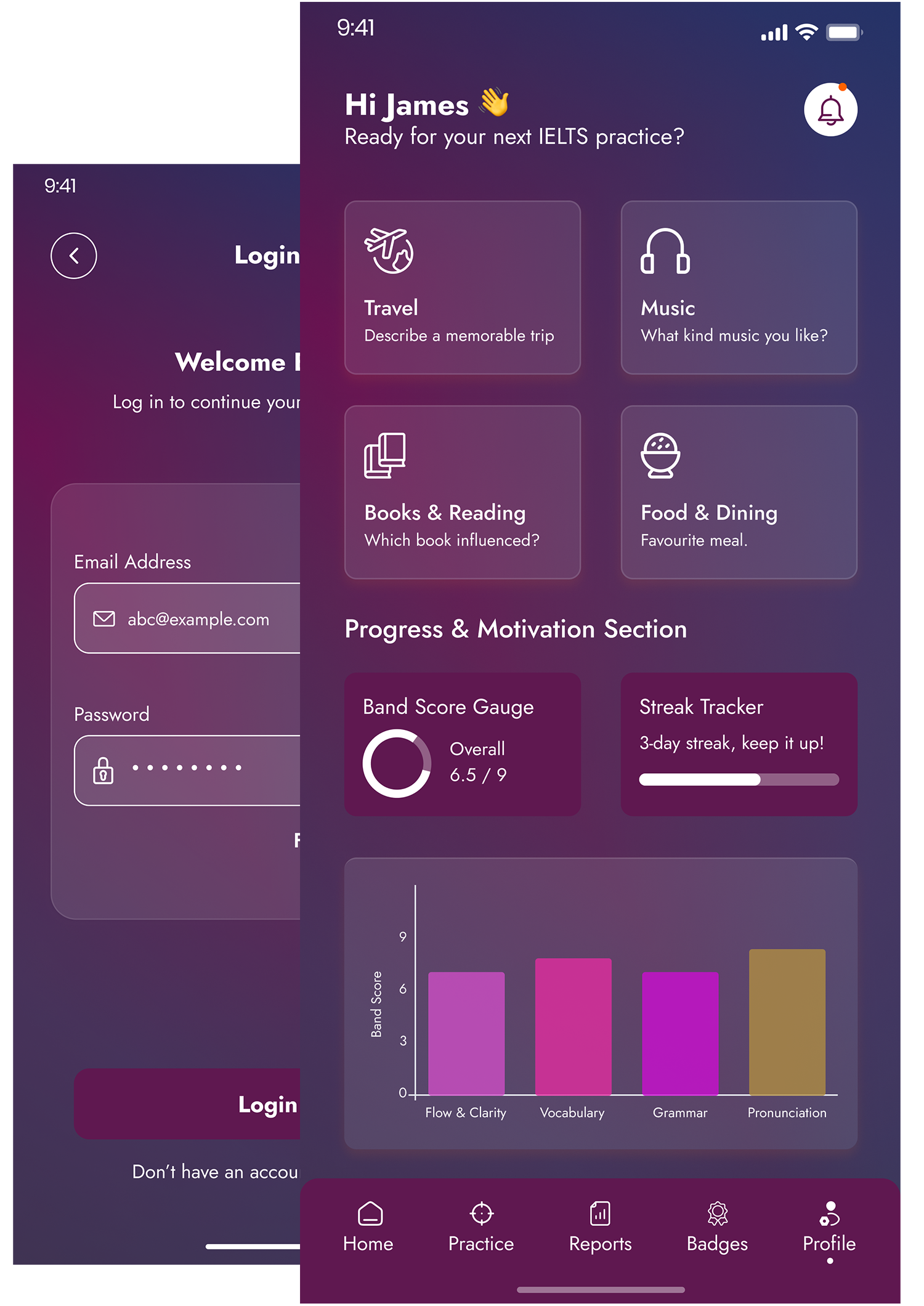
Human IELTS tutors cost $30-$80/hour with limited availability. Generic speaking apps lack authentic Part 1/2/3 exam structure, pronunciation feedback, and band-aligned scoring rubrics. Learners had no way to get unlimited, exam-authentic practice at scale.
Our Approach
We built a full-stack AI platform with a lifelike AI Avatar Examiner using LangGraph + Gemini conversation engine, Google Cloud TTS with viseme lip-sync, Faster-Whisper ASR, and a 6-layer IELTS evaluation pipeline scoring all 4 criteria with ±0.5-1.0 band accuracy.
The Result
- 1,000+ concurrent users with 2–3s response latency
- 10x lower cost than human examiners
- 6-service AI microservice with model preloading
- No-code admin panel for rapid content updates
Health E Livin AI Wellness Platform
The Challenge
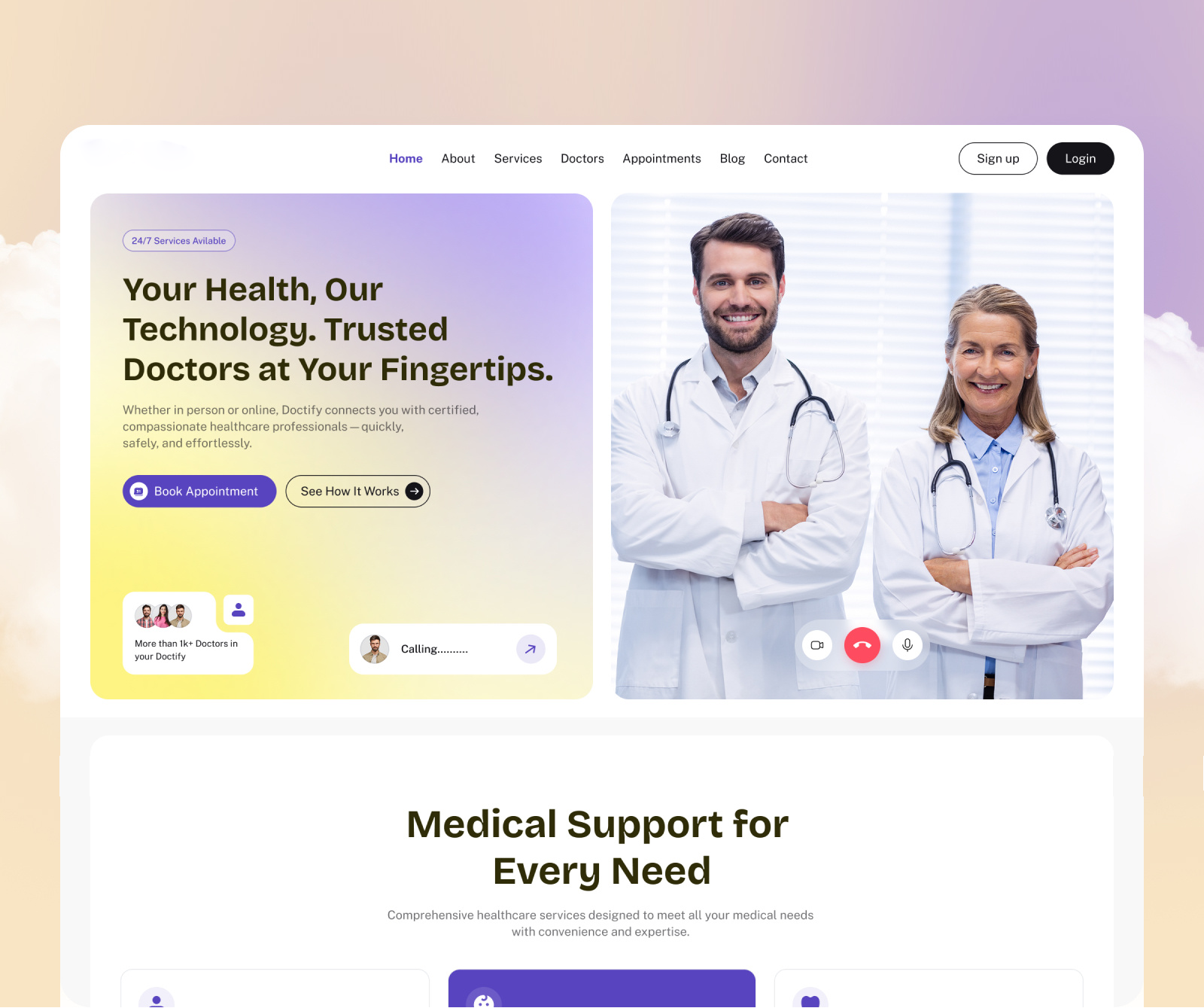
People struggling with mental health had no single platform to access trusted information, take confidential assessments, and find providers — all without stigma or privacy concerns.
Our Approach
We built HealtheLivin as an AI-powered mental wellness app with a conversational AI assistant, anonymous screenings, evidence-based resource library, and geolocation-based provider discovery — all on privacy-first cloud infrastructure.
The Result
- AI knowledgebase for natural language mental health support
- Confidential assessments with personalized wellness insights
- Location-based provider discovery for professional care
- Privacy-first architecture with encrypted data management
Today Fit Fitness App
The Challenge
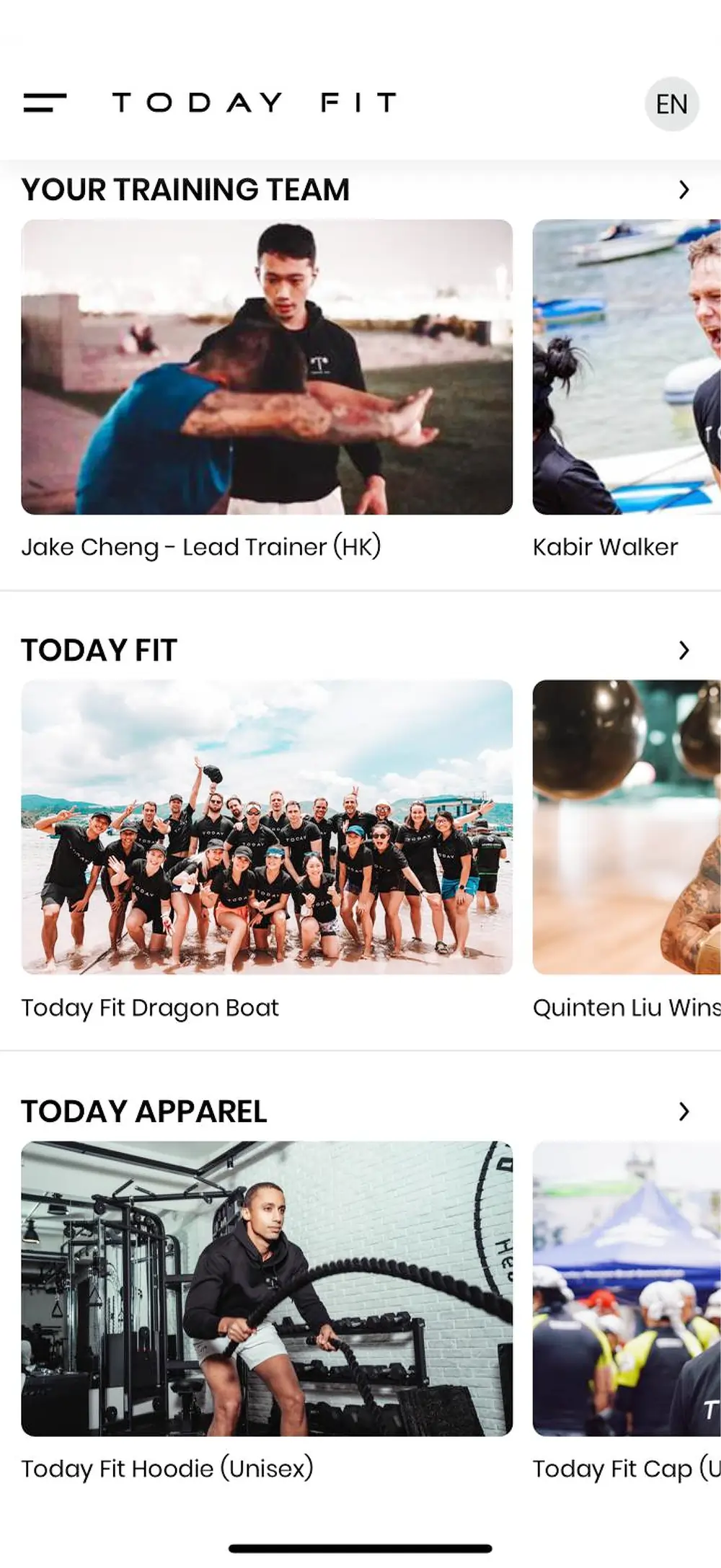
Gyms, trainers, and users were stuck with disconnected tools for scheduling, payments, and fitness tracking. There was no single platform that combined personalized fitness with business management.
Our Approach
We developed TodayFit as an AI-driven fitness platform with trainer booking, personalized tracking, community features, and a SaaS layer for gym and trainer business management.
The Result
- 30% increase in user engagement
- 4.7+ average rating on the App Store and Play Store
- 60% growth in trainer bookings
- 45% increase in subscription conversions
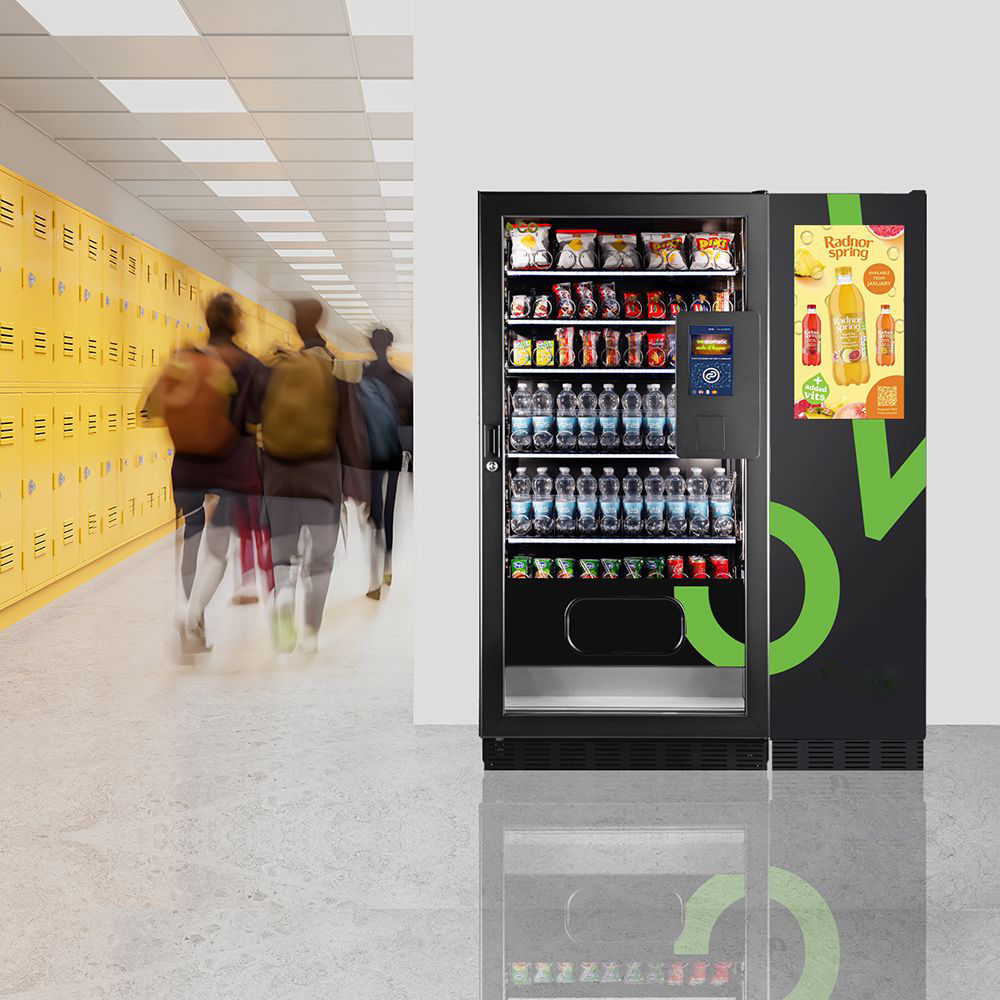
SmartVend AI Smart Vending Platform
The Challenge
Managing a distributed vending machine network meant manual inventory tracking, disconnected payment systems, no remote management capability, and zero real-time visibility into machine health or sales performance across locations.
Our Approach
We built SmartVend as a cloud-connected IoT platform combining an Android kiosk app, centralized web portal, real-time inventory sync, hardware integration for payments and dispensing, and a digital advertising layer — all managed from a single dashboard.
The Result
- Real-time inventory sync with low-stock alerts
- Remote machine management across unlimited locations
- IoT integration for payments, dispensing, and monitoring
- Centralized sales analytics and revenue reporting
Automating enterprises with proven RPA tools and platforms
Our RPA experts work across leading automation platforms, programming languages, document processing tools, orchestration frameworks, and cloud environments, selecting the right technologies to build reliable, scalable, and production-ready automation for your enterprise processes.
 UiPath
 Automation Anywhere
 Blue Prism
 Power Automate
 WorkFusion
 Python
 C#
C# Java
Java VBScript
 JavaScript
 ABBYY FlexiCapture
 Amazon Textract
 AI Document Intelligence
 Cloud Vision OCR
 Tesseract OCR
 Apache Kafka
 RabbitMQ
 MuleSoft
 Apache Airflow
 Zapier
 PostgreSQL
  MySQL
MySQL  Microsoft SQL Server
 Oracle Database
 MongoDB
 AWS
AWS Azure
Azure Google Cloud
 Databricks
 Snowflake
Work Across Existing Apps
Many enterprise processes span multiple applications that were never designed to work together seamlessly. RPA can operate across these environments, moving information and completing defined actions between systems. This allows organizations to improve process continuity without immediately replacing applications that remain important to everyday operations.

Reduce Manual Handoffs
Processes often slow down when information moves between employees, teams, applications, or approval stages. RPA can handle defined handoffs automatically, moving information and triggering subsequent steps according to established rules. This helps reduce waiting periods and keeps processes moving without requiring employees to coordinate every routine transition.

Scale Without Complexity
Increasing transaction volumes often creates additional administrative work even when the underlying process remains unchanged. RPA allows defined activities to be performed through software bots, giving enterprises additional processing capacity without requiring manual teams to grow at the same rate as operational demand while maintaining consistent execution quality.

Preserve Process Consistency
Repetitive processes can produce different results when performed manually across employees, teams, shifts, or locations. RPA executes defined steps according to established rules, helping enterprises maintain greater consistency in activities such as validation, data handling, reconciliation, reporting, and system updates across recurring operational workloads.

Legacy Processes Adaptable
Some important business processes continue to depend on legacy applications that are expensive or impractical to replace immediately. RPA provides an additional layer for interacting with these systems, helping enterprises change how processes operate around existing applications without requiring every underlying system to be modernized first.
Traceable Process Execution
Automated processes can provide clearer visibility into how defined tasks are executed, including transaction activity, processing outcomes, failures, and exceptions. This creates useful operational information for teams responsible for managing processes, investigating issues, and identifying opportunities to improve how work is performed across the enterprise.
Process-centric Automation
We don't force business processes into predefined automation patterns. We study how your teams actually work, including process variations, dependencies, exceptions, and system interactions, and then shape the RPA solution around those realities. This helps ensure automation supports the way your business operates rather than creating additional complexity for users.

Built Around Existing Investments
Replacing established apps is rarely the first choice when those systems continue to support important operations. We work within your technology landscape, designing RPA solutions that complement current applications and processes. This helps enterprises modernize repetitive operations while continuing to derive value from investments already in place.

Focus on Business Outcomes
We look beyond the number of bots deployed to understand what automation changes for the business. Processing time, manual effort, error rates, and throughput can influence success. This outcome-focused approach helps enterprises prioritize RPA initiatives that have meaningful potential rather than automating processes simply because they can be automated.

Designed for Real-world Conditions
Enterprise processes rarely operate exactly as they appear in documentation. Applications change, exceptions occur, and processes follow different paths. We account for these realities when developing RPA solutions, helping create automation that can handle conditions encountered during everyday operations rather than working only under ideal circumstances.
Practical Path to Scale
RPA initiatives often begin with a small number of processes before expanding across departments. We consider this evolution from the outset, helping enterprises establish approaches that can accommodate additional processes and automation workloads without creating unnecessary technical complexity or requiring fundamental redesign at every stage.

Partnership Beyond Deployment
Our involvement does not end when bots enter production. We work with enterprises as their automation environment evolves, helping address changing processes, new requirements, and opportunities for improvement. This creates an ongoing development relationship that supports long-term value rather than treating each automation as a standalone implementation.
Our structured approach to developing reliable RPA solutions
We follow a structured RPA development approach that moves from understanding the process and defining requirements to architecture, bot development, testing, and deployment. Each stage considers business rules, system environments, and operational conditions to create dependable automation.
1
Discovery
We understand your processes, systems, transaction volumes, business rules, exceptions, and objectives to identify requirements and automation opportunities.
2
Architecture
We design the automation architecture, defining bots, integrations, workflows, data flows, security controls, dependencies, and execution requirements.
3
Development
We develop and configure bots, integrations, workflows, business rules, and supporting components according to approved process and architecture requirements.
4
Testing
We validate automated processes across normal scenarios, exceptions, application variations, data conditions, performance requirements, and expected operational outcomes.
5
Deployment
We deploy validated automations into the target environment, configure production requirements, monitor execution, address issues, and support ongoing optimization.
Our engagement models for Robotic Process Automations consulting & development services
We offer flexible engagement models for RPA consulting and development, matched to your actual needs instead of a generic package. Choose a dedicated team to automate multiple processes end to end, a fixed-price engagement for a single scoped bot, or a pay-as-you-go model while you work out which processes are worth automating first.

Fixed Price Model
Best for well-defined automation projects, this model ensures clear scope, budget predictability, and timely delivery without surprises.
- Upfront agreed cost and project scope
- Milestone-based progress tracking
- No hidden charges or overheads
- Reliable delivery timelines and outcomes
Most Popular

Dedicated Teams Model
Ideal for businesses seeking long-term RPA expansion, this model provides a dedicated team of RPA developers working exclusively on your processes.
- Full control over team structure and workflows
- Highly scalable and cost-effective
- Direct communication with developers
- Increased focus and faster turnaround

Time & Material Model
Perfect for automation projects with dynamic requirements, this model offers agility, cost control, and adaptability as processes evolve.
- Flexible billing based on actual efforts
- Adjust resources and scope anytime
- Ideal for iterative and evolving projects
- Faster implementation and continuous optimization
Client testimonials and reviews showcasing the value we consistently deliver
Explore how our clients describe their journey with us, reflecting strong collaboration, effective execution, and consistent outcomes delivered across engagements. See how our delivery framework ensures consistency from initiation through to successful completion.
❝
Parity AI
We came to Xicom with an ambitious goal: make institutional-grade financial planning accessible to everyone through AI. Xicom went beyond the brief, blending conversational AI and predictive analytics into an effortless platform. Parity AI is exactly what we envisioned.

❝
RadioFX
Xicom took the time to understand what our stations and listeners actually need, building something tailored rather than generic. Live chat and polls are now core to how we connect with our audience — the app has become a true extension of our on-air presence.


❝
StudyBuddy
Xicom built exactly what our students needed: a secure space to connect, collaborate, and find tutoring support in one place. Their understanding of student behavior shows in how naturally everything fits together — StudyBuddy is something students genuinely rely on.

❝
BoxxDocks
Xicom helped us bring BoxxDocks to life exactly as we envisioned it. Their team understood the complexity of AI powered real-time asset tracking and delivered a platform that's both powerful and genuinely easy to use.


❝
TodayFit
We are very happy with their services. I cannot recommend them highly enough. The value, ability, and delivery that we have seen has been superb, and we look forward to continuing this relationship.


❝
SmartVend AI
Their team built SmartVend from the ground up, combining hardware integration, real-time inventory sync, and a centralized dashboard that completely changed how we operate. We couldn't have asked for a more capable technical partner.

❝
Tap Retail
Partnering with Xicom to develop our Tap Retail app and website was one of the best decisions we made. Their team demonstrated exceptional professionalism, technical expertise, and a deep understanding of our business goals.


❝
GoGmGo
Partnering with Xicom was a game-changer for us. They didn't just build software, they helped us redefine how we run our business. Their proactive support and deep domain knowledge gave us the confidence to innovate faster.

❝
DENVEN
Working with Xicom has been a transformative experience. Their team quickly understood our challenges and delivered a scalable, intuitive solution. I highly recommend Xicom to any organization seeking future-ready, high-performance digital products.

Top tech insights of our blog
Explore latest tech stories & News
✦ AI-First Company
Deep Insights into Emerging Technology and Innovation!
Stay ahead in the digital world with our latest insights covering AI trends, industry developments, and expert advice on building smarter businesses.
1800+
Projects
20+
Years Experience
Frequently asked questions
What is RPA development?
RPA development is the process of building software bots that automate repetitive, rule-based tasks across business applications and systems. It includes bot design, workflow configuration, system integration, testing, and deployment to handle activities like data entry, validation, and transaction processing without manual intervention.
How is RPA different from AI agent development?
RPA automates structured, rule-based tasks by following predefined steps across applications. AI agents handle less-structured work that requires reasoning, decision-making, or natural language understanding. Many enterprises combine both, using RPA for repetitive execution and AI agents for tasks that need judgment.
Which business processes are best suited for RPA?
Processes that are repetitive, high-volume, rule-based, and span multiple applications are the best fit for RPA. Common examples include invoice processing, data reconciliation, order processing, employee onboarding, claims processing, and data migration between systems.
What technologies are used in RPA development?
RPA development typically combines screen and UI automation, OCR for document data extraction, APIs for system integration, workflow orchestration for coordinating tasks, and business rules engines for decision logic. Computer vision and NLP are added when processes involve visual elements or unstructured text.
How long does an RPA implementation take?
Timelines depend on process complexity, number of systems involved, and exception handling requirements. A single well-defined process can move from discovery to deployment faster than a multi-department rollout involving several applications and custom integrations. Scope is usually defined during the discovery phase.
Can RPA work with legacy systems that don't have APIs?
Yes. RPA bots can interact with legacy applications through screen and UI automation, replicating the clicks, keystrokes, and navigation a human user would perform. This allows automation without requiring the underlying legacy system to be replaced or modernized first.
How is security handled in RPA implementations?
RPA security involves controlling bot access through defined permissions, credential management, execution policies, and audit trails. Enterprises typically restrict what systems and data each bot can access and maintain logs of bot activity for compliance and oversight.
What happens after an RPA bot is deployed?
Deployed bots need ongoing support as applications, business rules, and processes change over time. This includes monitoring bot performance, resolving failures, adapting automations to application updates, and handling new exceptions that come up during production use.
Does RPA replace employees or existing systems?
RPA is built to handle repetitive, rule-based tasks so employees can focus on work that requires judgment, communication, or exception handling. It's designed to work alongside existing applications and teams rather than replace the systems already in place.
How do I know if RPA is the right fit for my organization?
The best starting point is identifying processes with high transaction volumes, repetitive steps, and clear business rules. An RPA consulting and discovery phase can assess process complexity, system dependencies, and expected outcomes to determine where automation delivers the most value.
What does an RPA consulting engagement include?
An RPA consulting engagement typically starts with process discovery and documentation, followed by feasibility analysis, effort and value estimation, and prioritization of automation candidates. It usually ends with a recommended architecture, governance approach, and implementation roadmap that the development phase can build on.
Can you help us choose the right RPA platform?
Yes. Platform selection is part of RPA consulting. We compare options such as UiPath, Automation Anywhere, and Microsoft Power Automate against your existing technology stack, licensing preferences, process requirements, security needs, and internal skills, helping you choose a platform that fits both current and future automation plans.
How do you evaluate the ROI of an RPA project before development?
ROI evaluation compares the current cost and effort of a process with the expected cost of building, licensing, and maintaining the automation. Factors include transaction volumes, time spent per task, error rates, exception frequency, and process stability, which together indicate whether automation is likely to deliver meaningful value.
What is an RPA Center of Excellence, and do we need one?
An RPA Center of Excellence is a team and framework that sets standards for how automation is selected, built, governed, and scaled. It becomes useful once an organization plans to automate processes across multiple departments, since it keeps development consistent and prevents automation from growing as disconnected, hard-to-maintain projects.
Every award marks a milestone in our journey of excellence
As AI-first digital engineering company, Xicom has earned global recognition for delivering innovative, scalable, and high-performing technology solutions. Our awards reflect the trust of clients and industry leaders alike.