×
Hire NLP Engineers in India
20+Years Exp.
750+Clients
1800+Projects
65%Cost Saved
 ISO 9001 Certified
NASSCOM Member
NDA Protected
48hr Onboarding
ISO 9001 Certified
NASSCOM Member
NDA Protected
48hr Onboarding
Our valued Brands & Agencies
















Hire our NLP engineers for NLP-powered solution development services
We provide NLP development services that integrate language intelligence into enterprise applications and workflows. From conversational interfaces and semantic search to document processing and information extraction, we engineer NLP capabilities around business requirements, existing systems, data environments, and production deployment needs.

NLP Application Development
We build NLP-powered applications around specific enterprise workflows, integrating pre-trained and foundation models with business logic, APIs, data sources, and user interfaces. Our engineers handle architecture, NLP integration, app development, testing, and deployment to create production-ready applications for organizations working with large volumes of text and language-based information.

Conversational AI Development
We develop conversational AI applications that enable users to interact with enterprise systems through natural language. We integrate language models with business data, knowledge repositories, APIs, authentication, and workflow logic. Applications can support customer service, employee assistance, and internal operations while maintaining defined access controls and boundaries around automated actions.

Named Entity Recognition Implementation
We implement named entity recognition capabilities within enterprise applications to identify relevant information from unstructured text. Systems can extract names, organizations, products, locations, dates, and domain-specific entities. We integrate NER with document processing, search, analytics, and business applications, allowing extracted information to feed directly into downstream workflows.

Semantic Search Development
We develop semantic search systems that help users find relevant information based on meaning rather than exact keyword matches. We integrate embeddings, vector databases, metadata filtering, ranking, and enterprise data sources into the search architecture. This enables applications to retrieve relevant documents, records, and knowledge even when users and sources use different terminology.

NLP Information Extraction
We develop NLP-based information extraction pipelines that convert unstructured text into structured business data. The service covers extraction schema design, model integration, preprocessing, validation, and application integration. It can support contracts, invoices, reports, emails, and other documents where manually transferring information into enterprise systems creates unnecessary operational effort.

NLP Chatbot Development
We build NLP-powered chatbots for customer-facing and internal enterprise applications. We integrate conversational capabilities with approved knowledge sources, APIs, authentication, and business workflows to provide relevant responses and perform defined tasks. The architecture can include conversation management, escalation workflows, and monitoring to support reliable operation after deployment.

Intelligent Document Processing Solutions
Our engineers create NLP solutions that extract, interpret, classify, and organize information from large volumes of business documents. These solutions can process contracts, reports, forms, invoices, and other text-heavy content, helping enterprises reduce manual review, structure unorganized information, and make document-driven workflows faster and easier to manage.
Enterprise Knowledge Retrieval Solutions
We create NLP-powered knowledge retrieval solutions that help employees find relevant information across large collections of enterprise content. By understanding the meaning and context behind queries, these solutions can surface relevant documents, passages, and information from internal knowledge sources, reducing time spent searching across fragmented enterprise repositories.

Intelligent Customer Support Solutions
Our engineers create NLP solutions that help organizations understand and respond to customer interactions across digital channels. These solutions can interpret customer queries, identify intent, analyze conversation context, and support automated or assisted responses, helping service teams handle high volumes of customer communication while maintaining relevant and consistent interactions.

Voice and Conversational Solutions
We create NLP solutions that process and interpret conversational language across voice and text interactions. They can identify intents, extract relevant information, maintain conversational context, and support downstream workflows. Enterprises can apply these capabilities to customer interactions, internal communication, virtual assistants, and other language-driven business processes.

Enterprise Text Analytics Solutions
Our engineers build NLP solutions that analyze large volumes of unstructured text to identify meaningful patterns, themes, opinions, entities, and relationships. These solutions help organizations turn emails, customer feedback, reports, surveys, and other textual sources into structured insights that can support operational analysis and more informed business decision-making processes.

Multilingual Language Processing Solutions
We create NLP solutions for organizations that operate across multiple languages and markets. These solutions can process multilingual content while accounting for differences in vocabulary, syntax, and linguistic structure. This enables enterprises to analyze, organize, and work with language data across diverse regions without limiting workflows to just one primary language across global operations.
Hire dedicated NLP engineers to build, fine-tune, and deploy language AI
Build accurate, production-ready language solutions with experienced NLP engineers who bring hands-on expertise in text classification, entity extraction, sentiment analysis, conversational AI, and LLM fine-tuning to turn unstructured text and speech data into measurable business outcomes.
| Range of Developers | Junior Developers | Mid-Level Developers | Senior Developers |
|---|---|---|---|
| Hourly Rate | $25/hr | $35/hr | $45/hr |
| Years of Experience | 1–3 Years | 3–5 Years | 5+ Years |
| Project Manager Support | Yes | Yes | Yes |
| Time Zone Flexibility | Available | Available | Available |
| Quality Assurance | Included | Included | Included |
| Working Hours | 40 hours/Week | 40 hours/Week | 40 hours/Week |
Accelerating enterprise transformation through AI and digital engineering.
20+
Years in Business
350+
IT Professionals
ISO 9001 Certified
NASSCOM & STPI Accreditation
NASSCOM & STPI Accreditation
750+
Clients Worldwide
1800+
Projects Executed
Industry-specific NLP solutions we build
Hire NLP engineers from Xicom who pair deep language AI expertise with practical industry knowledge to build custom solutions for your sector. We develop models that address real business challenges, from clinical text extraction and contract analysis to customer sentiment tracking and multilingual support automation, while opening new opportunities for growth in your industry.

Automotive

Real Estate

Entertainment

Retail & Ecommerce

Healthcare

Transportation

Manufacturing

Travel & Tourism

Professional Services

Software Vendors

Banking & Finance

Education
Natural Language Understanding (NLU)
Our engineers work with NLU techniques that help systems interpret the meaning, intent, and context of human language. This includes analyzing user inputs, identifying linguistic patterns, resolving contextual meaning, and extracting relevant signals from text to support accurate downstream processing across enterprise NLP applications and language-driven business workflows.
Natural Language Generation (NLG)
Our expertise in NLG covers techniques for generating coherent, contextually relevant language from structured or unstructured inputs. We work with generation workflows that support automated responses, content transformation, language-based interfaces, and other applications where systems need to produce natural-sounding text based on defined inputs and context for specific enterprise use cases.
Language Representation & Embeddings
We work with language representation techniques that convert text into machine-readable representations while preserving semantic relationships. Our engineers use embeddings and related approaches to represent words, phrases, sentences, and documents in ways that support similarity analysis, retrieval, matching, classification, and other NLP workloads across different enterprise data environments.
Tokenization & Linguistic Processing
Our engineers apply tokenization and linguistic processing techniques to break text into meaningful units and prepare language data for downstream NLP tasks. This includes handling words, subwords, sentences, punctuation, and linguistic structures according to the requirements of different languages, datasets, models, and application environments across varied text processing requirements.
Semantic Similarity & Text Matching
Our expertise includes analyzing the semantic relationship between different pieces of text rather than relying only on exact keyword matches. We apply similarity and matching techniques to determine whether words, phrases, queries, or documents convey related meaning, supporting more context-aware analysis across enterprise language workflows and information retrieval environments at scale.
Language Detection & Identification
We work with language identification techniques that determine the language or languages present in a given text input. This capability helps NLP systems route content to appropriate processing pipelines, apply language-specific rules, and support applications that receive multilingual or dynamically sourced textual information from diverse enterprise content sources and channels.
Text Preprocessing & Normalization
Our engineers apply preprocessing and normalization techniques to make textual data consistent and suitable for NLP processing. Depending on the workload, this can include cleaning, normalization, noise handling, formatting, segmentation, and other transformations required to improve the quality and consistency of downstream language processing across structured and unstructured text data.
Coreference Resolution
Our expertise includes identifying when different expressions in a text refer to the same entity or concept. Coreference resolution helps NLP systems interpret relationships across sentences and maintain context when references such as names, pronouns, or repeated descriptions appear throughout longer documents or conversations with greater contextual accuracy across extended text.
Part-of-Speech Tagging & Parsing
We work with linguistic analysis techniques that identify grammatical roles and structural relationships within text. Part-of-speech tagging and parsing help systems understand how words function within sentences and how different elements relate to one another, providing structured linguistic information for downstream NLP processing and analysis across complex textual and linguistic structures.
Multilingual & Cross-Lingual NLP
Our engineers work with NLP requirements involving multiple languages and cross-lingual text processing. This includes handling linguistic differences, comparing meaning across languages, and designing language-processing workflows that can operate across diverse textual inputs while accounting for variations in vocabulary, syntax, and language structure across multilingual enterprise applications and datasets.
Case Studies: NLP projects we've delivered
See how our NLP engineers have helped clients across industries build language AI solutions that automate document processing, improve customer interactions, surface insights from unstructured text, and turn everyday language data into lasting business value.
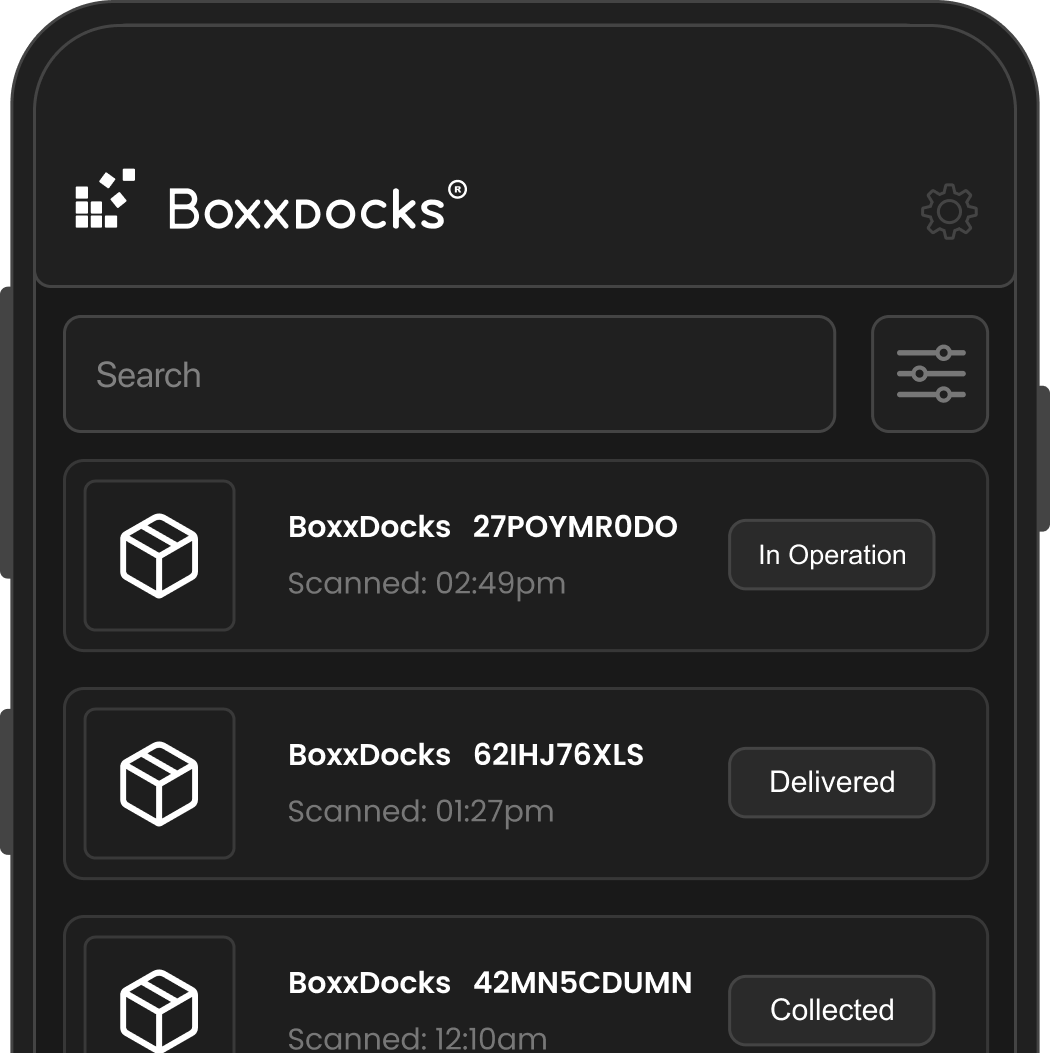
BoxxDocks AI Asset Tracking Platform
The Challenge
Asset tracking was manual, error-prone, and scattered across disconnected systems. The client had no centralized visibility into asset movement, no real-time location data, and no way to generate instant reports across multiple enterprise clients from a single platform.
Our Approach
We built BoxxDocks as an AI-enabled asset lifecycle platform using QR/NFC scanning, real-time dashboards, geolocation tracking, and a RAG-powered conversational engine that lets users query live operational data in plain English instead of navigating dashboards.
The Result
- Real-time inventory tracking across warehouses, transit, and delivery
- AI query engine for natural language insights
- LLM-powered reporting with anomaly detection
- Complete audit trail with location, timestamp, and status
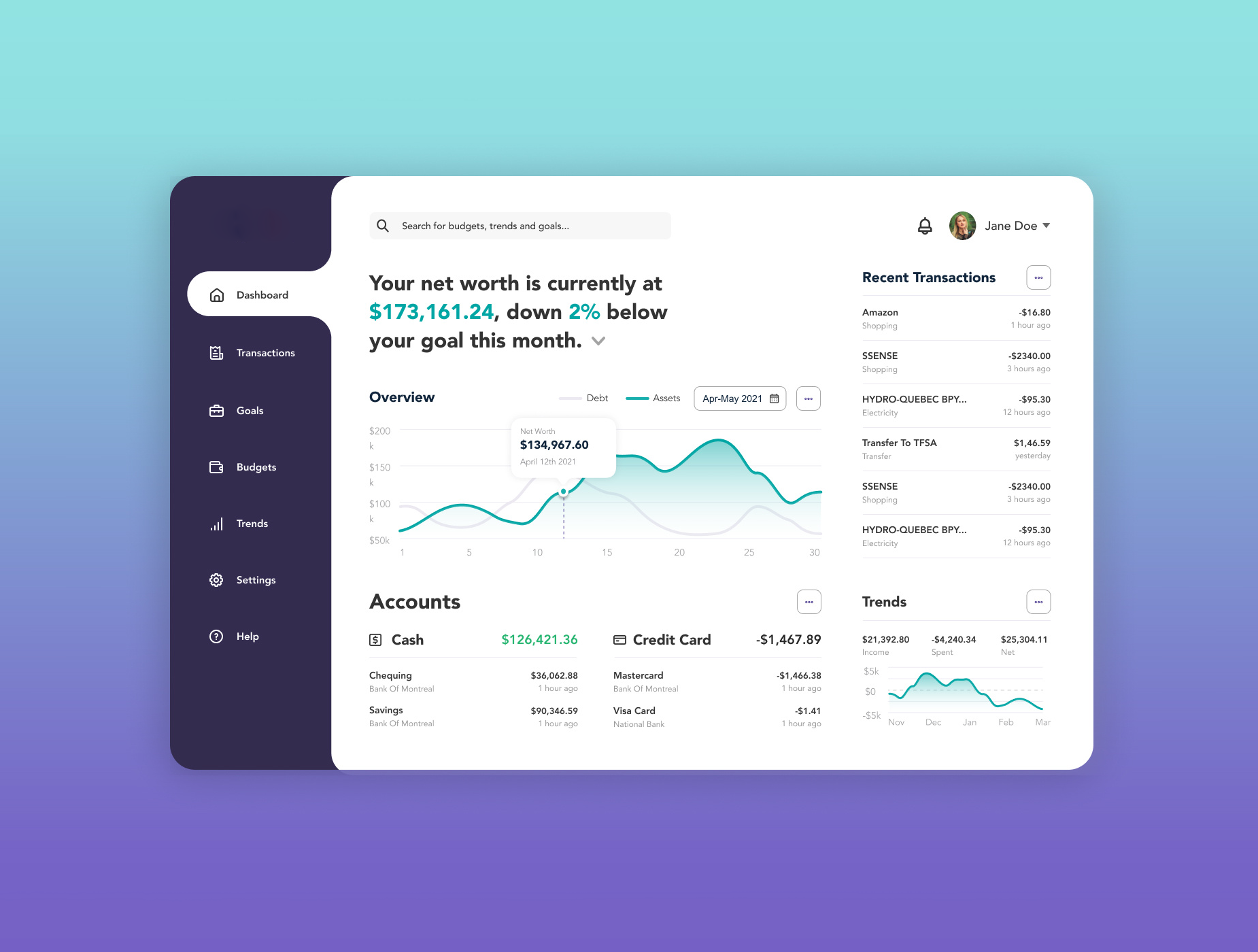
Parity AI AI Finance Platform
The Challenge
Personalized financial advice was expensive and limited to periodic meetings. Users had no way to consolidate banking, investments, debt, and insurance into one platform with real-time, AI-driven guidance.
Our Approach
We built Parity AI as an always-on financial wellness platform powered by AI. It securely pulls data from multiple sources, analyzes user behavior, forecasts outcomes, and delivers personalized recommendations — acting as a digital financial advisor, not a budgeting app.
The Result
- AI-powered financial planning across banking, investments, and debt
- Personalized recommendations based on life events and behavior
- Integrated financial education with actionable insights
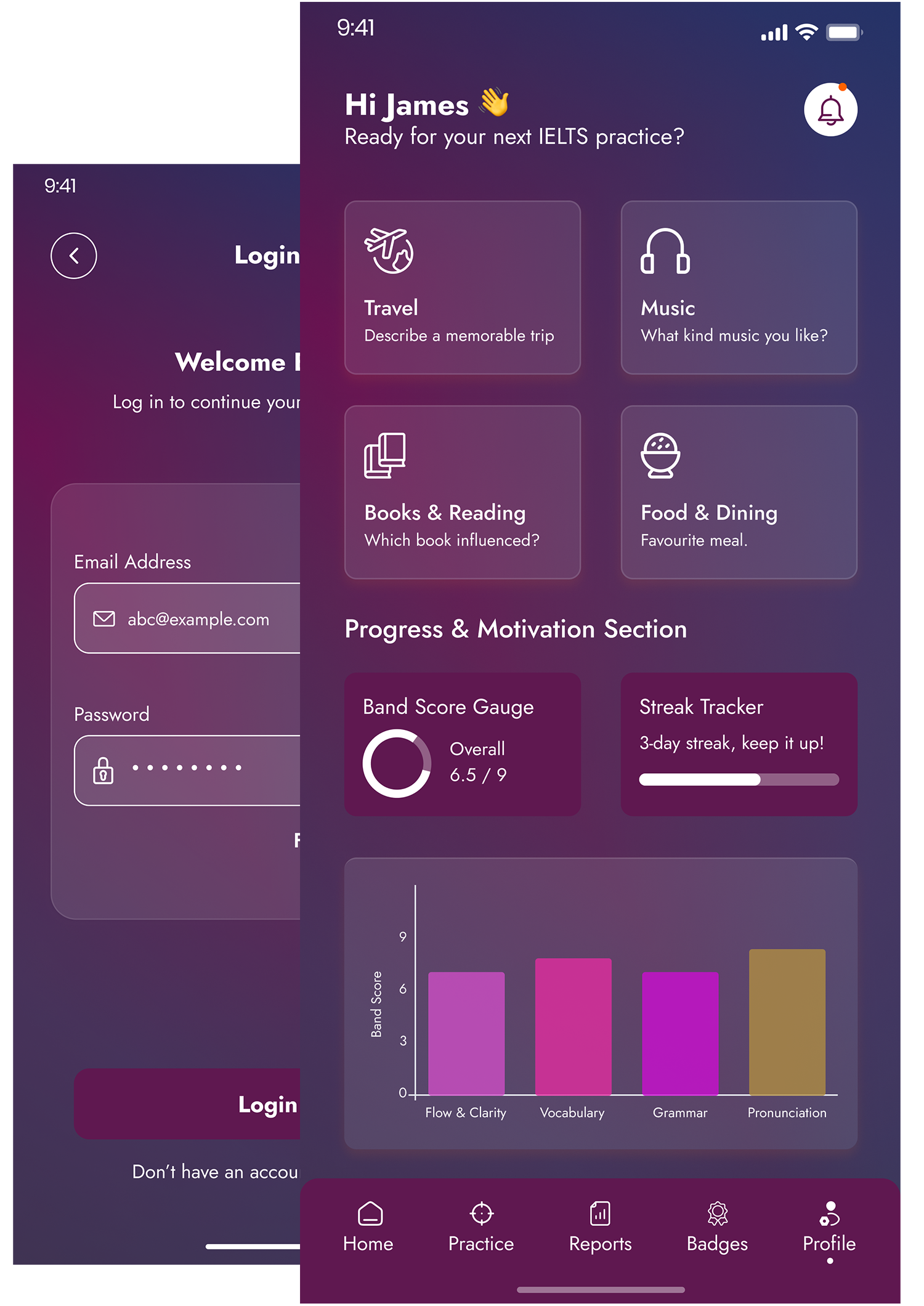
IELTS AI-Powered Speaking Evaluator
The Challenge
Human IELTS tutors cost $30-$80/hour with limited availability. Generic speaking apps lack authentic Part 1/2/3 exam structure, pronunciation feedback, and band-aligned scoring rubrics. Learners had no way to get unlimited, exam-authentic practice at scale.
Our Approach
We built a full-stack AI platform with a lifelike AI Avatar Examiner using LangGraph + Gemini conversation engine, Google Cloud TTS with viseme lip-sync, Faster-Whisper ASR, and a 6-layer IELTS evaluation pipeline scoring all 4 criteria with ±0.5-1.0 band accuracy.
The Result
- 1,000+ concurrent users with 2–3s response latency
- 10x lower cost than human examiners
- 6-service AI microservice with model preloading
- No-code admin panel for rapid content updates
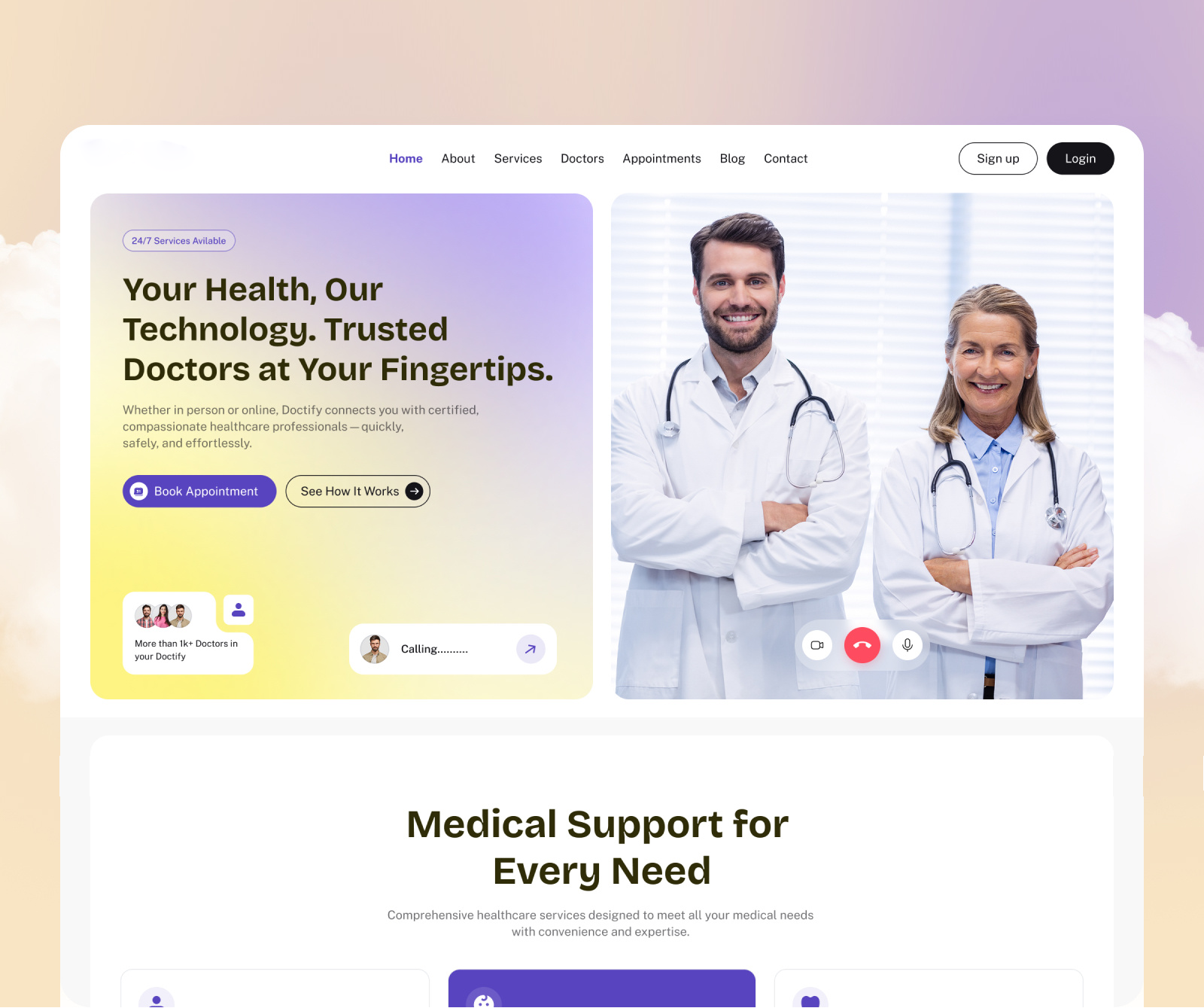
Health E Livin AI Wellness Platform
The Challenge
People struggling with mental health had no single platform to access trusted information, take confidential assessments, and find providers — all without stigma or privacy concerns.
Our Approach
We built HealtheLivin as an AI-powered mental wellness app with a conversational AI assistant, anonymous screenings, evidence-based resource library, and geolocation-based provider discovery — all on privacy-first cloud infrastructure.
The Result
- AI knowledgebase for natural language mental health support
- Confidential assessments with personalized wellness insights
- Location-based provider discovery for professional care
- Privacy-first architecture with encrypted data management
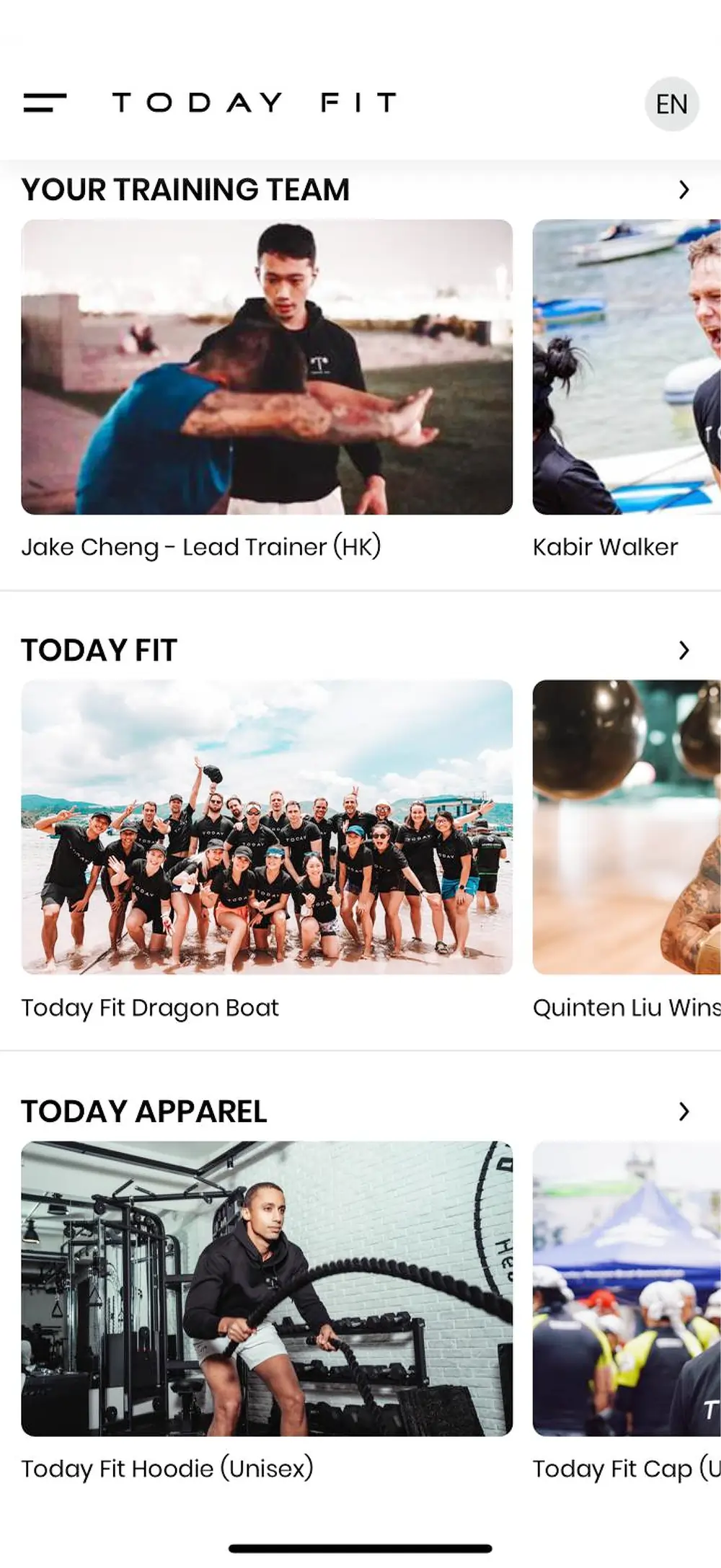
Today Fit Fitness App
The Challenge
Gyms, trainers, and users were stuck with disconnected tools for scheduling, payments, and fitness tracking. There was no single platform that combined personalized fitness with business management.
Our Approach
We developed TodayFit as an AI-driven fitness platform with trainer booking, personalized tracking, community features, and a SaaS layer for gym and trainer business management.
The Result
- 30% increase in user engagement
- 4.7+ average rating on the App Store and Play Store
- 60% growth in trainer bookings
- 45% increase in subscription conversions

SmartVend AI Smart Vending Platform
The Challenge
Managing a distributed vending machine network meant manual inventory tracking, disconnected payment systems, no remote management capability, and zero real-time visibility into machine health or sales performance across locations.
Our Approach
We built SmartVend as a cloud-connected IoT platform combining an Android kiosk app, centralized web portal, real-time inventory sync, hardware integration for payments and dispensing, and a digital advertising layer — all managed from a single dashboard.
The Result
- Real-time inventory sync with low-stock alerts
- Remote machine management across unlimited locations
- IoT integration for payments, dispensing, and monitoring
- Centralized sales analytics and revenue reporting
Hire NLP engineers that fit your project goals
Select a flexible engagement model aligned with your NLP use case, data requirements, and deployment roadmap.
Tech stack our NLP engineers use to build intelligent language solutions
Hire NLP engineers who work with modern NLP libraries, large language models, and retrieval tooling to build, deploy, and monitor language models that stay accurate, scalable, and reliable in production.
 Python
 PyTorch
 TensorFlow
 spaCy
spaCy Hugging Face Transformers
 NLTK
NLTK GPT
GPT Claude
  Llama
Llama Mistral
 Gemini
 BERT
BERT  SageMaker
  Azure AI
 Vertex AI
  Databricks
 Google Cloud
 LangChain
 LlamaIndex
 Pinecone
 Weaviate
 FAISS
FAISS Elasticsearch
 MLflow
 Docker
  Kubernetes
 LangSmith
 Arize AI
Strong Foundation in NLP Engineering
Our engineers bring expertise across language understanding, generation, embeddings, semantic processing, linguistic analysis, and multilingual NLP. This breadth enables them to address different language-processing requirements using appropriate techniques rather than relying on a limited set of predefined approaches. They apply this knowledge to develop NLP capabilities aligned with specific requirements.

Enterprise-Ready NLP Development
We build NLP capabilities with enterprise requirements in mind, including data handling, application integration, security, scalability, performance, and maintainability. Our engineers consider how NLP components will operate within your existing tech environment, business processes, and app architecture rather than treating language processing as an isolated component within the broader enterprise system.

Industry-Specific Expertise
Business language varies significantly across industries, making contextual understanding important for effective NLP implementation. Our engineers account for domain terminology, specialized vocabulary, contextual meaning, and organization-specific language requirements. This helps apps process industry-specific content accurately and align language capabilities with your specific requirements.

Integration With Existing Tech Stacks
NLP capabilities often need to work with search platforms, databases, APIs, business applications, analytics systems, and other enterprise infrastructure. Our engineers have the technical expertise to connect NLP functionality with these existing components and incorporate language processing into established app architectures without requiring unnecessary changes to the surrounding technology stack.

Data-Centric NLP Engineering
The quality and structure of language data directly affect NLP performance. Our engineers work with text preprocessing, normalization, linguistic preparation, representation, and data transformation to establish the foundation required for effective language processing. They account for structured, unstructured, inconsistent, and domain-specific data when preparing NLP workflows for enterprise applications.

Production-Focused Engineering Practices
We approach NLP development with production requirements from the outset. Our engineers account for performance, scalability, error handling, testing, monitoring, maintainability, and operational reliability throughout implementation. This approach helps organizations move NLP capabilities beyond demonstrations and incorporate language-processing functionality into apps that must perform consistently.
Xicom’s NLP engineer hiring process for faster, better technical talent selection
Our hiring process helps you identify NLP engineers whose technical expertise and experience align with your project requirements. From understanding your needs and reviewing suitable profiles to technical discussions, selection, and onboarding, each step is structured to support efficient hiring and a smooth transition into development.
1
Share Requirements
Share your NLP project scope, technical requirements, timelines, team structure, and expected outcomes with our hiring specialists for assessment.
2
Review Engineers
We shortlist NLP engineers based on their technical expertise, relevant experience, domain knowledge, and alignment with your project requirements.
3
Conduct Discussions
Interview shortlisted engineers to evaluate their NLP capabilities, problem-solving approach, communication skills, and suitability for your technical environment.
4
Select Engineers
Choose the engineers who best match your project needs, responsibilities, required expertise, availability, and preferred engagement model.
5
Begin Development
Complete onboarding and start development with defined responsibilities, communication processes, project milestones, technical objectives, and delivery timelines.
Engagement models for hiring our NLP engineers
Our flexible engagement models make it easier to access NLP expertise based on your project scope, team structure, and delivery requirements. Choose dedicated engineers, team extension, or project-based development to add specialized capabilities where they are needed most.

Hire NLP engineers who work exclusively on your project and become an extension of your internal team. They align with your workflows, technical environment, development standards, and project priorities while providing focused expertise across NLP development, model integration, language processing, testing, optimization, and ongoing improvements throughout the complete project lifecycle.
Add experienced NLP engineers to your existing development team to address skill gaps, accelerate delivery, or support specialized language-processing requirements. They collaborate directly with your technical teams, follow established processes, and contribute wherever additional NLP expertise is needed without requiring you to build and manage a dedicated internal team.
Engage NLP engineers for clearly defined projects with specific deliverables, timelines, and technical objectives. Our engineers handle the required NLP development activities based on your project scope, from solution design and data preparation through model development, integration, testing, and deployment, with progress aligned to your agreed project milestones and delivery goals.
Client testimonials and reviews showcasing the value we consistently deliver
Explore how our clients describe their journey with us, reflecting strong collaboration, effective execution, and consistent outcomes delivered across engagements. See how our delivery framework ensures consistency from initiation through to successful completion.
❝
Parity AI
We came to Xicom with an ambitious goal: make institutional-grade financial planning accessible to everyone through AI. Xicom went beyond the brief, blending conversational AI and predictive analytics into an effortless platform. Parity AI is exactly what we envisioned.

❝
RadioFX
Xicom took the time to understand what our stations and listeners actually need, building something tailored rather than generic. Live chat and polls are now core to how we connect with our audience — the app has become a true extension of our on-air presence.


❝
StudyBuddy
Xicom built exactly what our students needed: a secure space to connect, collaborate, and find tutoring support in one place. Their understanding of student behavior shows in how naturally everything fits together — StudyBuddy is something students genuinely rely on.

❝
BoxxDocks
Xicom helped us bring BoxxDocks to life exactly as we envisioned it. Their team understood the complexity of AI powered real-time asset tracking and delivered a platform that's both powerful and genuinely easy to use.


❝
TodayFit
We are very happy with their services. I cannot recommend them highly enough. The value, ability, and delivery that we have seen has been superb, and we look forward to continuing this relationship.


❝
SmartVend AI
Their team built SmartVend from the ground up, combining hardware integration, real-time inventory sync, and a centralized dashboard that completely changed how we operate. We couldn't have asked for a more capable technical partner.

❝
Tap Retail
Partnering with Xicom to develop our Tap Retail app and website was one of the best decisions we made. Their team demonstrated exceptional professionalism, technical expertise, and a deep understanding of our business goals.


❝
GoGmGo
Partnering with Xicom was a game-changer for us. They didn't just build software, they helped us redefine how we run our business. Their proactive support and deep domain knowledge gave us the confidence to innovate faster.

❝
DENVEN
Working with Xicom has been a transformative experience. Their team quickly understood our challenges and delivered a scalable, intuitive solution. I highly recommend Xicom to any organization seeking future-ready, high-performance digital products.

Top tech insights of our blog
Explore latest tech stories & News
✦ AI-First Company
Deep Insights into Emerging Technology and Innovation!
Stay ahead in the digital world with our latest insights covering AI trends, industry developments, and expert advice on building smarter businesses.
1800+
Projects
20+
Years Experience
Frequently Asked Questions
What does an NLP engineer do?
An NLP engineer builds software that understands, processes, and generates human language. This includes developing models for text classification, named entity recognition, sentiment analysis, document summarization, chatbots, and search, then deploying and maintaining those models in production so they stay accurate as your data changes.
Why should I hire NLP engineers from Xicom?
Xicom gives you access to NLP engineers with hands-on experience across classical NLP techniques, transformer models, and large language models. Since 2002, Xicom has delivered software and AI solutions for clients worldwide, and our engineers work within your processes, tools, and time zone to build language AI that fits your business goals.
What NLP services can I get when I hire NLP engineers?
You can hire NLP engineers for text classification, entity extraction, sentiment analysis, conversational AI and chatbots, document processing, semantic search, machine translation, speech-to-text integration, LLM fine-tuning, and retrieval-augmented generation (RAG) systems. Our engineers can also audit and improve existing NLP models.
What is the difference between an NLP engineer and an ML engineer?
An ML engineer works on machine learning models across many data types, such as numbers, images, and transactions. An NLP engineer specializes in language data, with deeper expertise in tokenization, text preprocessing, transformer architectures, language models, and evaluating model output for meaning and context.
Which industries do your NLP engineers work with?
Our NLP engineers build language AI solutions for healthcare, fintech, banking, insurance, ecommerce, retail, legal, logistics, real estate, and travel. Common use cases include clinical text extraction, contract analysis, customer sentiment tracking, claims document processing, and multilingual customer support automation.
How quickly can I hire NLP engineers from Xicom?
The hiring timeline depends on the skills and experience level you need. Once we understand your requirements, we share suitable NLP engineer profiles, you interview the shortlisted candidates, and the selected engineer is onboarded to your project.
How do you keep my data secure when NLP engineers work on my project?
Our NLP engineers follow strict data security practices, including signed NDAs, role-based access controls, and secure development environments. For sensitive text data, they can build solutions that use data anonymization, on-premise deployment, or private cloud hosting so your data stays within your control.
Every award marks a milestone in our journey of excellence
As AI-first digital engineering company, Xicom has earned global recognition for delivering innovative, scalable, and high-performing technology solutions. Our awards reflect the trust of clients and industry leaders alike.