×

- 20+ Years in Business
- 350+ IT Experts
- 750+ Enterprise Clients
- CMMi Level 3 Certified
- ISO 9001:2015
- Top 1% on TrustPilot
-
 4.8 on Clutch
Our valued Brands & Agencies
















Our AI product engineering services for smarter, scalable products
Our AI product engineering services help enterprises design, develop, integrate, and evolve products that use AI as part of broader application workflows. We combine product engineering, application development, data processing, AI capabilities, integrations, and deployment requirements to build solutions that are enterprise ready.

Product Discovery & Architecture
We define the product requirements, AI use cases, user workflows, technical dependencies, data requirements, and integration needs before development begins. This helps establish where AI can contribute to the product and where conventional application logic, business rules, or enterprise systems remain more appropriate. The resulting architecture provides a structured foundation for product development and expansion.

AI Product Development
We develop applications that incorporate AI capabilities into functional product experiences, combining intelligent features with interfaces, workflows, APIs, databases, authentication, and other application components. The focus remains on building complete product experiences rather than treating AI as an isolated capability, ensuring intelligent functions operate within the broader requirements of the application.

AI Feature Engineering
We engineer individual AI-powered features around defined product requirements, including intelligent search, recommendations, summarization, classification, content generation, extraction, conversational interactions, and decision support. Each feature is designed around its expected inputs, outputs, user interactions, performance requirements, and role within the wider product workflow.

Generative AI Product Development
We build products that incorporate GenAI capabilities for creating, summarizing, transforming, interpreting, and interacting with content. Applications can use generative AI for text, documents, conversational experiences, knowledge retrieval, and other defined product functions, with the implementation shaped around usability, response quality, integration requirements, and operational constraints.

AI-powered Knowledge Systems
We develop intelligent search and knowledge capabilities that allow products to retrieve and present relevant information from enterprise documents, databases, knowledge repositories, and other connected sources. These systems can combine search, retrieval, content processing, and AI-generated responses to make information easier to find and use within business applications and workflows.

Intelligent Workflow Engineering
We integrate AI into business workflows where applications need to interpret information, classify inputs, generate outputs, recommend actions, or route work based on defined conditions. AI capabilities can be connected with app logic and enterprise systems to support workflows such as document processing, content handling, operational reviews, and other repetitive information-driven activities.

AI API & System Integration
We integrate AI capabilities with existing applications, enterprise systems, databases, APIs, and external services. This enables AI-powered features to exchange information with the systems that support the broader product rather than operating as disconnected components. Integration is designed around data flows, authentication, system dependencies, response requirements, and the product's existing technology environment.

AI-powered Conversational Interfaces
We develop conversational interfaces that allow users to interact with products through natural language. These experiences can support question answering, information retrieval, task assistance, and other defined interactions. We design the underlying conversation flow, information access, app actions, and response handling around the product's intended users and operational requirements.

AI Product Testing & Validation
We evaluate AI-powered products across functional behavior, response quality, accuracy, reliability, performance, integration behavior, and relevant edge cases. Testing considers both the AI-enabled functionality and the surrounding application components, helping identify issues that may affect user experience, system behavior, or the reliability of product workflows under different operating conditions.

AI Product Modernization
We modernize existing products by introducing appropriate AI capabilities without unnecessarily replacing application components that continue to provide business value. This can involve adding intelligent features, connecting existing systems to AI services, improving information workflows, or restructuring selected product components while preserving relevant investments in established technology environments.

Customer Support Solutions
Our expertise in AI-powered customer support products helps enterprises build applications that interpret customer requests, retrieve relevant information, generate responses, and support defined service workflows. We integrate conversational capabilities with knowledge sources and enterprise systems to create more structured and responsive customer interactions.

Knowledge Management Solutions
Our expertise in AI knowledge management helps enterprises build products that organize, retrieve, interpret, and present information from distributed knowledge sources. These products can combine search, retrieval, document processing, and AI-generated responses to make enterprise information easier for users to access and work with.
Intelligent Operations Products
Our expertise in intelligent operations products helps organizations incorporate AI into applications that monitor information, identify defined conditions, support decisions, and automate repetitive operational workflows. These products connect AI capabilities with existing systems and operational processes to provide more useful information within everyday work.

AI Analytics Tools
Our expertise in AI analytics products helps enterprises build applications that combine business data with intelligent analysis, natural language interaction, summarization, pattern identification, and decision support. We engineer these capabilities around the available data, intended users, analytical requirements, and broader application workflows.

Internal Productivity Tools
Our expertise in AI productivity products helps enterprises build applications that support employees with information retrieval, document handling, summarization, knowledge access, content generation, and defined workflow assistance. These products are designed around specific internal processes and the systems employees already use.
Sales & Recommendation Solutions
Our expertise in AI sales and recommendation products helps enterprises incorporate intelligent suggestions, content discovery, product recommendations, and customer insights into applications. We engineer these capabilities around available data, user interactions, product requirements, integration requirements, scalability needs, and operational considerations.
We engineer purpose-built AI-Products that transform industries
We build AI products that match how your business actually operates — your workflows, your data, your compliance needs. As a trusted AI product engineering company, we design and develop industry-specific AI solutions that integrate directly with your existing tech stack.

Banking & Finance
Fraud Detection System, Credit Risk Scoring Engine, KYC Automation Platform, Robo-Advisory Product, Digital Lending Platform

Education
Adaptive Learning Platform, AI Tutoring Product, Student Engagement Tool, Plagiarism Detection Engine, Virtual Classroom Platform

Healthcare
Diagnostic Assistant Product, Patient Triage System, Clinical Documentation Tool, Symptom Checker Product, Telehealth AI Platform

Retail
Personalized Recommendation Engine, Demand Forecasting Product, Visual Search Tool, Inventory Optimization System, Customer Service Product

Logistics
Route Optimization Product, Predictive Maintenance System, Shipment Tracking Tool, Demand Planning Engine, Fleet Management Platform

Travel & Tourism
AI Trip Planning Product, Dynamic Pricing Engine, Chatbot Concierge Tool, Itinerary Personalization System, Booking Recommendation Product

Automotive
Predictive Maintenance Product, Driver Assistance System, Connected Vehicle Platform, Quality Inspection Tool, Fleet Analytics Product

Real Estate
Property Valuation Tool, Lead Scoring Engine, Virtual Tour Product, Document Automation Platform, Tenant Matching System

Entertainment
Content Recommendation Engine, Personalization Platform, Audience Analytics Tool, Churn Prediction Product, Content Moderation System

Manufacturing
Predictive Maintenance Product, Quality Inspection Tool, Production Scheduling System, Supply Chain Forecasting Platform, Defect Detection Product

Insurance
Claims Automation Platform, Underwriting Risk Engine, Fraud Detection Product, Policy Recommendation Tool, Customer Onboarding System

LET’S BUILD TOGETHER
We Engineer AI Products That Scale With Your Business.
Xicom designs and builds custom AI products that integrate with your existing infrastructure and hold up under real enterprise workloads, from prototype to production.
AI Solutions Engineered for Enterprise Scale
150+
AI Engineers & Data Scientists
300+
AI Solutions Delivered
ISO 9001 Certified
NASSCOM & STPI Accreditation
NASSCOM & STPI Accreditation
100+
AI Models in Production
30+
Industries Served
Generative AI
Our generative AI capabilities support product features that need to create, transform, summarize, interpret, or interact with content. We integrate generative AI into applications according to the requirements of the specific product, considering information sources, interaction patterns, response behavior, performance, and how generated outputs are incorporated into broader workflows.
Large Language Models (LLMs)
LLMs can support product capabilities involving natural language understanding and generation. We integrate LLM capabilities into applications for defined use cases such as conversational interaction, content processing, summarization, and information retrieval, selecting implementation approaches according to the product's requirements and operating environment.

Retrieval-augmented Generation (RAG)
RAG enables AI-powered apps to retrieve relevant information from connected knowledge sources before generating responses. We use retrieval-based approaches where product functionality depends on enterprise-specific information, helping connect AI interactions with knowledge repositories rather than relying only on general model knowledge.

Natural Language Processing (NLP)
NLP supports products that need to interpret, classify, extract, or generate information from human language. We apply NLP capabilities to use cases such as text classification, entity extraction, document understanding, sentiment analysis, summarization, and language-based interactions according to the requirements of the application.

Computer Vision
Computer vision capabilities allow products to interpret images, video, documents, objects, and physical environments. We integrate visual intelligence into applications where product functionality depends on image classification, object detection, OCR, visual inspection, document understanding, tracking, or other forms of visual analysis.

AI & Machine Learning
AI and machine learning capabilities support products that need to identify patterns, make predictions, classify information, automate decisions, or adapt to user and business requirements. We integrate AI and ML functionality into apps based on available data, workflows, performance requirements, and the specific intelligence required by the application.

AI APIs & Services
AI-powered products often depend on external or internal AI services exposed through APIs. We integrate these capabilities with application components while considering authentication, request and response handling, data transfer, error conditions, latency, usage requirements, and the dependencies introduced by connected AI services.

Cloud AI Infrastructure
AI products require infrastructure capable of supporting application workloads, data processing, AI services, storage, networking, monitoring, and deployment. We work across cloud environments to structure infrastructure around the product's application architecture, expected workloads, integration requirements, and operational needs.

Data Processing & Storage
AI-powered products depend on reliable ways to collect, process, transform, store, and retrieve information. Our data engineering capabilities support the movement of structured and unstructured information through product workflows, helping applications access the data required by their AI features and broader business functionality.

Speech & Voice AI
Speech and voice AI capabilities enable products to process spoken language and support natural voice-based interactions. We integrate speech recognition, voice processing, text-to-speech, speaker analysis, and conversational voice capabilities into applications according to product requirements, interaction patterns, data flows, and expected user experiences.
Case studies showcasing the value delivered to clients through our solutions
Explore how we partner with clients across industries to deliver tailored AI solutions that improve efficiency, enhance customer experiences, reduce costs, and drive long-term value.
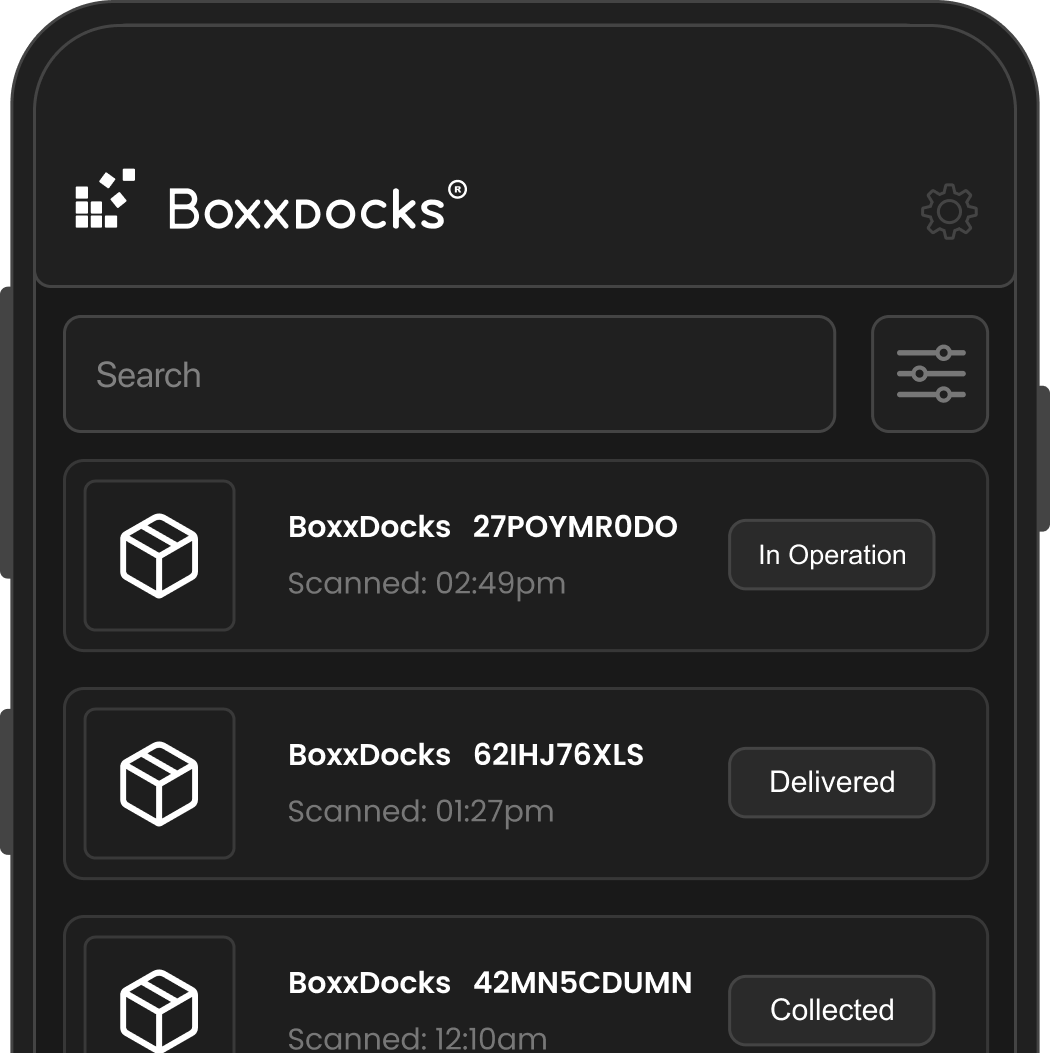
BoxxDocks AI Asset Tracking Platform
The Challenge
Asset tracking was manual, error-prone, and scattered across disconnected systems. The client had no centralized visibility into asset movement, no real-time location data, and no way to generate instant reports across multiple enterprise clients from a single platform.
Our Approach
We built BoxxDocks as an AI-enabled asset lifecycle platform using QR/NFC scanning, real-time dashboards, geolocation tracking, and a RAG-powered conversational engine that lets users query live operational data in plain English instead of navigating dashboards.
The Result
- Real-time inventory tracking across warehouses, transit, and delivery
- AI query engine for natural language insights
- LLM-powered reporting with anomaly detection
- Complete audit trail with location, timestamp, and status
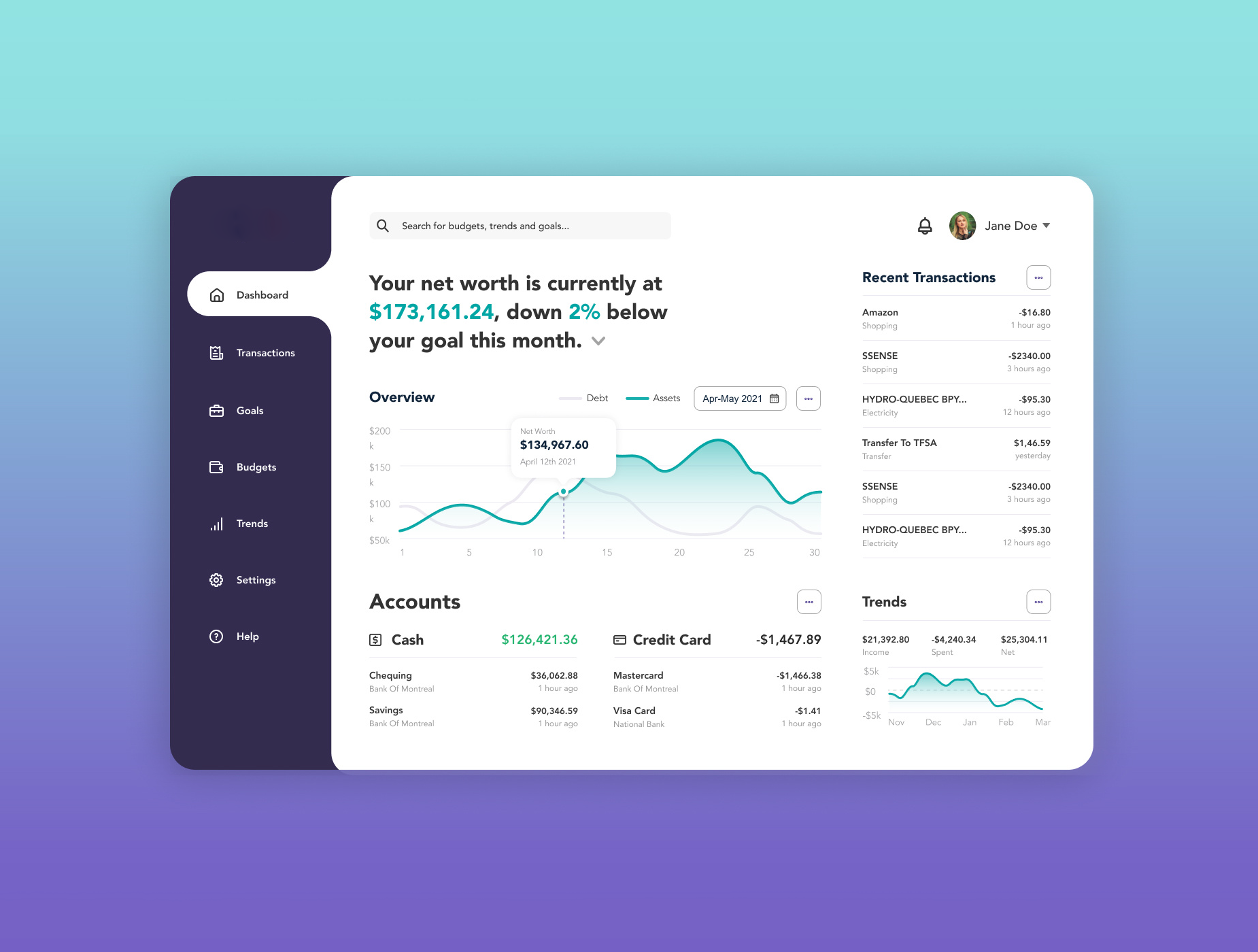
Parity AI AI Finance Platform
The Challenge
Personalized financial advice was expensive and limited to periodic meetings. Users had no way to consolidate banking, investments, debt, and insurance into one platform with real-time, AI-driven guidance.
Our Approach
We built Parity AI as an always-on financial wellness platform powered by AI. It securely pulls data from multiple sources, analyzes user behavior, forecasts outcomes, and delivers personalized recommendations — acting as a digital financial advisor, not a budgeting app.
The Result
- AI-powered financial planning across banking, investments, and debt
- Personalized recommendations based on life events and behavior
- Integrated financial education with actionable insights
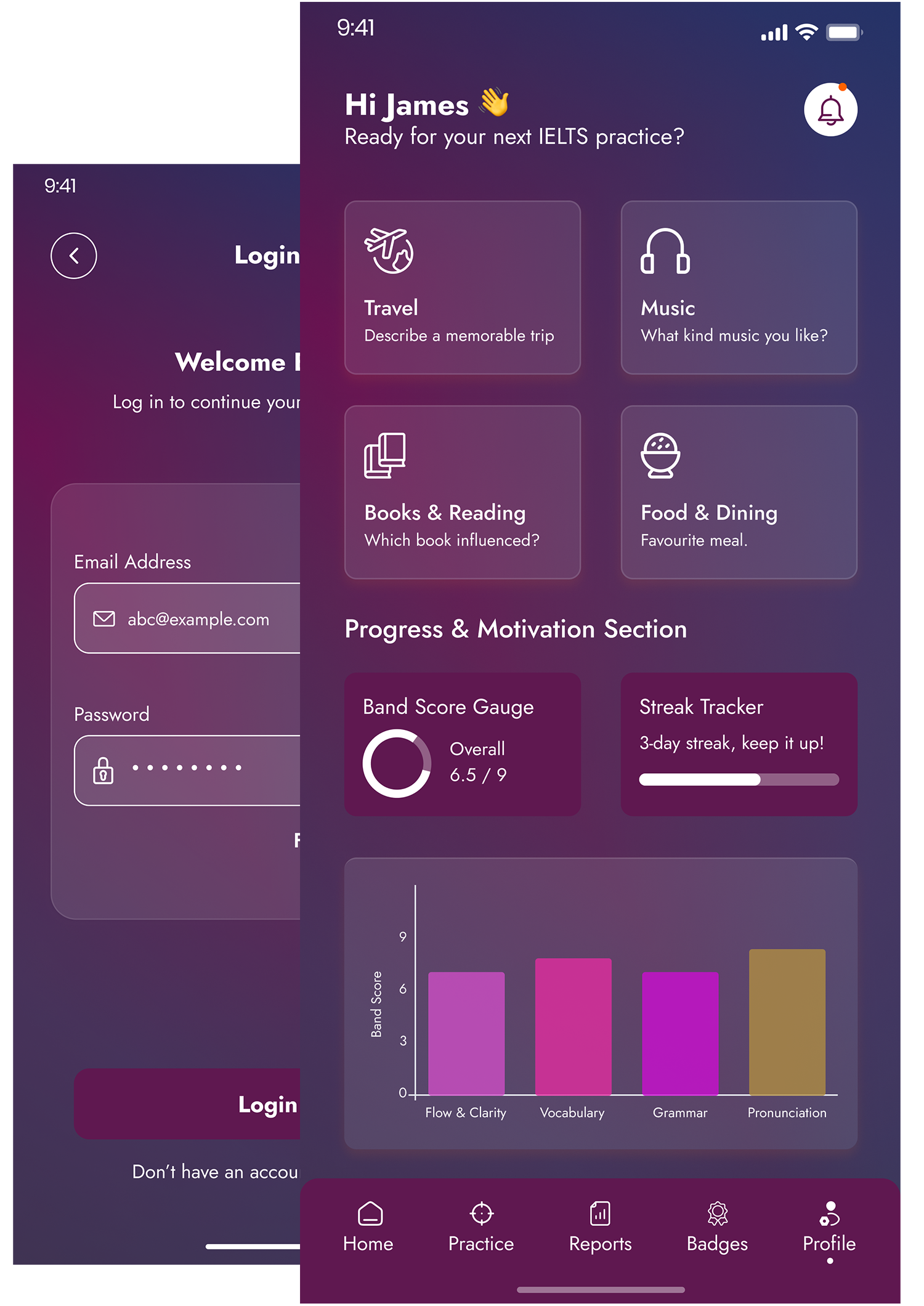
IELTS AI-Powered Speaking Evaluator
The Challenge
Human IELTS tutors cost $30-$80/hour with limited availability. Generic speaking apps lack authentic Part 1/2/3 exam structure, pronunciation feedback, and band-aligned scoring rubrics. Learners had no way to get unlimited, exam-authentic practice at scale.
Our Approach
We built a full-stack AI platform with a lifelike AI Avatar Examiner using LangGraph + Gemini conversation engine, Google Cloud TTS with viseme lip-sync, Faster-Whisper ASR, and a 6-layer IELTS evaluation pipeline scoring all 4 criteria with ±0.5-1.0 band accuracy.
The Result
- 1,000+ concurrent users with 2–3s response latency
- 10x lower cost than human examiners
- 6-service AI microservice with model preloading
- No-code admin panel for rapid content updates
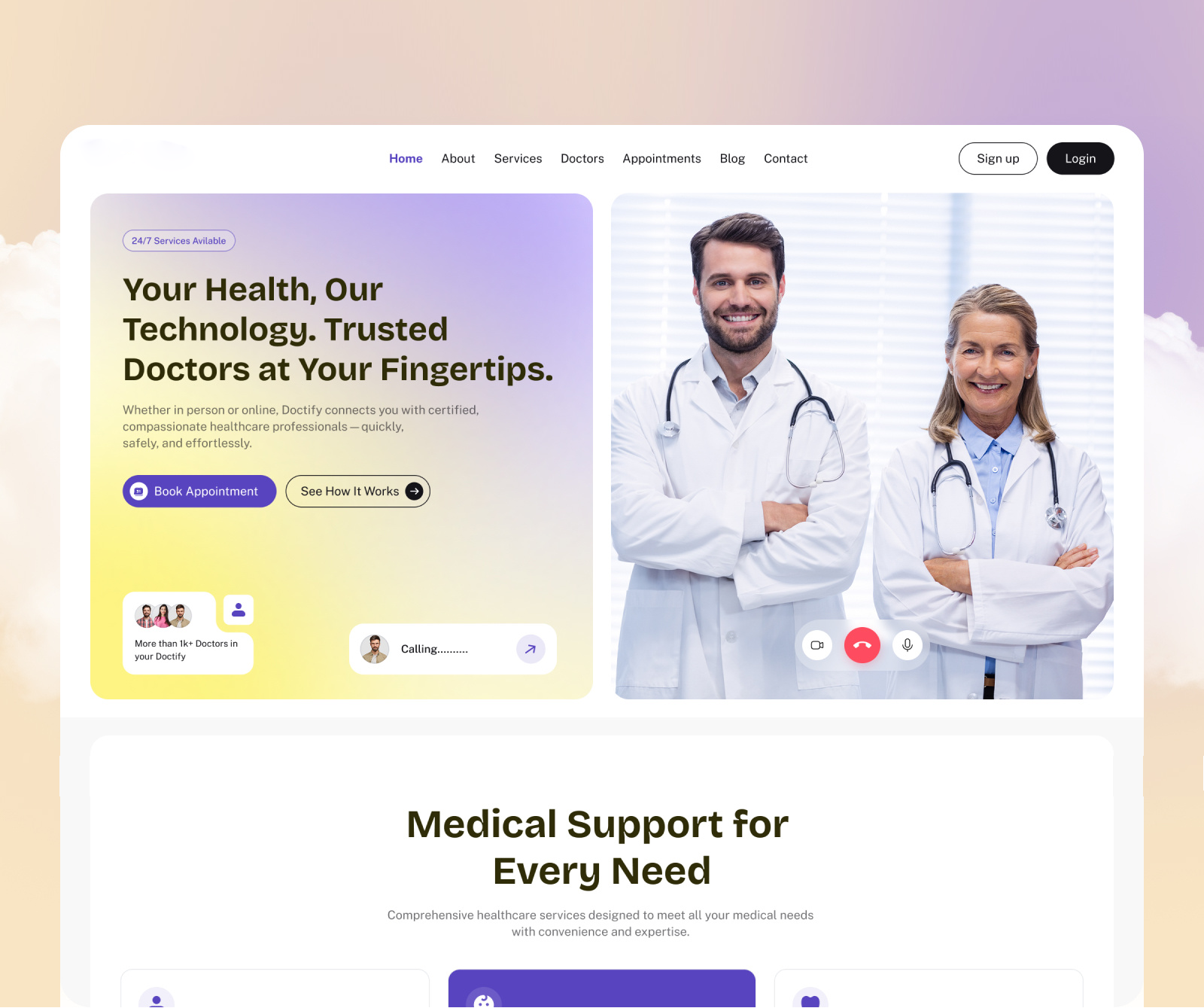
Health E Livin AI Wellness Platform
The Challenge
People struggling with mental health had no single platform to access trusted information, take confidential assessments, and find providers — all without stigma or privacy concerns.
Our Approach
We built HealtheLivin as an AI-powered mental wellness app with a conversational AI assistant, anonymous screenings, evidence-based resource library, and geolocation-based provider discovery — all on privacy-first cloud infrastructure.
The Result
- AI knowledgebase for natural language mental health support
- Confidential assessments with personalized wellness insights
- Location-based provider discovery for professional care
- Privacy-first architecture with encrypted data management
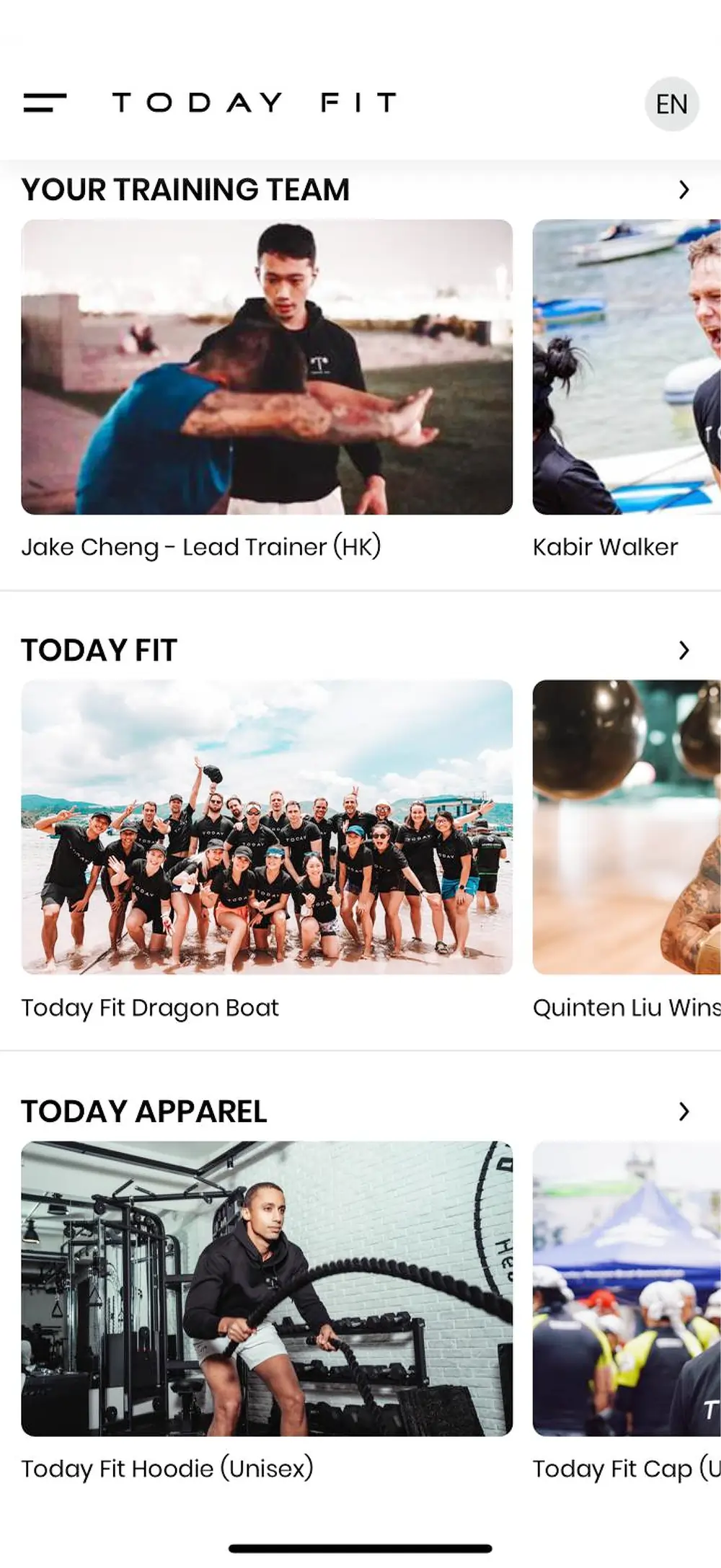
Today Fit Fitness App
The Challenge
Gyms, trainers, and users were stuck with disconnected tools for scheduling, payments, and fitness tracking. There was no single platform that combined personalized fitness with business management.
Our Approach
We developed TodayFit as an AI-driven fitness platform with trainer booking, personalized tracking, community features, and a SaaS layer for gym and trainer business management.
The Result
- 30% increase in user engagement
- 4.7+ average rating on the App Store and Play Store
- 60% growth in trainer bookings
- 45% increase in subscription conversions
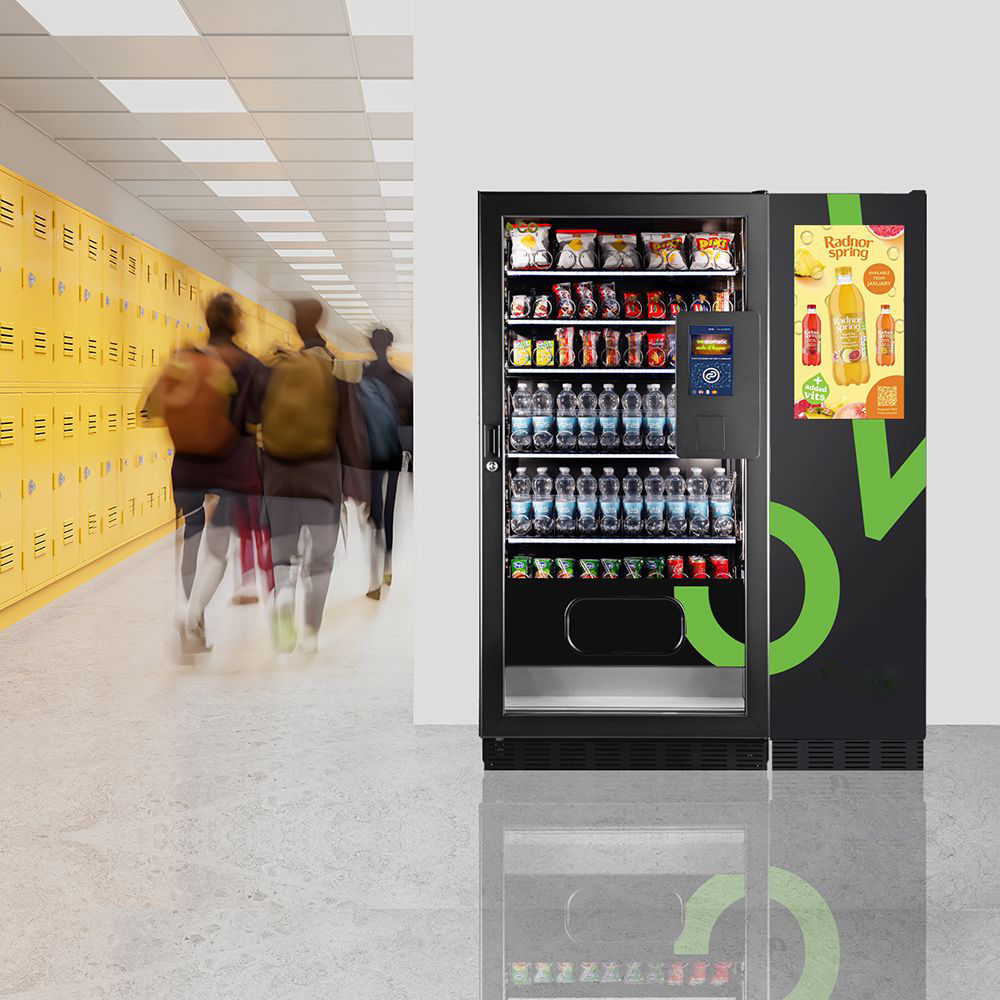
SmartVend AI Smart Vending Platform
The Challenge
Managing a distributed vending machine network meant manual inventory tracking, disconnected payment systems, no remote management capability, and zero real-time visibility into machine health or sales performance across locations.
Our Approach
We built SmartVend as a cloud-connected IoT platform combining an Android kiosk app, centralized web portal, real-time inventory sync, hardware integration for payments and dispensing, and a digital advertising layer — all managed from a single dashboard.
The Result
- Real-time inventory sync with low-stock alerts
- Remote machine management across unlimited locations
- IoT integration for payments, dispensing, and monitoring
- Centralized sales analytics and revenue reporting
AI model architectures built around your product's needs
Xicom's AI product engineering team focuses on selecting, fine-tuning, and deploying the right models for what your product actually requires, whether that's language, vision, audio, or multi-modal use cases. We work across open-source and proprietary model ecosystems, adapting each one for real-world performance, domain accuracy, and compliance.

GPT 5.6

Gemini 3

Whisper

Claude

Llama 3

Stable Diffusion

DALL-E

BERT

Gemma

RoBERTa

T5

Falcon

Vicuna

Bloom

PaLM-2

Mistral
Languages and frameworks that power enterprise-grade AI products
Building AI products that actually perform takes more than smart models you need a technology stack that runs reliably, scales on demand, and deploys without disruption. As an AI product engineering company, we handpick programming languages, ML frameworks, orchestration tools, and cloud platforms to turn your product idea into a system that works in production.
 Python
 R Programming
 Java
Java C++
C++ TypeScript
 TensorFlow
 PyTorch
 Scikit-learn
 Keras
Keras xgboost
 OpenAI GPT
 LangChain
 LlamaIndex
 Claude
 Hugging Face
 spaCy
spaCy NLTK
NLTK Gensim
 TextBlob
 Flair
Flair OpenCV
  YOLO
YOLO  Detectron2
 MediaPipe
  Ultralytics
 MLflow
 Docker
 Kubernetes
 Kubeflow
 Apache Airflow
 AWS
AWS Google Cloud Platform
 Microsoft Azure
 IBM Cloud
 Oracle Cloud
Product-centric AI Engineering
We approach AI as part of a complete product rather than as an isolated technical component. This means considering user journeys, application behavior, data flows, business rules, interfaces, integrations, and operational requirements alongside the AI functionality. The resulting product architecture is shaped around how the complete system needs to work.

AI & Application Integration
AI capabilities need to work reliably with the application components surrounding them. We engineer connections between AI functions, APIs, databases, enterprise applications, user interfaces, and business workflows, considering how information moves between components and how outputs are incorporated into actual product operations.
Data & Knowledge Integration
AI-powered products often depend on information distributed across documents, databases, applications, and other enterprise sources. We design data and knowledge flows that allow products to access relevant information, process it appropriately, and use it within defined AI features while accounting for data structure, availability, quality, and access requirements.

Performance Engineering
AI features can introduce processing requirements that differ from conventional application functionality. We evaluate response times, processing workloads, concurrency, resource requirements, and other relevant performance factors to ensure AI-enabled product experiences operate within the expectations of their intended applications and users.

AI Quality Evaluation
AI outputs can vary depending on inputs, context, data, and operating conditions. We establish evaluation approaches around the expected behavior of individual AI features and complete workflows, examining factors such as relevance, consistency, accuracy, response behavior, and application-level functionality to provide a clearer understanding of product performance.

Scalable Product Architecture
We design AI-powered products with consideration for changing workloads, growing data volumes, additional integrations, and evolving product capabilities. The architecture is structured around the product's expected operating environment so that AI functionality can expand without creating unnecessary dependencies or limiting the broader application.
Add Intelligent Capabilities
We integrate AI into products to introduce capabilities such as intelligent search, recommendations, conversational interaction, content generation, document understanding, and automated analysis. These capabilities can extend what a product can do while remaining connected to its existing workflows, interfaces, and application functionality.

Accelerate Product Development
We bring product discovery, architecture, application engineering, AI integration, testing, and deployment into a structured development process. This helps move AI-powered product concepts toward working functionality while addressing technical dependencies, integration requirements, and product considerations throughout the development lifecycle.

Improve Product Functionality
We engineer AI capabilities around specific product requirements to make applications more capable of interpreting information, supporting users, automating defined tasks, and responding to natural language. This allows products to handle broader use cases while maintaining the application logic and workflows surrounding these intelligent capabilities.
Modernize Existing Products
We introduce appropriate AI capabilities into existing products and applications without unnecessarily replacing technology that continues to provide value. This can involve adding intelligent features, connecting AI services, improving workflows, or enhancing selected product components while working within the existing technology environment.
Connect Products Across Systems
We integrate AI-powered product functionality with APIs, databases, enterprise applications, external services, and other connected systems. This enables intelligent features to access relevant information and participate in broader workflows, while considering data flows, authentication, and the technical requirements of the surrounding product environment.
Build Products That Scale
We design AI-powered products with consideration for growing users, data volumes, workloads, integrations, and functionality. The architecture accounts for evolving product requirements so new AI capabilities and connected services can be introduced seamlessly over time without unnecessarily limiting the performance, scalability, reliability, or broader structure of the product.
Our end-to-end AI product engineering process
We follow a structured AI product engineering process that moves from product discovery and architecture through application development, AI integration, testing, deployment, and refinement. Each stage considers the product's intended users, business requirements, technology environment, AI functionality, and operational expectations.
1
Discovery
We define product objectives, users, workflows, AI use cases, data requirements, integrations, constraints, and measurable requirements before engineering begins, ensuring clear direction.
2
Product Architecture
We establish application architecture, AI components, data flows, integration points, interfaces, infrastructure, and technology dependencies required for the intended product and scale.
3
Feature Engineering
We develop product functionality and integrate required AI capabilities with application logic, interfaces, data sources, APIs, and enterprise systems for cohesive experiences.
4
Testing & Validation
We evaluate functional behavior, AI output quality, integrations, performance, reliability, security, edge cases, and user workflows thoroughly before deployment and launch.
5
Deployment
Following validation, we deploy the product into its intended environment, integrate relevant systems, and monitor operational issues and performance changes after launch.
Our engagement models for AI product engineering services
We offer flexible engagement models for building AI products fixed-price for one scoped deployment, or pay-as-you-go while you figure out how much you actually need. Matched to your actual workflow, not a generic package.

Fixed Price Model
Best for well-defined AI product builds, this model ensures clear scope, budget predictability, and timely delivery without surprises.
- Upfront agreed cost and project scope
- Milestone-based progress tracking
- No hidden charges or overheads
- Reliable delivery timelines and outcomes
Most Popular

Dedicated Teams Model
Ideal for businesses seeking long-term AI product engineering, this model provides a dedicated team of AI engineers working exclusively on your product.
- Full control over team structure and workflows
- Highly scalable and cost-effective
- Direct communication with developers
- Increased focus and faster turnaround

Time & Material Model
Perfect for AI product projects with dynamic requirements, this model offers agility, cost control, and adaptability to continuous innovation.
- Flexible billing based on actual efforts
- Adjust resources and scope anytime
- Ideal for iterative and evolving projects
- Faster implementation and continuous optimization
Compliance we follow in AI product engineering
At Xicom, every AI product we engineer treats security, auditability, and regulatory alignment as core design requirements, not a final checklist. Our teams follow recognized global standards for data privacy, operational transparency, and responsible AI practices throughout the build. The result: a product that deploys cleanly across industries and jurisdictions, without compliance gaps surfacing after launch.











Client testimonials and reviews showcasing the value we consistently deliver
Explore how our clients describe their journey with us, reflecting strong collaboration, effective execution, and consistent outcomes delivered across engagements. See how our delivery framework ensures consistency from initiation through to successful completion.
❝
Parity AI
We came to Xicom with an ambitious goal: make institutional-grade financial planning accessible to everyone through AI. Xicom went beyond the brief, blending conversational AI and predictive analytics into an effortless platform. Parity AI is exactly what we envisioned.

❝
RadioFX
Xicom took the time to understand what our stations and listeners actually need, building something tailored rather than generic. Live chat and polls are now core to how we connect with our audience — the app has become a true extension of our on-air presence.


❝
StudyBuddy
Xicom built exactly what our students needed: a secure space to connect, collaborate, and find tutoring support in one place. Their understanding of student behavior shows in how naturally everything fits together — StudyBuddy is something students genuinely rely on.

❝
BoxxDocks
Xicom helped us bring BoxxDocks to life exactly as we envisioned it. Their team understood the complexity of AI powered real-time asset tracking and delivered a platform that's both powerful and genuinely easy to use.


❝
TodayFit
We are very happy with their services. I cannot recommend them highly enough. The value, ability, and delivery that we have seen has been superb, and we look forward to continuing this relationship.


❝
SmartVend AI
Their team built SmartVend from the ground up, combining hardware integration, real-time inventory sync, and a centralized dashboard that completely changed how we operate. We couldn't have asked for a more capable technical partner.

❝
Tap Retail
Partnering with Xicom to develop our Tap Retail app and website was one of the best decisions we made. Their team demonstrated exceptional professionalism, technical expertise, and a deep understanding of our business goals.


❝
GoGmGo
Partnering with Xicom was a game-changer for us. They didn't just build software, they helped us redefine how we run our business. Their proactive support and deep domain knowledge gave us the confidence to innovate faster.

❝
DENVEN
Working with Xicom has been a transformative experience. Their team quickly understood our challenges and delivered a scalable, intuitive solution. I highly recommend Xicom to any organization seeking future-ready, high-performance digital products.

Top tech insights of our blog
Explore latest tech stories & News
✦ AI-First Company
Deep Insights into Emerging Technology and Innovation!
Stay ahead in the digital world with our latest insights covering AI trends, industry developments, and expert advice on building smarter businesses.
1800+
Projects
20+
Years Experience
Frequently asked questions
1. How is AI product development different from traditional software development?
Traditional software runs on fixed, pre-programmed rules, while AI products learn from data and improve their own decision-making over time. At Xicom, our AI product engineering services combine data science, machine learning, and standard software engineering practices to build products that adapt as new data comes in, rather than requiring a rebuild every time requirements change.
2. Which industries benefit most from AI product engineering services?
Any industry that processes large volumes of data and needs faster, more accurate decisions benefits from AI product engineering. Xicom has delivered AI products across:
- Healthcare – diagnostic support, patient monitoring, predictive care
- Banking & Finance – fraud detection, credit risk scoring, algorithmic trading
- Retail & eCommerce – personalization, demand forecasting, inventory optimization
- Manufacturing – predictive maintenance, quality inspection, process automation.
- Logistics & Supply Chain – route optimization, demand planning
- Insurance – claims automation, underwriting risk assessment
- Education – adaptive learning, content recommendations, student analytics
3. What is the typical timeline for building an AI product?
A working AI prototype typically takes 6 to 10 weeks, while a full enterprise-grade AI product usually takes 4 to 6 months or longer, depending on data complexity and integration scope. Xicom uses agile sprints to ship functional features early and refine them through iterative testing rather than waiting for a single final release.
4. How much does it cost to build a custom AI product?
Custom AI product development typically costs between $40,000 and $250,000+, depending on model complexity, data volume, and system integrations required. As an AI product engineering company, Xicom provides a detailed cost estimate after a discovery phase where we review your business goals, existing data, and feature scope.
5. Do you provide support and maintenance after the AI product launches?
Yes, Xicom provides ongoing post-launch support including model performance monitoring, retraining on new data, drift correction, and compliance upkeep. This ensures your AI product continues performing accurately as your data, users, and business needs evolve.
6. What AI models and frameworks does Xicom work with?
Xicom builds with a mix of foundation models (GPT-4, Claude, Gemini, LLaMA), transformer-based models (BERT, T5), and open-source frameworks, selecting and fine-tuning each based on your product's specific use case, whether that's language, vision, audio, or multi-modal needs. We work with both proprietary and open-source model ecosystems rather than locking clients into a single vendor.
7. Can an existing software product be upgraded with AI capabilities?
Yes, most existing products can be enhanced with AI features without a full rebuild, provided the underlying data and architecture support it. Xicom's engineers assess your current system first, then integrate AI capabilities like recommendations, automation, or predictive analytics directly into your existing tech stack.
Every award marks a milestone in our journey of excellence
As AI-first digital engineering company, Xicom has earned global recognition for delivering innovative, scalable, and high-performing technology solutions. Our awards reflect the trust of clients and industry leaders alike.