×
Dating App Development Company
Build a dating app people trust, one that turns swipes into real conversations. We create custom iOS, Android, and web dating apps with smart matching, verified profiles, and video dates for clients in the USA and worldwide.
Plan Your Dating App
- 20+ Years in Business
- 350+ IT Experts
- 750+ Enterprise Clients
- CMMi Level 3 Certified
- ISO 9001:2015
- Top 1% on TrustPilot
-
 4.8 on Clutch
Our valued Brands & Agencies
















On a dating app, a weak login, a fake profile, or a slow response to a report is not just a bug. It becomes a safety incident or a bad review. Xicom builds privacy, verification, and moderation into the architecture and tests them before launch.
Our Core Business-Driven Capabilities
- Engaging Matches: Preference filters and ranking signals surface relevant profiles without repeating the same faces.
- Verified Profiles: Selfie, ID, and phone verification reduce scams and catfishing.
- Private Conversations: Encrypted chats and location fuzzing protect what users share.
- Fast Moderation: Automated filters and report queues help your team act on abuse quickly.
Compliance standards we build to align with

PCI DSS
v4.0.1

GDPR

CCPA

SOC 2

ISO 27001

NIST CSF
Cybersecurity Framework
OWASP MASVS
Mobile App Security

OAuth 2.0
Secure API Access
Dating app development services for every layer of your app
A successful dating app is a consumer app, a matching engine, a real-time messaging system, and a trust and safety operation at the same time. These are the dating app development services we deliver across that whole stack.

Custom Dating App Development
Generic dating scripts look like every other app in the store. As a custom dating app development company, we build iOS, Android, and web apps around your audience, matching style, and brand, with onboarding that gets users to a complete profile quickly. Native or cross-platform delivery is chosen around your budget, timeline, and feature needs.

Matching & Recommendation Engine
Matching quality decides whether users stay. We build swipe, prompt, and compatibility-based matching with distance, age, and preference filters, ranking based on activity and mutual interest, and controls that give new profiles fair exposure. With our AI development team, we can add learned recommendations that improve as users interact, with weights your team can tune.

In-App Chat, Voice & Video Calling
Conversations should stay inside your app until users choose otherwise. We build real-time chat with read receipts, typing indicators, photos, GIFs, and voice notes, plus voice and video calls through WebRTC or providers like Agora and Twilio. Users can video date before meeting in person, without exchanging phone numbers.

Profile Verification, Trust & Safety
Fake profiles and romance scams drive users away faster than any missing feature. We integrate selfie and ID verification, phone checks, image and text moderation, block and report flows, and behavior rules that flag mass messaging or requests to move off the app. Where biometric data is involved, we design consent and retention to match the privacy laws in your markets.

Subscriptions & Monetization
Most dating apps earn through premium features rather than ads. We build subscription tiers, boosts, super likes, read receipts, and passport-style location changes using Apple StoreKit and Google Play Billing, with web checkout where store rules allow. Paywall placement and pricing experiments are set up so you can test without new releases.

Admin Console & Moderation Tools
Your support and safety teams live in the back office. We build admin consoles with user search, report and appeal queues, ban and shadow-ban controls, verification review, subscription and refund tools, and growth analytics. Every moderator action is logged with who, what, and when, so decisions can be reviewed later.
Accelerating enterprise transformation through AI and digital engineering.
20+
Years in Business
350+
IT Professionals
ISO 9001 Certified
NASSCOM & STPI Accreditation
NASSCOM & STPI Accreditation
750+
Clients Worldwide
1800+
Projects Executed
Swipe & Match Apps
Location-based swipe apps rely on speed, a large active pool, and a smooth first message. We build fast card stacks, mutual-like matching, distance filters, conversation starters, and nudges for inactive matches. Ranking keeps the queue fresh so active users do not run out of profiles in smaller cities.

Relationship & Prompt-Based Apps
Apps built for serious relationships focus on depth over volume. We build prompt-based profiles, compatibility questions, likes on specific photos or answers, a limited number of daily picks, and feedback after dates. Matching weighs stated intent so people looking for the same thing find each other.
Matrimonial & Matchmaking Platforms
Matrimonial and matchmaking services need detailed profiles and higher trust. We build profiles with family, education, and community details, family-managed accounts, verified badges, photo privacy controls, paid memberships to unlock contact details, and tools for human matchmakers to manage clients.

Niche & Community Dating
Niche apps win by serving a specific group well, such as LGBTQ+ users, faith communities, seniors, professionals, or people who share a hobby. We build inclusive gender and orientation options, community-specific filters, and privacy settings that let users control who sees their profile, which matters more for some communities than others.

Video-First & Live Dating
Video profiles and short video dates help users judge chemistry before meeting. We build video profile recording, scheduled video dates, speed-dating sessions, and live events, with moderation and reporting available during calls. Apple does not allow Chatroulette-style random chat, so we design video around matched or opted-in users.

Events & Social Discovery
Some users prefer meeting in groups or at events rather than one-to-one swiping. We build event listings and ticketing, group chats, friend-finding modes, and check-ins at venues, giving users a lower-pressure way to meet. These features also work as an add-on to an existing dating or mobile app.
How we built a feature-rich dating app
FlirtFlex is a social networking dating app we built with features every dating app depends on: preference-based matchmaking, real-time chat, voice and video calls, verified profiles, and subscription-based monetization.

FlirtFlex Social Networking App
The Challenge
The client needed a creator platform with paid content, subscriptions, virtual gifts, and coin earnings, plus multilingual support, global video calls and chat, user verification, and a backend built to onboard thousands of users at once.
Our Approach
We built FlirtFlex in Flutter for Android and iOS, with a Node.js and MongoDB backend that handles peak loads and WebRTC for voice and video calls. OTP verification, encryption, a custom admin panel for moderation, and smart matchmaking based on preferences and behavior complete the app, which we delivered in four months.
The Result
- 20,000+ app downloads in the first month across Android and iOS
- 4.7+ average rating on both app stores
- 12,000+ messages exchanged daily, with 99.9% uptime since launch
- 35% increase in user retention within 30 days of release
Ready to launch a dating app people trust with their first hello?
Whether you are validating a niche community app or scaling a dating platform across new cities, we can turn your matching idea, features, and safety needs into a phased plan. Share your concept, and our dating app developers will come back with an architecture outline and next steps.
Dating app development technology stack we work with
Dating apps are judged on real-time speed: how fast profiles load, messages arrive, and calls connect. We favor proven mobile frameworks, low-latency messaging infrastructure, and managed cloud services, then add verification, moderation, and billing providers that fit your markets. The final stack depends on your features, regions, and team.
 Swift
 Kotlin
 Flutter
 React Native
 React
 TypeScript
 Node.js
 Go
 Python
 Java (Spring Boot)
WebSockets
GraphQL
 PostgreSQL
 MongoDB
 Redis
Elasticsearch
 Apache Kafka
PostGIS
WebRTC
Agora
 Twilio
Stream Chat
 Firebase Cloud Messaging
TensorFlow
PyTorch
Amazon Rekognition
Google Cloud Vision
Persona
Onfido
Apple StoreKit
Google Play Billing
RevenueCat
 Stripe
 AWS
 Microsoft Azure
 Google Cloud
 Docker
 Kubernetes
 Terraform
 Datadog
6 features
Member App
- Sign-up by phone, email, Apple, or Google
- Profiles with photos, prompts, and interests
- Swipe, daily picks, or search discovery
- Real-time chat with media and voice notes
- In-app voice and video calls
- Push alerts for matches and messages
6 features
Trust & Safety
- Selfie and optional ID verification
- Block, unmatch, and report in two taps
- Image and message filtering
- Scam and spam behavior detection
- Approximate location and incognito mode
- Date check-in and safety resources
6 features
Admin & Moderation
- User search and profile review
- Report, appeal, and ban queues
- Verification review tools
- Matching weight configuration
- Subscription, refund, and promo tools
- Data access and deletion requests
Our dating app development process, from idea to launch
Dating apps slip when the audience, matching model, and safety approach are decided late. Our process settles those first, so design and engineering build on fixed ground instead of moving requirements.
1
Concept & Audience
We define your audience, what makes the app different, the matching and revenue model, and launch markets. You receive a scoped feature list, an architecture outline, and a phased delivery plan.
2
UX & Flow Design
Designers prototype onboarding, profile creation, discovery, chat, and reporting flows, including empty states for users with no matches yet. Prototypes are tested with people from your target audience before development.
3
Build & Integrate
Engineers build the apps, matching engine, chat, and admin console in sprints, then connect verification, moderation, calling, and billing providers. Each sprint ends with working software in a staging environment you can review.
4
Safety & Testing
We run functional, load, and security tests, simulate spam and abuse scenarios, and check reporting response paths. App store review requirements for user-generated content are confirmed before submission.
5
Launch & Growth
We launch city by city or by community, monitor matches, reports, and retention, and tune ranking with real data. After launch, we ship updates, new features, and new markets as your user base grows.
-
01PlatformsLower effortOne cross-platform appHigher effortNative iOS and Android plus a web app
-
02MatchingLower effortFilters and mutual likesHigher effortML ranking and compatibility scoring
-
03CommunicationLower effortText chat with photosHigher effortVoice notes, video calls, and live events
-
04VerificationLower effortPhone and email checksHigher effortSelfie, ID, and liveness verification
-
05ModerationLower effortReport queue with manual reviewHigher effortAutomated image, text, and behavior detection
-
06MonetizationLower effortOne subscription tierHigher effortSeveral tiers, consumables, and web billing
-
07MarketsLower effortOne country and languageHigher effortMany languages and regional privacy rules
-
08After launchLower effortBug fixes and OS updatesHigher effortRound-the-clock monitoring, scaling, and new markets
TipStarting with an MVP in one city or one community keeps early spend down and helps you build a dense user pool before expanding. For broader benchmarks, read our dating app development cost guide.
WHY CHOOSE XICOM
Why choose Xicom as your dating app development company
A dating app wins on trust, match quality, and smooth conversations. Xicom combines 20+ years of software delivery with hands-on dating product experience, including FlirtFlex, to build apps that users feel safe on and keep coming back to.
Discuss Your Dating App
01
Smarter Matchmaking

We build matching logic around preferences, location, and in-app behavior, with AI recommendations that improve as users swipe, chat, and engage.
02
Safety and Verification
Photo and profile verification, block and report tools, and AI content moderation help keep fake profiles, scams, and abuse off your platform.
03
Privacy-First Data Handling
Encrypted chats, approximate location sharing, and consent controls protect sensitive user data. Our delivery processes are certified to ISO/IEC 27001 and SOC 2 Type II.
04
Real-Time Chat and Video
Instant messaging, voice and video calls, and push notifications are built on scalable infrastructure that stays fast during peak evening and weekend traffic.
05
Monetization That Users Accept
Subscriptions, boosts, super likes, and in-app purchases are set up through App Store and Google Play billing, balanced so free users still get real value.
06
Launch and Growth Support
We build to app store policies for dating apps, manage submission, and stay on after launch for updates and new features, backed by a 98% on-time delivery record.
Client testimonials and reviews showcasing the value we consistently deliver
Explore how our clients describe their journey with us, reflecting strong collaboration, effective execution, and consistent outcomes delivered across engagements. See how our delivery framework ensures consistency from initiation through to successful completion.
❝
Parity AI
We came to Xicom with an ambitious goal: make institutional-grade financial planning accessible to everyone through AI. Xicom went beyond the brief, blending conversational AI and predictive analytics into an effortless platform. Parity AI is exactly what we envisioned.

❝
RadioFX
Xicom took the time to understand what our stations and listeners actually need, building something tailored rather than generic. Live chat and polls are now core to how we connect with our audience — the app has become a true extension of our on-air presence.


❝
StudyBuddy
Xicom built exactly what our students needed: a secure space to connect, collaborate, and find tutoring support in one place. Their understanding of student behavior shows in how naturally everything fits together — StudyBuddy is something students genuinely rely on.

❝
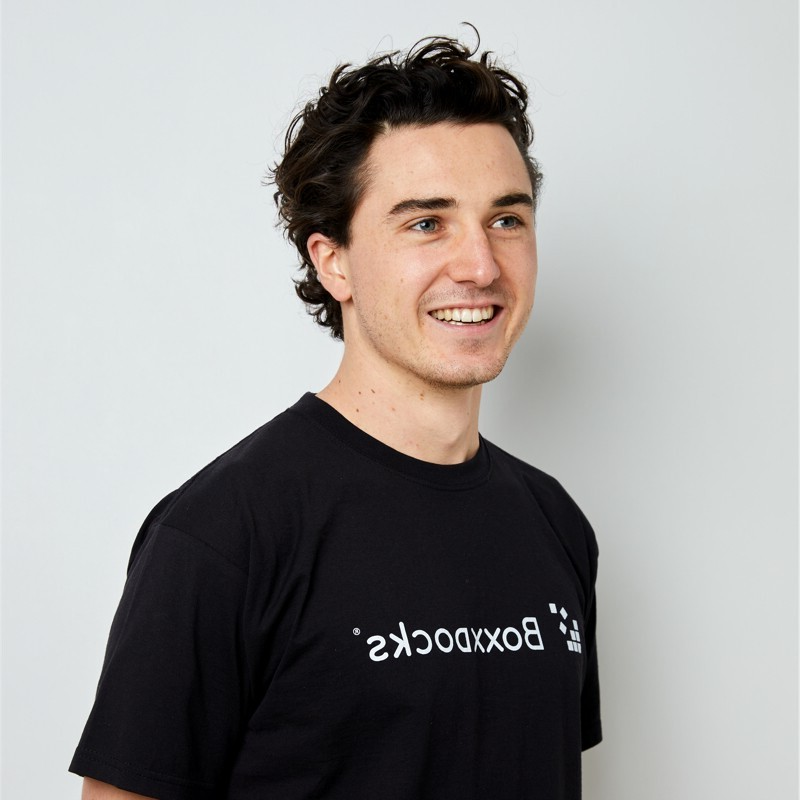
BoxxDocks
Xicom helped us bring BoxxDocks to life exactly as we envisioned it. Their team understood the complexity of AI powered real-time asset tracking and delivered a platform that's both powerful and genuinely easy to use.
❝
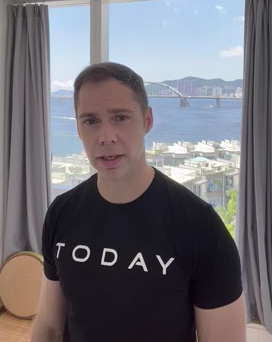
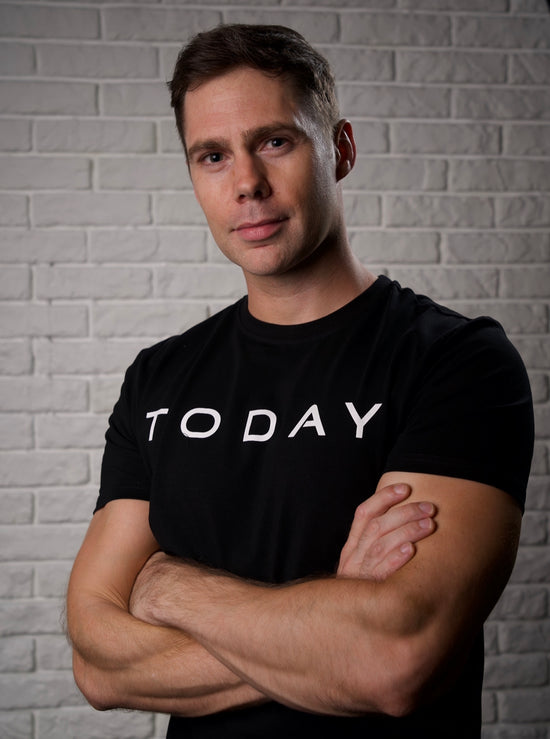
TodayFit
We are very happy with their services. I cannot recommend them highly enough. The value, ability, and delivery that we have seen has been superb, and we look forward to continuing this relationship.
❝
SmartVend AI
Their team built SmartVend from the ground up, combining hardware integration, real-time inventory sync, and a centralized dashboard that completely changed how we operate. We couldn't have asked for a more capable technical partner.

❝
Tap Retail
Partnering with Xicom to develop our Tap Retail app and website was one of the best decisions we made. Their team demonstrated exceptional professionalism, technical expertise, and a deep understanding of our business goals.


❝
GoGmGo
Partnering with Xicom was a game-changer for us. They didn't just build software, they helped us redefine how we run our business. Their proactive support and deep domain knowledge gave us the confidence to innovate faster.

❝
DENVEN
Working with Xicom has been a transformative experience. Their team quickly understood our challenges and delivered a scalable, intuitive solution. I highly recommend Xicom to any organization seeking future-ready, high-performance digital products.

Top tech insights of our blog
Explore latest tech stories & News
✦ AI-First Company
Deep Insights into Emerging Technology and Innovation!
Stay ahead in the digital world with our latest insights covering AI trends, industry developments, and expert advice on building smarter businesses.
1800+
Projects
20+
Years Experience
Frequently Asked Questions
What does a dating app development company do?
A dating app development company designs and builds the full dating product: the iOS and Android apps, profiles and onboarding, the matching engine, chat and video, subscriptions, and the admin console used for moderation and support. Xicom also helps you define your audience and matching model, prepare for app store review, and run the app after launch.
How much does it cost to build a dating app?
Cost depends on the number of platforms, how advanced the matching is, whether you need voice and video calling, how much verification and moderation you automate, and how many markets you launch in. A single-platform MVP with swipe matching and chat costs far less than a multi-platform app with video, AI matching, and live moderation. We share a written estimate after a short scoping phase.
How long does dating app development take?
An MVP with onboarding, profiles, matching, and chat usually takes a few months. Apps with video calling, AI recommendations, verification, and several subscription tiers take longer. App store review, moderation setup, and seeding enough users in your launch city also affect the go-live date, so we plan them from the start.
Can you build a dating app like Tinder, Bumble, or Hinge?
Yes, we can build the same core mechanics, such as swipe matching, women-first messaging, or prompt-based profiles. Copying an existing app is rarely enough, though. Apple states it will not accept new dating apps unless they offer a meaningfully different or improved experience, so we help you define what makes your app different before we build it.
How does a dating app matching algorithm work?
Most matching engines combine hard filters such as distance, age range, and preferences with ranking signals such as profile completeness, activity, mutual interest, and past likes. Machine learning models can then personalize who appears in each user's queue. We design the ranking so it is fair to new users, avoids showing the same profiles repeatedly, and can be tuned without a new app release.
How do you keep dating app users safe?
We build photo and ID verification, block and report tools, filtering for abusive messages and images, rate limits that slow down scammers, and a moderation queue with clear response workflows. Apple requires apps with user-generated content to filter objectionable material, let users report and block, and publish contact details, so these tools are part of every build.
How do dating apps make money?
Common models are freemium with paid subscription tiers, one-time purchases such as boosts or super likes, paid memberships for curated or matchmaking services, and advertising. Digital upgrades sold inside iOS and Android apps generally go through Apple and Google in-app purchase systems, with store rules that vary by region, so we plan pricing and billing around them.
Should I build a custom dating app or use a white-label solution?
White-label dating scripts launch fast but look and work like many other apps, which makes app store approval and user growth harder. Custom dating app development costs more upfront and lets you own the matching logic, the user data, and the features that set you apart. Some founders validate with a lean MVP first, then invest in a custom matching engine once retention is proven.
Which engagement models does Xicom offer for dating app projects?
We offer Fixed Price for well-defined MVPs, Time and Material for evolving scopes, and Dedicated Team for long-term product development. We work with clients in the USA and across 50+ countries.
Do you provide support after the dating app goes live?
Yes. After launch we monitor uptime, crashes, and chat performance, release OS and security updates, tune matching based on real usage, and add features as your roadmap grows. We also help with app store policy changes and moderation tooling as your user base expands.
Every award marks a milestone in our journey of excellence
As an AI-first digital engineering company, Xicom has earned global recognition for delivering innovative, scalable, and high-performing technology solutions. Our awards reflect the trust of clients and industry leaders alike.