×
Our valued Brands & Agencies
















Machine learning consulting services machine learning enterprise AI transformation
Our ML consulting services help enterprises identify practical opportunities, assess readiness, define strategies, and plan implementation. We align machine learning initiatives with business objectives, data capabilities, technical environments, operational requirements, and long-term priorities to support informed investment decisions.

Machine Learning Strategy Consulting
We help enterprises define where and how machine learning can create measurable business value. Our consulting covers business objectives, data availability, technical requirements, model opportunities, and implementation priorities. We establish a practical ML strategy that aligns investment with organizational capabilities, operational requirements, and longer-term technology goals.
ML Readiness Assessment
We assess your organization’s readiness to adopt machine learning across data, infrastructure, technology, processes, and teams. The assessment identifies capability gaps that could affect ML initiatives, from data quality and accessibility to deployment and operational requirements. We then outline the improvements needed to support successful implementation across business functions and operational environments.

ML Use Case Strategy
We identify and evaluate machine learning opportunities across business functions based on their potential value, feasibility, data requirements, and implementation complexity. Our approach helps prioritize use cases that align with business objectives and available capabilities, while establishing a clear path from initial experimentation to practical enterprise adoption.

Machine Learning Development
We develop machine learning models tailored to specific business requirements, datasets, and operational environments. Our work covers data preparation, feature engineering, model development, training, validation, and performance evaluation. We focus on building models that can address defined business problems and integrate effectively with the systems that support them.

Predictive Analytics Consulting
We help enterprises apply predictive analytics to identify patterns, estimate future outcomes, and support better operational decisions. Our consulting considers business objectives, historical data, analytical methods, and model requirements to define appropriate approaches. We help translate predictive capabilities into practical applications across functions such as sales, finance, and customer management.

ML Data Engineering
We design and implement data pipelines that prepare enterprise data for ML workloads. Our work covers data ingestion, transformation, integration, quality management, feature preparation, and pipeline orchestration. We establish data flows that provide models with consistent, usable, and appropriately structured data throughout development and production across diverse enterprise data environments.

MLOps Consulting
We help enterprises establish the processes and infrastructure required to develop, deploy, monitor, and maintain machine learning models in production. Our MLOps consulting covers model lifecycle management, automation, versioning, deployment workflows, monitoring, and retraining. We align these practices with the organization’s existing engineering and operational environment.
Model Optimization
We improve machine learning models to address performance, accuracy, latency, scalability, and resource requirements. Our approach evaluates model behavior, data, features, training processes, and inference conditions to identify improvement opportunities. We apply appropriate optimization techniques while maintaining the performance characteristics required by the target business application.
ML Integration and Deployment
We integrate machine learning models with applications, data platforms, APIs, and enterprise workflows, then establish the deployment architecture required for production use. Our work addresses model serving, infrastructure, interfaces, monitoring, and operational dependencies to ensure ML capabilities can function reliably within existing enterprise environments across existing enterprise technology environments.
ML Governance and Risk Management
We establish governance practices for managing machine learning models across their lifecycle. Our approach addresses model documentation, access controls, monitoring, validation, risk assessment, compliance requirements, and accountability. We help enterprises introduce appropriate controls for responsible ML adoption while maintaining the operational flexibility required to develop and deploy models.

ML Strategy
We define a practical machine learning strategy based on business objectives, organizational priorities, data capabilities, and technical requirements. The strategy outlines suitable ML opportunities, recommended approaches, required capabilities, and key considerations for adoption. It provides decision-makers with a structured direction for evaluating investments and progressing toward implementation.

Readiness Report
We assess the organization’s readiness for machine learning across data, infrastructure, technology, processes, skills, and operational capabilities. The resulting report documents current strengths, capability gaps, dependencies, and areas requiring attention. It provides a clear view of existing readiness and the improvements needed to support planned ML initiatives.

Use Case Portfolio
We develop a prioritized portfolio of machine learning use cases based on business value, feasibility, data availability, implementation complexity, and expected impact. Each opportunity is evaluated against relevant organizational considerations, helping decision-makers understand which initiatives warrant further investigation and how they align with broader business and strategic priorities.

Architecture Recommendations
We provide architecture recommendations covering ML infrastructure, data flows, integration points, processing requirements, deployment considerations, and supporting technologies. Our recommendations reflect existing enterprise environments and planned ML requirements, helping organizations understand architectural changes, dependencies, and tech considerations for establishing an appropriate ML foundation.

Implementation Roadmap
We develop structured implementation roadmaps that translate ML priorities into actionable initiatives. The roadmap defines key phases, dependencies, resources, timelines, technical requirements, and milestones required to progress from strategy toward adoption. It gives stakeholders a practical reference for sequencing initiatives and coordinating the organizational and technical work involved.

Governance Framework
We define governance recommendations for managing ML initiatives across their lifecycle. The framework addresses accountability, access controls, documentation, validation, monitoring, risk management, compliance considerations, and oversight requirements. It helps organizations establish appropriate controls for ML adoption while providing clear guidance for managing operational, and governance responsibilities.
Accelerating enterprise transformation through AI and digital engineering.
20+
Years in Business
350+
IT Professionals
ISO 9001 Certified
NASSCOM & STPI Accreditation
NASSCOM & STPI Accreditation
750+
Clients Worldwide
1800+
Projects Executed
Machine learning solutions we help deliver across industries
We build custom ML solutions for your industry that turn your business data into faster decisions, lower costs, and measurable growth.

Automotive

Real Estate

Entertainment

Retail & Ecommerce

Healthcare

Transportation

Manufacturing

Travel & Tourism

Professional Services

Software Vendors

Banking & Finance

Education

Reinforcement Learning (RL)
We apply RL to problems where models learn from feedback and improve decisions through repeated interaction. Our expertise covers reward-based learning, policy optimization, environment-driven training, and decision modeling for use cases involving sequential decisions, adaptive behavior, dynamic conditions, and changing operational requirements across enterprise environments and applications.

Deep Learning
We use deep learning for complex problems involving large volumes of structured and unstructured data. Our expertise covers neural network architectures, model training, representation learning, optimization, and inference for applications requiring advanced pattern recognition, classification, prediction, or processing of complex enterprise data across business functions and operational environments.

Transfer Learning
We apply transfer learning to adapt existing trained models to specific enterprise requirements, reducing training effort where appropriate. Our expertise covers model selection, domain adaptation, fine-tuning, validation, and performance evaluation to determine whether transferred knowledge can effectively support the target application, dataset, business context, and operational requirements.

Federated Learning
We apply federated learning where models need to learn from distributed datasets without requiring centralized access to underlying data. Our expertise covers distributed training, local model updates, aggregation strategies, communication processes, and privacy-aware architectures for organizations managing data across multiple locations, systems, business units, or operational environments.

Graph Machine Learning
We use graph machine learning to analyze relationships between entities, events, transactions, and interactions that conventional data representations may not capture effectively. Our expertise covers graph representation, node and edge analysis, graph embeddings, relationship modeling, and predictive approaches for connected enterprise data and relationship-driven business use cases.

Ensemble Learning
We combine multiple machine learning models where doing so can improve predictive performance, stability, or generalization. Our expertise includes bagging, boosting, stacking, and model combination approaches, with model selection based on dataset characteristics, business requirements, performance objectives, and the operational conditions under which the resulting models will function.

Self-Supervised Learning
We use self-supervised learning to derive useful representations from large volumes of unlabeled data. Our expertise covers learning objectives, representation development, pretraining, and downstream adaptation, helping organizations reduce dependence on manually labeled datasets where appropriate and support ML applications involving large, complex, or continuously growing enterprise datasets.

Automated Machine Learning (AutoML)
We apply AutoML techniques to automate selected stages of ML development, including feature processing, model selection, hyperparameter optimization, and experimentation. Our expertise helps accelerate model development while maintaining appropriate validation and evaluation practices, enabling teams to explore suitable approaches efficiently without compromising requirements for performance, or reliability.
Explainable AI (XAI)
We apply explainability techniques where enterprises need greater visibility into how machine learning models produce their outputs. Our expertise covers feature importance, prediction explanations, model interpretation, and explainability evaluation, helping technical and business teams understand model behavior and supporting informed decisions around validation, governance, accountability, and operational use.
Edge Machine Learning
We develop machine learning approaches for environments where inference needs to occur closer to the source of data. Our expertise covers model optimization, resource constraints, inference performance, connectivity considerations, and deployment requirements for devices and edge environments, supporting applications that require responsive processing, reduced data transfer, or localized ML capabilities.
Case studies of how our clients have gained competitive advantage.
At Xicom, we empower your business with cutting-edge machine-learning solutions that drive innovation and efficiency. Our comprehensive ML implementation approach reflects in our case studies how AI-driven strategies helped them achieve long-term growth.
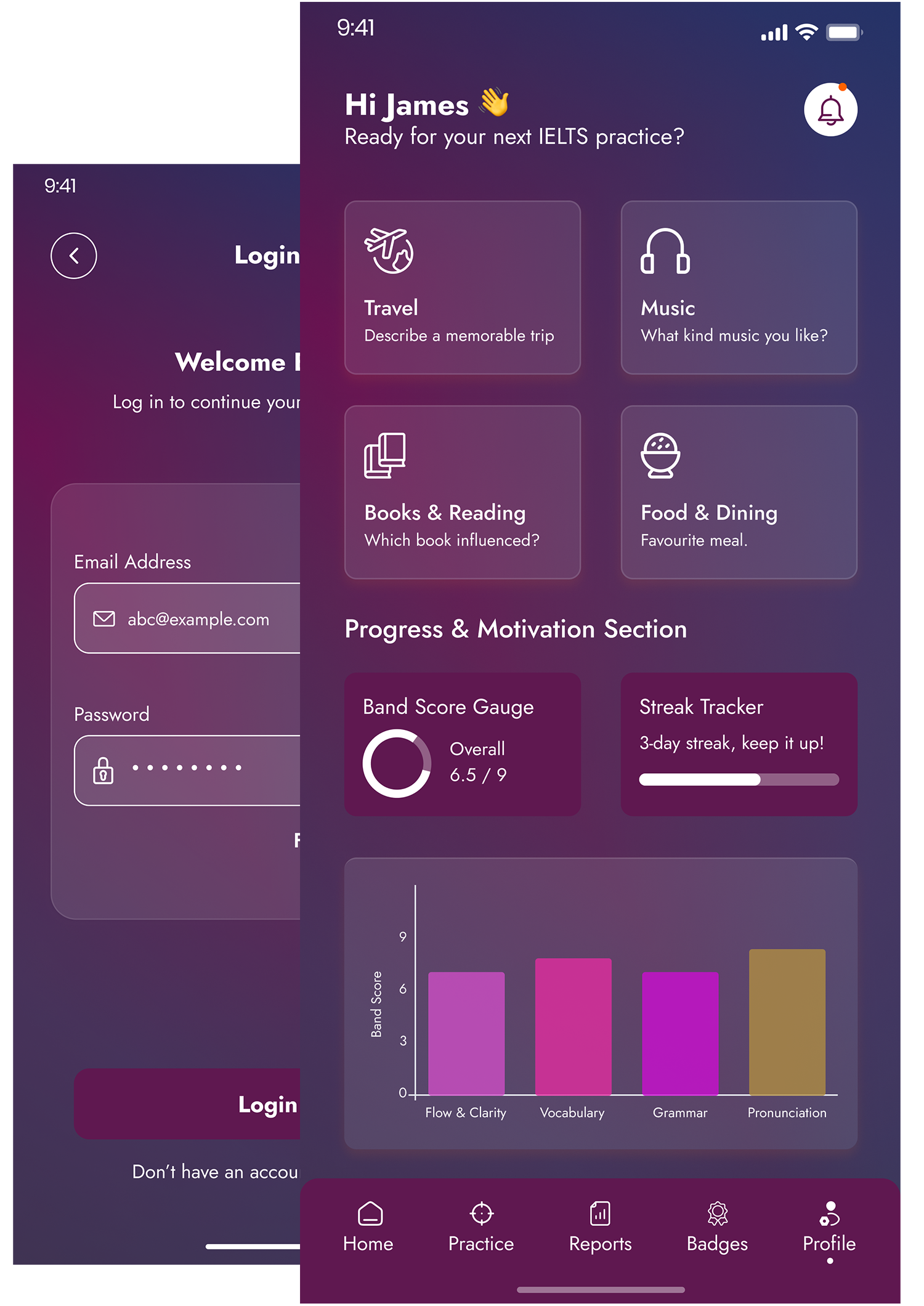
IELTS AI-Powered Speaking Evaluator
A full-stack AI platform featuring an AI Avatar Examiner with real-time lip-sync, multi-criteria IELTS band scoring, LangGraph conversation engine, Google Cloud TTS with visemes, and a comprehensive no-code admin panel — built to democratize premium English speaking practice for learners worldwide.
Industry
EdTech / Conversational
AI
Technologies
React 19, FastAPI, LangGraph, Gemini, Whisper, Google TTS, Postgres
Tap Retail Retail Management
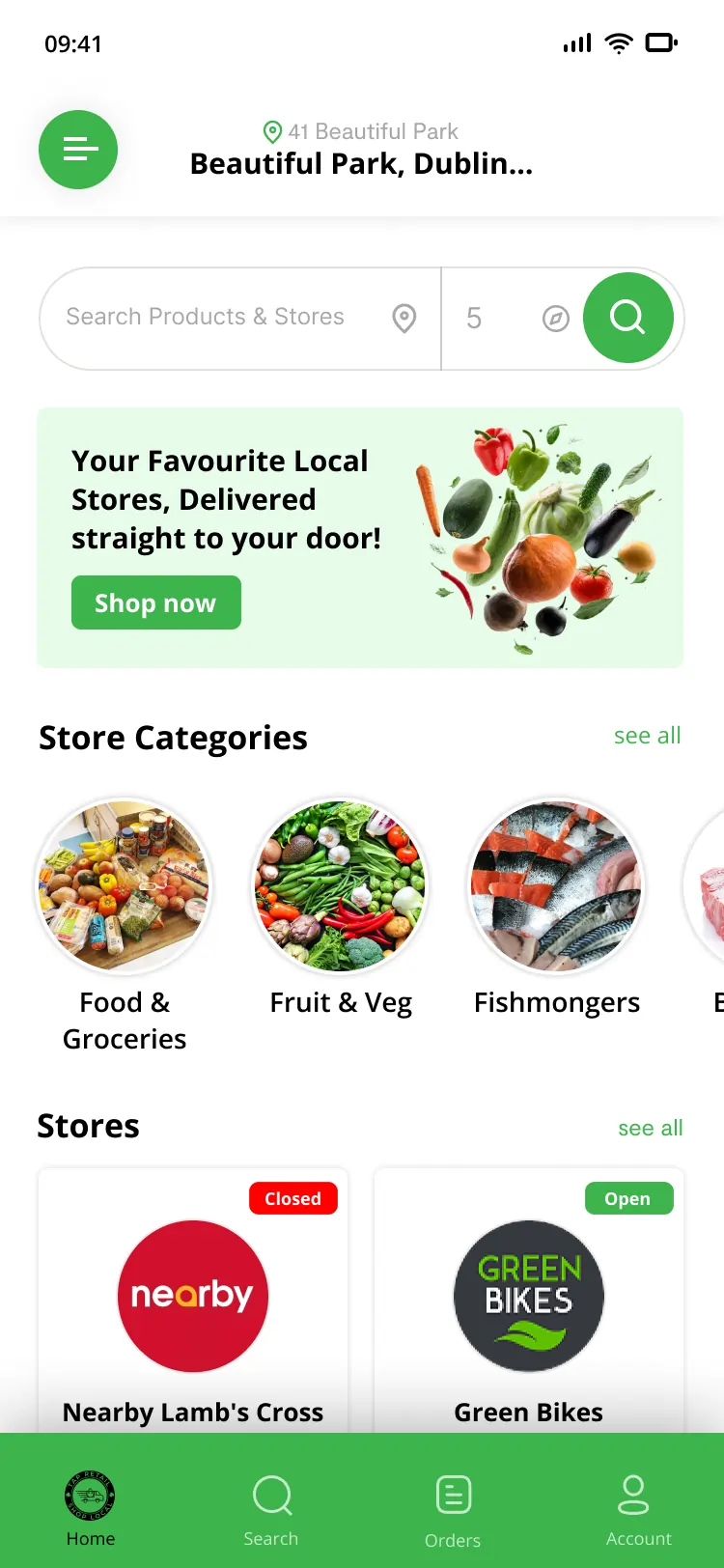
Tap Retail is a growing UK-based Retail management service provider that wanted to simplify how stores manage and track their product deliveries across multiple locations. They teamed up with Xicom to build a scalable, easy-to-use digital platform that centralizes their inventory management, allows for endless product listings, enables hassle-free order management and delivery, and allows users to locate the closest stores, all through digital solutions.
Industry
Retail and Ecommerce
Technologies
React.js, MongoDB, AWS
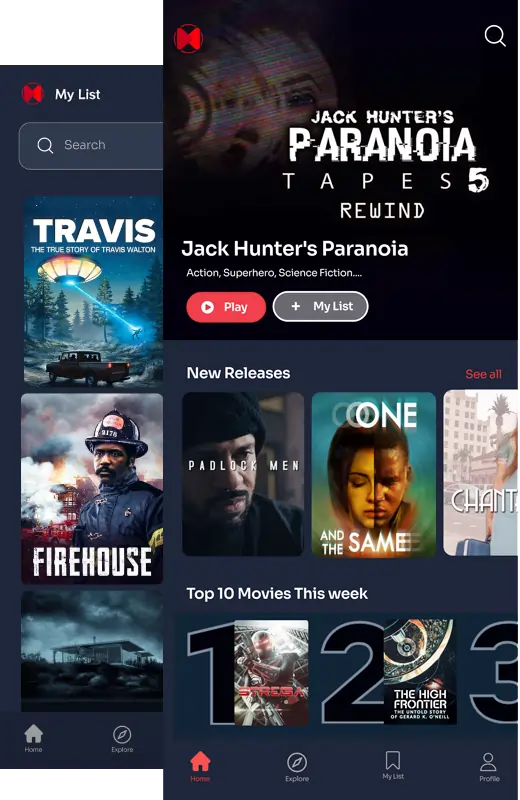
Moviez Movie Streaming App
Moviez is an on-demand movie streaming platform offering a vast library of international films across genres and languages. It delivers a premium HD cinematic experience across devices and ensures a seamless streaming experience to users. Our end-to-end solution helped turn Moviez's vision into a high-performance, world-class streaming platform.
Industry
Media & Entertainment
Technologies
React Native, Node.js, MongoDB, AWS
Keeta Food Delivery App
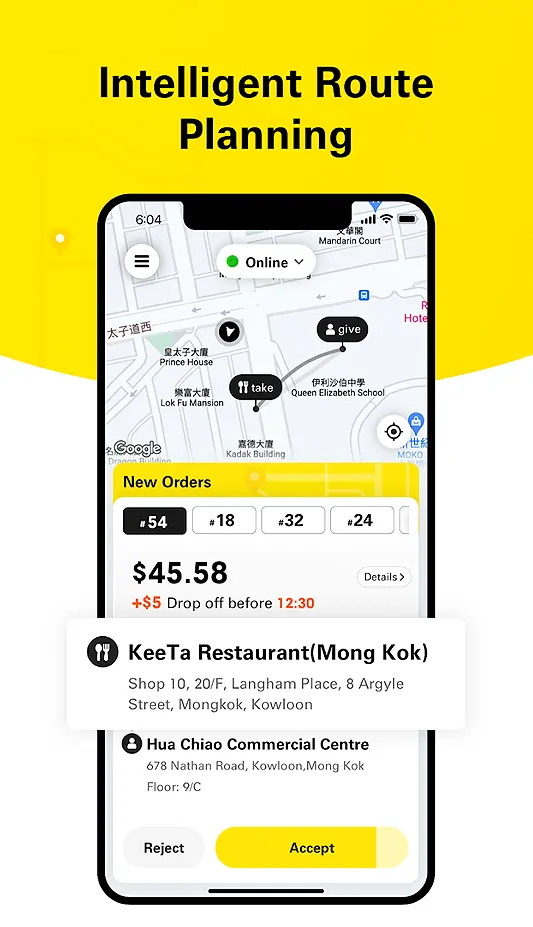
Keeta is a modern food delivery app developed by Xicom, catering to the evolving needs of urban consumers. Headquartered in Hong Kong and internationally linked with China's brand name Meituan, Keeta is designed to offer seamless, quick, and affordable food ordering experiences to customers. Users can explore a vast range of cuisines from global restaurants, enjoy daily discounts, and trust the brand’s on-time delivery promise.
Industry
FoodTech / On-Demand Services
Technologies
React Native, Node.js, MongoDB, AWS
GoGmGo POS and CRM
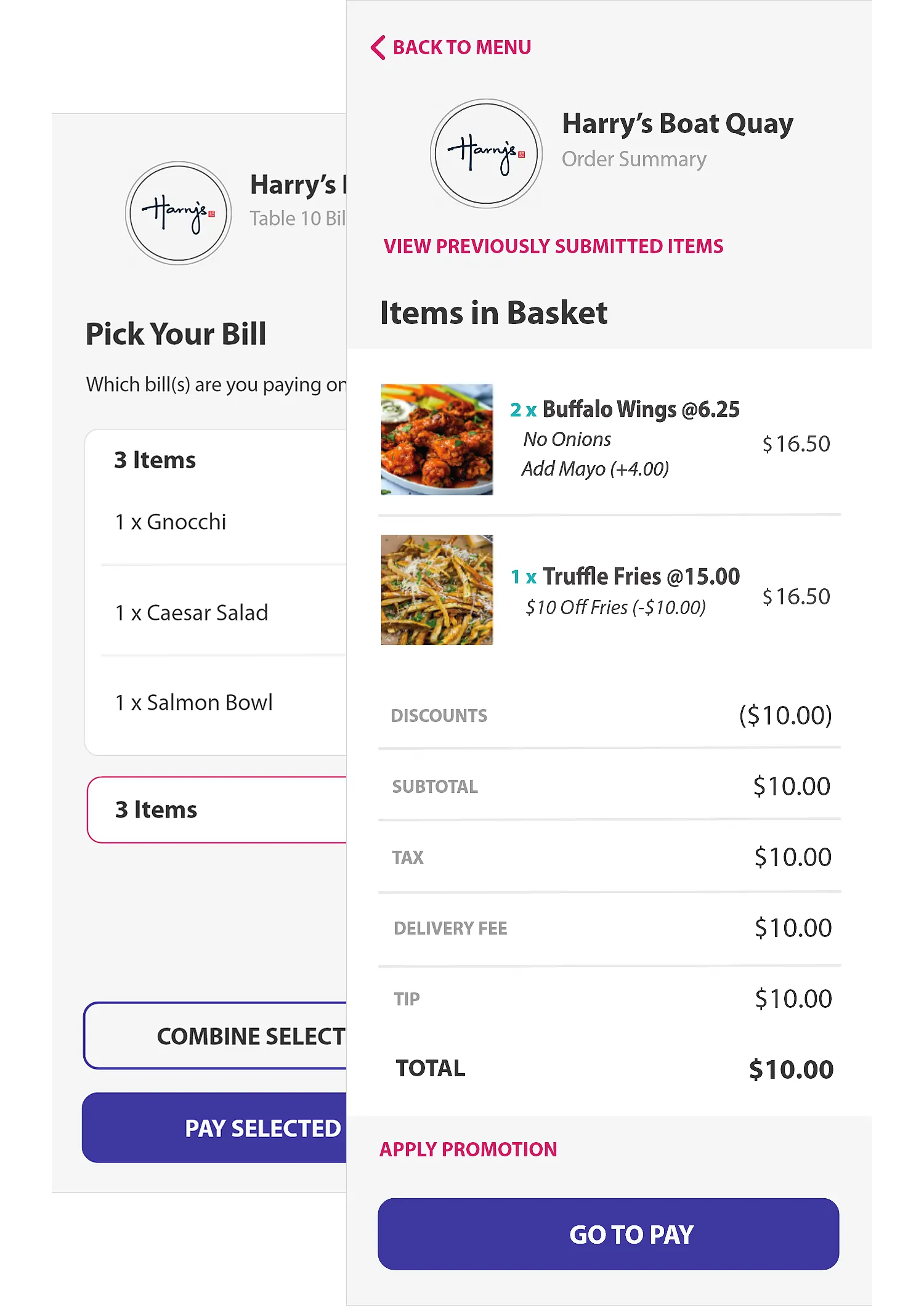
GoGmGo is a Singapore-based application targeting the F&B (Food and Beverage) industry, designed to oversee and manage the operations of a food and beverage business, right from planning the menu, controlling inventory, to managing staff. GoGmGo itself is an all-in-one F&B operating platform that uses automation to manage various aspects of the F&B business.
Industry
Food and Beverages
Technologies
React Native, Node.js, MongoDB, AI/ML
TADA Taxi Booking App
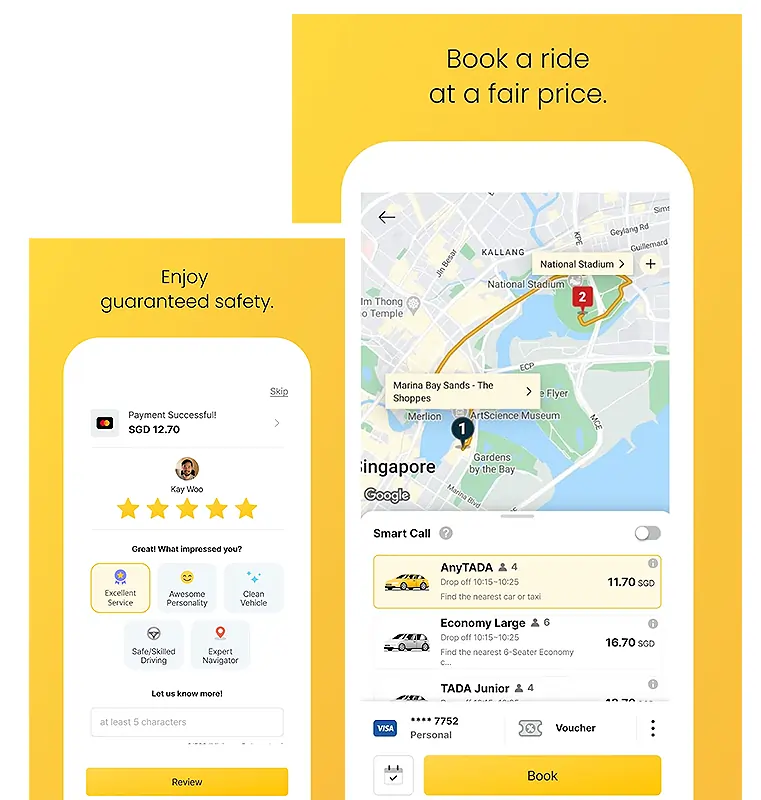
TADA is a next-generation ride-hailing application designed to provide a fairer and more efficient transportation service for drivers and passengers. With increasing traffic congestion and surging ride requests during peak hours, the client to looking forward to creating a platform that prioritizes earnings for drivers, faster ride matching, and extended ride options for users.
Industry
Transportation / Mobility
Technologies
Flutter, Node.js, MongoDB, AWS
Today Fit Fitness App
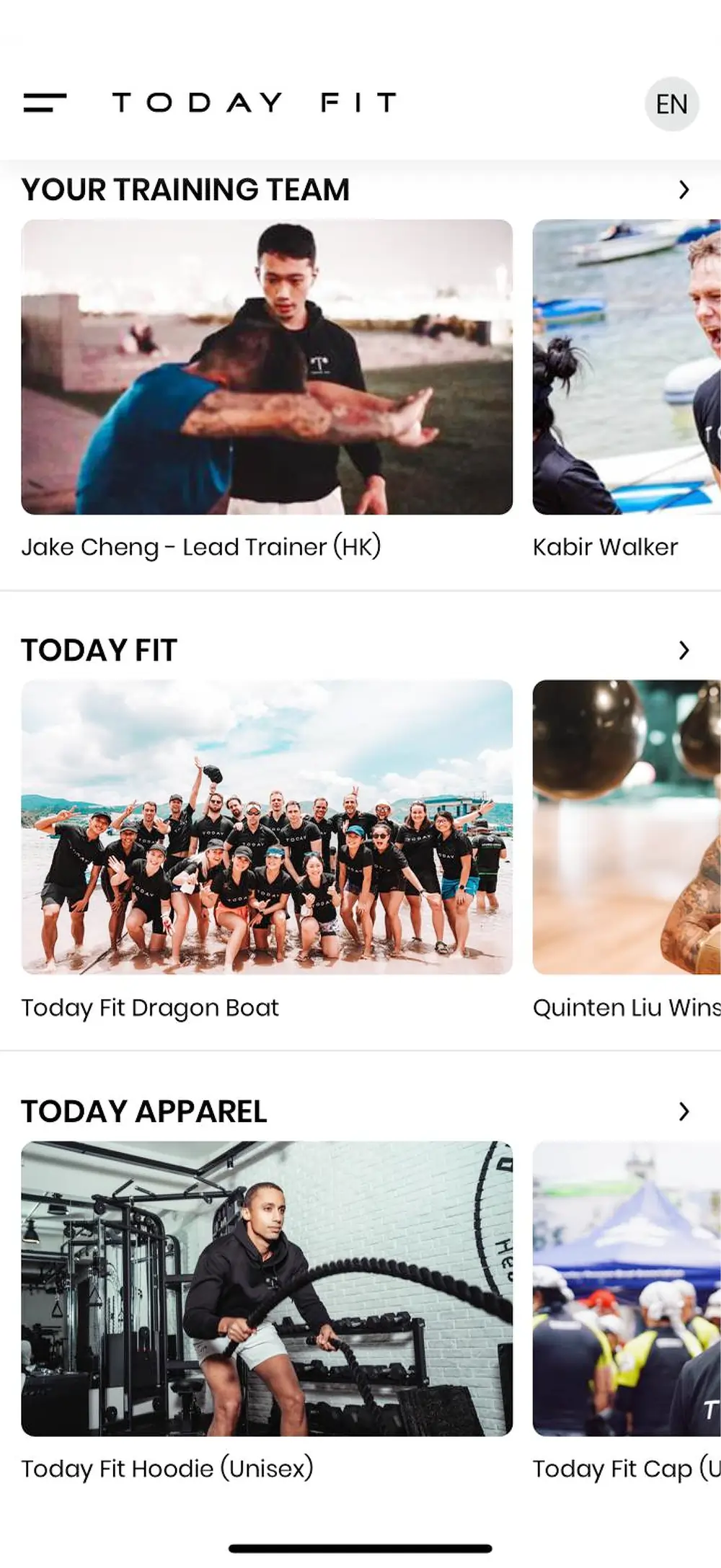
TodayFit is an envisioned project of a Hong Kong-based tech entrepreneur and fitness enthusiast, led by the passion to make Fitness more accessible, social, and engaging for everyone. With a vision to revolutionize virtual fitness, TodayFit aimed to develop a platform that seamlessly connects gym-goers, fitness trainers, and health enthusiasts across Hong Kong and Global markets.
Industry
Health and Fitness
Technologies
React Native, ASP.NET
JobMinglr Recruitment App
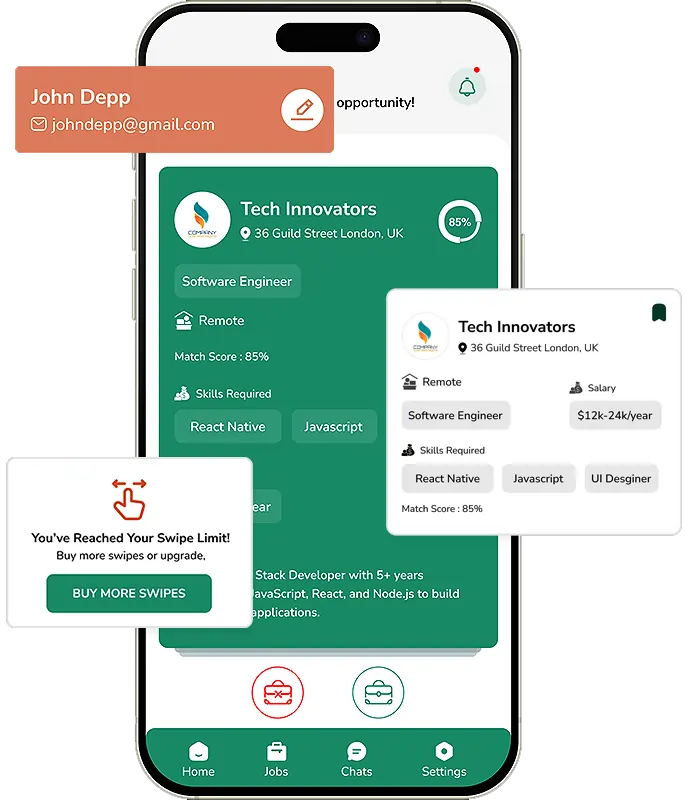
JobMinglr, developed by Xicom in partnership with its visionary founder John Carter and headquartered in Austin, Texas, is a cutting-edge job-matching platform engineered to revolutionize how job seekers and employers connect. By leveraging advanced AI algorithms and machine learning, the app delivers hyper-personalized job recommendations based on users’ skills, experience, and preferences.
Industry
Jobs and Recruitment
Technologies
React Native, Node.js, Machine Learning
FlirtFlex Social Networking
FlirtFlex is a next-gen social and content engagement platform born in the vibrant city of Austin, Texas, carefully designed to redefine the experience of how users and content creators interact online. Going beyond the traditional dating or subscription platforms' concepts that often prioritize profits over people, FlirtFlex champions authenticity, real-time conversations, and content creation facilities for the creators.
Industry
Social Networking
Technologies
Flutter, Node.js, MongoDB, WebRTC

ML development backed by real projects, not just promises
The machine learning work behind IELTS Speaking Evaluator, Parity AI, StudyBuddy, and SmartVend shapes how we build accurate, scalable, and production-ready models for your business.
Top technologies we use to build scalable, secure, and production-ready machine learning
Our machine learning engineers work with the frameworks, foundation models, and MLOps tools that modern AI teams rely on. From training and fine-tuning models to deploying and monitoring them at scale, we pick the right stack for your data, budget, and performance goals.
 PyTorch
  TensorFlow
  JAX
JAX  Keras
Keras  scikit-learn
  XGBoost
  OpenAI GPT
 Anthropic Claude
 Google Gemini
 Meta Llama
 Mistral
 LangChain
 LangGraph
 LlamaIndex
 AutoGen
 Semantic Kernel
 MLflow
 Kubeflow
 Weights & Biases
 Apache Airflow
 LangSmith
 Apache Spark
 Databricks
 Snowflake
 Apache Kafka
 dbt
dbt Pinecone
 Weaviate
 Chroma
 pgvector
 Elasticsearch
  OpenCV
 YOLO
YOLO Detectron2
 MediaPipe
 Tesseract
 Power BI
 Tableau
 Looker
 Grafana
 Amazon SageMaker
 Amazon Bedrock
 Google Vertex AI
 NVIDIA NIM
Adapt to Changing Demand
Changing customer behavior and market conditions can make established assumptions less reliable. We use machine learning to uncover demand patterns and emerging signals within enterprise data, giving decision-makers better visibility into changing requirements. This can help organizations adjust planning, offerings, and resources sooner as market and customer needs evolve.
Improve Resource Allocation
Better resource allocation requires visibility into how demand, capacity, and operational activity interact. Our ML expertise helps organizations uncover these relationships within their data and identify opportunities to allocate resources more effectively. The resulting insights can support decisions around workforce capacity, inventory, production, and other resources that influence day-to-day performance.
Strengthen Revenue Performance
Revenue opportunities can be difficult to identify when customer, product, and transaction data exists across disconnected business processes. We help enterprises extract meaningful patterns from this data to support demand planning, customer analysis, and commercial decisions. This can reveal opportunities that help organizations improve revenue performance while making more informed business choices.
Increase Customer Retention
Understanding why customers stay, disengage, or change their behavior can help enterprises respond before valuable relationships are lost. Machine learning can uncover behavioral patterns across interactions, purchases, and service activity. We help translate these insights into practical inputs for customer engagement, enabling organizations to respond more appropriately to changing customer needs.
Reduce Operational Uncertainty
Business decisions often involve incomplete information, fluctuating conditions, and large volumes of historical data. Our ML consulting services can bring greater structure to this information by identifying patterns and relationships that support forecasting and planning. This gives teams additional evidence for assessing potential conditions and making decisions with greater clarity.
Adapt Faster to Business Change
As business conditions change, organizations need to reassess decisions without relying entirely on historical assumptions. We help enterprises apply machine learning insights to changing operational and market data, providing a stronger basis for adjusting priorities, processes, and plans. This supports a more responsive approach to business change across functions.
From assessment to ML strategy: Our ML consulting process
Our machine learning consulting process helps enterprises move from understanding their current capabilities to defining practical ML priorities and implementation paths. We assess requirements, identify opportunities, shape strategies, plan initiatives, and provide guidance aligned with business and technical objectives.
1
Assess
We assess business objectives, data readiness, infrastructure, technical capabilities, and operational requirements to understand the organization’s current machine learning position.
2
Identify
We identify relevant machine learning opportunities across business functions, evaluating potential value, feasibility, data requirements, risks, and implementation considerations.
3
Strategize
We define practical ML strategies covering priorities, suitable approaches, architecture, technology requirements, resources, timelines, and measurable business objectives.
4
Plan
We develop implementation roadmaps that outline required capabilities, integration considerations, governance requirements, and initiatives needed to progress toward adoption.
5
Advise
We provide ongoing guidance across implementation decisions, tech selection, operational considerations, performance evaluation, governance, and evolving ML requirements.
Business-first ML Approach
We approach machine learning from the business problem first, then determine where data, models, and engineering can create value. This keeps ML initiatives aligned with measurable objectives rather than technology alone. We consider operational realities, existing capabilities, and implementation constraints to establish practical approaches that enterprises can adopt effectively.
Cross-functional Tech Expertise
Our teams bring together expertise across machine learning, data engineering, software development, cloud infrastructure, and enterprise systems. This allows us to address the dependencies that influence an ML initiative beyond the model itself. We consider how data moves, models operate, applications interact, and production environments need to be managed.
Practical Implementation Focus
We focus on translating ML strategies and recommendations into approaches that can be implemented within existing enterprise environments. Our work considers technical feasibility, data availability, integration requirements, operational processes, and resource constraints. This practical focus helps organizations move from evaluating ML opportunities to establishing solutions that support real business requirements.
Tech-agnostic Recommendations
We evaluate technologies and architectural approaches based on the requirements of each ML initiative rather than prescribing a fixed technology stack. Our recommendations consider data characteristics, model requirements, existing infrastructure, integration needs, scalability, and operational constraints. This allows enterprises to select technologies that fit their environments and long-term technical direction.
Scalable Engineering Practices
We apply engineering practices that account for changing data volumes, evolving models, increasing workloads, and expanding business requirements. Our approach considers maintainability, deployment, monitoring, and infrastructure from the outset. This helps establish machine learning environments that can evolve as organizations move from individual initiatives toward broader enterprise adoption.
Long-term ML Enablement
We consider the capabilities enterprises need to manage machine learning beyond initial implementation. Our approach addresses processes, operational ownership, engineering practices, and ongoing model management. By considering these requirements early, we help organizations establish a foundation that supports continued development, maintenance, and expansion of ML initiatives over time.
Our engagement models for machine learning consulting
We offer flexible engagement models for machine learning consulting: fixed price for well-defined projects, advisory for ongoing strategic guidance, or time and material for evolving ML needs.

Fixed Price Model
Best for well-defined ML consulting projects, this model gives you clear deliverables, predictable costs, and timely delivery without surprises.
- Upfront agreed cost and project scope
- Milestone-based progress tracking
- No hidden charges or overheads
- Reliable timelines for assessments and PoCs
Most Popular

Advisory Relationship
Ideal for organizations seeking ongoing ML guidance, this model gives you dedicated consulting support as your machine learning roadmap evolves.
- Ongoing ML strategy and architecture guidance
- Flexible engagement as needs evolve
- Direct access to senior ML consultants
- Continuity from pilot to production

Time & Material Model
Perfect for ML projects with changing requirements, this model lets you adjust scope and focus as data and model results emerge.
- Flexible billing based on actual effort
- Adjust resources and scope anytime
- Suited to iterative model experimentation
- Faster tuning and continuous optimization
Enterprise ML consulting designed around compliance, security, and full transparency
In enterprise machine learning, governance is not optional. Our ML consulting team reviews every model, data pipeline, and deployment for security gaps, privacy risks, and ethical concerns. We go beyond ticking compliance checklists to build ML systems your teams can audit, explain, and depend on every day.











Client testimonials and reviews showcasing the value we consistently deliver
Explore how our clients describe their journey with us, reflecting strong collaboration, effective execution, and consistent outcomes delivered across engagements. See how our delivery framework ensures consistency from initiation through to successful completion.
❝
Parity AI
We came to Xicom with an ambitious goal: make institutional-grade financial planning accessible to everyone through AI. Xicom went beyond the brief, blending conversational AI and predictive analytics into an effortless platform. Parity AI is exactly what we envisioned.

❝
RadioFX
Xicom took the time to understand what our stations and listeners actually need, building something tailored rather than generic. Live chat and polls are now core to how we connect with our audience — the app has become a true extension of our on-air presence.


❝
StudyBuddy
Xicom built exactly what our students needed: a secure space to connect, collaborate, and find tutoring support in one place. Their understanding of student behavior shows in how naturally everything fits together — StudyBuddy is something students genuinely rely on.

❝
BoxxDocks
Xicom helped us bring BoxxDocks to life exactly as we envisioned it. Their team understood the complexity of AI powered real-time asset tracking and delivered a platform that's both powerful and genuinely easy to use.


❝
TodayFit
We are very happy with their services. I cannot recommend them highly enough. The value, ability, and delivery that we have seen has been superb, and we look forward to continuing this relationship.


❝
SmartVend AI
Their team built SmartVend from the ground up, combining hardware integration, real-time inventory sync, and a centralized dashboard that completely changed how we operate. We couldn't have asked for a more capable technical partner.

❝
Tap Retail
Partnering with Xicom to develop our Tap Retail app and website was one of the best decisions we made. Their team demonstrated exceptional professionalism, technical expertise, and a deep understanding of our business goals.


❝
GoGmGo
Partnering with Xicom was a game-changer for us. They didn't just build software, they helped us redefine how we run our business. Their proactive support and deep domain knowledge gave us the confidence to innovate faster.

❝
DENVEN
Working with Xicom has been a transformative experience. Their team quickly understood our challenges and delivered a scalable, intuitive solution. I highly recommend Xicom to any organization seeking future-ready, high-performance digital products.

Top tech insights of our blog
Explore latest tech stories & News
✦ AI-First Company
Deep Insights into Emerging Technology and Innovation!
Stay ahead in the digital world with our latest insights covering AI trends, industry developments, and expert advice on building smarter businesses.
1800+
Projects
20+
Years Experience
Frequently Asked Questions
How can machine learning consulting help enterprises scale operations?
ML consulting shows enterprises where machine learning can cut manual effort and simplify complex workflows. Our consultants study your current processes, identify the operational bottlenecks that ML can solve, and guide how models get built and connected to your core systems.
The result is that your teams can handle larger data volumes, make decisions faster, and take on more work without adding headcount at the same rate.
What are the benefits of machine learning consulting for businesses?
Machine learning consulting helps businesses:
- Uncover hidden patterns and trends in large, complex datasets
- Automate repetitive and time-heavy tasks
- Make faster, more accurate business decisions
- Build models with the right compliance, governance, and risk controls
- Keep models explainable, scalable, and tied to business goals
- Reach ROI sooner and sustain performance over time
Our ML advisory services support each of these with structured guidance on strategy, planning, and adoption.
How does Xicom deliver end-to-end machine learning consulting?
Xicom covers the full ML consulting lifecycle. We start with business discovery and data assessment, then move to solution design, prototyping, and model validation. From there, we handle workflow integration, set up MLOps pipelines for monitoring, and plan long-term scaling and governance.
With 20+ years in enterprise software delivery, we focus on ML systems that are practical, compliant, and ready for production, not pilots that never go live. Connect with our ML experts to discuss your project.
What industries benefit most from ML consulting services?
Almost any data-driven industry can benefit from ML consulting. The fastest returns usually come in finance, healthcare, manufacturing, retail, eCommerce, logistics, automotive, and insurance.
Use cases range from predictive analytics and fraud detection to customer personalization and supply chain optimization. Our ML consultants bring industry-specific knowledge, so every solution fits the data, regulations, and workflows of your sector.
How much does it cost to hire a machine learning consulting company?
The cost of ML consulting depends on project complexity, data readiness, model type, integration needs, and the level of ongoing support. A short feasibility study or advisory engagement costs far less than a full program that includes model development, deployment, MLOps setup, and long-term monitoring.
At Xicom, we share a detailed estimate after an initial discovery call. You can choose a fixed price, advisory, or time and material model based on your scope and budget.
What is the process of machine learning consulting and model deployment?
Our ML consulting and deployment process follows these stages:
- Discovery and opportunity mapping: Understand business goals, pain points, and high-value ML use cases
- Data assessment and feasibility: Review available data, find gaps, and confirm what the model can realistically achieve
- Solution design and prototyping: Plan the model architecture and build a working proof of concept
- Training and validation: Build, test, and fine-tune models until they meet agreed performance benchmarks
- Deployment and integration: Roll models into existing workflows with minimal disruption
- Monitoring and maintenance: Track model performance and retrain when data or results drift
- Scaling roadmap: Plan new use cases, wider adoption, and long-term ML growth
Every award marks a milestone in our journey of excellence
As AI-first digital engineering company, Xicom has earned global recognition for delivering innovative, scalable, and high-performing technology solutions. Our awards reflect the trust of clients and industry leaders alike.