The lending industry is undergoing significant changes as financial institutions look for ways to accelerate loan processing, improve credit assessments, and manage growing credit risks. Traditional lending processes often depend on manual document verification, conventional credit scoring, predefined eligibility rules, and separate systems for underwriting and loan management. These processes can delay decisions and make it difficult to evaluate borrowers with complex or limited credit histories. Artificial intelligence (AI) offers lenders new ways to analyze financial information, automate routine activities, identify patterns in borrower behavior, and support more informed lending decisions. AI adoption across financial services is gaining momentum. According to EY India’s 2025 study on generative AI, 74% of surveyed financial services firms had initiated GenAI proof-of-concept projects, while 11% had moved to production deployments. Underwriting was among the areas being explored. Although these figures cover financial services broadly, they indicate growing interest in applying AI to processes that directly influence lending operations. Its potential extends beyond faster application processing to credit risk evaluation, loan pricing, portfolio monitoring, and borrower management. The Role of AI Across the Lending Value Chain AI supports multiple stages of the lending lifecycle, from borrower acquisition and application processing to credit assessment, disbursement, repayment monitoring, and collections. By analyzing information across these stages, it helps lenders reduce manual effort, improve decisions, and identify potential risks earlier. Lending stage Role of AI Borrower acquisition Identifies potential borrowers and supports targeted lending offers. Loan application Extracts information from documents and identifies missing or inconsistent details. Credit
Read MoreNov 4, 2026 Artificial Intelligence Comments Off on AI in Lending: Transforming Credit Decisions and Lending Operations

Nov 4, 2026 Artificial Intelligence Comments Off on AI in Lending: Transforming Credit Decisions and Lending Operations
AI in Lending: Transforming Credit Decisions and Lending Operations
Nov 3, 2026 Artificial Intelligence Comments Off on Conversational AI in Sales: Use Cases, Business Impact, and ROI

Nov 3, 2026 Artificial Intelligence Comments Off on Conversational AI in Sales: Use Cases, Business Impact, and ROI
Conversational AI in Sales: Use Cases, Business Impact, and ROI
Sales teams are expected to engage more prospects, respond faster, personalize recommendations, and stay consistent across increasingly complex buying journeys. Yet much of the sales process remains repetitive: answering routine product questions, qualifying leads, scheduling meetings, preparing follow-ups, updating customer records, and retrieving information from multiple systems. These tasks consume time that representatives could spend understanding customer requirements and progressing high-value opportunities. Conversational AI changes this by enabling systems to understand natural-language enquiries, retrieve relevant information, maintain context, and support sales activities across digital channels. Adoption is growing because the benefits are tangible. According to HubSpot’s 2025 State of Sales Report, 84% of surveyed sales representatives said AI saves time and optimizes processes, while 83% said it helps personalize interactions with prospects. Conversational AI extends these gains by handling customer conversations at scale and connecting them to sales workflows. Its value, however, depends on more than generating responses. Businesses must decide where it fits in the sales process, which activities it should handle, how it works alongside representatives, and how its contribution will be measured through business outcomes. Where Conversational AI Fits into the Modern Sales Funnel A buyer may discover a product through a website, ask questions through a chatbot, compare options, speak with a representative, and return later to purchase. These interactions span channels and stages. Conversational AI provides a consistent communication layer between prospects and the business, interpreting intent, using context, and guiding buyers toward appropriate next steps. Its role varies by stage. Awareness: Engaging Potential Buyers
Read MoreNov 3, 2026 Artificial Intelligence Comments Off on Conversational AI in Telecom: Applications, Technologies, and Business Considerations

Nov 3, 2026 Artificial Intelligence Comments Off on Conversational AI in Telecom: Applications, Technologies, and Business Considerations
Conversational AI in Telecom: Applications, Technologies, and Business Considerations
Telecom operators manage millions of customer interactions across mobile, broadband, enterprise connectivity, and digital services. Customers expect quick answers about bills, data usage, network availability, service interruptions, and subscription changes. However, traditional customer-service channels often depend on fixed menus, predefined chatbot responses, and manual support processes. These approaches can struggle when customers describe problems in their own words, combine multiple requests, or need assistance that involves information from different systems. Conversational AI offers a way to make these interactions more flexible by allowing customers and employees to communicate with telecom systems through natural language. Customer expectations are also evolving. According to CSG’s 2025 research on AI in telecom customer experience, 85% of surveyed consumers preferred AI over human representatives in at least one service channel. However, 76% said a frustrating AI service experience could affect their loyalty to a telecom provider. This contrast highlights an important consideration: conversational AI must do more than automate responses. It needs to understand requests, provide reliable information, complete appropriate tasks, and make human assistance accessible when automation is insufficient. How Conversational AI Is Reshaping the Telecom Industry Telecom is a high-volume, service-intensive industry in which customer experience depends on several interconnected functions. A billing query may require information from a subscription system, while a connectivity complaint may involve network status, device information, and previous service requests. Conversational AI can provide a common interface through which users access these services without needing to understand the underlying organizational structure. Its impact extends beyond replacing manual responses.
Read MoreNov 2, 2026 Artificial Intelligence Comments Off on Explainable AI in Finance: Applications, Techniques, and Implementation

Nov 2, 2026 Artificial Intelligence Comments Off on Explainable AI in Finance: Applications, Techniques, and Implementation
Explainable AI in Finance: Applications, Techniques, and Implementation
Financial institutions use artificial intelligence (AI) to evaluate credit applications, detect fraudulent transactions, assess investment risks, monitor financial crime, and automate decisions that influence customers and business performance. These applications increasingly rely on complex machine learning models that identify patterns across large datasets but may not provide an obvious explanation for individual predictions. A fraud detection model, for example, may flag a legitimate payment because several transaction characteristics resemble historical fraud, while a credit model may reject an applicant based on a combination of financial indicators that is difficult to interpret. According to the 2026 Global AI in Financial Services Report, 78% of surveyed regulators consider explainability important or critical to their regulatory objectives, yet only 50% of surveyed financial institutions report using explainable AI methods. This gap highlights the need to make AI-driven financial decisions more understandable, reviewable, and accountable. Explainable AI (XAI) refers to techniques and practices that help people understand why an AI system produced a particular prediction, recommendation, or decision. In finance, this involves more than displaying which variables influenced a model. Institutions may need to determine whether the underlying data was accurate, whether the model relied on appropriate signals, whether similar customers received consistent treatment, and whether the explanation can support an audit or customer enquiry. Effective explainability connects model outputs with business rules, data lineage, risk controls, and decision-making processes. Its purpose is not simply to make AI appear transparent, but to provide evidence that financial decisions can be examined, challenged, and improved. Understanding
Read MoreNov 2, 2026 App Development 0

Nov 2, 2026 App Development 0
How to Develop a Doctor Appointment Booking App? Cost, Features & Tech Stack
Give your patients access to seamless doctor booking services and cut down the hassle of waiting long by choosing online doctor appointment booking app development services. In this blog, we have discussed its average cost, features, tech stack, monetization strategies, and more.
Read MoreNov 2, 2026 App Development 0

Nov 2, 2026 App Development 0
Mobile Game App Development Cost in 2027: Budgets by Game Type
Quick AnswerMobile game app development cost ranges from about $15,000 to $40,000 for a hyper-casual game, $30,000 to $90,000 for a casual or puzzle game, $90,000 to $250,000 for a mid-core multiplayer game, and $150,000 to $400,000+ for a 3D RPG or story-driven game, built once for iOS and Android with an engine such as Unity. These figures assume a blended offshore or hybrid team; an all-US studio typically costs 2 to 3 times more. Budget a separate amount for launch marketing and 15% to 40% of the build cost per year for updates and live ops. Mobile is still the biggest part of the games business. Newzoo expects players to spend $121.1 billion on mobile games in 2026, more than half of the $213.9 billion global games market, with about 3.1 billion people playing on mobile at least occasionally. The audience is huge, but so is the competition, which is why the budget question matters. So how much does it cost to make a mobile game in 2027? This guide starts with budgets by game type, then shows where the money goes, which choices push the cost up or down, what engines and stores charge, and the post-launch costs that catch most first-time publishers off guard. Mobile Game App Development Cost by Game Type Genre and scope decide most of the budget. Here is what each type typically costs to build for iOS and Android. Game Type What You Get Estimated Cost Timeline Hyper-casual One core mechanic, simple 2D
Read MoreNov 2, 2026 App Development Comments Off on Flutter App Development Cost in 2027: Pricing by Feature & Platform

Nov 2, 2026 App Development Comments Off on Flutter App Development Cost in 2027: Pricing by Feature & Platform
Flutter App Development Cost in 2027: Pricing by Feature & Platform
Quick AnswerFlutter app development cost ranges from about $25,000 to $50,000 for a simple app, $50,000 to $110,000 for a medium-complexity app, and $110,000 to $250,000+ for a complex app, with one Dart codebase for iPhone and Android. Adding a web or desktop version from the same code often costs 15% to 30% more, far less than a separate build. These figures assume a blended offshore or hybrid team; an all-US team typically costs 2 to 3 times more. Flutter is Google’s open-source framework for building apps from a single codebase. It draws its own interface instead of relying on each platform’s components, which gives designers pixel-level control and lets the same app run on iOS, Android, web, and desktop. That flexibility is why the Flutter app development cost is attractive for businesses that want a polished, consistent brand experience everywhere. So how much does it cost to build a Flutter app in 2027? This guide prices it by complexity, by feature, and by platform target. It also compares Flutter with React Native and native development, and lists the ongoing costs to plan for after launch. Flutter App Development Cost by Complexity App Complexity What It Usually Includes Estimated Cost (iOS + Android) Timeline Simple A few screens, login, forms or content, push notifications, light backend $25,000 – $50,000 2 – 4 months Medium Custom UI and animations, backend with admin panel, payments, maps, chat $50,000 – $110,000 4 – 7 months Complex Real-time features, video, offline sync, AI, multiple
Read MoreOct 30, 2026 Artificial Intelligence Comments Off on Conversational AI in Retail: Applications, Commerce, and Business Strategy

Oct 30, 2026 Artificial Intelligence Comments Off on Conversational AI in Retail: Applications, Commerce, and Business Strategy
Conversational AI in Retail: Applications, Commerce, and Business Strategy
Retailers are increasingly using artificial intelligence to help customers discover products, make purchasing decisions, and resolve service requests without navigating multiple pages or waiting for an employee. Conversational AI extends these capabilities by allowing shoppers to interact with retail systems through natural language, whether they are asking about product specifications, comparing alternatives, checking availability, or seeking help with an order. According to Salesforce’s Connected Shoppers research, retailers are operating in an increasingly AI-driven commerce environment, where changing customer expectations are pushing businesses to reconsider how shopping and service interactions are delivered. The opportunity is not simply to add a chatbot to an online store; it is to make product information, purchasing assistance, and customer support accessible through a more direct conversational interface. Conversational AI in retail encompasses technologies that understand customer requests, retrieve relevant information, maintain context across exchanges, and, when connected to appropriate business systems, perform specific actions. Its applications range from virtual shopping assistants and conversational product search to order support, store assistance, and sales enablement. However, useful retail conversations depend on more than fluent responses. Systems need accurate product data, current inventory information, clear transaction permissions, and reliable ways to transfer complex requests to human employees. Retailers must therefore consider how conversational AI fits into their commerce channels, merchandising processes, customer data practices, and sales operations. Its commercial value ultimately depends on whether it helps shoppers make better decisions while enabling the business to serve them accurately and efficiently. Role of Conversational AI in Retail Conversational AI
Read MoreOct 30, 2026 Artificial Intelligence Comments Off on AI in Fashion: Applications, Technologies, and Industry Transformation

Oct 30, 2026 Artificial Intelligence Comments Off on AI in Fashion: Applications, Technologies, and Industry Transformation
AI in Fashion: Applications, Technologies, and Industry Transformation
Fashion has always depended on interpreting change. Designers read cultural signals, merchants anticipate demand, manufacturers coordinate complex production networks, and retailers connect customers with products they want to wear. Artificial intelligence (AI) is introducing new ways to perform these tasks by analyzing large datasets, recognizing visual patterns, generating content, and supporting decisions across the industry. Its role is expanding beyond isolated experiments into marketing, product discovery, design support, planning, and customer service. Adoption is growing, although the depth of implementation varies. The State of Fashion 2026 report from McKinsey and The Business of Fashion states that more than 35% of surveyed fashion and luxury executives already use generative AI in areas such as customer service, image creation, copywriting, consumer search, and product discovery. AI in fashion is not a single technology or category of software. It includes predictive models that estimate demand, computer vision systems that interpret images, recommendation engines that personalize shopping, and generative models that produce text, images, and design concepts. These technologies can support creative and operational work, but their value depends on relevant data, clear objectives, and people who can judge the quality of the results. As fashion companies explore broader adoption, the focus is shifting toward integrating AI into established processes and determining how it can contribute to business performance. The Role of AI in the Fashion Industry Fashion companies face changing consumer preferences, short product cycles, seasonal demand, and complex supply chains. Decisions about design, production, pricing, and inventory can significantly affect costs and
Read MoreOct 30, 2026 App Development 0

Oct 30, 2026 App Development 0
How Much Does It Cost to Create a Self-Care App like Happify?
Looking to create a self-care app that provides strength to fight against depression, anxiety, and other mental illness? Here’s how much it will cost to create a self-care app like Happify along with its features, monetization strategies, and tips to succeed in the competitive market.
Read MoreOct 28, 2026 Artificial Intelligence Comments Off on AI in Aviation: Smarter Operations, Enhanced Passenger Experiences, and Industry Innovation

Oct 28, 2026 Artificial Intelligence Comments Off on AI in Aviation: Smarter Operations, Enhanced Passenger Experiences, and Industry Innovation
AI in Aviation: Smarter Operations, Enhanced Passenger Experiences, and Industry Innovation
Artificial intelligence has moved from experimental projects to daily operations across the aviation industry. Airlines use it to plan routes and forecast demand, airports use it to manage passenger flow and security, and maintenance teams use it to predict component failures before they ground an aircraft. The market reflects this shift: the global AI in aviation market is estimated at about USD 8.83 billion in 2026 and is forecast to reach USD 36.68 billion by 2034, according to Fortune Business Insights. Estimates differ between research firms because they define the market differently, but they agree on the direction: sustained growth. Adoption, however, remains uneven. An Accenture study reported by TravelDailyNews found that only 12% of airlines directly link their AI initiatives to revenue growth, while 61% have no live agentic AI projects. This gap highlights a central challenge for aviation organizations: deploying AI is not the same as generating measurable business value. The strongest results depend on selecting suitable applications, integrating them into operational workflows, and maintaining appropriate human oversight. The Role of AI in the Aviation Industry Aviation produces large volumes of structured data and operates under tight margins, strict safety requirements, and constant time pressure. These conditions make it a strong fit for AI, which can identify patterns across complex datasets, forecast changing conditions, and support decisions that must be made quickly. Why Aviation Is Well Suited to AI Every flight generates information from the aircraft, airport, crew, and passenger journey. AI can combine these sources to identify
Read MoreOct 28, 2026 Artificial Intelligence Comments Off on AI in Marketing: Use Cases, Business Impact, and Implementation Costs

Oct 28, 2026 Artificial Intelligence Comments Off on AI in Marketing: Use Cases, Business Impact, and Implementation Costs
AI in Marketing: Use Cases, Business Impact, and Implementation Costs
Marketing teams must understand customer needs, develop relevant campaigns, manage multiple channels, and demonstrate how their activities contribute to business growth. Rising customer acquisition costs and increasing competition for attention make these responsibilities more challenging. Artificial intelligence (AI) is becoming an important part of how organizations address these pressures. According to Gartner’s 2026 CMO Spend Survey, chief marketing officers allocate an average of 15.3% of their marketing budgets to AI initiatives, yet only 30% of surveyed organizations report mature or fully developed AI readiness capabilities. AI in marketing extends beyond generating advertisements and social media posts. It can help businesses analyze customer behavior, identify promising audiences, predict campaign performance, and automate repetitive work. However, these capabilities do not guarantee higher conversions or lower acquisition costs. Results depend on data quality, the suitability of the chosen technology, and how effectively marketing teams use its outputs. Understanding the available applications, implementation options, and operating costs helps businesses make informed investment decisions. Current State of AI in Marketing: Adoption Trends and Business Priorities Businesses increasingly use AI for content development, audience research, campaign analysis, customer communication, and marketing operations. Adoption is moving beyond individual employees experimenting with AI assistants toward incorporating AI into recurring workflows. The American Marketing Association’s analysis of the CMO Survey reported substantial growth in marketers’ AI use over the preceding two years. However, adoption alone does not establish business value. Producing more content or automating reports may save time without improving conversions, customer retention, or revenue. Marketing leaders should
Read MoreOct 27, 2026 App Development 0

Oct 27, 2026 App Development 0
Insurance App Development Cost: What Carriers, MGAs, and Startups Should Budget
Digitalization has brought a huge transformation in the insurance mobile app development industry. Companies today are looking for intelligent insurance apps that help them scale their business and automate the insurance process, from file filling to claim processing. Here's a complete guide to refer to.
Read MoreOct 26, 2026 Artificial Intelligence Comments Off on AI in Project Management: Use Cases, Costs, Integration, and ROI
Oct 26, 2026 Artificial Intelligence Comments Off on AI in Project Management: Use Cases, Costs, Integration, and ROI
AI in Project Management: Use Cases, Costs, Integration, and ROI
Project management requires teams to coordinate schedules, budgets, resources, dependencies, and risks while responding to changing requirements and stakeholder expectations. As projects become more complex, manual reporting and fragmented project data can make it difficult to identify delays, anticipate cost overruns, and maintain visibility across teams. AI is gaining traction in this area: according to the Association for Project Management’s 2025 survey, 70% of surveyed UK project professionals said their organizations were using AI, up from 36% in 2023. For businesses investing in AI, the central question is not simply what the technology can do, but whether it can improve project delivery and justify its cost. Applications range from automated status reporting and resource planning to predictive risk analysis and budget forecasting. Realizing these benefits requires reliable project data, integration with existing platforms, appropriate human oversight, and a clear method for measuring returns. Examining adoption patterns, practical applications, implementation costs, and measurable outcomes helps organizations determine where AI can deliver value. Current State of AI in Project Management Organizations are exploring AI across project planning, execution, monitoring, and reporting, but adoption does not automatically translate into better delivery performance. Common applications include automating repetitive administrative work, identifying potential schedule risks, improving resource allocation, and extracting insights from project documentation. The PM Solutions State of Project Management 2026 report found that 74% of surveyed organizations used AI-supported practices to help achieve their goals. However, the study included only 99 respondents, so its findings should not be treated as a universal adoption
Read MoreOct 26, 2026 App Development 0

Oct 26, 2026 App Development 0
How Much Does it Cost to Make a Fitness App?
On-demand fitness apps are roaring in 2024 and after 2020 and have bought a thrilling wave in the fitness industry. The average cost to build a fitness app from scratch can start from $10,000+ for the basic app structure and can go beyond $100,000+ for a fully-functional fitness app. Here’s a detailed blog!
Read MoreOct 26, 2026 Artificial Intelligence Comments Off on AI in Education: Use Cases, Implementation, Integration, and ROI

Oct 26, 2026 Artificial Intelligence Comments Off on AI in Education: Use Cases, Implementation, Integration, and ROI
AI in Education: Use Cases, Implementation, Integration, and ROI
Educational institutions face growing pressure to improve learning outcomes, provide individualized support, manage administrative workloads, and use resources efficiently. Schools, colleges, universities, and online learning providers must respond to changing student expectations while maintaining academic standards and protecting sensitive information. Traditional processes often struggle to meet these demands because teaching, assessment, student services, and administration operate across disconnected platforms. Artificial intelligence (AI) offers ways to address these challenges through adaptive learning, automated assessments, student support, and data-driven planning. According to EY’s 2025 report on AI adoption in Indian higher education, 53% of surveyed institutions were using generative AI to develop learning materials, while 40% were deploying AI-powered tutoring systems and chatbots. However, adoption alone does not guarantee improvement. Institutions must select appropriate applications, integrate them with existing systems, establish safeguards, and measure results against academic and operational objectives. Understanding AI in Education AI in education involves technologies that analyze educational data, recognize patterns, generate content, interpret language, make predictions, and support decisions across teaching, learning, and administration. Machine learning can identify patterns in student performance and estimate the likelihood of outcomes such as course completion. Natural language processing enables systems to interpret questions and summarize documents. Generative AI creates explanations, quizzes, lesson materials, and other content, while recommendation systems suggest relevant learning resources. These capabilities support educators rather than eliminate the need for teaching expertise. An AI assistant might explain a difficult concept in simpler language, but an educator remains responsible for determining whether the explanation is accurate and appropriate
Read MoreOct 23, 2026 Artificial Intelligence Comments Off on AI in Customer Success: Solutions, Use Cases, Technologies, and Implementation Costs

Oct 23, 2026 Artificial Intelligence Comments Off on AI in Customer Success: Solutions, Use Cases, Technologies, and Implementation Costs
AI in Customer Success: Solutions, Use Cases, Technologies, and Implementation Costs
Customer success teams operate at the intersection of customer relationships, product adoption, service delivery, and revenue performance. They must understand customer requirements, resolve recurring issues, coordinate with sales and support teams, and help customers achieve measurable value from a product or service. As customer portfolios grow, maintaining this level of attention through manual account reviews, spreadsheets, meetings, and disconnected customer records becomes increasingly difficult. Artificial intelligence (AI) offers enterprises a way to analyze customer information, reduce repetitive work, and give customer success professionals better information for their decisions. Enterprise investment in AI is also accelerating across customer-facing functions. According to Gartner’s February 2026 survey, 91% of surveyed customer service and support leaders reported pressure from executive leadership to implement AI. Although customer service and customer success have different responsibilities, both depend on timely customer information, coordinated action, and consistent interactions. AI can help customer success teams move beyond reactive account management toward more informed decisions, efficient workflows, and measurable customer outcomes. Why Enterprises Are Integrating AI into Customer Success Customer success is increasingly important to enterprise revenue models, particularly in subscription businesses, SaaS companies, technology services, and organizations that depend on long-term customer relationships. Acquiring a customer is only one part of the commercial equation. Customers must continue using the product, realize its intended value, and have sufficient reasons to maintain or expand the relationship. AI can support these objectives by improving how organizations interpret customer information and allocate their customer success resources. Managing growing customer portfolios Customer success managers
Read MoreOct 22, 2026 Artificial Intelligence Comments Off on Conversational AI in Finance: Applications, Technologies, and Business Impact

Oct 22, 2026 Artificial Intelligence Comments Off on Conversational AI in Finance: Applications, Technologies, and Business Impact
Conversational AI in Finance: Applications, Technologies, and Business Impact
Financial institutions and corporate finance teams handle a constant flow of questions about transactions, account balances, invoices, payments, financial reports, lending requirements, and internal policies. Employees and customers often need information from multiple systems, documents, and service channels, making traditional interfaces cumbersome. They may need to navigate dashboards, search knowledge bases, or contact support teams to obtain answers that should be readily accessible. Conversational AI offers a more direct way to interact with financial information. Users can ask questions in natural language, clarify requests, retrieve relevant records, and receive contextual explanations. According to Interactions’ 2025 State of the Industry report on AI and customer experience in financial services, more than 90% of surveyed organizations with large contact centers already used AI-powered solutions and planned further investment. Beyond answering frequently asked questions, conversational AI can support financial analysis, account servicing, payment inquiries, and lending processes. Its effectiveness depends on response accuracy, reliable financial systems, and controls governing data access and automated actions. Understanding Conversational AI in Finance Conversational AI enables people to interact with software through natural language, using text or voice. In finance, it interprets a question, identifies the user’s intent, retrieves or processes relevant information, and generates a response appropriate to the request. A customer might ask why a transaction was declined, while a finance manager might ask why operating expenses increased compared with the previous quarter. Although both requests use conversational interfaces, they require different capabilities. The first may involve retrieving a transaction status and explaining a predefined
Read MoreOct 19, 2026 Artificial Intelligence Comments Off on AI in Data Analytics: Applications, Technologies, and Enterprise Benefits
Oct 19, 2026 Artificial Intelligence Comments Off on AI in Data Analytics: Applications, Technologies, and Enterprise Benefits
AI in Data Analytics: Applications, Technologies, and Enterprise Benefits
Artificial intelligence is changing how enterprises collect, interpret, and use business data. Traditional analytics helps organizations understand historical performance through reports, dashboards, and statistical analysis. AI extends these capabilities by identifying patterns across large datasets, detecting unusual behavior, generating explanations for changing business metrics, and helping analysts investigate questions that would otherwise require substantial manual effort. According to McKinsey’s 2026 State of AI report, nearly nine in ten survey respondents report regular AI use in at least one business function, reflecting how AI is moving beyond isolated experiments into broader enterprise operations. For enterprises, the value of AI in data analytics depends on how effectively it improves existing analytical work. Organizations may have extensive data warehouses, business intelligence platforms, and reporting processes but still struggle with fragmented information, recurring manual analysis, and delays in identifying the reasons behind performance changes. AI can help address these limitations by automating repetitive analytical tasks, connecting information across different systems, and making analytical findings easier to investigate. However, meaningful results require reliable data, appropriate analytical methods, and clear controls over how AI-generated findings are validated and used. High-Value Applications of AI in Data Analytics Automating recurring analytical workflows Enterprises regularly prepare monthly performance reviews, inventory reports, budget variance analyses, sales summaries, and operational reports. These activities often require analysts to retrieve information from multiple systems, reconcile figures, compare periods, identify exceptions, and explain the results. AI can reduce the manual effort involved in these workflows. Scheduled data pipelines collect and prepare information, while analytical
Read MoreOct 16, 2026 Artificial Intelligence Comments Off on AI in Corporate Tax Operations: Use Cases, Operational Challenges, and Business Value
Oct 16, 2026 Artificial Intelligence Comments Off on AI in Corporate Tax Operations: Use Cases, Operational Challenges, and Business Value
AI in Corporate Tax Operations: Use Cases, Operational Challenges, and Business Value
Corporate tax departments must reconcile financial records, interpret changing regulations, calculate tax liabilities, and support reporting across multiple entities and jurisdictions. These responsibilities become more difficult as businesses expand, transaction volumes increase, and reporting deadlines remain fixed. According to the 2025 State of the Corporate Tax Department report from Thomson Reuters and the Tax Executives Institute, 58% of surveyed corporate tax departments reported being under-resourced, while tax professionals spent 56% of their time on basic, reactive tasks. These pressures leave limited capacity for complex tax analysis, planning, and risk assessment. Artificial intelligence (AI) can help corporate tax teams manage these demands by analyzing financial data, extracting information from documents, identifying unusual transactions, and supporting tax research. Its value, however, depends on the quality of the information it processes and the controls surrounding its outputs. A model that produces a plausible tax explanation without identifying the applicable jurisdiction, reporting period, or supporting evidence can create additional review work rather than reduce it. Businesses therefore need to evaluate AI across specific tax activities while maintaining the professional judgment and financial controls required for accurate reporting. High-Value Use Cases of AI in Corporate Tax Operations AI can support corporate tax operations at several stages, from collecting financial information to preparing returns and reviewing tax positions. The following applications address different sources of operational effort and should be assessed according to their data requirements, financial impact, and review needs. Tax Data Extraction and Classification Corporate tax teams receive information from ERP systems, general ledgers,
Read MoreOct 16, 2026 Artificial Intelligence Comments Off on AI in Credit Management: Use Cases, Applications, and Business Impact
Oct 16, 2026 Artificial Intelligence Comments Off on AI in Credit Management: Use Cases, Applications, and Business Impact
AI in Credit Management: Use Cases, Applications, and Business Impact
Credit management helps businesses determine which customers can buy on credit, how much exposure they can accept, and how they should respond when payments are delayed. These decisions affect sales, cash flow, bad debt, and customer relationships. Yet many organizations still depend on periodic credit reviews, manual financial analysis, fixed credit limits, and collection strategies based primarily on invoice aging. These methods can struggle to keep pace with changing customer circumstances. According to Atradius’ 2025 Payment Practices Barometer for India, overdue invoices affected an average of 63% of credit-based B2B sales in India, while bad debts accounted for an average of 7% of B2B invoices. These figures highlight the financial pressure that delayed payments and customer defaults can place on businesses. Artificial intelligence (AI) can help credit teams evaluate customer financial information, identify changes in payment behavior, estimate default risk, and prioritize accounts that require attention. Machine learning models can analyze historical transactions and financial indicators, while natural language processing can extract relevant information from credit reports and financial statements. Generative AI can summarize account histories and support credit analysts as they prepare reviews. However, these capabilities serve different purposes and require appropriate controls. The objective is not to replace credit judgment with automated scores, but to give decision-makers better evidence, earlier warnings, and a more consistent way to assess risk across the customer portfolio. Where AI Fits Into Credit Management Credit management involves more than deciding whether to approve a customer’s credit application. It covers the ongoing assessment of
Read MoreOct 15, 2026 App Development 0

Oct 15, 2026 App Development 0
How Much Does it Cost to Build a Dating App in 2026?
Looking into how to enter the dating app market but not sure how much it costs to develop a dating app like Raya or Hinge. No problem! This blog has summed up the estimated cost and all the prime factors affecting the overall app development cost, factors affecting the success and benefits of your business. Let's get into it.
Read MoreOct 12, 2026 Artificial Intelligence Comments Off on AI in Trucking: Applications, Operational Requirements, and Business Impact
Oct 12, 2026 Artificial Intelligence Comments Off on AI in Trucking: Applications, Operational Requirements, and Business Impact
AI in Trucking: Applications, Operational Requirements, and Business Impact
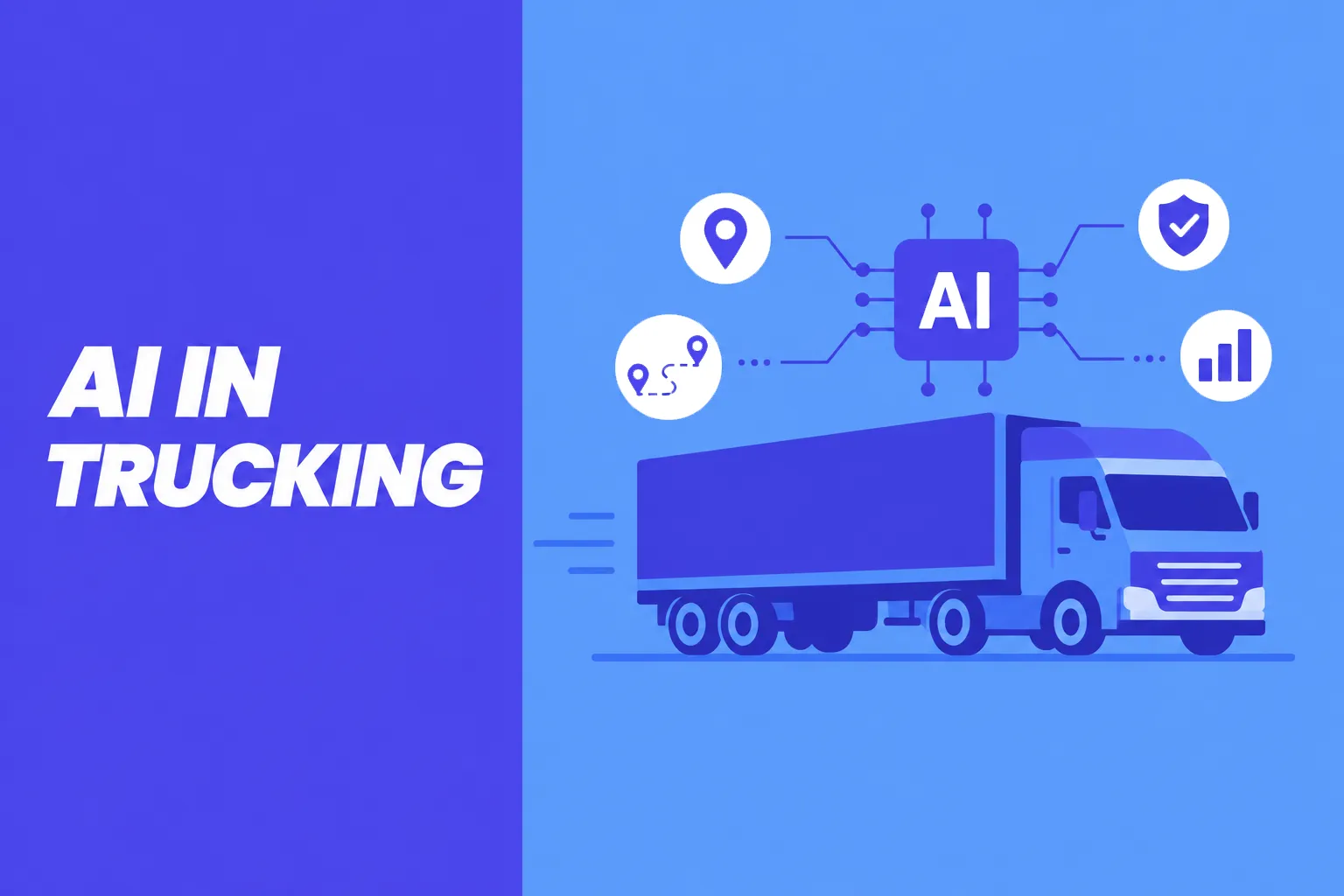
The trucking industry operates under constant pressure to control fuel expenditure, maintain vehicle availability, meet delivery commitments, and manage changing freight demand. These responsibilities generate large volumes of operational data, but having access to that data does not automatically make it useful. Fleet managers still need to identify developing problems, understand their likely consequences, and decide where intervention will have the greatest impact. AI is beginning to support these decisions across the transportation sector. According to Penske’s 2025 Transportation Leaders Survey, 70% of surveyed transportation and logistics companies reported adopting AI solutions, compared with 53% in 2024. Respondents identified improvements in fleet planning, route optimization, and operational efficiency. For trucking businesses, the opportunity lies in applying AI to specific operational requirements, integrating its outputs with existing systems, and establishing whether the resulting improvements justify the investment. Identifying High-Impact Areas for AI in Trucking Trucking companies rarely operate with a single objective. A carrier may need to reduce fuel consumption while maintaining delivery schedules, increase vehicle utilization without overloading drivers, and control maintenance expenditure without compromising vehicle reliability. These objectives can conflict, which makes operational priorities important when considering AI. For example, a routing system may recommend a shorter route based on distance. However, that route might involve congestion, restricted roads, difficult access for heavy vehicles, or additional toll charges. A useful AI application must account for the constraints that affect the actual operation rather than optimize one variable in isolation. The same applies to fleet maintenance. Reducing workshop visits may
Read MoreOct 9, 2026 Artificial Intelligence Comments Off on AI in Clinical Data Management: Use Cases, Applications, and Implementation
Oct 9, 2026 Artificial Intelligence Comments Off on AI in Clinical Data Management: Use Cases, Applications, and Implementation
AI in Clinical Data Management: Use Cases, Applications, and Implementation
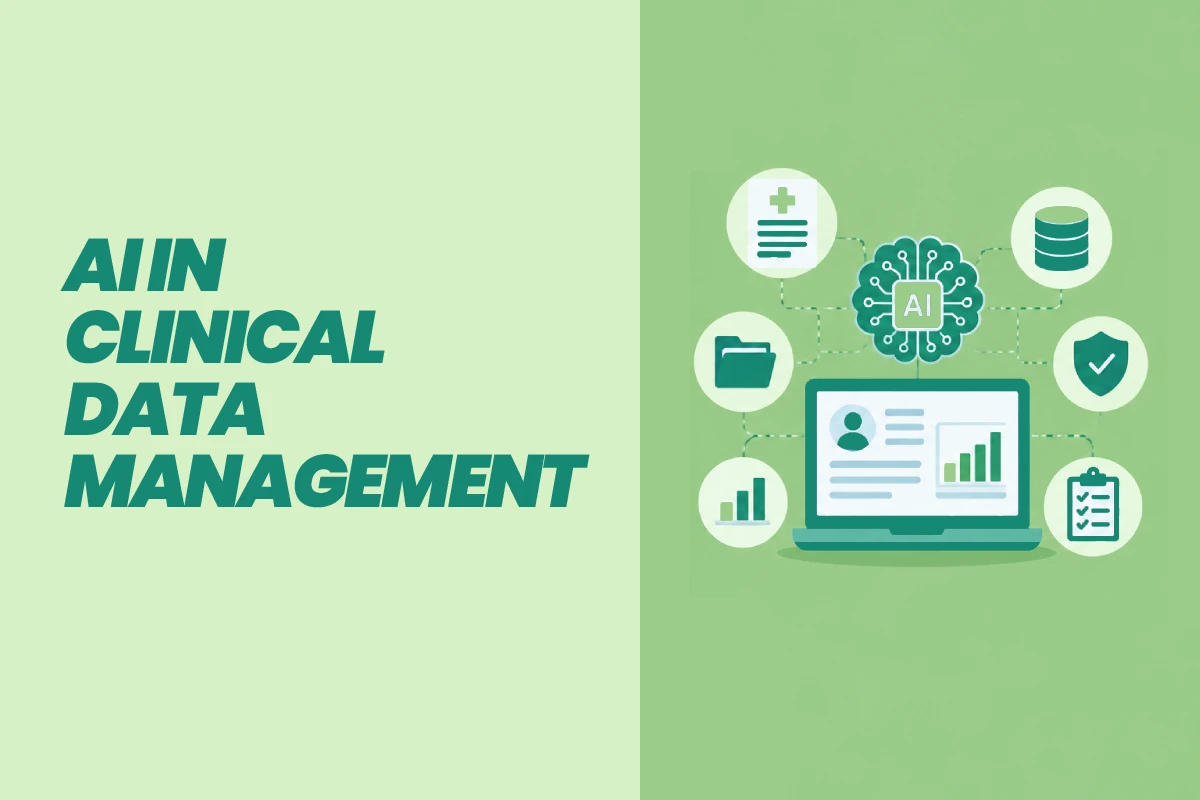
Clinical data management ensures that clinical trial data is complete, consistent, traceable, and suitable for analysis. Teams collect and review information from electronic data capture (EDC) systems, laboratories, medical records, imaging platforms, and other sources. As trials become more complex, manual review and rule-based validation alone can make it difficult to identify inconsistencies across these systems. A 2025 study published in Therapeutic Innovation & Regulatory Science, based on 105 clinical trial protocols, found that a Phase III protocol collected an average of 5.9 million data points. The volume illustrates the scale of the data management workload in large clinical studies. AI can help clinical data management teams review large datasets, match records across systems, classify medical information, prioritize queries, and identify patterns that require investigation. Its value depends on how well these capabilities fit the study protocol, data standards, and existing systems. An AI model may flag a laboratory result that conflicts with a recorded visit date, for example, but a data manager must determine whether the discrepancy is an error or a valid clinical observation. The objective is to reduce avoidable manual work while maintaining data integrity, traceability, and appropriate human oversight. Where AI Adds Value in Clinical Data Management Clinical data management involves more than checking whether individual fields contain valid values. Teams must determine whether information is consistent across visits, aligned with the protocol, reconciled with external sources, and sufficiently complete for statistical analysis. Problems may remain undetected when each dataset is reviewed independently. Traditional validation rules
Read MoreOct 8, 2026 Artificial Intelligence Comments Off on AI in Safety Management: Use Cases, Benefits, and Implementation Considerations

Oct 8, 2026 Artificial Intelligence Comments Off on AI in Safety Management: Use Cases, Benefits, and Implementation Considerations
AI in Safety Management: Use Cases, Benefits, and Implementation Considerations
Workplace safety depends on identifying hazards early, controlling exposure, monitoring changing conditions, and responding quickly when unsafe situations occur. Yet many safety processes still depend on manual inspections, incident reports, checklists, worker observations, and periodic assessments. These methods remain important, but they can make it difficult to continuously monitor dynamic work environments. The scale of the problem is significant. According to the International Labour Organization, 2.93 million workers die each year from work-related accidents and diseases, while around 395 million workers sustain non-fatal work-related injuries. AI is being applied to safety management in areas where large volumes of operational data, images, video, sensor readings, equipment information, and safety records need to be reviewed continuously. Computer vision can identify visible hazards, machine learning can identify patterns associated with incidents, and natural language processing can analyze safety reports and inspection records. The International Labour Organization has also identified smart monitoring systems, automation, advanced robotics, and other digital technologies as areas that can improve occupational safety while creating new risks that require appropriate controls. The practical opportunity is therefore not to replace established safety processes with AI, but to use AI to detect conditions earlier, prioritize attention, support safety decisions, and improve how safety information moves through an organization. What AI Changes in Safety Management Traditional safety management relies heavily on scheduled inspections and human observation. A safety professional may inspect a worksite at a particular time, review completed checklists, investigate incidents after they occur, and analyze historical safety data periodically. AI can
Read MoreOct 7, 2026 Artificial Intelligence Comments Off on AI for Cash Application: Use Cases, Benefits, Architecture, and Best Practices

Oct 7, 2026 Artificial Intelligence Comments Off on AI for Cash Application: Use Cases, Benefits, Architecture, and Best Practices
AI for Cash Application: Use Cases, Benefits, Architecture, and Best Practices
Cash application is a core accounts receivable activity that determines how quickly and accurately incoming customer payments are matched to outstanding invoices and recorded against the right accounts. The process becomes increasingly complex as organizations manage high payment volumes across multiple banks, currencies, payment methods, customers, business units, and geographies. Payments may arrive without invoice references, cover multiple invoices, include deductions, or depend on remittance information received through a separate channel. These conditions create manual work and can leave significant amounts of cash sitting unapplied. The pressure to modernize accounts receivable is increasing. A 2025 BillingPlatform survey found that 80% of respondents considered accounts receivable automation important, a high priority, or critical, while only 3% had fully automated AR. The survey also found that 67% were evaluating AI for accounts receivable, but only 14% had deployed it. These figures show the gap between the strategic importance of AR automation and its current level of adoption. For cash application specifically, AI can address one of the more difficult parts of the process: interpreting incomplete payment information, identifying likely invoice relationships, handling exceptions, and reducing the manual effort required to reconcile incoming cash. AI for Cash Application Traditional cash application depends largely on deterministic matching rules. A system may compare the payment amount, invoice number, customer account, bank reference, currency, or remittance information and automatically clear a transaction when predefined conditions are met. These rules remain valuable for straightforward transactions. They become less effective when payment information is incomplete, inconsistent, or distributed
Read MoreOct 1, 2026 Artificial Intelligence Comments Off on AI in Healthcare Revenue Cycle Management: Use Cases, Benefits, and Practical Applications
Oct 1, 2026 Artificial Intelligence Comments Off on AI in Healthcare Revenue Cycle Management: Use Cases, Benefits, and Practical Applications
AI in Healthcare Revenue Cycle Management: Use Cases, Benefits, and Practical Applications
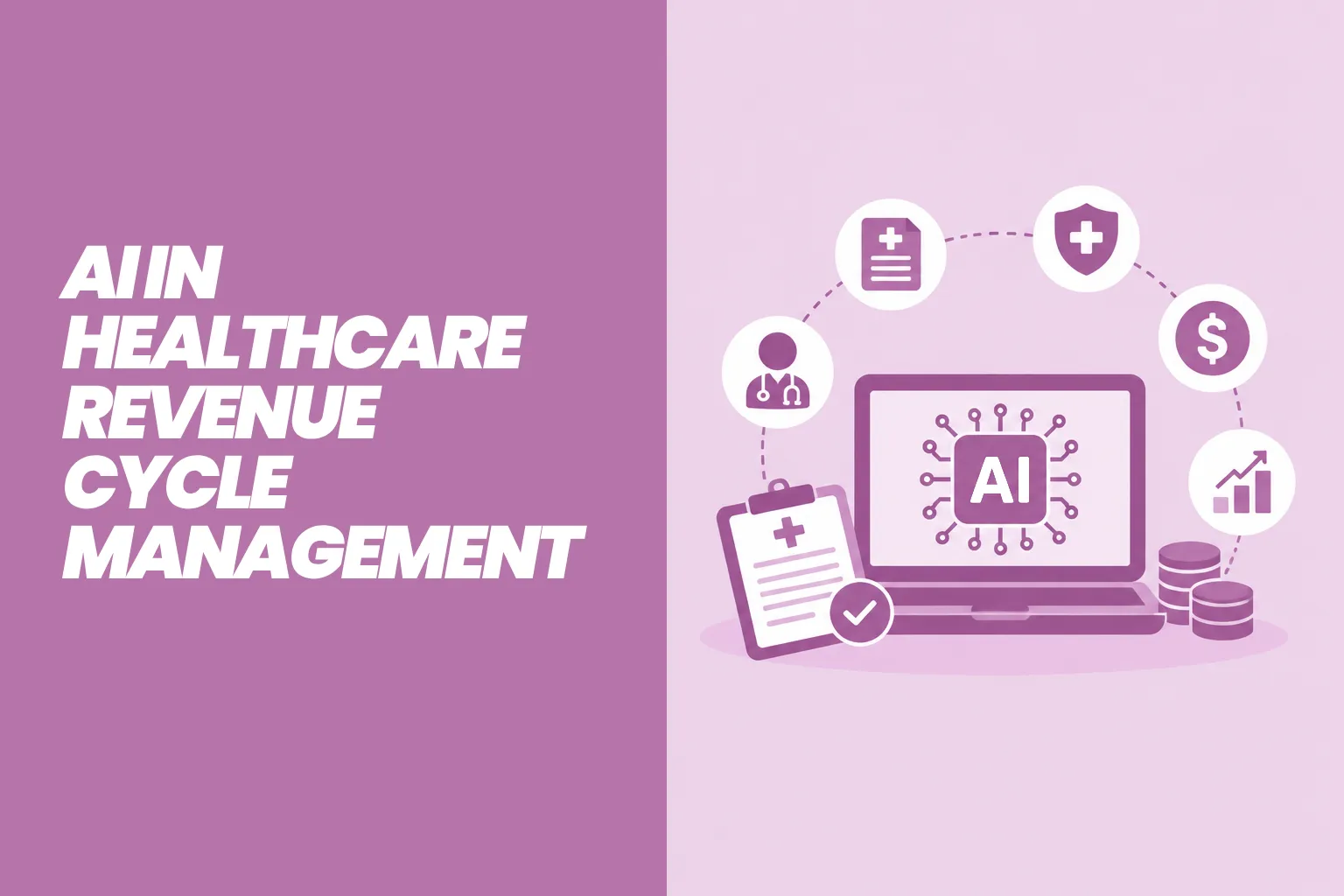
Healthcare revenue cycle management depends on hundreds of interconnected activities, from patient registration and eligibility verification to coding, claims, payment posting, denials, and collections. Problems rarely stay within one process. An incorrect insurance record can affect eligibility, a documentation gap can affect coding, and a coding or authorization issue can eventually appear as a denied claim. According to a 2025 HFMA survey, more than one-third of healthcare organizations lose at least $1 million annually because of documentation and coding discrepancies, while only 9% feel confident they are capturing all revenue to which they are entitled. AI is increasingly being applied to these challenges because it can analyze large volumes of structured and unstructured information, identify patterns, predict potential problems, and support revenue cycle staff with decisions that would otherwise require extensive manual review. Adoption is already underway. HFMA reported in 2025 that 71% of surveyed health systems had identified and deployed AI pilots or full solutions in finance, revenue cycle management, or clinical functions, while only 18% had a mature governance structure and fully formed AI strategy. This makes the practical focus less about adding AI to an RCM workflow and more about developing AI capabilities that can produce measurable financial results while operating within healthcare, privacy, security, and financial controls. AI in Healthcare Revenue Cycle Management Traditional RCM technology already automates many deterministic activities. Rules can validate required fields, check claim formats, route work queues, and perform other predefined tasks. AI adds capabilities that become useful when the information
Read MoreOct 1, 2026 Artificial Intelligence Comments Off on Enterprise AI Agent Architecture: Tools, Memory & Orchestration

Oct 1, 2026 Artificial Intelligence Comments Off on Enterprise AI Agent Architecture: Tools, Memory & Orchestration
Enterprise AI Agent Architecture: Tools, Memory & Orchestration
Enterprise AI agents are becoming more capable than simple conversational systems. They can understand user requests, retrieve information, use enterprise tools, perform multiple tasks, and take actions within business workflows. As these capabilities expand, the architecture supporting the agent becomes increasingly important. The underlying model provides the reasoning, while tools, memory, orchestration, state management, security, and monitoring support the agent during execution. This is becoming more relevant as organizations experiment with agentic AI. McKinsey’s State of AI 2025 report found that 62% of surveyed organizations were experimenting with or scaling AI agents. This included 23% that were scaling an agentic AI system somewhere in the organization and 39% that were experimenting with agents. As organizations move beyond early experimentation, they need to consider how agents will access information, use tools, maintain context, interact with business systems, and operate within defined security and governance controls. What Makes an Enterprise AI Agent Architecture Different? A conventional generative AI application generally follows a relatively simple path: User → Application → LLM → Response An enterprise agent introduces additional components because the model needs to interact with systems and information beyond its immediate context. A more representative architecture is: User → Agent Runtime → Model → Tools / Retrieval / Memory → Enterprise Systems → Validation → Response or Action The model remains central, but it is no longer the entire application. Architecture component Primary role Key enterprise concern Foundation model Reasoning and language generation Accuracy, latency, cost Agent runtime Executes agent behavior State
Read MoreSep 30, 2026 Artificial Intelligence Comments Off on AI in Accounts Payable: Use Cases, Implementation, and Best Practices
Sep 30, 2026 Artificial Intelligence Comments Off on AI in Accounts Payable: Use Cases, Implementation, and Best Practices
AI in Accounts Payable: Use Cases, Implementation, and Best Practices
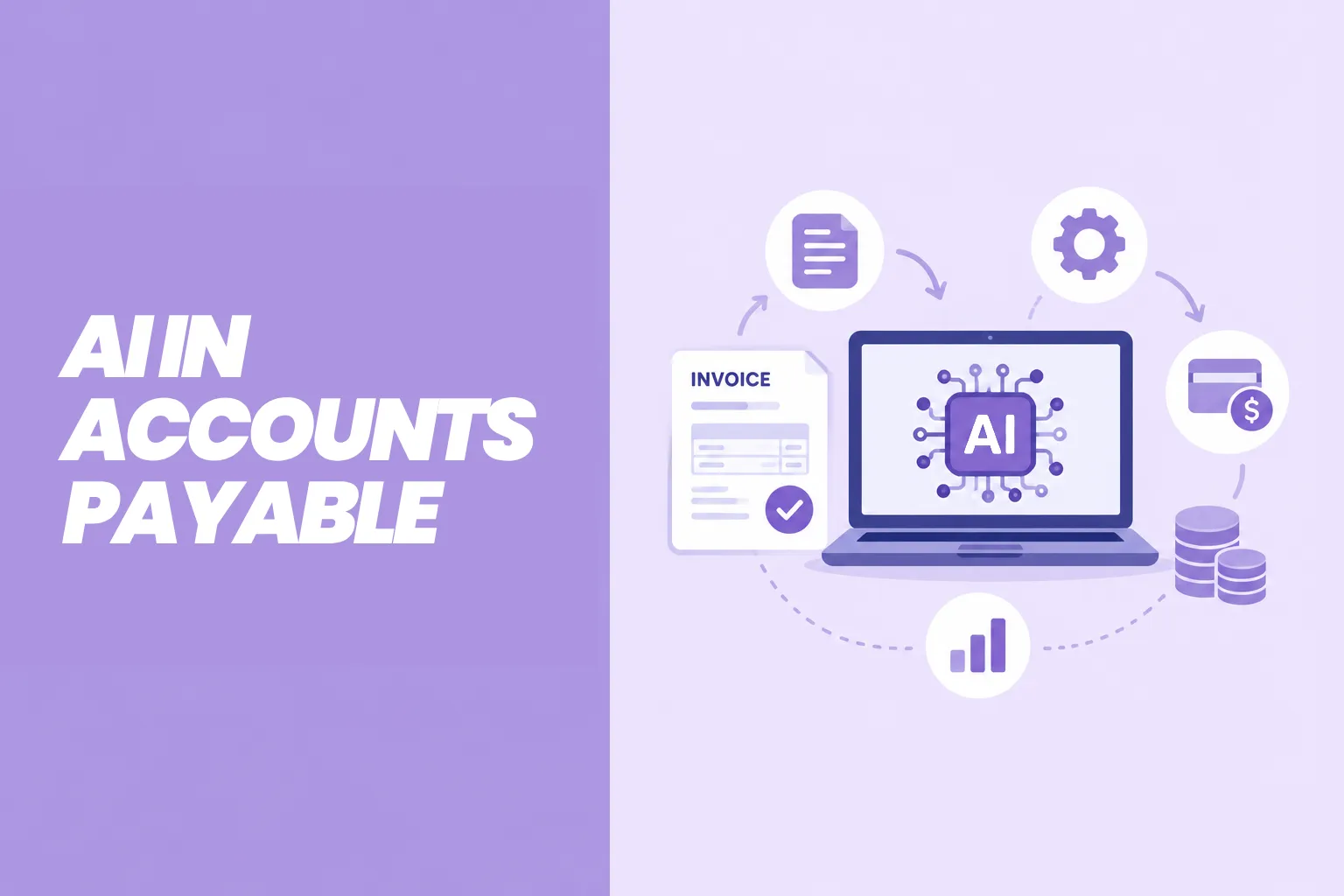
Accounts payable teams are under pressure to process growing invoice volumes without increasing manual effort, payment errors, or compliance exposure. The scale of the problem is measurable: Ardent Partners’ 2025 AP benchmarks report an average invoice processing cost of $9.84, an average processing cycle of 8.2 days, and an invoice exception rate of 18.4%. Ardent Partners’ AP benchmark analysis AI is changing where automation can be applied within accounts payable. Instead of limiting automation to invoice data capture, organizations can use AI to extract information from varied documents, classify invoices, validate data, identify anomalies, recommend accounting codes, route exceptions, answer supplier questions, and support payment controls. A 2025 Tipalti survey of more than 2,300 finance professionals found that 46% were implementing or piloting AI tools, while only 7% reported fully automated accounts payable operations. Tipalti’s Global Finance Outlook 2025 What AI Changes in the Accounts Payable Process Traditional accounts payable automation typically focuses on moving information between predefined steps. AI adds an interpretation layer that can deal with variable documents, historical transaction data, unstructured communications, and exceptions. For example, a conventional invoice capture system may extract a supplier name, invoice number, date, and amount according to predefined rules. An AI-based system can identify the same fields from invoices with different layouts, interpret line items, compare them with purchase orders and receipts, identify inconsistencies, and determine whether the invoice can proceed automatically or requires human review. Accounts payable activity Conventional automation AI-enabled approach Invoice capture OCR and predefined templates AI-based document
Read MoreSep 29, 2026 Artificial Intelligence Comments Off on How to Build Production-Ready Enterprise AI Systems
Sep 29, 2026 Artificial Intelligence Comments Off on How to Build Production-Ready Enterprise AI Systems
How to Build Production-Ready Enterprise AI Systems
AI adoption is accelerating across enterprises, but putting AI into production is proving far more difficult than proving that a model can generate an impressive response. According to McKinsey’s 2026 Global Survey on AI, 44% of organizations now report scaling AI across the enterprise, up from 38% a year earlier. Yet only 37% report a positive impact on organizational EBIT. The gap highlights a critical enterprise challenge: deploying AI at scale does not automatically make it reliable, useful, or economically valuable. A production AI system has to work under conditions that a prototype rarely encounters. It must handle inconsistent data, unpredictable user inputs, model failures, changing business requirements, security threats, API outages, rising inference costs, and increasing workloads. It also needs to fit into existing enterprise applications and processes without creating uncontrolled access or operational risk. Production AI therefore requires an engineering foundation that extends well beyond the model itself. Data must be current and governed, access must be controlled, outputs must be evaluated, integrations must fail safely, costs must remain predictable, and every model or prompt change must be traceable. This guide walks through how to design, build, test, secure, deploy, and operate enterprise AI systems that can handle real workloads—not just successful demonstrations. Define the Business Use Case Start with the business workflow, not the AI model. A production AI system should solve a clearly defined operational problem with measurable outcomes. “Build an enterprise chatbot” is not a sufficient use case. A better definition would be “reduce the
Read More