×
- 20+ Years in Business
- 350+ IT Experts
- 750+ Enterprise Clients
- CMMi Level 3 Certified
- ISO 9001:2015
- Top 1% on TrustPilot
-
 4.8 on Clutch
Our valued Brands & Agencies
















Our custom Android app development services tailored to your business needs
Our Android mobile app development services help businesses build reliable, secure, and high-performing applications for smartphones, tablets, wearables, TVs, and enterprise devices. From product strategy to ongoing optimization, we deliver Android solutions built for long-term business growth.

Custom Android App Development
We develop custom Android apps tailored to your business needs, user requirements, and technical ecosystem. Built with Kotlin, Jetpack Compose, and modern native development practices, every app delivers responsiveness, security, and the flexibility to scale. Our approach emphasizes clean architecture and seamless integration with your existing business systems.

Android MVP Development
We help businesses validate new product ideas through MVPs that prioritize essential functionality and rapid deployment. We develop production-ready MVPs that enable faster market validation and user feedback, while minimizing costs and project risks. This approach accelerates the transition from concept validation to full-scale app development.

Wear OS App Development
We develop Wear OS applications that extend mobile functionality to smartwatches and wearable devices. Our solutions enable real-time notifications, health monitoring, and location tracking, with reliable synchronization between wearables, Android smartphones, and enterprise platforms. Every app is optimized for small screens, glanceable interactions, and battery efficiency.

Android TV App Development
We build Android TV apps that deliver engaging experiences across entertainment, education, fitness, media, and enterprise platforms. Every app is optimized for large-screen navigation, remote interactions, and consistent functionality across supported Android TV devices. Our interfaces are designed around the way people actually use television, from a distance and with a remote.

Android App Modernization
We modernize legacy Android applications by upgrading outdated architectures, improving code quality, enhancing application performance, and adopting current Android development standards. Our modernization services reduce technical debt while improving maintainability. Every initiative prepares your app for future Android platform updates.

Android App Migration
We migrate Android apps from legacy platforms, hybrid frameworks, or outdated technologies without disrupting core business operations. Our approach preserves existing functionality while improving performance. The migration process includes architecture assessment, code optimization, and comprehensive validation to ensure a smooth transition.
Android UI/UX Design
We design Android interfaces that follow Google's Material Design principles while aligning with user expectations and business objectives. Every design is backed by usability research and interactive prototyping to deliver engaging, consistent mobile experiences. Our designers map clear user journeys that reduce friction and improve overall usability.
Android App Testing and Quality Assurance
We implement comprehensive testing throughout the development lifecycle to ensure application quality, security, stability, and performance. Our quality assurance process includes functional, compatibility, usability, regression, performance, and security testing across multiple Android devices, manufacturers, and operating system versions.
Google Play Store Deployment
We manage the complete Google Play deployment process, including app signing, store listing optimization, policy compliance, staged rollouts, and production publishing. After launch, we oversee release monitoring and version management, and track Google Play requirement changes to keep your app compliant over the long term.
Android App Maintenance and Support
We provide continuous app support through proactive monitoring, operating system updates, bug resolution, security enhancements, performance optimization, and feature upgrades. Our services keep Android apps secure, reliable, and aligned with changing business needs, while ensuring compatibility with every new Android release.
Accelerating enterprise transformation through AI and digital engineering.
20+
Years in Business
350+
IT Professionals
ISO 9001 Certified
NASSCOM & STPI Accreditation
NASSCOM & STPI Accreditation
750+
Clients Worldwide
1800+
Projects Executed
Industry-focused Android app development for enterprises
Our Android applications serve businesses across these industries, each built around domain-specific workflows, compliance requirements, and user expectations.

Automotive

Real Estate

Retail & Ecommerce
Healthcare
Transportation
Manufacturing
Travel & Tourism

Banking & Finance

Education

Social Media

Gaming & Sports

Insurance
What sets our Android app development services apart
We build Android apps that are secure from the ground up, architected for scale, and driven by modern technology. Our mobile app development services are designed to solve real business challenges and drive measurable outcomes.

We build compliance into our Android app development services from the first sprint, not as an afterthought. Apps are engineered around GDPR, HIPAA, PDPL, and SOC 2 requirements and delivered through ISO 9001-certified processes, so every release is secure, enterprise-ready, and deployable across markets.
As a custom Android app development company, we engineer for demanding workloads, with apps built to handle high concurrent user loads, real-time transactions, and multi-region operations. Cloud-native architectures and modular backends are part of the design from day one.
We don't build generic Android apps. Our solutions use AI-driven personalization, IoT integrations, and predictive analytics to give businesses a real competitive edge. Every Android app we deliver is built for measurable business outcomes, not just an app store listing.
Artificial Intelligence (AI)
We develop Android apps powered by artificial intelligence, incorporating decision-making models and adaptive interfaces that respond to real usage data. This enables mobile products to adjust their behavior rather than operate on static, predefined logic, improving relevance and accuracy. We also account for on-device processing constraints when selecting model architecture.
Machine Learning (ML)
Our team builds on-device and cloud-based ML pipelines for Android apps, supporting classification, forecasting, and pattern detection. These systems learn from operational data, allowing app performance and accuracy to improve progressively rather than remain fixed at deployment. Model retraining and validation are handled as part of the ongoing development cycle.
Computer Vision
We implement computer vision capabilities in Android apps, including object recognition, text extraction, and quality assessment through the device camera. This functionality supports use cases in automation, inspection, and real-time analysis, extending the camera's role beyond basic image capture. Processing is optimized to balance accuracy against on-device performance limits.
Internet of Things (IoT)
Our IoT development work enables Android applications to communicate reliably with sensors, wearables, and connected equipment. We manage protocol integration and data synchronization to ensure stable performance across device networks, while maintaining long-term reliability. Security across the device-to-app data pathway is treated as a core design requirement.
Edge Computing
We apply edge computing principles in Android development by processing data on-device or through nearby infrastructure, rather than relying solely on remote servers. This approach reduces latency for time-sensitive operations, decreases bandwidth requirements, and keeps data processing closer to its source. It also improves reliability in environments with limited connectivity.
Augmented Reality (AR)
We build augmented reality features for Android apps, supporting use cases such as retail visualization, spatial navigation, and interactive training. Our AR implementations overlay digital content onto physical environments with tracking accuracy suited to real-world conditions. Performance is tuned to maintain stability across varying device hardware and lighting conditions.
Cloud Computing
Our cloud architecture services support Android applications with scalable backend infrastructure and reliable data management. We design systems that maintain consistent performance as user volume and data load increase, supporting long-term application stability and growth. Infrastructure decisions are made with future scaling requirements factored in from the outset.
Google Play Billing & Google Pay
We implement Google Play Billing for in-app purchases and subscriptions, and integrate Google Pay for fast, secure checkout. Our implementations follow Google Play's payments policy, verify purchases on the server, and handle subscription upgrades, renewals, and grace periods so revenue flows reliably without disrupting the user experience.
Natural Language Processing (NLP)
Our natural language processing implementations allow Android apps to interpret user intent, extract relevant information, and generate contextually accurate responses. This capability supports chatbots, voice interfaces, and document processing tools that operate beyond simple keyword matching. Multilingual support is incorporated where the application's user base requires it.
Generative AI
We integrate generative AI into Android apps to enable intelligent content generation, conversational assistants, document summarization, multilingual translation, and workflow automation. Our approach accounts for performance requirements and computational efficiency throughout development. Output quality is validated against defined accuracy and relevance benchmarks before release.
Our Android app development success stories
Discover how our Android app development services have helped businesses accelerate growth, deepen user engagement, and strengthen their market position through innovation, scalability, and reliable performance.
GoSupps Custom eCommerce Solution
The Challenge
Selling fitness supplements across 20+ countries required handling multiple currencies, shipping rules, and tax laws from a single platform, while supporting 25,000+ daily customers and keeping mobile apps fully synced with the core e-commerce system.
Our Approach
We built three connected platforms (an iOS app, an Android app, and a Magento e-commerce website) hosted on AWS with database indexing and caching, integrated with Odoo, Stripe, PayPal, UPS, and regional shipping providers, and supporting 20+ countries with auto-adjusted currency, tax, and shipping.
The Result
- 25,000+ users registered in the first month
- Multi-country e-commerce across 20+ countries
- Native iOS and Android apps with Magento integration
- AWS infrastructure built for high-traffic scalability

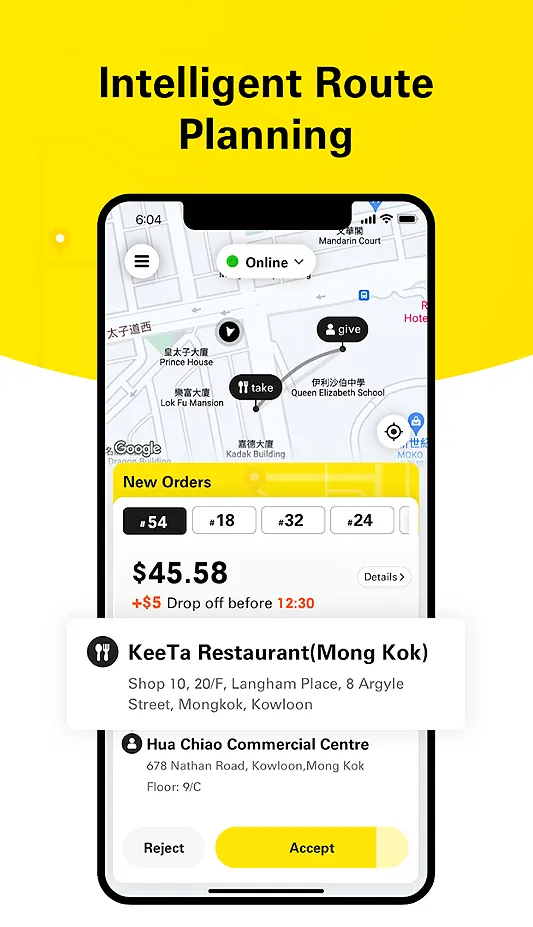
Keeta Food Delivery App
The Challenge
Building a food delivery app for international markets required multilingual support, real-time order tracking, fast performance across Android and iOS, flexible payment gateways, and scalable architecture to handle rapid multi-country expansion.
Our Approach
We built Keeta using React Native with a Node.js and MongoDB backend, Firebase real-time tracking, advanced restaurant filtering, dynamic deal banners, multilingual support, and a smart delivery engine, all deployed through agile sprints for rapid global rollout.
The Result
- 100,000+ Google Play downloads in the first quarter
- 45% increase in daily active users
- 25% faster order processing
- 30% growth in restaurant partnerships
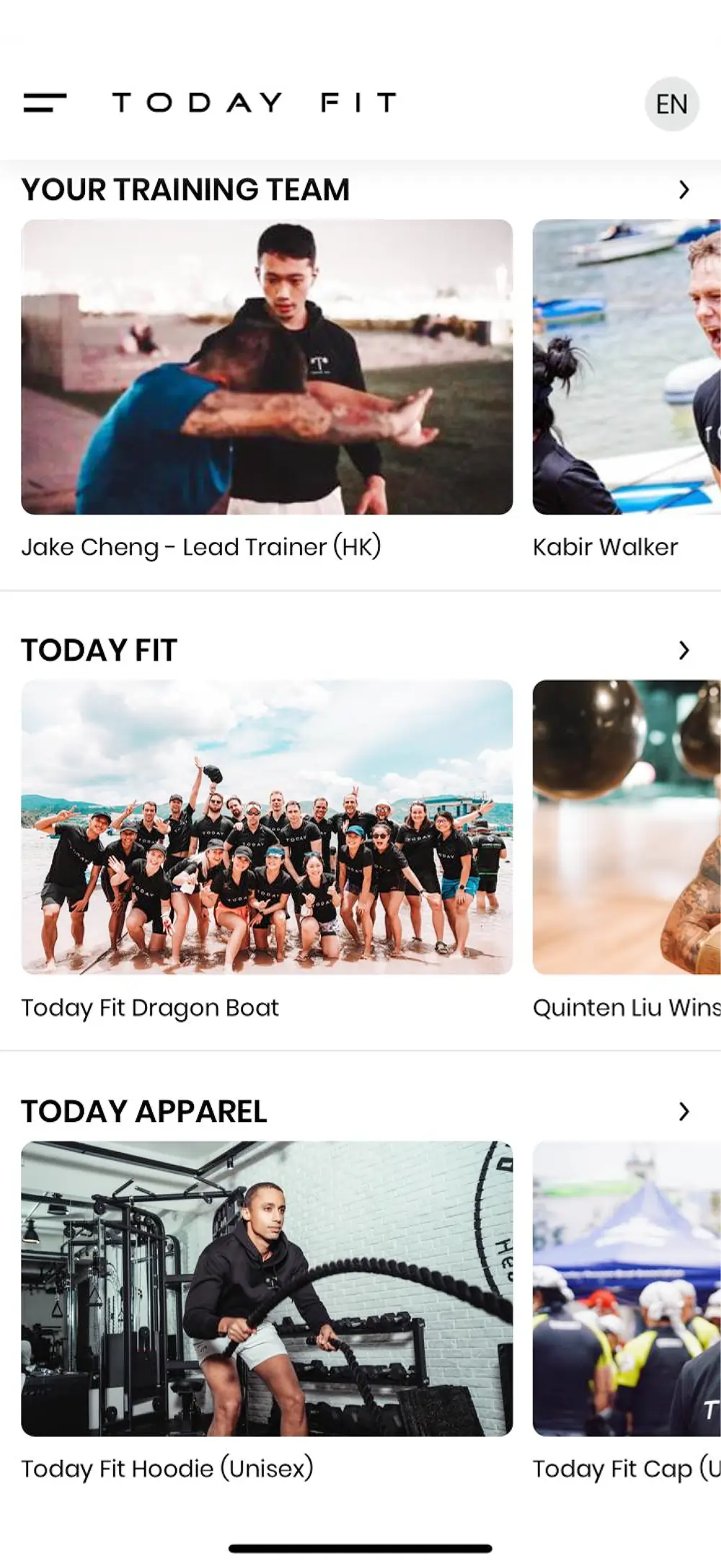
TodayFit Fitness App
The Challenge
Connecting fitness enthusiasts with trainers required real-time video consultations, AI-driven course recommendations, conflict-free scheduling, and seamless cross-device sync, all delivered within a tight launch timeline with scalability built in from day one.
Our Approach
We built TodayFit using the BOOT model (Build, Operate, Optimize, Transfer) with a dedicated team, delivering native iOS and Android apps, AI-powered fitness recommendations, real-time video consultations, Stripe-powered subscription management, a trainer scheduling engine, and a SaaS layer for gym business management.
The Result
- 30% increase in user engagement
- 4.7+ rating on the App Store and Play Store
- 60% increase in trainer bookings
- 45% growth in subscription conversions
Fuel your business growth with custom Android app solutions from Xicom
At Xicom, we go beyond traditional Android development, aligning
technology with business goals. Our custom Android solutions
deliver tangible value, enhance user experience, and drive
digital transformation, helping your app accelerate growth and
stay ahead in the market.
Powering your Android apps with modern tools and frameworks
Our Android development team uses proven tools and frameworks to build reliable, scalable, and secure mobile applications. This modern technology stack enables efficient development, smooth integrations, optimized performance, and easier maintenance throughout the application lifecycle.
 Java
 Kotlin
 JavaScript
 Android SDK
 Jetpack Compose
 Flutter
 React Native
 AWS
 Microsoft Azure
 Google Cloud
 Firebase
 MySQL
 MongoDB
 PostgreSQL
 SQL Server
 RxJava
 Kotlin Flow
 WebSockets
 Jetpack
 Firebase Cloud Messaging
 Android NDK
 Material Components
 JUnit
 Mockito
 Espresso
 AppTester
 Gradle
 TeamCity
 Jenkins
 GitLab CI/CD
 CircleCI
 Bitrise
 AppMetrica
 Firebase Crashlytics
Why choose Xicom as your trusted Android app development company
Xicom has built a strong track record as an Android mobile app development company, delivering apps engineered for accessibility, innovation, and long-term business value.
Achieving unparalleled excellence for our clients.
- Rated 4.8/5 on Clutch and GoodFirms, Top 1% on Trustpilot.
- CMMi Level 3 and ISO 9001 certified processes.
- 20+ years in mobile app design, development and marketing.
- 1000+ apps live on Play Store & App Store with 15 million+ downloads.
- 350+ dedicated IT and AI professionals.
- Customer satisfaction guaranteed.


20+ Years of Experience
Our Android app developers build reliable, scalable apps with strong technical expertise and a clear understanding of business needs.
Complete Transparency
Clients get full visibility into timelines, progress, and decisions at every stage of development through open communication and a collaborative workflow.
Flexible Hiring Models
Choose dedicated teams, fixed-price projects, or time-and-material engagements, whichever best fits your scope, budget, and timeline.
98% On-Time Delivery
Built on agile methodologies, our delivery process is designed to meet committed deadlines without compromising on quality.

Strict NDA
Client data stays protected under legally binding NDAs, backed by security protocols that ensure complete confidentiality from kickoff to deployment.

24/7 Support
We offer round-the-clock support and continuous monitoring, ensuring faster issue resolution, system stability, and ongoing performance optimization for every project.
Our end-to-end Android app development process
Building a reliable Android application takes more than writing code; it takes a disciplined process. Here's how we take your idea from concept to a live app on Google Play, engineered around your business goals and Google's platform requirements.
-
Discovery
Before any design work begins, we study your objectives, your users, and your technical landscape. This gives the project clear success metrics from day one.
-
Design
Our design team turns requirements into interfaces people actually want to use, grounded in Material Design conventions, tested and refined until the experience feels effortless.
-
Development
Engineers write native Android code while QA runs alongside every sprint, not after it. That overlap keeps performance, security, and reliability intact through release.
-
Deployment
Publishing on Google Play involves more than clicking submit. We handle the review process, resolve compliance issues, and roll out the release with minimal friction.
-
Support
Once your app is live, we continue monitoring for bugs, patching security gaps, tuning performance, and rolling out new features as your product and its users evolve.
Our engagement models for Android app development services
At Xicom, we offer flexible Android app development engagement models tailored to your business needs. Whether you require a dedicated team, a fixed-price approach, or a pay-as-you-go model, you can hire an Android app development team that fits your budget and requirements.

Fixed Price Model
Best for well-defined Android app projects, this model ensures clear scope, budget predictability, and timely delivery without surprises.
- Upfront agreed cost and project scope
- Milestone-based progress tracking
- No hidden charges or overheads
- Reliable delivery timelines and outcomes
Most Popular
Dedicated Teams Model
Ideal for businesses seeking a long-term Android development partner, this model provides a dedicated team of Android app engineers working exclusively on your project.
- Full control over team structure and workflows
- Highly scalable and cost-effective
- Direct communication with developers
- Increased focus and faster turnaround

Time & Material Model
Perfect for Android app projects with evolving requirements, this model offers agility, cost control, and adaptability as your product grows.
- Flexible billing based on actual efforts
- Adjust resources and scope anytime
- Ideal for iterative and evolving projects
- Faster implementation and continuous optimization
Client testimonials and reviews showcasing the value we consistently deliver
Explore how our clients describe their journey with us, reflecting strong collaboration, effective execution, and consistent outcomes delivered across engagements. See how our delivery framework ensures consistency from initiation through to successful completion.
❝
Parity AI
We came to Xicom with an ambitious goal: make institutional-grade financial planning accessible to everyone through AI. Xicom went beyond the brief, blending conversational AI and predictive analytics into an effortless platform. Parity AI is exactly what we envisioned.

❝
RadioFX
Xicom took the time to understand what our stations and listeners actually need, building something tailored rather than generic. Live chat and polls are now core to how we connect with our audience — the app has become a true extension of our on-air presence.


❝
StudyBuddy
Xicom built exactly what our students needed: a secure space to connect, collaborate, and find tutoring support in one place. Their understanding of student behavior shows in how naturally everything fits together — StudyBuddy is something students genuinely rely on.

❝
BoxxDocks
Xicom helped us bring BoxxDocks to life exactly as we envisioned it. Their team understood the complexity of AI powered real-time asset tracking and delivered a platform that's both powerful and genuinely easy to use.

❝
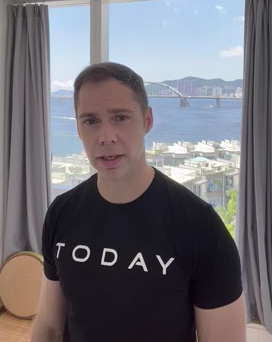
TodayFit
We are very happy with their services. I cannot recommend them highly enough. The value, ability, and delivery that we have seen has been superb, and we look forward to continuing this relationship.


❝
SmartVend AI
Their team built SmartVend from the ground up, combining hardware integration, real-time inventory sync, and a centralized dashboard that completely changed how we operate. We couldn't have asked for a more capable technical partner.

❝
Tap Retail
Partnering with Xicom to develop our Tap Retail app and website was one of the best decisions we made. Their team demonstrated exceptional professionalism, technical expertise, and a deep understanding of our business goals.


❝
GoGmGo
Partnering with Xicom was a game-changer for us. They didn't just build software, they helped us redefine how we run our business. Their proactive support and deep domain knowledge gave us the confidence to innovate faster.

❝
DENVEN
Working with Xicom has been a transformative experience. Their team quickly understood our challenges and delivered a scalable, intuitive solution. I highly recommend Xicom to any organization seeking future-ready, high-performance digital products.

Top tech insights of our blog
Explore latest tech stories & News
✦ AI-First Company
Deep Insights into Emerging Technology and Innovation!
Stay ahead in the digital world with our latest insights covering AI trends, industry developments, and expert advice on building smarter businesses.
1800+
Projects
20+
Years Experience
Frequently Asked Questions
How much does it cost to develop an Android app?
The average cost to develop an Android app depends on the app's complexity, business requirements, the team required for the project, and more. Basic app development typically costs $10,000 to $15,000, moderate apps $20,000 to $30,000, and complex Android apps start from around $50,000, depending on the requirements.
How long does Android app development take?
Timelines depend on your app's complexity, features, and integrations. A simple Android app typically takes 8–12 weeks, while feature-rich or enterprise applications may require 4–9 months. Our agile methodology keeps delivery on schedule with milestone-based progress updates.
Do you provide post-launch support and maintenance for Android apps?
Yes. Our team provides ongoing support after release, including regular maintenance checks, bug fixes, security updates, and upgrades for new Android versions.
How can I track the progress of my Android app development project?
As an Android app development company that values transparency, we assign a dedicated project manager to every client. Your project manager stays connected with you, shares your requirements with the development team, sends weekly progress reports, and remains available through multiple communication channels.
Can you provide a remote Android app development team for my project?
Yes. We offer flexible engagement models, including a dedicated offshore Android app development team that works exclusively on your project and delivers within committed timelines.
Why should my business build an Android app?
Android runs on a wide range of smartphones, tablets, wearables, TVs, and enterprise devices, giving businesses access to a large global user base. A well-planned Android app can improve customer engagement, streamline operations, and open new revenue channels. Working with an experienced Android application development company helps you achieve those results without costly rework.
What Android app development trends should businesses know in 2026?
Staying current with Android app development trends helps businesses build apps that remain competitive. Here are the key trends shaping Android apps in 2026.
- 1) Integration of AI and Machine Learning
- AI continues to improve the user experience through intelligent automation. Android apps increasingly include AI-enabled features such as chatbots, voice recognition, and recommendation engines.
- 2) Optimizing Applications for 5G
- 5G adoption enables Android apps to load faster, process data in real time, and support richer AR/VR experiences. Businesses are using this to create richer mobile experiences in domains such as logistics, entertainment, and healthcare.
- 3) Cross-Platform Application Development
- Frameworks like Flutter and Kotlin Multiplatform are gaining popularity for building applications that run on iOS, Android, and the web, reducing development costs and time.
- 4) Foldables and Large-Screen Optimization
- With foldables, tablets, and Chromebooks growing in use, Android apps are expected to adapt layouts across screen sizes and postures. Google Play now highlights apps that meet its large-screen quality guidelines, making adaptive UI a competitive advantage.
- 5) Modular Architecture and Play Feature Delivery
- Modular architecture simplifies updates and maintenance, while Play Feature Delivery lets apps download features on demand, keeping install sizes small and improving the user experience.
- 6) IoT and Wearable Integration
- With the rapid growth of wearable technology, Android app developers are creating apps that integrate with fitness trackers, smartwatches, and other Internet of Things (IoT) devices, offering enhanced connectivity and data collection capabilities.
Keeping these trends in mind helps you build Android apps that are smarter, faster, and more engaging for users.
Every award marks a milestone in our journey of excellence
As an AI-first digital engineering company, Xicom has earned global recognition for delivering innovative, scalable, and high-performing technology solutions. Our awards reflect the trust of clients and industry leaders alike.